
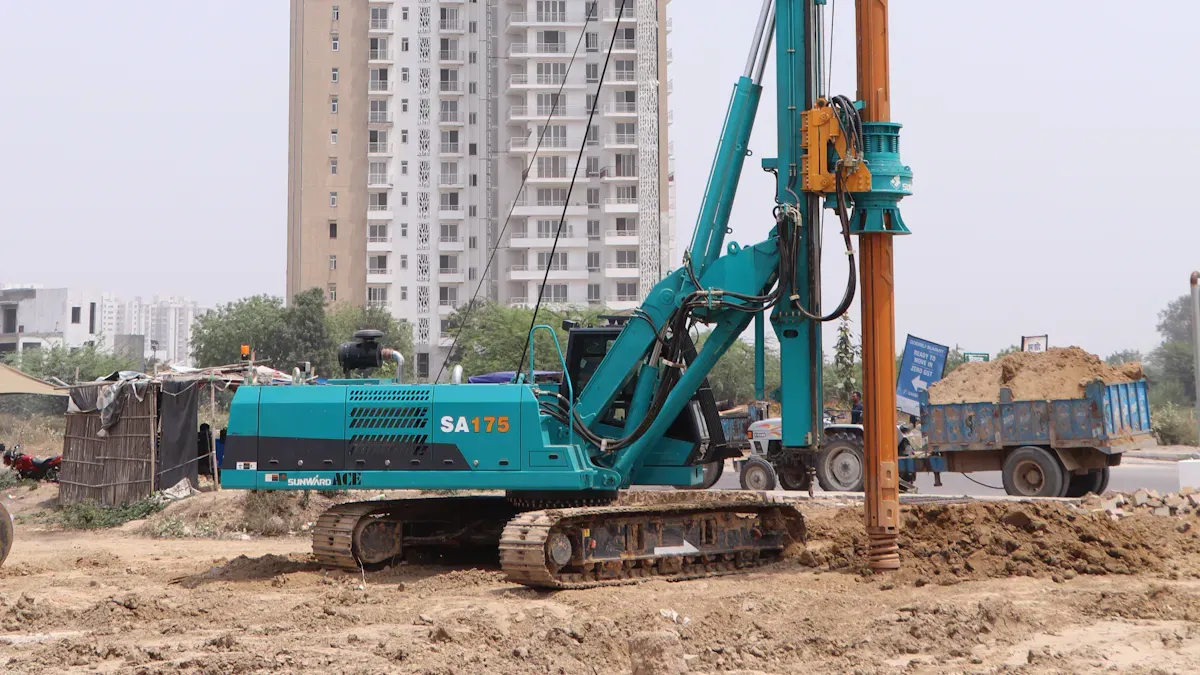
Applying the same pressure when pile driving helps lower pile damage. The CEGC says that how much stress piles can take depends on what they are made of and safety rules. Pile Drive Uniform Pressure Cuts Pile Damage by spreading out stress evenly and keeping the pile safe during installation.
Key Takeaways
-
Using uniform pressure when driving piles lowers damage risk. This way, force spreads out and stops weak spots and cracks.
-
Engineers watch stress levels as piles go in to keep them safe. Tools like strain transducers and accelerometers help check how piles are doing.
-
Following best steps, like changing drilling speed and doing drivability checks, keeps piles safe and strong. This makes piles last longer.
Uniform Pressure in Pile Driving
What Is Uniform Pressure
Uniform pressure means force is spread out evenly on the pile head. Engineers use special tools to make sure the force is equal everywhere. This stops weak spots from forming and lowers the chance of cracks or splits. Uniform pressure keeps piles strong as they go into the ground. When force spreads out, stress does not build up in one spot. This method protects piles from harm and helps them last longer.
Uniform pressure makes sure each part of the pile head gets the same force. This helps piles go in safely and work well.
Point Loading vs. Uniform Pressure
Point loading happens when force pushes on a small part of the pile head. This can cause dents, chips, or even break the pile while driving. Uniform pressure spreads force over a bigger area. These two ways change how piles handle stress.
|
Loading Method |
Force Distribution |
Risk of Damage |
Typical Outcome |
|---|---|---|---|
|
Point Loading |
Concentrated |
High |
Cracks, local failure |
|
Uniform Pressure |
Even |
Low |
Minimal pile damage |
Engineers like uniform pressure because it lowers damage risk. They watch the driving process to keep force balanced. This keeps piles strong and steady as they are put in.
Allowable Stresses & Limits
Material-Specific Stress Limits
Engineers use rules to keep piles safe when they are put in. Steel piles, like driven h piles, have limits for stress. These limits depend on the ground under the pile. If the ground is very tough, stress must stay at 0.25Fy. If the ground is not risky, stress can go up to 0.33Fy.
|
Condition |
Maximum Allowable Stress |
|---|---|
|
Severe subsurface conditions |
0.25Fy |
|
Conditions where damage is unlikely |
0.33Fy |
Concrete piles need special care with prestress. Prestressing lets concrete piles handle more tension and makes them stronger. Timber piles have lower stress limits because wood can get damaged easily. Engineers check the stress limit for each pile material. This keeps the pile’s strength safe and stops too much pressure.
Wave Equation & Dynamic Analysis
Wave equation analysis helps engineers guess how piles act when driven. E.A. Smith’s method connects pile strength and blow count. This is important for keeping driving stress safe. GRLWEAP14 shows how piles react, finds dynamic stresses, and checks soil resistance. The software models pile driving, gives bearing graph results, and helps set rules for pile installation.
Dynamic measurements give real-time numbers for force and speed. These numbers help estimate soil resistance and figure out safe stress at the pile top. High Strain Dynamic Testing checks driving stress to keep piles strong. It also checks compressive resistance. Engineers use these tools to keep stress safe and stop pile damage.
Pile Drive Uniform Pressure Cuts Pile Damage
Stress Distribution & Damage Prevention
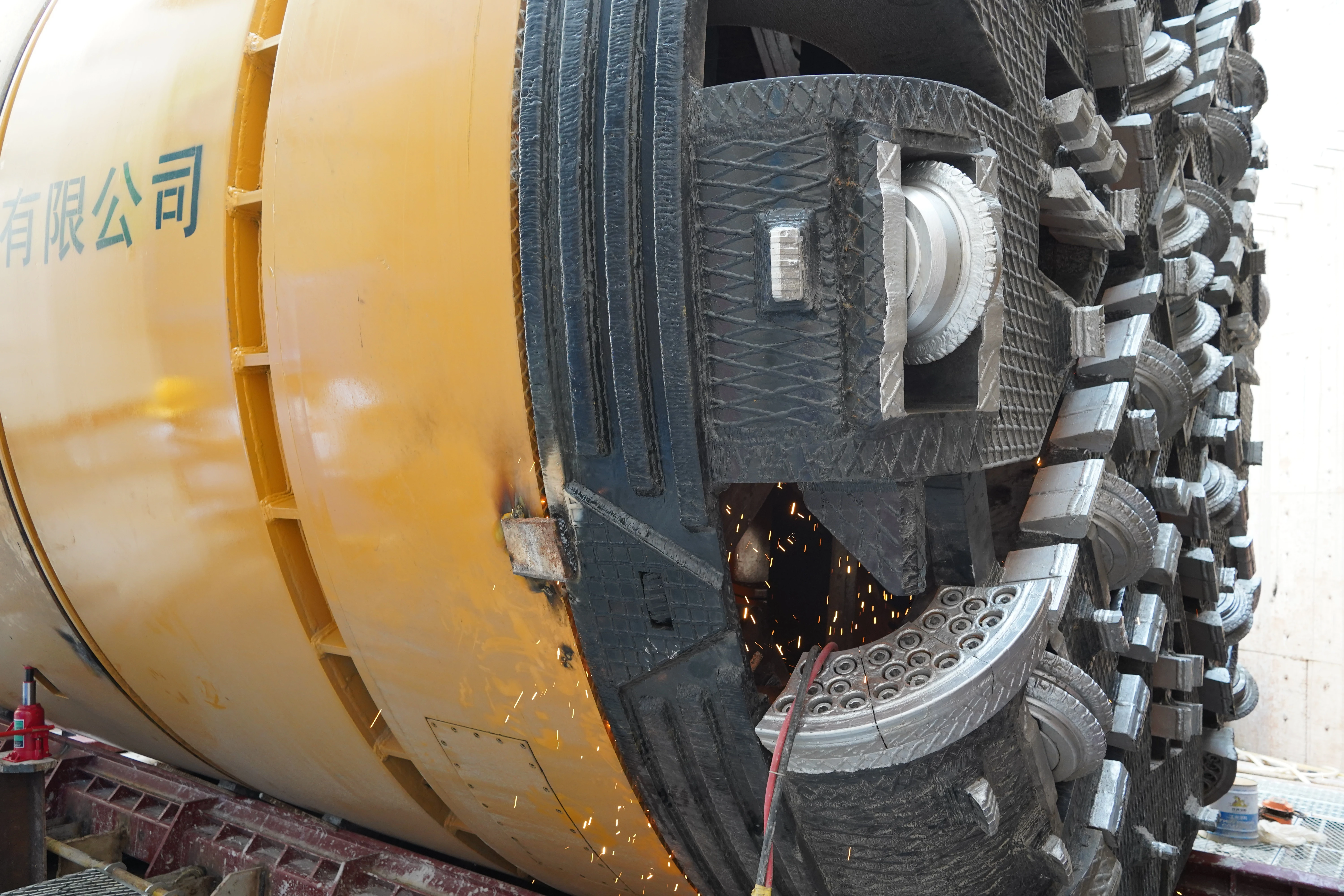
Engineers know uniform pressure spreads force across the pile head. This keeps stress from building up in one spot. Balanced stress helps piles stay strong during installation. Uneven pressure can make weak spots. Uniform pressure protects piles from cracks and splits.
Stress moves through piles in different ways. It depends on how the load is applied. The table below shows how stress changes with uniform pressure and point loading:
|
Loading Condition |
Stress Distribution Characteristics |
Observations |
|---|---|---|
|
Uniform Pressure |
Stresses at the base are higher than halfway down the pile. |
Stress drops near the pile base when the load gets close to pile capacity. |
|
Point Loading |
Stresses near the pile base can get very high, especially in rough piles. |
Rough piles under heavy loads have more friction, which changes stress patterns. |
Uniform pressure stops common pile damage. Uneven pressure can cause problems like:
-
Low pile bearing capacity happens when piles do not reach the right depth or get damaged.
-
Excessive pile inclination comes from poor pile quality, bad alignment, or hammer strikes that are off-center.
-
Pile breakage can happen from bad storage, too much bending, or heavy hammer blows.
Uniform pressure helps piles go into the ground safely. It keeps their strength. This lowers the risk of damage and helps piles last longer.
Risks of Exceeding Limits
Going over stress limits during pile driving can cause big problems. Uniform pressure keeps stress safe and balanced. If stress goes too high, piles can get damaged, lose strength, or have spalling at the pile head. The table below shows the main risks:
|
Risk Type |
Description |
|---|---|
|
Damage to Pile Structure |
Too much stress can damage piles during driving. |
|
Implications for Load Capacity |
High stress can make piles weaker and unable to hold loads. |
|
Pile Spalling |
Too much stress at the pile head can cause spalling, especially in concrete piles. |
Other things can make these risks worse. Bad pile quality, wrong hammer use, and high stress at the pile head often cause damage. Watch for signs of overstress during installation. Overstress can happen if the hammer is too big, the pile and hammer are not lined up, or there is not enough cushion. Equipment problems can also cause overstress.
Tip: Always look for cracks or chips at the pile head during installation. Acting fast can stop more pile damage.
Uniform pressure keeps stress balanced and safe. This protects piles and helps them work well for a long time.
Monitoring & Best Practices
Real-Time Stress Monitoring
Engineers watch piles closely during installation. They use tools to check stress and pore water pressure. The table below lists tools and what they do:
|
Tool Type |
Function |
|---|---|
|
Strain Transducers |
These measure strain in piles as they are driven. They give data for stress checks. |
|
Accelerometers |
These record how fast piles move. They help find impact forces and pile reactions. |
|
Pile Driving Analyzer |
This tool uses measurements to guess bearing strength. It checks stress levels right away. |
Watching piles in real time helps control pore water pressure. It stops piles from getting damaged. The table below shows how monitoring changes stress and pile performance:
|
Parameter |
Value |
|---|---|
|
Initial effective stress |
140 kPa |
|
Maximum vertical stress |
230 kPa |
|
Lateral stresses (σx, σy) |
115 kPa, 108 kPa |
|
Failure probability (Pf) |
0.041 |
|
Axial load before redistribution |
620 kN |
|
Axial load after redistribution |
48.6 kN |
|
Differential settlement |
6.4 mm |
|
Stiffness adjustment |
11.3% |
|
Time-evolving constrained modulus |
6.2 MPa to 8.4 MPa |
Guidelines for Safe Driving
Best practices keep pressure even and pore water pressure low:
-
Change drilling speed to match soil type. This stops squeezing and high pore water pressure.
-
Use grouting to make boreholes stable. This is important in loose soils with high pore water pressure.
-
Test before drilling to pick the best tools and methods for the soil and pore water pressure.
To stay safe with stress limits:
-
Do a drivability check to pick the right hammer size.
-
Make sure driving stress does not go over the limit (Nominal driving stress ≤ 0.9ϕdaFy).
-
Watch driving conditions to stop too much stress and high pore water pressure.
Mistakes happen when the wrong hammer is used, piles are not lined up, piles are driven too much or too little, equipment is not checked, test piles are skipped, or records are missing. Engineers can avoid mistakes by checking the site, picking the right pile depth, using laser guides, applying correct torque, making soil tight, thinking about groundwater and pore water pressure, planning for load spread, and testing for quality.
Tip: Watching pore water pressure during pile installation keeps piles safe and helps them last longer.
Using uniform pressure when driving piles helps stop damage. It also makes piles work better. Operators use tools to check piles as they work. They use dye tests and watch piles in real time. Experts say quality checks are important. They suggest regular inspections and load tests. These tests can be static or dynamic. The table below lists pile driving methods and their limits.
|
Method |
Description |
Limitations |
|---|---|---|
|
Impact Pile Driving |
Drives piles with repeated blows |
High noise and vibration |
|
Press-In (Static) |
Uses hydraulic force for installation |
Slow in deep or variable soil |
FAQ
What is the impact of soil type on load capacity?
Different soils affect how much weight piles hold. Engineers check the soil before putting in piles. This keeps piles safe and strong.
How do engineers reduce immediate settlements of pile groups?
Engineers use uniform pressure and watch stress levels. These actions help lower quick settlements and keep buildings steady.
Why do piles need regular inspection during installation?
Regular checks spot early damage signs. This lets engineers fix problems fast and keeps piles safe for a long time.


