
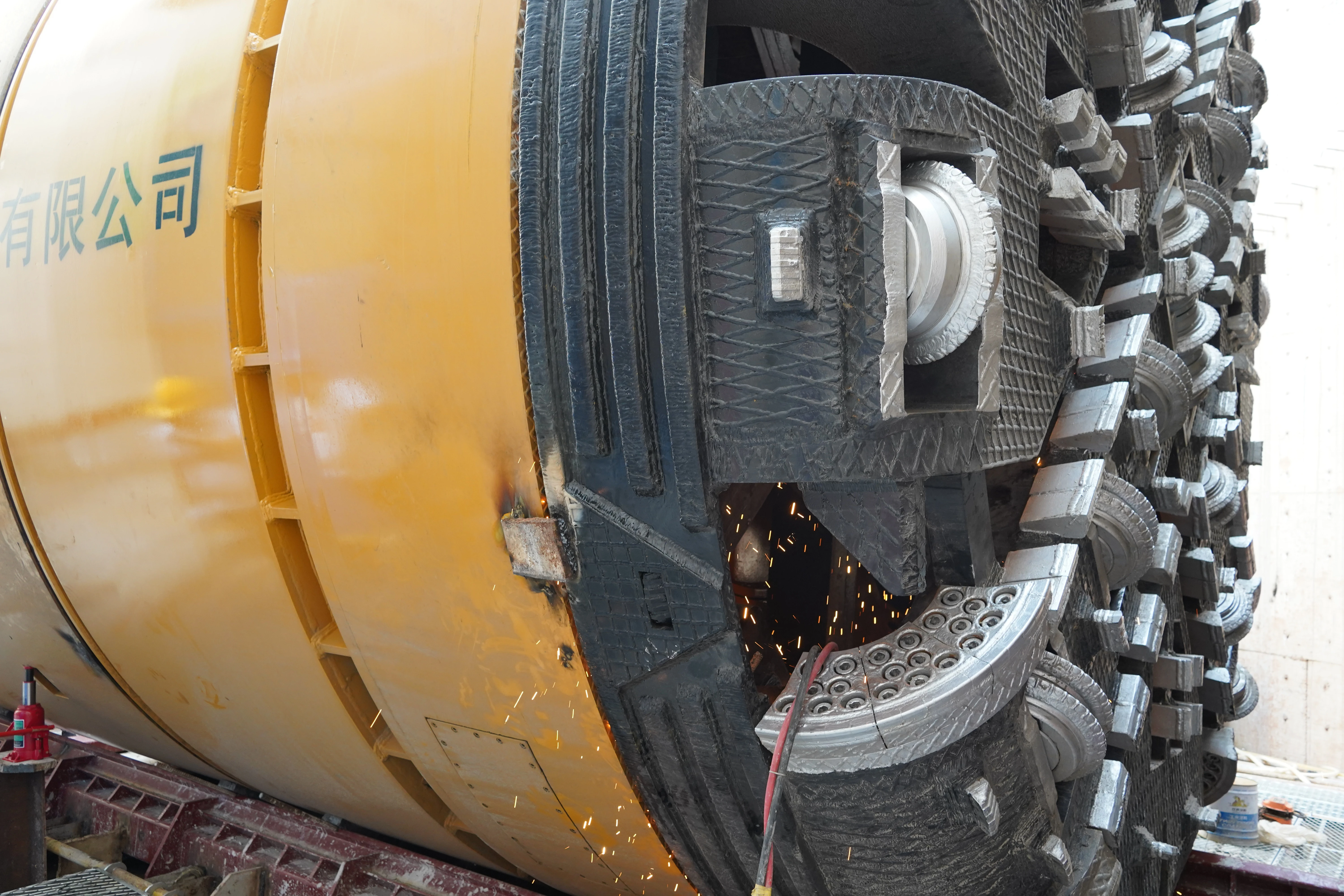
You can control the pile driving force very well. Advanced hydraulic systems help you do this. Real-time feedback lets you see changes right away. This accuracy in Pile Driver 0.15kN Precision Force Controls keeps your projects safe. It also makes your work high-quality. Equipment design helps you get steady results. Regular calibration from CEGC makes sure things stay consistent.
|
Description |
|
|---|---|
|
High stability of axle mechanism |
Makes the machine more stable when working. |
|
Folding outrigger beam |
Gives extra support and keeps things safe. |
|
Expandable crawler frames |
Keeps the machine steady and safe on different ground. |
|
Various monitor systems and recorders |
Help you work safely by showing real-time data. |
|
Increased ground width and crawler belt area |
Makes the machine more stable when driving piles. |
|
Larger diameter of leader and inclined strut |
Helps meet safety rules for heavy-duty jobs. |
Key Takeaways
-
Advanced hydraulic systems let you control pile driving force very well. This keeps the work safe and makes the results good.
-
You must check your pile driver every month. This is called calibration. It helps keep the machine correct and stops expensive errors.
-
Use sensors and feedback systems to watch the force as you work. These tools help you change things fast and keep everyone safe.
Force Control Mechanisms
Advanced Hydraulic Systems
Advanced hydraulic systems help you control force very well. These systems use proportional valves and servo controls. Proportional valves let you change how much hydraulic fluid moves. This keeps pressure steady and helps you use the right force. Servo valves react fast and are very accurate. You use them when you need exact force. When you use both valves together, you get flexible control. This makes your pile driver reliable and efficient. These features help Pile Driver 0.15kN Precision Force Controls give steady results. You also lower the chance of hurting piles or nearby things.
Vibratory Driving Techniques
Vibratory pile drivers let you control force by changing frequency and amplitude. Changing frequency helps you match different soil types. Low-frequency hammers work for heavy piles and tough soils. Medium-frequency hammers work for many soil types. High-frequency hammers lower vibrations near buildings. Adjusting these settings makes force control more accurate and safer. Pile Driver 0.15kN Precision Force Controls let you fine-tune these settings. This helps you drive piles well and lowers mistakes.
|
Impact on Efficiency and Timelines |
|
|---|---|
|
Vibratory Drivers |
Faster installation because soil loosens; 25% more use. |
|
Impact Drivers |
Work in many soils but may have trouble in tough ground. |
|
Hydraulic Hammers |
Cost more to fix; work well in many soils. |
|
Maintenance Importance |
Good maintenance makes machines last longer and reduces downtime. |
Equipment Design Factors
The pile driver’s design affects force control. The frame’s strength and how parts connect matter a lot. If the frame is too strong, it can make driving harder in dense soils. You need the right mix of strength and flexibility to use force well. Advanced force control systems cost more at first. They need more money for research and development. Later, you save money by using less energy and fewer workers.
Tip: Keep your pile driver maintained. This helps it last longer and reduces downtime.
Pile Driver 0.15kN Precision Force Controls make your work safer and more efficient. Ergonomic controls help workers do more, up to 25% better. Machines with the right striking energy work well in mixed soils. This makes your projects go smoother.
Sensors and Feedback Systems
Real-Time Force Monitoring
You need sensors to check force during pile driving. These sensors show you the force at any time. The main types are:
-
Strain gauge sensors tell you how much the pile bends or stretches. You get data right away about the force on the pile.
-
Piezoelectric force sensors find pressure changes and turn them into signals. You can use these signals to see force right away.
-
Force sensors using strain gauges or piezoelectric materials give steady measurements. They help you stop from pushing too hard or breaking piles.
When you use these sensors, you can change your equipment fast. This keeps your work safe and helps you finish faster.
Feedback Loop Integration
Feedback loops are important in Pile Driver 0.15kN Precision Force Controls. These systems use sensor data to change things right away. You do not have to guess if the force is correct. The system checks and fixes itself all the time.
Here is how closed-loop control systems help your work:
|
Feature |
Benefit |
|---|---|
|
You get steady and correct force every time. |
|
|
Real-time monitoring |
The system changes settings for soil and pile conditions. |
|
Load monitoring sensors |
The system stops if force is too high, keeping equipment safe. |
|
Quality control features |
The system shows problems so you can fix them fast. |
You can trust these feedback systems to keep pile driving safe and on track.
Pile Driver 0.15kN Precision Force Controls: Calibration and Benefits
Calibration Procedures
You must calibrate your pile driver to keep it accurate. Calibration means checking and fixing the machine so it gives the right force. You follow steps for each soil type. You use small loading steps to reach the force you want. The table below shows how to set up calibration for each specimen:
|
Specimen Type |
Incremental Loading Steps (ΔF) |
|
|---|---|---|
|
Dense |
1.51 |
0.3 |
|
Medium Dense |
0.76 |
0.15 |
|
Loose |
0.49 |
0.05 |
You test the machine at every step. If the force is wrong, you change the controls. You keep doing this until you get the right force.
Maintaining Precision
You keep things precise by checking sensors and feedback often. You watch for signs that something is wrong or readings are off. You fix problems before they get worse. Regular calibration helps you find issues early. You only change parts when you need to. Taking care of your equipment helps it last longer.
Tip: Check your calibration every month. This helps your pile driver work well.
Safety and Quality Improvements
Good force control gives you many benefits. You make things safer by avoiding dangerous situations. You keep piles strong and steady. You save money by making fewer mistakes and less waste. You follow rules and keep your work high quality. The table below shows how steady force control keeps piles safe:
|
Evidence Point |
Description |
|---|---|
|
Consistent Concrete Pressure |
Keeping pressure steady stops soil from getting in and stops empty spaces. |
|
Impact of Small Mistakes |
Even small mistakes can cause problems or make piles weaker. |
|
Watching concrete and pressure helps support the pile as you build. |
You also have fewer emergency fixes and your equipment lasts longer. Pile Driver 0.15kN Precision Force Controls help you build safer and stronger buildings.
You use advanced hydraulic systems, sensors, and feedback loops for 0.15kN precision force control. These tools help make every project safer and better. Experts think new features will be added soon:
|
Feature |
Description |
|---|---|
|
Automation |
Machines set depth and blows by themselves to work better. |
|
Hydraulic hammers need less fuel and make less pollution. |
|
|
Remote Diagnostics |
Machines can warn you about problems before they break down. |
Pile drivers will get smarter and work better in the future.
FAQ
How often should you calibrate your pile driver?
You should check calibration every month. Regular checks help you keep force control accurate and prevent mistakes.
What sensors help you monitor pile driving force?
You use strain gauge sensors and piezoelectric sensors. These sensors give you real-time force data and help you avoid errors.
Can you adjust force for different soil types?
-
Yes, you can change force settings for each soil type. This helps you drive piles safely and keeps your project on track.


