
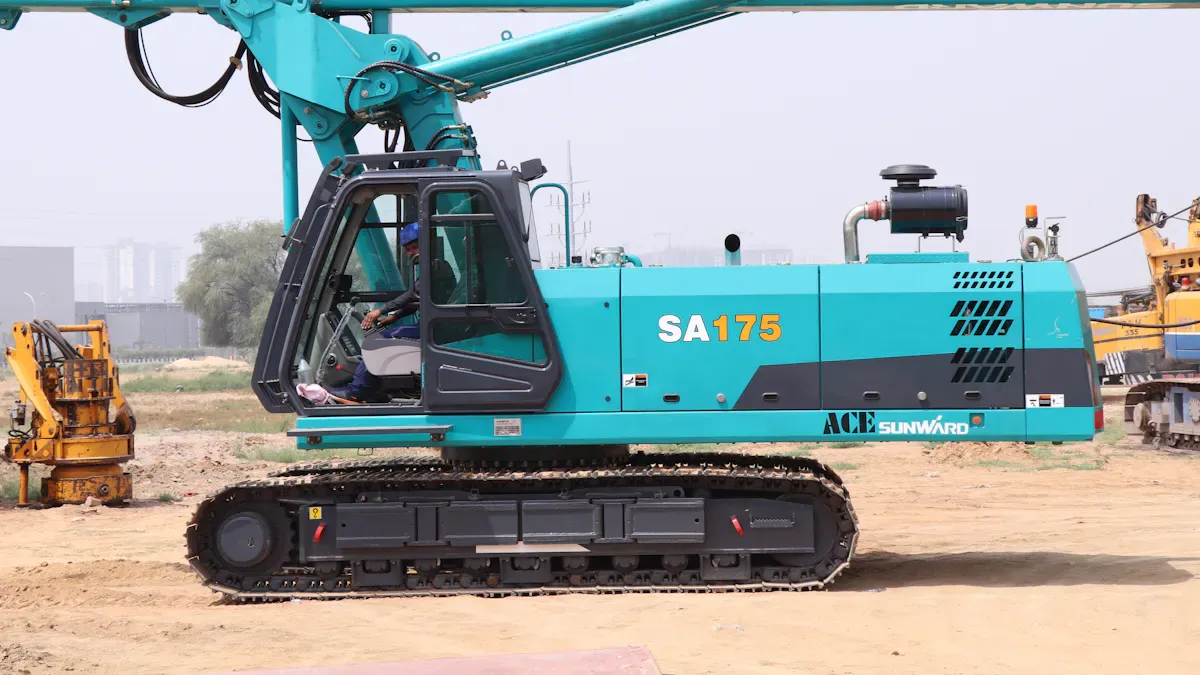
You face a real challenge when you want your pile driver to last for 19,000 hours. CEGC has set high standards for reliable machines. Strong materials, regular checks, and good care help you reach the Pile Driver Equipment 19000hr Durability Beats milestone. Smart habits keep your equipment running longer.
Key Takeaways
-
Regular maintenance is very important. Check your pile driver every week. This helps you find small problems early. Fixing them early stops bigger problems later.
-
Always use the correct oil and lubricants. Follow what the manufacturer says to use. This keeps your engine clean. It also helps parts last longer.
-
Watch alignment carefully. Good alignment stops damage. It also makes sure your pile driver works well.
What 19000hr Durability Means
Defining Equipment Lifespan
You want your pile driver to last a long time. How long it lasts depends on many things. These things include how you care for it, the quality of its parts, and how you use it every day. If you follow regular maintenance routines, you can stop sudden breakdowns. It is better to fix problems before they happen. Doing regular checks helps your machine last longer and work better.
Most diesel hammer pile drivers can last 10 to 20 years if you take care of them. How you use the machine and the skill of the operator matter a lot. If you use the equipment carefully and follow good habits, you can reach the Pile Driver Equipment 19000hr Durability Beats milestone.
Why Durability Matters
Durability gives you many good things. When your equipment lasts longer, you spend less money fixing or replacing it. You also get more value for your money. Here are some ways durability helps you:
-
You spend less on maintenance over time.
-
Your equipment keeps a higher resale value.
-
You finish more work with fewer delays.
|
Benefit Type |
Description |
|---|---|
|
Operational Efficiency |
You finish jobs faster and save on labor costs. |
|
Long-term Investment Returns |
You earn more because your machine works longer and costs less to run. |
|
Safety Improvements |
Better equipment means fewer accidents and lower insurance costs. |
|
Reduced Downtime |
Reliable machines mean you can work more hours without stopping for repairs. |
When you aim for high durability, your work becomes safer, more efficient, and more profitable.
Pile Driver Equipment 19000hr Durability Beats: Key Factors
Sturdy Construction
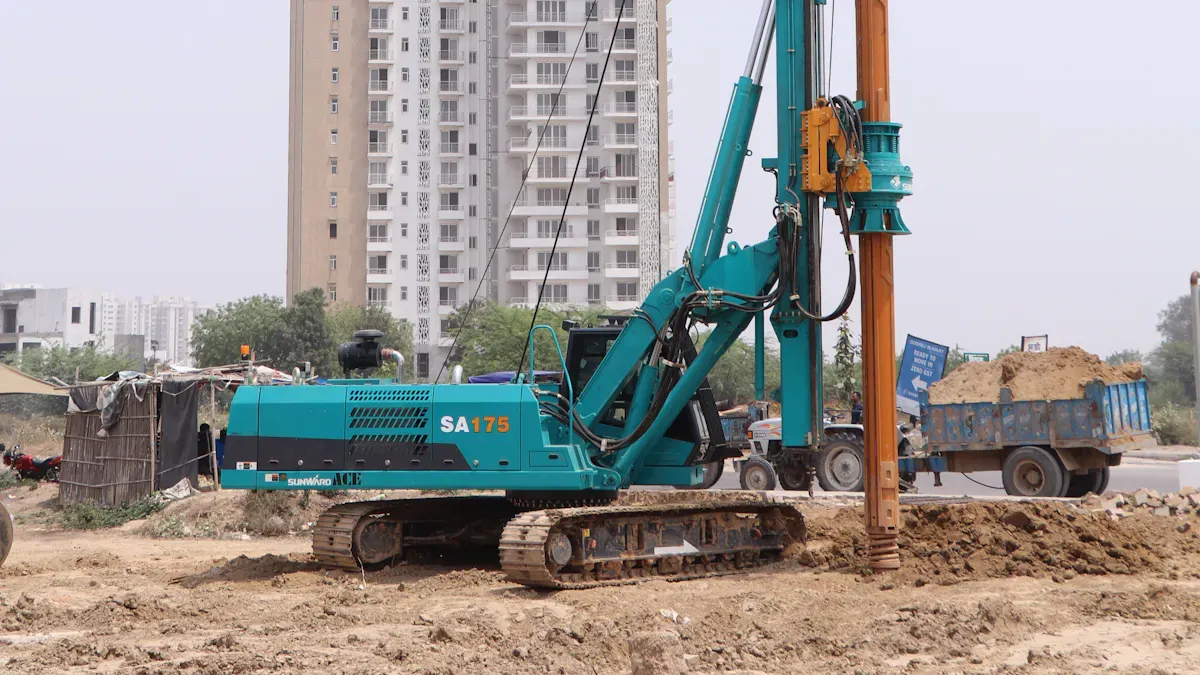
Strong materials and smart design help your pile driver last longer. Manufacturers use tough steel and strong welds to build pile drivers. These machines can handle heavy work and rough places. You should look for thick plates, solid joints, and good fasteners. These parts stop cracks, bending, and wear.
Tip: Always check welds and bolts for rust or weakness. Finding problems early stops bigger issues.
A strong frame keeps the inside parts safe. You get fewer breakdowns and your machine works longer. Picking equipment with good build quality helps your pile driver stay strong.
Energy and Load Calculations
You need to know how much energy your pile driver uses. Each job has different soil and pile sizes. You figure out the energy by checking pile weight, hammer force, and soil resistance. If you use too little energy, the pile will not go deep enough. Too much energy can break the pile or the machine.
Here is a simple checklist for energy and load:
-
Measure pile weight and length.
-
Check hammer details.
-
Test soil strength.
-
Change energy for each job.
You can use dynamic math to guess capacity and stress. E.A. Smith made a method that treats the hammer and pile as masses and springs. This shows how energy moves and what stress the pile faces.
|
Step |
What to Check |
|---|---|
|
Pile Weight |
Use correct measurements |
|
Hammer Force |
Match hammer to pile size |
|
Soil Resistance |
Test soil before you start |
|
Energy Adjustment |
Set hammer energy for each pile |
You get better results by following these steps. Your machine lasts longer and you avoid mistakes.
Wave Equation Analysis
Wave equation analysis helps you see how your pile driver works over time. This method uses math to show how energy moves through the pile and soil. You see how each hit affects the pile and what stress builds up. Wave equation analysis helps you find weak spots before they cause trouble.
Researchers like Zhao and others show that dynamic tests give better predictions. These tests look at how soil changes. You get a clearer idea of how piles work. Machine learning and AI now help with predictions. They help you guess pile capacity in different soils.
-
Software tools read PDA test data for you. You save time and get exact results.
-
AI models use PDA test data and soil info. You get better pile capacity guesses.
-
Neural networks give feedback while you drive piles. You can change your plan right away.
Note: Predictive tools help you plan maintenance and stop sudden failures. You make smarter choices and reach the Pile Driver Equipment 19000hr Durability Beats milestone.
You use these tools to check your machine’s health and performance. You find problems early and keep your pile driver working well.
Maintenance for Maximum Lifespan
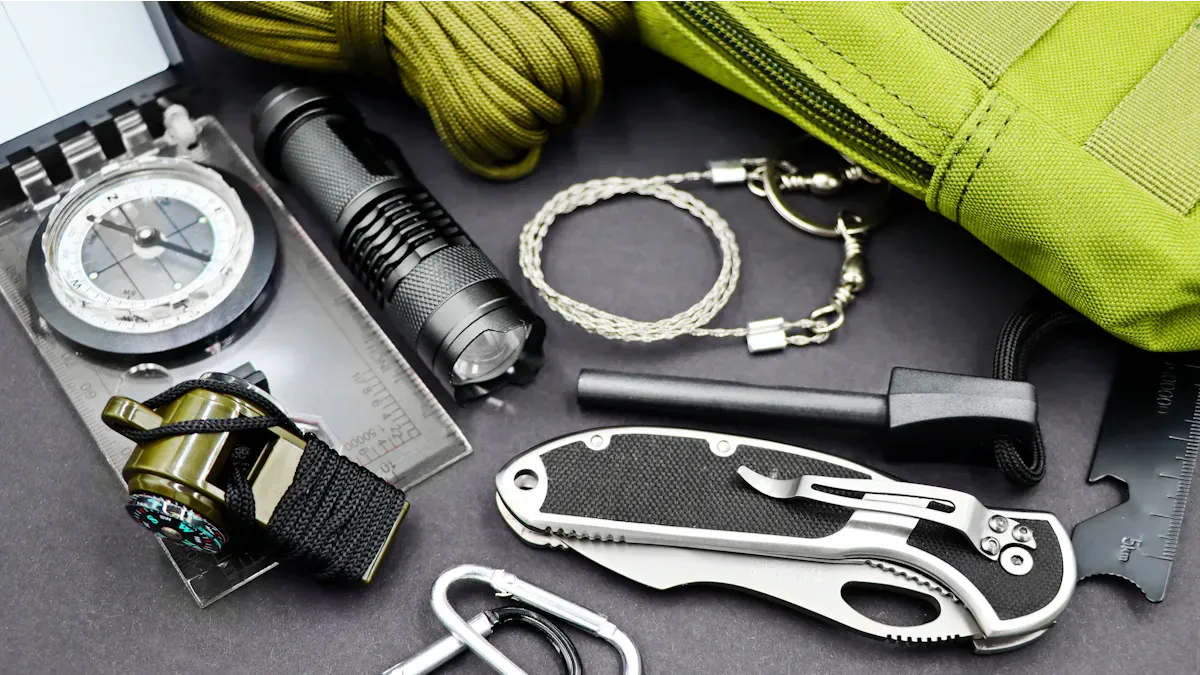
Taking care of your pile driver helps it last longer. You need a good maintenance plan. This plan should have regular checks, oil changes, and daily lists. Good habits keep your equipment safe and working well.
Regular Inspections
You should check your pile driver often. Look for cracks, leaks, or loose bolts. Check the frame and hydraulic lines. Also check moving parts. Early checks help you find small problems. Fix rust or worn parts right away. Use a flashlight to see hidden spots. Write down what you find in a logbook. This record helps you see changes over time.
Tip: Set a reminder to check your pile driver each week. Checking often lowers the risk of sudden breakdowns.
Oil Change and Lubrication
Oil and grease help your pile driver run smoothly. Change the oil every 75 hours. Lubricate moving parts as the manual says. Clean oil protects the engine and other parts. Grease stops metal parts from rubbing and wearing out.
Lubrication is important for maintenance. When you follow a schedule, your machine stays in good shape. You can spot early signs of wear and tear. This helps you fix small issues before they get worse. Keeping records of oil changes and lubrication gives you helpful data. You can use this data to plan future maintenance and avoid downtime.
|
Maintenance Task |
Why It Matters |
|---|---|
|
Oil Change (every 75hr) |
Keeps engine clean and stops damage |
|
Lubrication |
Reduces friction, stops wear, and helps spot early problems |
|
Record Keeping |
Tracks history and helps plan future maintenance |
Note: Always use the oil and grease the manufacturer recommends. Using the wrong type can cause damage.
Daily Checklists and Servicing
Start each day with a checklist. This habit helps you catch problems early. Your checklist should include:
-
Check fluid levels like oil and coolant
-
Inspect hoses and belts for cracks
-
Look at the hammer and pile for damage
-
Test all controls and safety switches
-
Clean dirt and debris from the machine
If you find a problem, fix it before you start work. Daily servicing keeps your pile driver safe and ready. It also helps you avoid expensive repairs later.
You can use a simple code block to make your own daily checklist:
Daily Pile Driver Checklist:
- Oil level: OK / Needs refill
- Hydraulic fluid: OK / Needs refill
- Hoses and belts: No cracks / Replace
- Hammer: No damage / Repair needed
- Controls: Working / Needs attention
- Cleanliness: Clean / Needs cleaning
Following these steps helps your pile driver last longer. Good maintenance means fewer breakdowns, safer work, and longer equipment life.
Common Failure Points
Pistons and Cushion Stacks
You must watch pistons and cushion stacks closely. These parts often break first in pile driver equipment. If you use too much fuel or run the machine wrong, over-stroking can happen. The piston may get bigger and hit the catch cap. Oils or fuel can also collect in the combustion chamber. This makes over-stroking more likely when you start the machine.
To check the cushion stack, try putting a flathead screwdriver into it. If the tool goes in easily, you need to rebuild the cushion stack. This keeps your equipment safe and working well.
What to do if you think there is a piston or cushion stack problem:
-
Stop the hammer right away to stop more damage.
-
Look at the catch cap ring for any damage.
-
Do a dry drop at the start of each shift to clear out oils or fuel.
Alignment Issues
Alignment problems can cause many troubles during pile driving. If piles are not lined up, you may see refusal before reaching the right depth. You may also see bending or twisting. These problems can make the structure weaker. They can also cause more noise or shaking.
|
Symptom |
Description |
|---|---|
|
Pile refusal before depth |
Pile stops early because of bad alignment or resistance. |
|
Deflection or twisting |
Uneven force bends or twists the pile. |
|
Excessive vibration or noise |
Bad alignment causes shaking and loud sounds. |
|
Damage to interlocks or tips |
Hard objects hit because of poor alignment. |
You should always check for piles that are too high or too low during installation.
Signs of Wear
You can find early signs of wear by watching how your pile driver works. Look for more blows needed, sudden changes in blow count, or piles going deeper than you thought. If piles move sideways or shift after being driven, this is also a warning.
|
Failure Point |
What It Means |
|---|---|
|
There may be a soil or equipment problem. |
|
|
Abrupt change in blow count |
There may be soil or pile damage. |
|
Piles driving deeper than estimated |
Soil resistance may be lower. |
|
Shifting or misaligned piles |
You need to fix this right away. |
Tip: Keep a daily log of these signs. Acting early helps you avoid bigger repairs and keeps your equipment running longer.
Troubleshooting and Solutions
Diagnosing Problems
You can find problems early by using smart ways to check. Vibration analysis helps you spot issues before they get worse. You should use different tools to check your pile driver’s health. Each tool gives clues about what could go wrong.
|
Description |
|
|---|---|
|
Time-domain analysis |
Looks at signals over time to find faults. |
|
Frequency-domain analysis (FFT) |
Uses Fast Fourier Transform to find frequency problems. |
|
Time-frequency analysis |
Mixes time and frequency checks for better fault finding. |
|
Envelope analysis |
Finds repeating faults by looking at signal patterns. |
|
Order tracking |
Watches machines with changing speeds to spot faults. |
|
Modal analysis |
Checks how parts move to find resonance problems. |
These methods help you listen for strange vibrations. You can spot cracks or loose parts. If you check your equipment often, you catch problems before they stop your work.
Tip: Write down vibration readings in a logbook. Changes over time can show hidden problems.
Quick Fixes vs. Long-Term Repairs
You have choices when your pile driver needs fixing. Quick fixes help you get back to work fast. But they may not last long. Long-term repairs take more time. They help your equipment last longer and work better.
|
Common Issues Addressed |
Outcomes |
|
|---|---|---|
|
Quick Fixes |
Small leaks in hydraulic systems |
Fixes for now, but problems may come back |
|
Long-term Repairs |
Regular checks and bearing maintenance |
Equipment lasts longer and works better |
|
Quick Fixes |
Ignoring small cracks in impact blocks |
Can cause equipment to fail soon |
|
Long-term Repairs |
Daily and weekly maintenance routines |
Fewer breakdowns and lower costs |
Use quick fixes only for small problems that need fast action. For lasting results, plan regular checks and repairs. This keeps your pile driver safe and strong for many years.
Real-World Durability Success
High-Hour Case Studies
You can find many pile drivers that have reached over 19,000 hours of use. These machines did not last by luck. Operators followed smart practices and used advanced tools. They checked the hammer and pile cushions with a static hysteresis method. This method helped them understand how the cushions acted during each hit. Soil modeling also played a big part. Operators used springs and dampers to see how the soil pushed back. Some teams used non-linear soil models. These models set a yield limit, so you could see how resistance changed as the pile went deeper.
Here is a table of key practices from high-hour case studies:
|
Operational Practice |
Description |
|---|---|
|
Modeling of hammer and pile cushions |
Used static hysteresis to track cushion behavior during compression. |
|
Soil modeling |
Used springs and dampers to show soil resistance. |
|
Non-linear soil modeling |
Set yield limits to predict changing resistance. |
|
Use of dynamic formulae |
Linked hammer blows to pile resistance for real-time checks. |
|
Case Method |
Separated static and dynamic resistance for better field results. |
|
CAPWAP technique |
Used computer tools to refine soil response analysis. |
Lessons Learned
You can learn a lot from these high-hour machines. First, always check your equipment before and after each job. Use real-time data to spot problems early. Try to model both the pile and the soil. This helps you plan for tough jobs. Use dynamic formulae to track how your pile driver performs. The Case Method and CAPWAP give you deeper insights. When you use these tools, you make smarter choices. You keep your pile driver running longer and safer.
Remember: Consistent checks and smart modeling help you reach the 19,000-hour mark. Your daily habits make the biggest difference.
You can get 19,000 hours if you use good habits. Take care of your pile driver often. Experts say you should follow routines to keep it strong. The table shows how easy steps help your machine last longer:
|
Maintenance Step |
How It Helps Equipment |
|---|---|
|
Prevents expensive fixes and stops work delays |
|
|
Proper lubrication |
Helps parts stay good for more time |
|
Alignment monitoring |
Makes sure your machine works well |
FAQ
How often should you inspect your pile driver?
You should inspect your pile driver every week. Regular checks help you find small problems before they become big repairs.
What oil should you use for your pile driver?
Use the oil recommended by your equipment’s manufacturer. The right oil keeps your engine clean and helps parts last longer.
How do you know when to replace the cushion stack?
If a screwdriver goes in easily, you need to rebuild the cushion stack. This test helps you keep your pile driver safe.


