
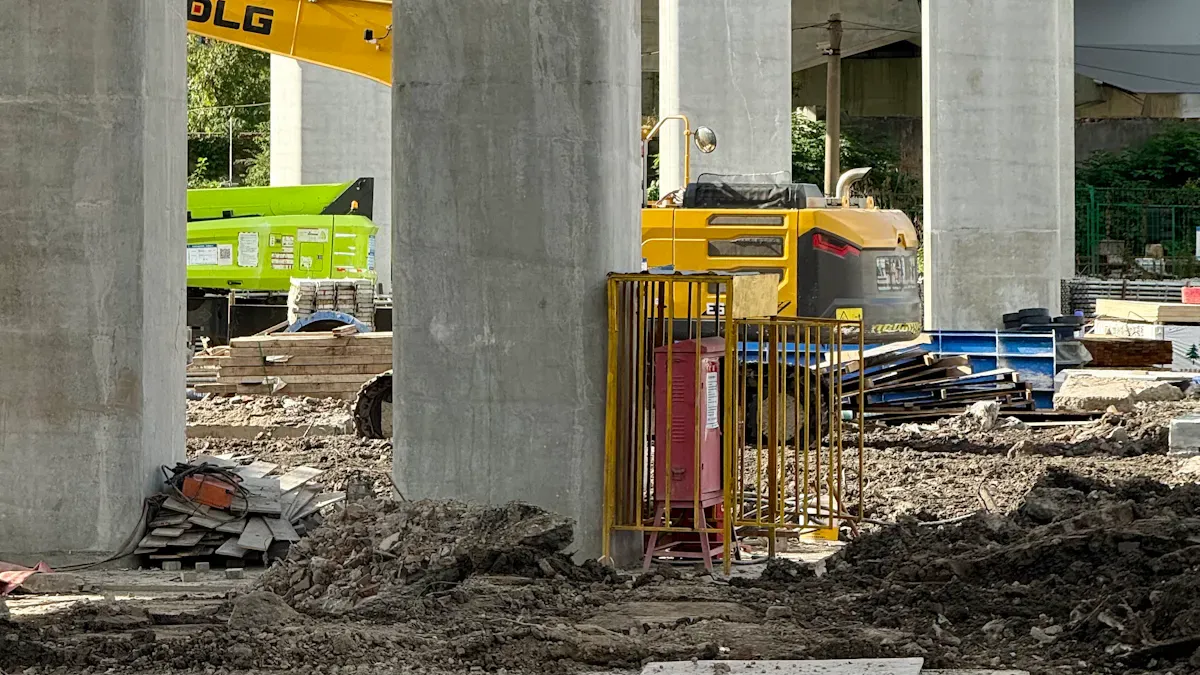
To maintain the pile driver position stable frame never shifts, ensure that you place the piles correctly. A strong guiding frame is essential for preventing any shifting. Before you begin, check if the ground is stable. Utilize your skills and adhere to the CEGC guide. Pay close attention to the alignment and ensure that each part is tight, as this will prevent any movement of the components.
Key Takeaways
-
Make sure the ground is ready by testing the soil and cleaning up trash. This stops the frame from moving when you use the pile driver.
-
Check and tighten all clamps and bolts on the template often. This keeps the frame in place and stops it from getting crooked.
-
Use new alignment tools like lasers or GPS. These tools help keep things straight and steady when you put in piles.
Pile Positioning Factors
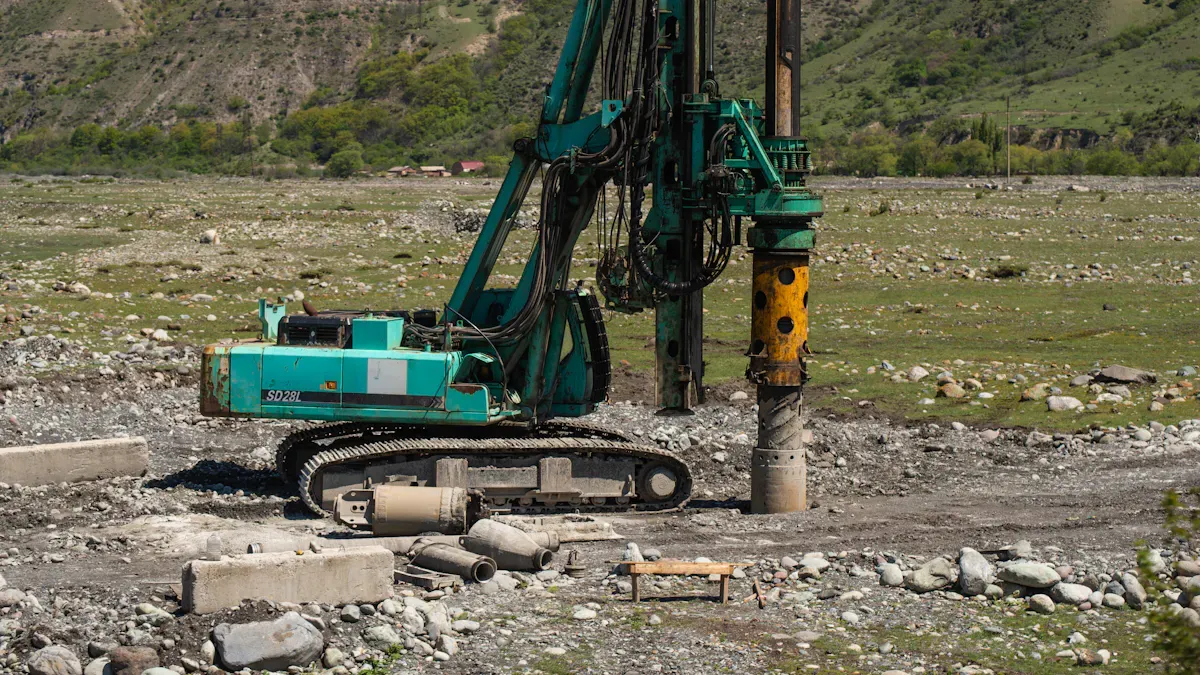
Site Preparation
Every pile driving project starts with getting the site ready. This is important so the pile driver position stable frame never shifts. Engineers test the soil to pick the best driven piles and how to install them. You clean up the site and mark where each pile will go. The table below lists the main steps for site preparation:
|
Step |
Description |
|---|---|
|
Soil Testing |
|
|
Site Clearing |
Remove debris and obstacles from the site. |
|
Equipment Placement |
Designate specific areas for the placement of equipment. |
You also check the groundwater and what the soil is made of. This guide explains why checking the site and planning are important for safety and stability.
Ground Stability Assessment
You need to check the ground before driving piles. Looking at the soil helps you stop problems before they start. Follow these steps to see if the ground is ready:
-
Check soil type and stability.
-
Look for loose sands or clays that may cause trouble.
-
Make sure the ground can support the driven piles.
-
Prevent unexpected sinking or accidents.
A good guide will tell you to keep the pile driving template systems steady at every step.
Alignment and Guiding Frame
You must have perfect alignment to install piles the right way. The template keeps the driven piles straight and in the right place. The table below explains how pile driving template systems work:
|
Component |
Function |
|---|---|
|
Guiding frame |
Provides the template’s shape and stability, ensuring piles are held in the correct orientation. |
|
Positioning elements |
Includes clamps, sleeves, or guides that secure the pile in place, preventing deviation. |
|
Alignment mechanisms |
Utilizes lasers, GPS, or survey equipment for precise alignment according to construction plans. |
|
Adjustment features |
Allows for movement and adjustment of the template to correct misalignments during driving. |
You use the template to guide the driven piles and check alignment often. The guide shows you how to fix the template if it moves. You trust pile driving template systems to keep piles straight and the frame strong. Focusing on alignment and using the template helps your guiding frame stay steady and your project work out well.
Frame Stabilization Guide
Initial Setup
You begin by getting the template and frame ready. The template system helps you put each pile in the right place. You follow simple steps to use the template system. First, you look at the template for any damage or loose pieces. You set the frame down on firm ground. You use survey tools to mark where to install the frame. You check that the template matches the pile’s size and shape. You move the frame so it is flat and not leaning. You lock the template with clamps or bolts. You make sure every part is tight. You use real-time data to check if the foundation is strong enough. This technology gives you quick feedback and helps keep the pile driver position stable frame never shifts.
Tip: Always check the template alignment before you start. This stops mistakes and saves time.
Securing the Frame
You need to keep the frame steady when driving piles. You use clamps, sleeves, or guides to hold the template still. You look at the bolts and fasteners. You tighten them so the frame stays in place. You use adjustment features to fix any problems with alignment. You make sure the guiding frame fits the plan. You use lasers or GPS to get the alignment just right. You pick modern pile driving methods like impact, vibratory, press-in, or rotary systems. These methods help balance how much weight the piles can hold and fit the site needs. You use helical piles in places that need extra care. These piles make less vibration and mess, which helps keep things steady. You check the frame after each change. You make sure the template keeps the piles straight.
|
Advancement Type |
Description |
|---|---|
|
Helical Piles |
Installed by turning, making less vibration and mess, helping stability in careful areas. |
|
Modern Pile Driving Methods |
Use impact, vibratory, press-in, and rotary systems, balancing weight and site needs. |
|
Real-time Installation Data |
Gives quick feedback on how strong the foundation is, making construction safer and steadier. |
Monitoring During Operation
You watch the frame and template while driving piles. You look for any movement or shifting. You keep checking and adjusting to make sure the template stays steady. You check the alignment many times. You use sensors or survey tools to see if the frame moves. You make small changes if you see tilting or shifting. You keep the template clean and clear of dirt. You listen for strange sounds that could mean trouble. You stop working if you see any problems. You fix the issue before starting again. You follow the guide to keep things safe and steady. You write down each step and what happens. You look at the data to do better next time.
Note: Watching closely helps you find problems early. This keeps the frame strong and the template correct.
You use your skills and follow the steps each time. You trust the guide to help you keep the frame steady and the piles in the right spot. You count on the template system to keep your project safe and working well.
Safety Protocols During Operation
Safety Measures and Checks
You have to follow safety rules when using a pile driver machine. These rules help stop accidents and keep people safe. Before starting, look at the template and equipment for damage or loose parts. Always use the guide to check your list. Wear the right safety gear like hard hats, steel-toed boots, and safety belts.
Set up warning signals, like an electric bell, to warn others nearby. Only one person should control the pile driver machine. Everyone must know what the signals mean. Never stand close to the pipe string when it is sinking. Always check bolts, clamps, and template connections to make sure they are tight. If you use water injection or mud suction, talk to the right team members first.
Here is a table that lists the most important safety protocols during operation:
|
Safety Protocols |
Description |
|---|---|
|
Command and Communication |
One person commands the pile driver machine; operators check signals together. |
|
Warning Signals |
Use bells or alarms to warn people to leave the area. |
|
Equipment Checks |
Inspect the pile driver machine and template for tightness and function. |
|
Gradual Start |
Start the pile driver machine slowly and increase speed step by step. |
|
Monitoring Conditions |
Watch current and voltage; stop if you see anything unusual. |
|
Temperature Checks |
Check bearing temperatures and screw tightness often. |
|
Safety Zones |
Keep clear of the pipe string during sinking. |
|
Coordination with Water Injection |
Communicate with others when using water or mud systems. |
|
Use of Safety Equipment |
Wear safety belts when connecting long pipes or piles. |
|
No Maintenance During Sinking |
Never do repairs while the pile driver machine is sinking piles. |
You should use fall protection like guardrails and harnesses. Make sure everyone knows how to stop falls. Check the site often to find soil problems early. Hold safety meetings so everyone stays alert.
Operator Training
You need training before you use a pile driver machine. Training helps you follow the guide and use the template safely. You learn to check tools, find hazards, and wear safety gear. Training also teaches emergency steps and how to use safety features on the pile driver machine.
You must know the rules from OSHA and other safety groups. Training does not end after one class. You keep learning with practice and new lessons. This helps you get ready for any problem. You also learn to use the template and guide to keep piles straight and the frame steady.
Here are some key points for operator training:
-
Learn to check the template and pile driver machine before use.
-
Know how to find hazards and tell someone about them.
-
Practice using safety gear and following safety rules.
-
Study emergency steps and how to act fast.
-
Keep up with new safety rules and updates.
Tip: Always ask questions during training. If you do not understand something about the template or guide, speak up.
Emergency Response
You must get ready for emergencies before you start work. The guide should have clear steps for what to do if something goes wrong. You need to know where the emergency shutoff is on the pile driver machine. You should also know how to use the template to keep the frame steady if you must stop fast.
Make a plan for fire, electrical problems, or injuries. Hold drills so everyone knows what to do. Keep first aid kits and emergency numbers close by. If an accident happens, report it right away and follow the guide for accident checks. This helps you stop the same problem from happening again.
Here is a table of important emergency actions:
|
Emergency Action |
Description |
|---|---|
|
Plan and train for emergencies to ensure quick responses. |
|
|
Accident Investigations |
Analyze incidents to prevent future problems. |
|
Employee Reporting |
Let workers report hazards without fear. |
|
Safety Inspections |
Check the site and template often for new risks. |
|
Personal Protective Equipment |
Use safety gear when hazards cannot be removed. |
Note: Quick action during an emergency can save lives and protect the pile driver machine and template.
You must follow all safety rules during operation. Use the guide and template every time. This keeps your pile driver machine steady and your team safe.
Troubleshooting Frame Shifts
Common Mistakes
You may see the frame shift if you make some common mistakes. You might forget to check the template before you start. You may not line up the piles with the template. You could use old piles that do not fit the template well. You might skip steps in the guide. You may also tighten bolts unevenly. These mistakes can cause the pile driver position stable frame never shifts problem to appear.
Tip: Always follow the guide and check the template before you drive piles.
Identifying Causes
You need to find out why the frame shifts. Look at the template for loose clamps or worn parts. Check if the piles move inside the template. Watch for gaps between the piles and the template. Use a table to help you spot the causes:
|
Problem |
What to Check |
|---|---|
|
Frame moves |
Loose template clamps |
|
Piles tilt |
Wrong template alignment |
|
Gaps in template |
Worn or wrong template parts |
|
Old piles shift |
Piles do not fit the template |
You should write down what you see. This helps you fix the problem faster.
Quick Fixes and Prevention
You can fix frame shifts by using the template the right way. Tighten all clamps and bolts on the template. Replace any worn template parts. Use only piles that fit the template. Check the guide for each step. Clean the template after you finish. Watch the piles as you drive them. If you see a shift, stop and fix it right away.
Note: A clean and tight template keeps your piles straight and safe.
You can stop problems before they start. Always use the guide, check the template, and pick the right piles for your job.
Maintenance for Stability and Safety
Inspection Schedule
You need a simple inspection schedule to keep things safe. Daily checks help you find problems early. You look for loose bolts and worn parts on the template. You also check for dirt that could cause trouble. You look at piles for cracks or movement. You check the foundation and support systems to make sure they are strong. You follow a routine that matches how much you work and the site’s conditions. The table below shows how often to do each maintenance job:
|
Maintenance Type |
Frequency |
Key Activities |
|---|---|---|
|
Daily Maintenance |
After each workday |
Clean debris, check oil levels, lubricate moving parts, monitor instrument panel for abnormalities. |
|
Level 1 Maintenance |
Every 50-100 hours |
Tighten connections, check braking system, verify pressure settings, ensure hydraulic system is leak-free. |
|
Level 2 Maintenance |
Every 300-500 hours |
Disassemble key components, inspect wear, replace seals and filters, test electrical connections. |
|
Targeted Maintenance |
As needed |
Apply rust prevention in corrosive environments, adjust maintenance for dusty or low-temperature conditions. |
You keep your piles and template working well by following this schedule. You also protect your foundation and support systems.
Cleaning and Lubrication
You clean the template after every use. You remove dirt and debris from piles and pile foundations. You use the right oil to make moving parts smooth. You check helical pile foundations for rust and stop it if needed. You make sure the template is easy to move and adjust. You clean the support systems so they work well. You keep the foundation strong by stopping rust and wear. You check the template for sticky spots and fix them fast.
Tip: Clean and oil your template and piles often. This keeps your pile-supported foundations safe and steady.
Reporting Issues
You must tell someone if you find problems with the template, piles, or pile foundations. You write down what you see during checks. You keep logs of all maintenance and repairs. You record problems with the foundation or support systems. You follow these steps to keep track of your work:
-
Write down inspections and certifications for rules.
-
Record service requests and what you did.
-
Plan maintenance using the manufacturer’s guide.
-
Keep training records for workers and maintenance staff.
You help your team fix problems faster by reporting issues. You keep your template, piles, and helical pile foundations safe. You help keep your pile foundations and foundation steady.
You make sure the pile driver position stable frame never shifts by doing these things:
-
Look at the hydraulic systems and frame often.
-
Use laser guides or GPS to help with alignment.
-
Teach your team and set up safety zones.
-
Watch for misalignment and fix it quickly.
|
Maintenance Tips |
Description |
|---|---|
|
Check equipment before and after you use it. |
|
|
Preventive maintenance |
Follow the schedule in the manufacturer’s instructions. |
Stay alert and act early so the frame does not shift.
FAQ
What keeps the pile driver frame from shifting?
You secure the frame with clamps and bolts. You check alignment often. You use guiding frames to keep everything steady.
How do you check if the ground is stable for pile driving?
You test the soil for strength. You look for loose sand or clay. You use deep foundation systems when the ground needs extra support.
What should you do if the frame shifts during operation?
Stop work right away. Check clamps and bolts. Adjust the guiding frame. Restart only after you fix the problem.


