
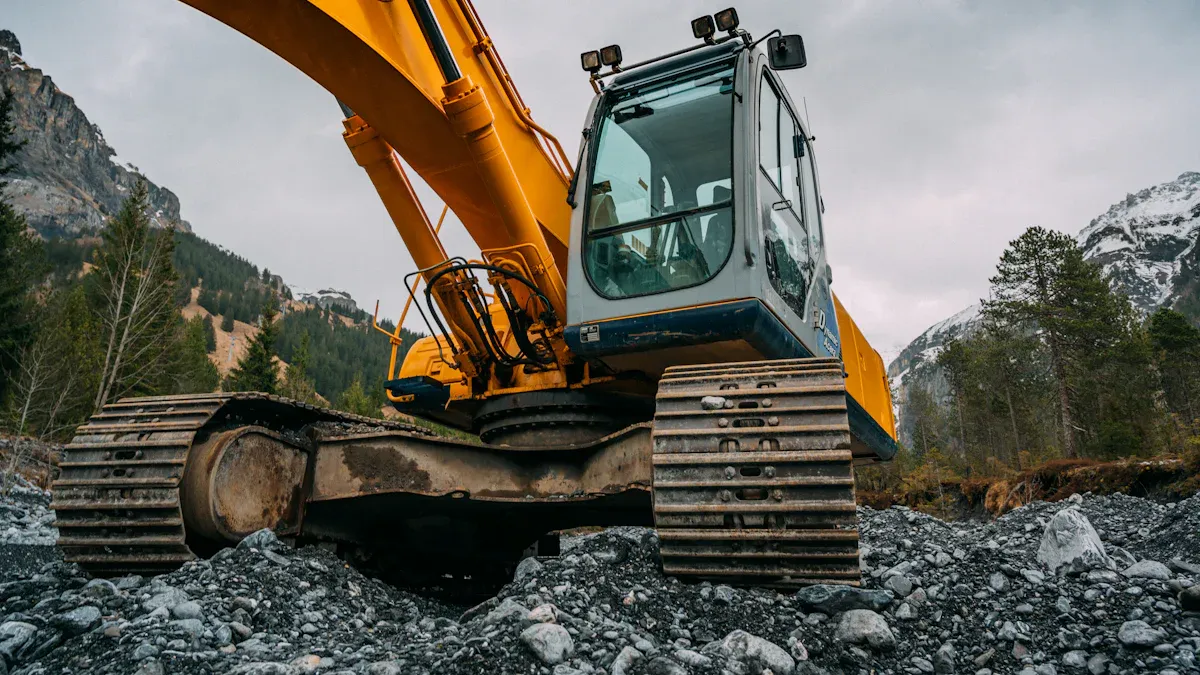
You keep everyone safe at work when you make safety and maintenance a habit for pile driver steady base system controls. Regular checks help you stop breakdowns and keep work going well. CEGC says you should check for stability and wear PPE. If you skip checks or training, you have more risks.
-
Checks can stop about 30% of work delays.
-
Training helps workers remember to do maintenance jobs.
Key Takeaways
-
Checking pile driver systems often can stop about 30% of work delays. Do inspections every day to keep things running well.
-
Teaching your team about safety and how to care for equipment is very important. It helps workers know what to do and keeps them safe.
-
Use a maintenance checklist to keep track of jobs each day, week, and month. This makes sure all safety steps are done and equipment stays in good shape.
Understanding Steady Base System Controls
What Are Steady Base System Controls?
Pile driver steady base system controls help keep equipment steady and safe. These controls let you move and place the pile driver the right way. Every part in the system does something important. The table below lists the main parts and what they do:
|
Component |
Function |
|---|---|
|
Lead |
Lets you change the lead angle when driving piles. |
|
Hammer Cushion |
Stops the hammer and pile from getting too much stress when hit. |
|
Helmet |
Lines up the pile head and hammer so driving is correct. |
|
Pile Cushion |
Takes in the shock on concrete piles, made from layers of plywood. |
You should check these parts before you use the system. Keeping them in good shape helps the machine work well and keeps everyone safer.
Why Safety Matters in Pile Driving
Focusing on safety helps protect you and your team. Pile driver steady base system controls help keep the base flat and steady. This makes it easier to drive piles the right way and lowers the chance of accidents. The table below shows how these controls help with safety and using the system:
|
Aspect |
Importance |
|---|---|
|
Stability and Leveling |
Keeps the base steady for safe and correct pile driving. |
|
Operational Controls |
Makes sure all controls work well for good system use. |
If you do not think about safety, you can face dangers like bad ground or working near deep holes. These problems can make the rig fall over or the ground break. You should always look at the ground and support the area before you start. Taking care of pile driver steady base system controls and checking them often keeps you safe and helps your equipment last longer.
Pile Driving Safety Precautions
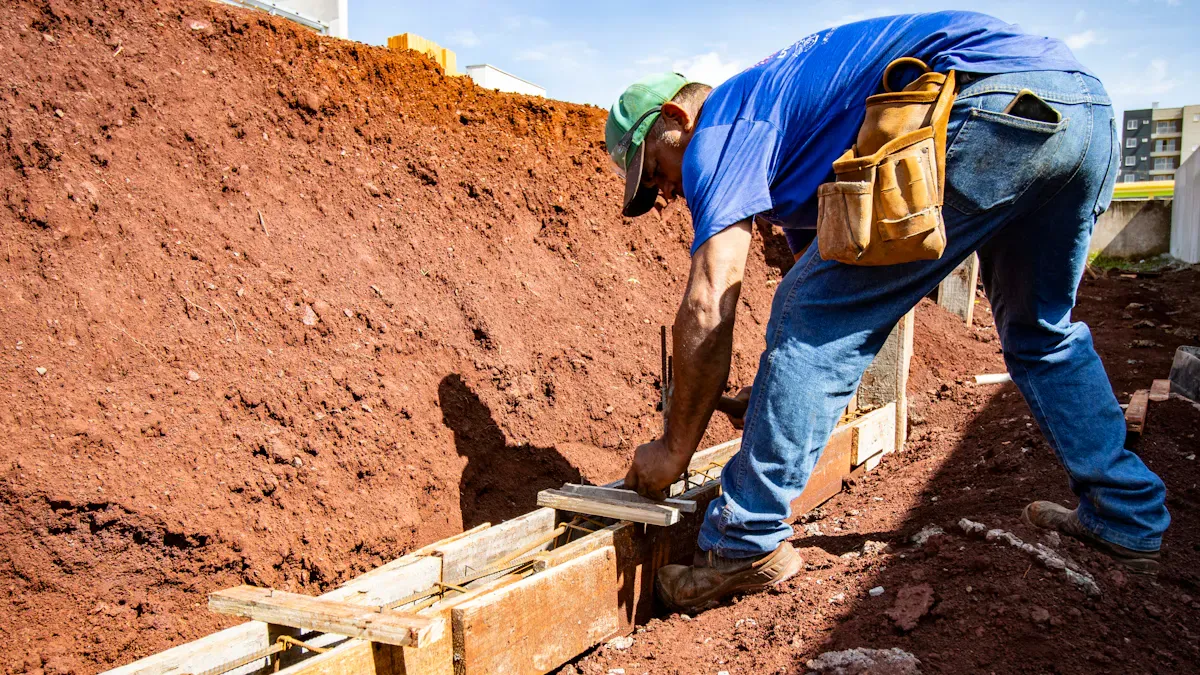
Operator Training and PPE
You need to be safe when using pile drivers. Training teaches you how to use safety devices and equipment. You learn to see dangers and act fast. Always wear PPE like a hard hat, gloves, and boots. Check safety signs before you start working. These signs tell you the rules and show where safety devices are. The operator cabin should be clean and tidy. Do not leave loose things in the cabin.
Emergency Procedures
You must know what to do if there is an emergency. Every pile driver has an emergency stop button. You should know where it is and how to use it. If you see danger, press the stop button right away. This can stop injuries and keep your team safe. You also need to know how to use alarms and fire extinguishers. Practice emergency drills often. Drills help you stay calm and act fast in real emergencies.
Pre-Operation Inspections
Always follow safety steps before you start work. Check all safety devices and equipment for damage or missing parts. Never fix or adjust equipment while it is running. Put all guards back after you finish checking. Make sure all safety steps are ready. Check that the area is safe and clear of hazards. Good inspections help you keep everyone safe and stop accidents.
Tip: Make a checklist for safety steps. Look at it before each shift to keep everyone safe.
Steady Base System Maintenance
You have to keep your pile driver steady base system controls working well. Good care keeps your equipment safe and running right. You should use a checklist every day, week, and month. This helps you find problems early and save money on repairs.
Daily Stability and Level Checks
Check the stability and level at the start of each shift. Put the pile driver on flat ground. Use the controls to make sure the base is level. Look at the bubble level or digital gauge. If the base is not level, fix it before you work. Watch for shifting or sinking signs. If the ground is uneven, move the machine to a safer place. Daily checks help you find problems before they get worse.
Tip: Write down your stability check results on your checklist. This helps you see changes over time.
Visual Inspection for Loose Parts
Looking for loose parts is important for pile driver care. Walk around the machine and look for loose bolts, nuts, or pins. Check clamps and housing for cracks or damage. Make sure all guards and covers are in place. If you find a loose part, tighten it right away. Do not ignore missing or broken parts. Write down any problems and tell your supervisor.
You should also look for leaks under the machine. Check the hydraulic lines and hoses. If you see oil or fluid on the ground, stop and fix the leak before you go on. Regular checks keep your pile driver steady base system controls safe and working well.
Lubrication and Fluid Levels
Lubrication is a big part of regular care. Grease all moving parts like hinges, joints, and bearings. This helps stop friction and wear. Check the clamp housing grease every day. If it looks dry, add more grease. You should also check the piston for lubrication. It should look a little wet. If it is dry, add lubricant right away.
Check the engine oil before you start the machine. Low oil can hurt the engine. Look at the oil color. If it is dark or dirty, change it at your next maintenance. Check the coolant level to stop overheating. Look at hydraulic lines for leaks or wear. Fix leaks right away to protect the hydraulic system.
Here is a table of best ways to check and care for lubrication and fluid levels:
|
Best Practice |
Description |
|---|---|
|
Follow Manufacturer Recommendations |
Always use the rules from the manufacturer for care and lubrication. |
|
Regular Greasing |
Grease moving parts often to stop friction and wear. |
|
Monitor Engine Oil |
Check oil level and quality to keep the engine safe. |
|
Check Coolant Levels |
Make sure coolant is at the right level to stop overheating. |
|
Inspect Hydraulic Lines |
Look for leaks or damage to keep controls working well. |
You should use these best ways as part of your regular and preventative care plan.
Control Functionality Checks
Controls need to work well to be safe. Test all controls before you start work. Move the levers and switches to make sure they work fast. If you see slow or sticky controls, tell someone. Check the emergency stop button. It should work every time you press it. Test alarms and warning lights. Change any broken bulbs or fuses.
You should check the control system during every check. This means daily, weekly, and planned care. If you find a problem, fix it before you use the machine. Good control checks help you stop accidents and keep your team safe.
Maintenance Checklist for Pile Driver Steady Base System Controls
You should use a checklist to track all pile driver care jobs. This helps you remember every step and keeps your equipment in good shape. Here is a sample checklist you can use:
-
Daily:
-
Check stability and level of the base.
-
Look for loose or missing parts.
-
Check clamp housing grease and add if needed.
-
Look for leaks under the machine.
-
Test all controls and emergency stop.
-
-
Weekly:
-
Check all hydraulic lines and hoses.
-
Check engine oil and coolant levels.
-
Grease all moving parts.
-
Review the checklist for missed items.
-
-
Long-term (Monthly or as recommended):
-
Change engine oil and filters.
-
Replace worn or broken parts.
-
Test alarms and warning lights.
-
Review service times and update records.
-
Note: Always follow the manufacturer's rules for service times and planned care. This keeps your pile driver steady base system controls safe and working well.
Regular care, preventative care, and checks are the best ways to keep your pile driver running right. Good care helps you stop breakdowns and keeps your team safe. Use your checklist every day and update it after each check or service.
Troubleshooting and Prevention
Common Issues and Warning Signs
You might see signs before an accident happens. Controls can be slow or not work right. Strange noises may come from the machine. Leaks under the pile driver are a warning. Loose bolts or parts mean you should stop and check. If the pile driver shakes or tilts, there is a problem. These signs show you need pile driver maintenance soon. Ignoring them can cause accidents or even more than one accident in a day. Always pay attention to warning signs to help prevent accidents.
Preventive Actions
You can stop many accidents with good pile driver maintenance. Make a regular plan for checks and repairs. Use this table to help you plan your pile driver maintenance:
|
Frequency |
Tasks |
|---|---|
|
Daily |
Quick walkaround, check engine-related items, fluid levels, and lubricate hammer point every 4 hours. |
|
Weekly |
Change engine oil, check cooling fan V-belt tension, clean radiator fins, and adjust wear pads. |
|
Bi-weekly |
Inspect safety signs, check hardware, machine frame, electrical harness, and hydraulic system. |
Follow this plan to keep your equipment safe. Good pile driver maintenance helps you stop breakdowns and prevent accidents. Always check safety signs and change them if they fade. Keep a record of all pile driver maintenance jobs. This habit helps you find problems early and avoid accidents.
Tip: Check your pile driver maintenance log every week. This small step helps you spot problems before they cause an accident.
When to Seek Professional Help
Sometimes, you cannot fix a problem by yourself. If you see leaks again and again, electrical faults, or broken safety devices, call a professional. Do not try to fix hard problems alone. A trained technician can do advanced pile driver maintenance and keep your equipment safe. If you have an accident or almost have one, ask for a full inspection. This step helps prevent accidents and keeps your team safe.
Quick Safety & Maintenance Checklist
You can keep your worksite safe with a good checklist. This checklist helps your equipment work well every day. Use it before you start working. It helps you find problems early. This keeps your pile driver maintenance on track. A good checklist covers all important parts of steady base system controls.
-
Look at the machine for damage, rust, or worn spots.
-
Make sure the pile driver is flat and steady. Put out all stabilizers.
-
Check winches and cables for wear. Add oil if they need it.
-
Look at load-bearing parts for cracks or bends.
-
Test each control to see if it works right and smooth.
-
Follow the manufacturer's rules for care and adding oil.
-
Make sure all workers know safety and pile driver maintenance.
Tip: A checklist helps you remember every step. It also helps you show you followed safety rules if someone checks.
You can use this table to plan your pile driver maintenance jobs and keep your checklist current:
|
Maintenance Task |
Frequency |
|---|---|
|
Check eccentric bearings (if your machine has them) |
|
|
Reduce servicing intervals in extreme temperatures |
Half of the time listed in your manual |
|
Reduce servicing intervals in dusty or sandy areas |
One-third of the time listed in your manual |
|
Run power drivers |
Every 30 days or less |
|
Change gearbox oil |
Weekly or when oil looks black or milky |
|
Check and change oil for clamp attachments |
Regularly, if your machine uses them |
A checklist helps you stay neat and not forget steps. When you use a checklist, you make things safer and lower accident risks. You also make sure your pile driver maintenance follows the rules. Keep your checklist where everyone can see it. Update your checklist after each job to keep your pile driver maintenance strong.
You keep your pile driver safe with strong maintenance habits. Use a checklist every day for maintenance. A checklist helps you spot problems early. Good maintenance means fewer breakdowns. Train your team on maintenance steps. Always follow your checklist. Make safety and maintenance your top goals. Share your checklist with your crew.
FAQ
What does compliance mean for pile driver steady base system controls?
You follow compliance when you meet all safety rules and standards. Compliance keeps your work safe and helps you avoid fines or shutdowns.
How do you check compliance every day?
You use a checklist for daily inspections. You look at each part and record your results. Compliance means you do not skip steps or ignore problems.
Why is compliance important for your team?
Compliance protects your team from injury. You show you care about safety. You also keep your equipment working well and avoid legal trouble.
Tip: Review compliance rules with your team each week. This helps everyone remember the steps and stay safe.


