
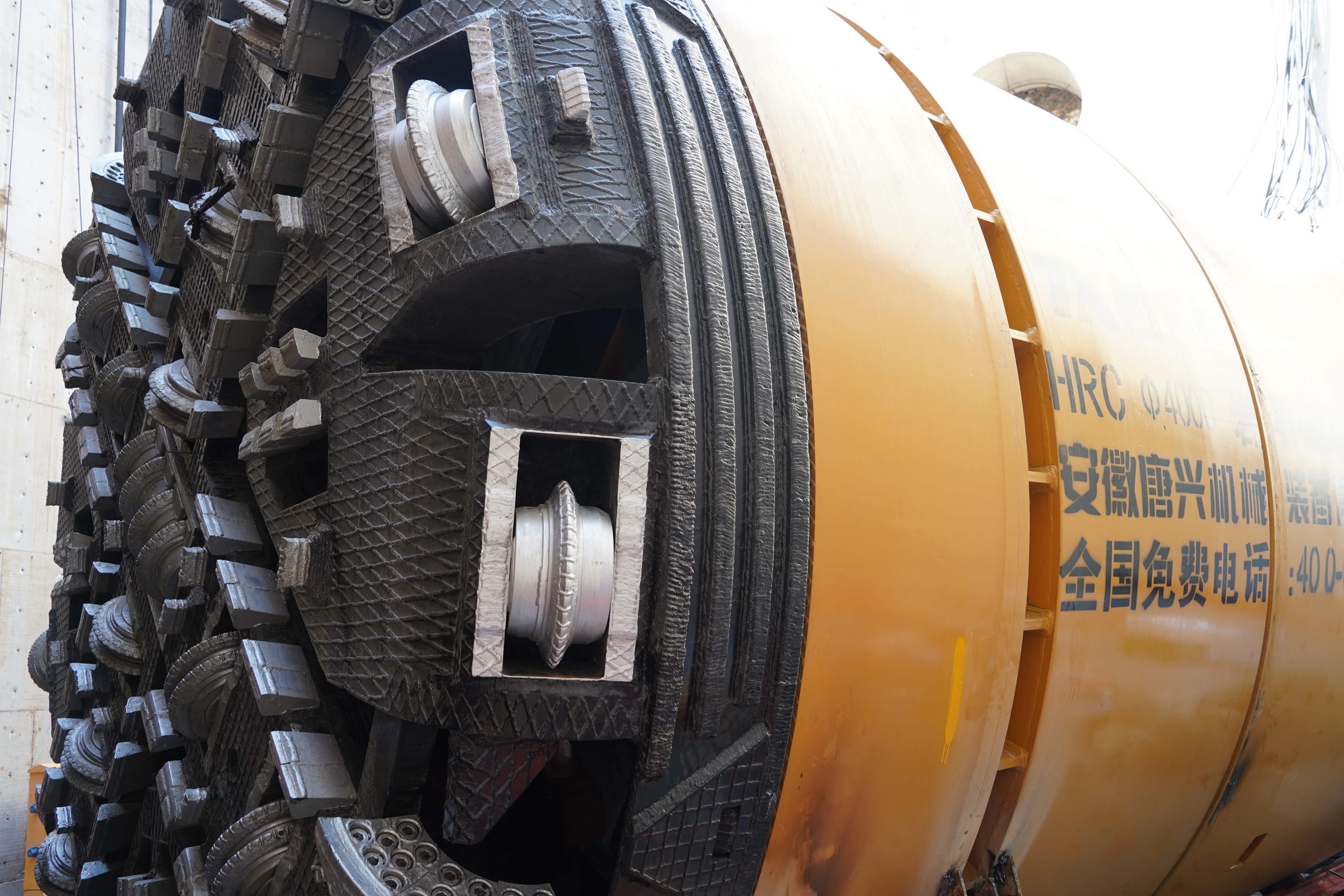
You control the success of your tunnel boring machine when you act early. If you wait too long to swap cutters, you increase costs and risk delays. Plan cutter swaps early or the TBM machine pays later. CEGC helps you avoid these setbacks by supporting smart cutter maintenance.
Key Takeaways
-
Plan cutter swaps early so you do not have delays or extra costs. Doing maintenance early helps your TBM work well and saves money.
-
Use real-time data to watch how cutters are working. This helps you see wear early and plan swaps on time. This makes the work better.
-
Check cutter condition often and change maintenance times if needed. Doing this before problems happen can save 10-20% of costs.
TBM Cutters and Tunneling Efficiency
Cutter Condition and TBM Performance
Your TBM works best when cutters are in good shape. Sharp and cared-for cutters help the TBM move through rock and dirt easily. Each cutter’s design and specs matter for different ground types. For example:
-
How rock layers sit and their shape changes how cutters work.
-
If the rock breaks easily, the TBM can go faster and work better.
-
Changing cutter shape and settings helps your TBM do well in any ground.
You can check how your TBM is doing by looking at torque. If all disc cutters work right, torque does not change much. If torque changes, a cutter might be worn or not working. Checking often helps you find problems early and keep the TBM running well.
|
Performance Metric |
Value |
|---|---|
|
Average Penetration Rate |
39 mm/min |
|
Peak Penetration Rate |
70 mm/min |
|
Monthly Advance Rate |
215 m |
|
Cutter Life Improvement |
2105 m³ per PCT |
|
Torque Reduction |
52% |
|
Thrust Reduction |
36% |
|
Penetration per Revolution Increase |
18% |
Impact on Tunneling Project Timelines
Worn cutters can slow down your tunneling job. When disc cutters get old, the TBM needs more power to cut. This means higher torque and longer work times. The TBM may move slower, and you might need to swap cutters more often. Some teams had to change many cutters in hard ground, which slowed the project.
-
More power is needed as cutters wear out.
-
Drilling gets slower when disc cutters are worn.
-
Changing cutters more often means more stops for the TBM.
If you check cutters often and replace them early, you avoid delays. Watching cutter shape and how they work keeps your TBM fast and your project on time.
Cost of Delayed Cutter Swaps
Downtime and Unexpected Expenses
If you wait too long to change cutters, it costs a lot. Every time your TBM stops for a surprise cutter swap, you lose time. Stopping work can last hours or even days. Each day lost can cost thousands or even millions. You also pay more for workers and repairs if you need extra help fast. Waiting for new disc cutters or special services makes the cost go up quickly.
Note: When workers and machines are not working, you still pay them. No tunneling gets done during this time. This wasted time makes your project cost more.
Here is how waiting to swap cutters hurts your money:
|
Financial Impact Type |
Description |
|---|---|
|
Extended Downtime Costs |
Lost work time can cost thousands or even millions of dollars. |
|
Labor and Repair Expenses |
Needing more workers and repairs makes your costs higher. |
|
Logistical and Supply Chain Impacts |
Delays can mean fines and more money spent on shipping. |
|
Opportunity Cost of Resources |
You pay workers even when tunneling stops. |
|
Lifecycle and Reliability Costs |
Bad cutter swaps cause early breakdowns and more future costs. |
Machine Wear and Reduced Efficiency
If you do not change disc cutters soon enough, your machine wears out faster. Worn cutters make your TBM work harder and break down more. This means you pay more for fixing and keeping your TBM running. Old disc cutters can hurt other parts of your machine. If a cutter breaks without warning, your project loses even more time and money.
-
More wear means you fix your TBM more often.
-
Waiting to swap cutters makes parts and repairs cost more.
-
Surprise stops can make your project slower and more expensive.
-
You lose money if you miss goals or delay shipments.
-
Overtime pay goes up when you try to catch up after stops.
You can save money by planning cutter swaps early. Keeping disc cutters sharp lowers wear and surprise costs. Good cutter care keeps your TBM working and your project moving forward.
Plan Cutter Swaps Early for TBM Success
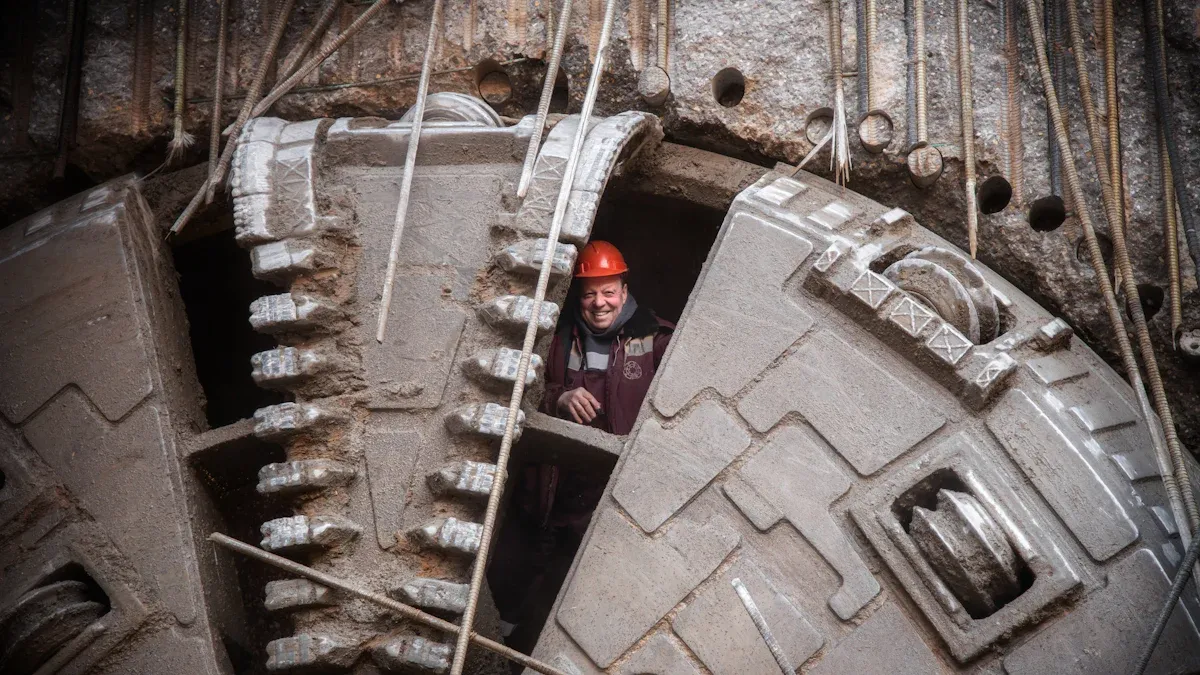
Strategies for Early Cutter Maintenance
You can make tunneling faster and more reliable if you plan cutter swaps early. If you wait too long, the tbm machine pays later. Good maintenance means knowing how your cutters are doing and when they need help. You should use real-time data to watch disc wear and cutter performance. This helps you stop sudden breakdowns and keeps your tbm working.
Modern tunneling teams use smart systems to check cutter wear. For example, SmartCutter technology uses sensors to measure vibration, temperature, and rotation. The system sends information to your screen and warns you if something is wrong. You can see cutter positions and cutting conditions right away. This makes it easier to plan repairs and avoid big problems.
|
Feature |
Description |
|---|---|
|
System Name |
SmartCutter |
|
Functionality |
Monitors cutter wear using sensors for vibration, temperature, and rotation |
|
Data Transmission |
Uses radio or cable connections for data transfer |
|
Alerts |
Notifies operators of anomalous conditions like high temperatures or vibrations |
|
User Interface |
Displays cutter positions and operational parameters on the TBM screen |
You can also use sound and vibration sensors. These sensors help you guess disc wear very well. Machine learning tools can read these signals and tell you when a cutter needs to be changed. This keeps your tbm working its best and makes it last longer.
Real-time monitoring gives you many benefits:
|
Evidence Description |
Benefit to Maintenance Scheduling |
|---|---|
|
Real-time cutter rotational speed data helps calculate cutter diameter for planning. |
Reduces inspection frequency, leading to less downtime. |
|
Early detection of problems with SmartCutter instrumentation alerts operators. |
Allows for timely intervention before failures occur. |
|
Real-time information on cutting conditions enables adjustments to operations. |
Optimizes operational setup, improving overall maintenance efficiency. |
You should also follow a clear maintenance schedule. Use condition-based checks and change times. Replace bearings and disc cutters when real-time data says, not just after a set number of hours. This way can save 10–20% of costs and make your tbm last longer.
|
Strategy Type |
Description |
Recommended Interval |
|---|---|---|
|
Condition-based interventions |
Implementing interventions based on real-time data (e.g., vibration analysis) |
10–20% cost reduction |
|
Scheduled bearing replacement |
Replacing bearings at specific intervals to avoid failures |
10,000–12,000 hours |
|
Dynamic maintenance intervals |
Utilizing actual operating hours and condition indicators for maintenance |
Based on real-time data |
Here are steps you can follow to plan cutter swaps early or the tbm machine pays later:
-
Watch disc wear and cutter performance with real-time data.
-
Use SmartCutter or other systems for warnings and feedback.
-
Plan repairs based on cutter condition, not just time.
-
Change bearings and disc cutters before they break.
-
Teach your team to spot early signs of wear and cutting problems.
-
Keep extra cutters and parts ready for quick swaps.
-
Check maintenance logs to help with future planning.
When you use these ideas, you save money, work faster, and make your tbm last longer. You also make tunneling more reliable and keep your project on track.
Real-World Scenarios: Early vs. Late Swaps
You can see the difference between early and late cutter swaps in real jobs. In one city tunneling project, the team used real-time checks and planned swaps. They kept their tbm running with few stops. The project finished on time, and the team saved money on repairs and workers. The cutters lasted longer, and disc wear stayed low. This way made the tbm work better and last longer.
In another case, a team waited too long to swap disc cutters. The tbm stopped a lot because of sudden problems. The project was late, and costs went up. Workers spent more time fixing the machine. Other parts wore out faster, and the team lost money. The tunneling was less reliable, and the project missed important deadlines.
Tip: Plan cutter swaps early or the tbm machine pays later. Early swaps mean fewer breakdowns, better performance, and higher efficiency.
You can see that early maintenance gives better results. You keep your tbm in good shape, and tunneling goes smoothly. You also protect your equipment and make it last longer.
CEGC helps you with smart monitoring tools, expert advice, and good spare parts. You get help with planning, repairs, and buying parts. This support helps you save money, work better, and keep your city tunneling projects reliable. When you plan cutter swaps early or the tbm machine pays later, you help your project succeed.
You keep everyone safe in every underground job when you plan cutter swaps early. Technology that checks cutter wear helps make things safer. Using real-time data makes safety even better. When you focus on safety, there are fewer breakdowns. Safety helps your team pay attention. It lowers risk for everyone. Safety helps you reach your goals. It also saves money. Safety lets technology do its job well. It helps people trust each other. Safety helps underground work move forward. You are the one who starts safety.
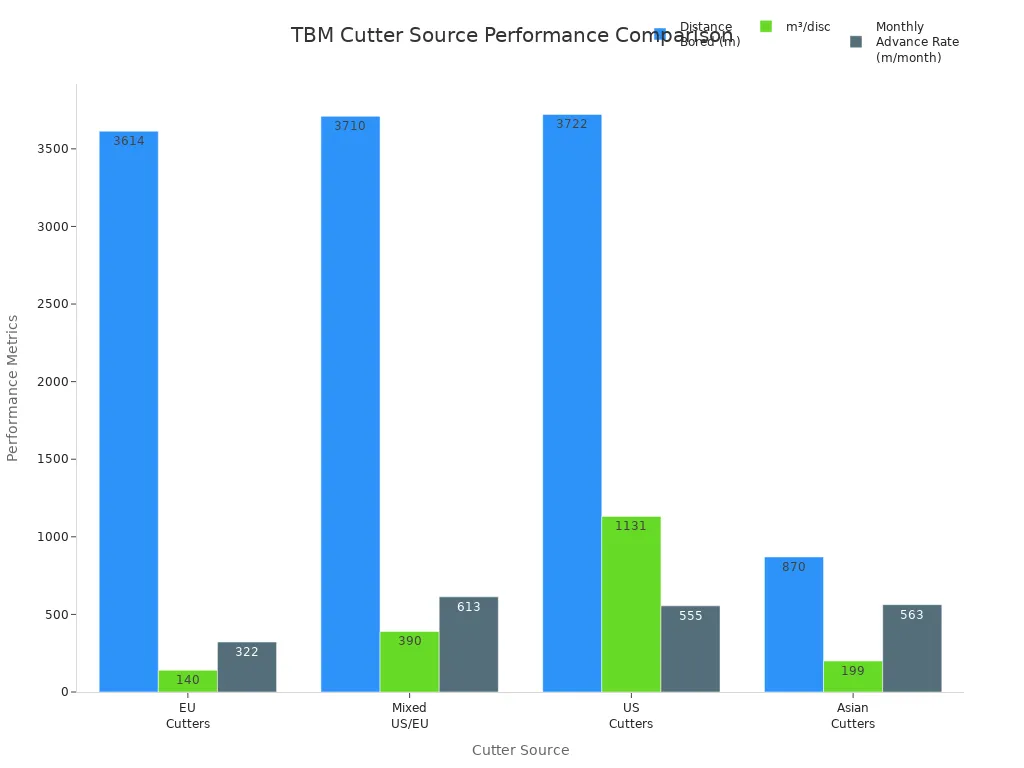
|
Distance Bored (m) |
Discs Consumed |
m³/disc |
Monthly Advance Rate (m/month) |
|
|---|---|---|---|---|
|
EU Cutters |
3,614 |
1,479 |
140 |
322 |
|
Mixed US/EU |
3,710 |
543 |
390 |
613 |
|
US Cutters |
3,722 |
N/A |
1,131 |
555 |
|
Asian Cutters |
870 |
N/A |
199 |
563 |
FAQ
What is the best way to monitor TBM cutter wear?
You should use real-time data systems. These systems help you see cutter wear early. This keeps your tunnel boring machine working well.
How often should you plan cutter swaps in hard rock?
You should check cutter condition daily in hard rock. Early swaps prevent breakdowns and keep your project on schedule.
Does early cutter maintenance save money?
Yes. Early maintenance reduces downtime and repair costs. You get more operational savings and finish your underground structures faster.


