
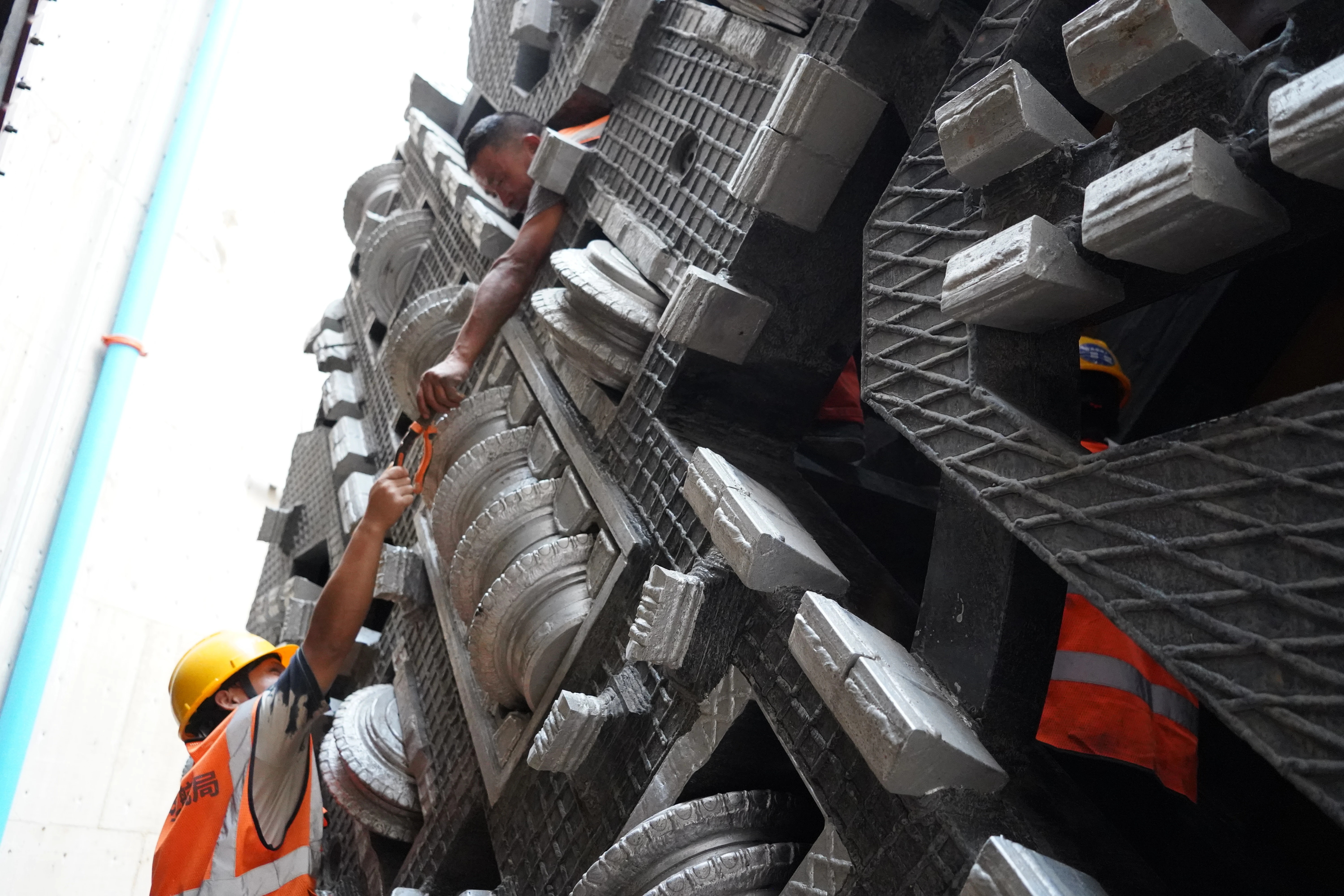
Poor spoil flow can jam the TBM machine unexpectedly, leading to significant project delays. Spoil buildup is a common issue during auger boring and microtunneling, especially in loose or sandy soils. CEGC helps reduce these risks by providing reliable tunnel machines and expert guidance.
Key Takeaways
-
Watch spoil flow carefully to stop sudden jams in your TBM machine. Finding problems early can help you save time and money.
-
Pick the best spoil removal way for the soil and project. This helps the machine work well and lowers the chance of blockages.
-
Use real-time monitoring systems to check important things like torque and pressure. These systems let you act fast if there are problems.
Poor spoil flow can jam the TBM machine unexpectedly
What is spoil flow in tunnel machines?
It is important to know about spoil flow. Spoil is the stuff that tunnel machines cut from the ground. Spoil flow means how fast this stuff leaves the tunnel. If spoil does not move out fast, it can pile up and cause trouble.
Tunnel machines use different ways to get rid of spoil. Each way works best for certain soil and jobs. The table below shows the main ways:
|
Spoil Removal Method |
Description |
Relevance to Operation |
|---|---|---|
|
Mechanical Auger |
Uses a spinning screw to move spoil out. |
Good for short tunnels, keeps work going by removing spoil quickly. |
|
Vacuum |
Uses suction to pull spoil out. |
Helps keep the tunnel clean and stops blockages. |
|
Slurry |
Mixes spoil with water to make it easier to remove. |
Works well in soft soil, keeps the machine running smoothly. |
You must keep spoil moving to stop jams. Poor spoil flow can jam the TBM machine without warning. This can stop your project and waste time and money. CEGC has seen these problems in auger boring and microtunneling jobs. Picking the right spoil removal method helps your tunnel machine work well.
How spoil buildup leads to jamming
If spoil does not leave the tunnel, it builds up inside. This buildup blocks the machine and can hurt it. You might notice the machine slow down or stop. Poor spoil flow can jam the TBM machine even if everything else looks fine.
Many things can make spoil block the tunnel machine. The table below shows the main reasons:
|
Mechanism |
Effect on Blockages |
|---|---|
|
Disturbance of surrounding soil |
Makes soil loose and fall into the tunnel, causing more soil loss. |
|
Formation of mud films |
Too much pressure makes soil stick together, blocking the spoil removal system. |
|
Pressure dynamics at excavation face |
If support pressure is too high, it can overload the machine and cause blockages. |
You need to watch for these issues. If you do not, poor spoil flow can jam the TBM machine without warning. You could face a sudden stop, which delays your work and costs more money.
Today, you can use smart sensors to help control spoil flow. These sensors check things like torque, thrust, and pressure. They give you live data, so you can change settings before a jam happens. This technology helps you work safely, even in hard soil.
CEGC knows about auger boring machines and Microtunnelling Machines. The team can help you pick the best spoil removal method and set up your tunnel machine. You can avoid jams and keep your project moving by paying attention to spoil flow.
Warning signs and prevention strategies
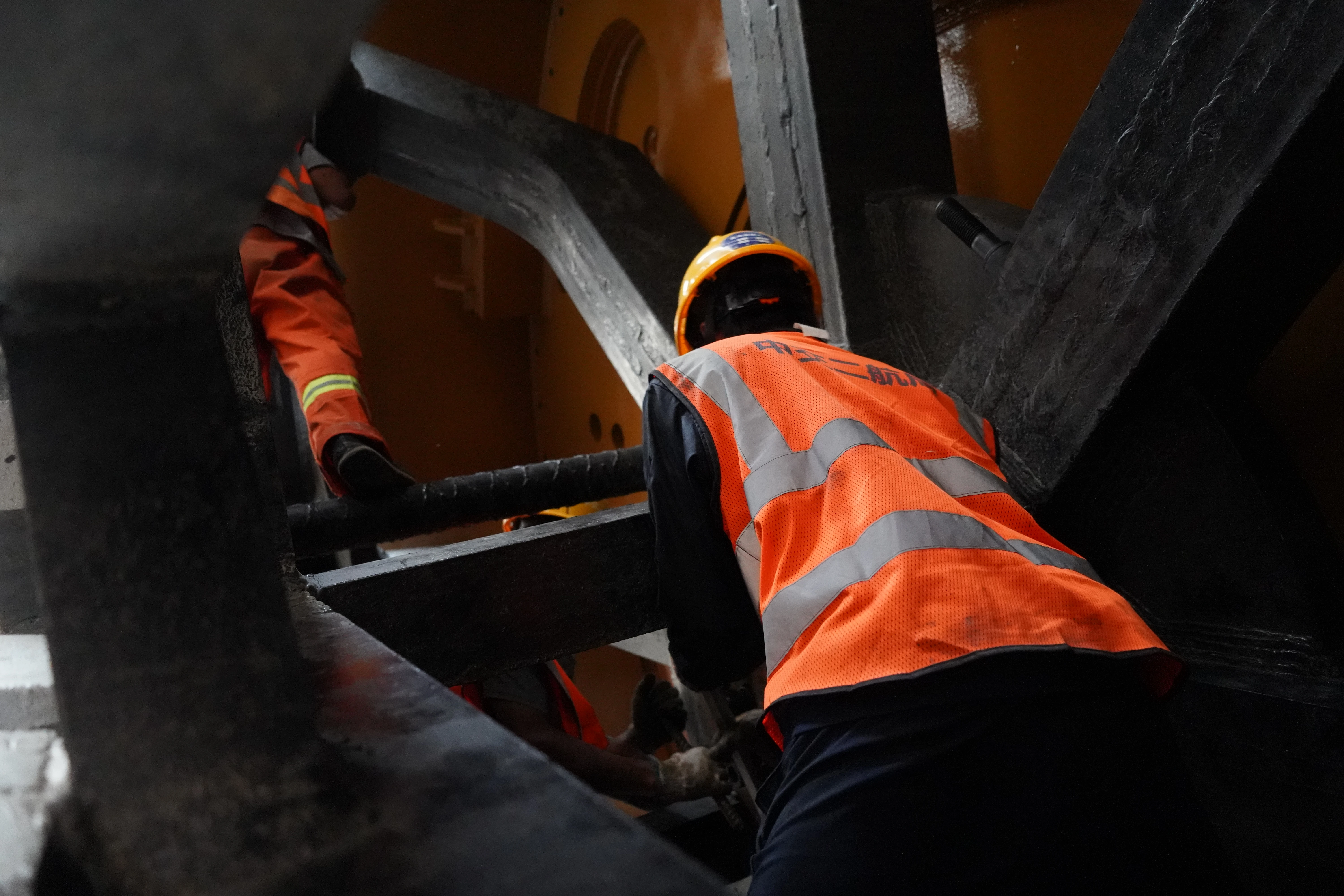
Early indicators of spoil flow issues
You need to look for early signs of spoil flow problems. If you spot these signs, you can fix things before a jam happens. Some common signs are:
-
The tunnel machine slows down or stops a lot.
-
Spoil comes out unevenly from the machine.
-
The pressure in the excavation chamber changes fast.
-
The torque or thrust numbers on your panel go up suddenly.
-
You hear odd sounds from the auger or slurry system.
Tip: Real-time monitoring systems help you find these problems early. These systems watch things like torque, thrust, and pressure. They send alerts if something changes, so you can fix it before poor spoil flow jams the TBM machine.
Best practices to prevent TBM jams
You can stop jams by following some simple steps:
-
Check and control how fast conveyors and augers move.
-
Watch the ground often for changes in soil, water, or density.
-
Use conditioners like bentonite slurry or foam to keep spoil moving and reduce wear.
-
Measure how much spoil you remove with tools like belt weighers and laser profilers.
-
Control earth or slurry pressure carefully to stop overloads.
-
Look at cutter tools and pumps for wear and change them when needed.
Here is how spoil management is different for auger boring and microtunneling:
|
Method |
Spoil Management Strategy |
|---|---|
|
Auger Boring |
Uses a spinning auger to dig and move spoil to the surface. |
|
Microtunneling |
Uses a slurry system to hold up the tunnel face and move spoil to a separation plant. |
You should always match your spoil management plan to your tunnel machine and the ground. This helps keep your project safe and on time.
Responding to TBM jams
Immediate operator actions
When your tunnel machine jams, you need to act fast. Quick action can protect your equipment and keep your project on track. Here are the steps you should follow:
-
Stop the machine right away. This prevents more damage.
-
Check the control panel for alarms or warnings. Look for changes in torque, thrust, or pressure.
-
Inspect the spoil removal system. See if the auger, conveyor, or slurry line is blocked.
-
Clear the area around the machine. Make sure everyone stays safe.
-
Contact your support team. CEGC offers expert help for tunnel machine jams.
Tip: Always keep a jam response plan ready. Practice drills with your crew so everyone knows what to do.
Troubleshooting and recovery
You can solve many jams by following a step-by-step process. Use this table to guide your troubleshooting:
|
Step |
What to Do |
|---|---|
|
Identify the cause |
Check for spoil buildup, tool wear, or blockages |
|
Remove the blockage |
Use cleaning tools or reverse the auger |
|
Adjust settings |
Change conveyor speed or slurry pressure |
|
Inspect equipment |
Look for damage to cutters or pumps |
|
Restart carefully |
Run the machine slowly and watch for problems |
If you cannot fix the jam, call CEGC for support. Fast help can save you time and money. Remember, poor spoil flow can jam the TBM machine unexpectedly. Stay alert and follow best practices to avoid future problems.
You can prevent costly delays by managing spoil flow well. This reduces emissions and saves money for your tunnel boring machine project. To avoid jams, you should:
-
Plan with your team.
-
Try different settings. For expert help, contact CEGC for your next tunnel machine job.
FAQ
Is auger boring cheaper than microtunneling?
Auger boring costs less for short tunnels in strong soil. Microtunneling is more expensive. It works better for long tunnels or hard ground.
Which method gives better accuracy?
Microtunneling gives you better accuracy. It uses lasers and smart controls. Auger boring is good for simple jobs but is not as precise.
When should you choose a Microtunnelling Machine?
Pick a Microtunnelling Machine for long tunnels or deep jobs. It is best when you need exact line and grade control. It also works well with water and mixed soil.


