
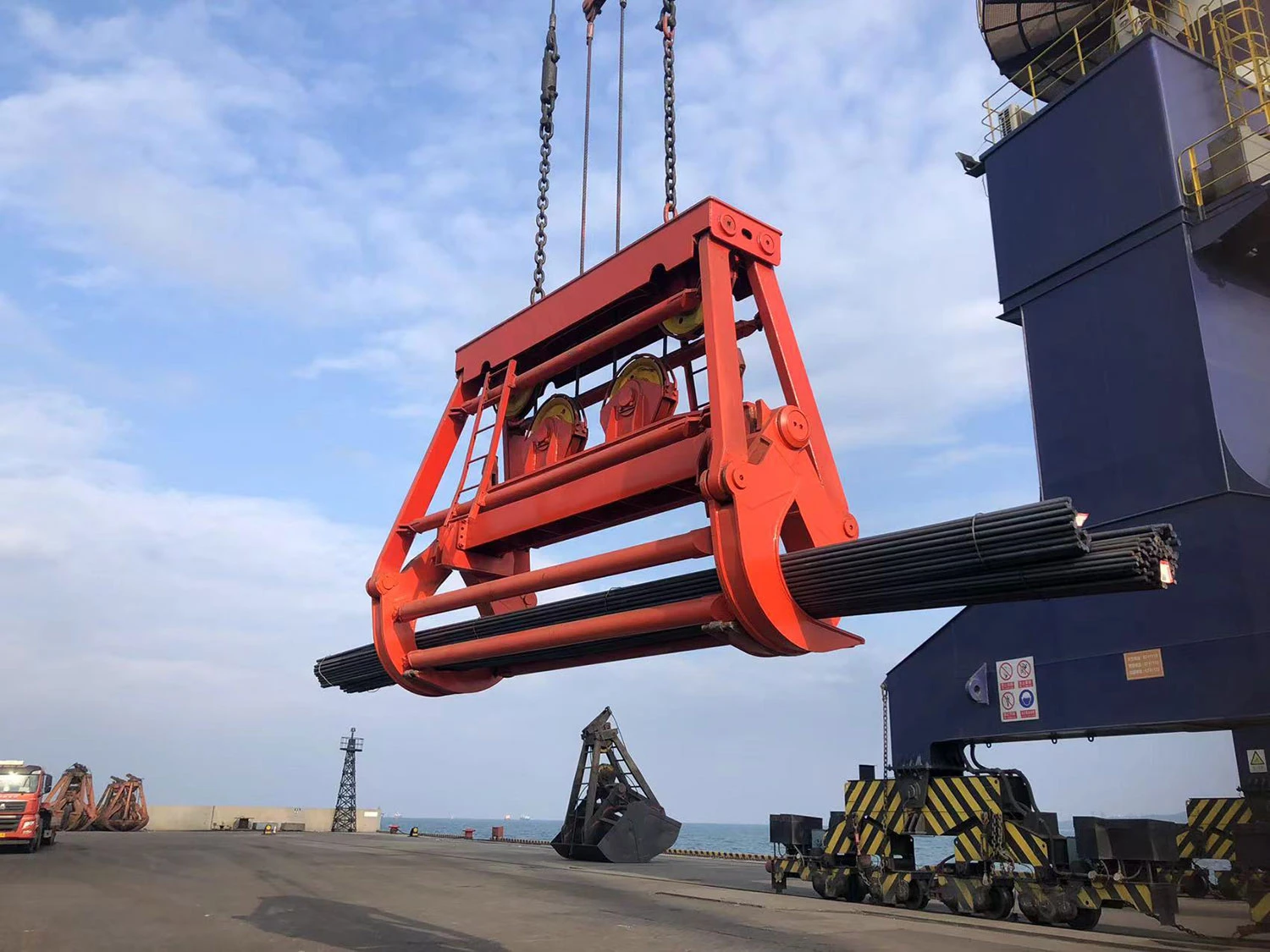
You must check the key anti-sway KPIs for your port crane: anti-sway KPIs owners will audit. Pay attention to sway amplitude, sway duration, load stability, system response time, operator intervention rate, and alarm frequency. CEGC’s technical solutions help lower accidents, financial losses, and injuries while also providing options for project customization.
Key Takeaways
-
Watch how much the load swings to make it safer. This can help workers finish jobs faster by more than 30%.
-
Look at how long the load sways to stop it quickly. Stopping faster can make things safer and help work get done better by up to 95%.
-
Check if the load stays steady to avoid accidents. When loads are steady, it is easier to put cargo in the right place and keep working smoothly.
Port crane: anti-sway KPIs owners will audit
Sway amplitude
You have to check how far the load swings. Sway amplitude shows if the load moves too much. If the load swings a lot, it can hit things. This makes it hard to put the load in the right spot. CEGC’s anti-sway control system uses smart tools to help stop the load from swinging. This keeps people safe and makes work faster by 30% or more. You can use sensors to see how far the load swings. Checking sway amplitude helps keep work safe and smooth.
|
Evidence Description |
Impact on Safety |
Impact on Operational Efficiency |
|---|---|---|
|
Smart anti-sway technology reduces load sway |
Minimizes danger associated with swinging loads |
Reduces cycle times by 30% or more |
Sway duration
Sway duration tells you how long the load keeps swinging after stopping. If the load stops swinging quickly, you can move cargo faster and safer. CEGC’s anti-sway control uses smart math to stop the load from moving back and forth and helps with wind. This tech can make the load stop swinging up to 95% faster. You can use sensors or videos to measure how long the load swings. Checking sway duration helps you avoid waiting and keeps accidents low.
|
Feature |
Description |
|---|---|
|
Algorithm |
New slew control algorithm prevents oscillation during jib rotation. |
|
Benefits |
Enhances safety and productivity on construction sites. |
|
Functionality |
Calculates load movements and wind influences to initiate automatic compensation movements, preventing load swing. |
|
Advantages |
Increases material handling, precise load control, and safety in harbor operations. |
|
Technology |
ExpertOperator anti-sway technology reduces payload swing by 85-95% and improves positioning efficiency. |
Load stability
Load stability means how steady the cargo is when you lift or move it. If the load is steady, it is less likely to hit things and is easier to control in the wind. CEGC’s container crane systems use sensors and safety locks to keep loads steady. You can check load stability by watching wind speed and how the cargo moves. Cranes must work safely in winds up to 20 m/s. Steady loads help work keep going and make it easier to put cargo in the right place.
|
Condition |
IS 14467:1997 (India) |
OSHA 29 CFR 1926.1417 (USA) |
|---|---|---|
|
In-service wind limit |
Type A: 20 m/s; Type B: 28.5 m/s; Type C: higher |
Manufacturer-rated (typically 15–20 m/s for tower cranes) |
|
Out-of-service condition |
Must withstand storm winds; jib lowered or secured |
Must be secured as per manufacturer; no fixed number in regulation |
|
Wind effect on load |
Explicit formulas for hook load force (0.015–0.06 mg kN depending on crane type) |
Must consider wind area/shape; manufacturer instructions |
-
A steady load helps work keep going.
-
It is easier to put cargo in the right spot with a steady load.
-
Load stability helps stop work from being interrupted and makes things run better.
System response time
System response time is how fast the crane reacts to commands. If the crane reacts quickly, people do not need to step in as much and there is less waiting. CEGC’s operator HMI and anti-sway systems help the crane react fast to changes. You can check response time with logs or a stopwatch. Checking system response time helps you find problems with hardware or the network that can slow things down.
|
Evidence Description |
Impact on Operator Intervention Rates |
|---|---|
|
Network unreliability and latency lead to OCR misreads |
Increases human intervention by 8-10% due to container identification errors |
|
Hardware issues (vibration, dust, temperature) affect image quality |
Results in operational downtime requiring constant human oversight |
Operator intervention rate
Operator intervention rate shows how often people need to fix or control the crane. If operators do not need to step in much, work is safer and more steady. CEGC’s anti-sway technology helps operators do things the same way and makes fewer mistakes. You can track intervention rates with logs or reports. Checking this KPI helps you see if people need more training and helps improve automation.
The review shows that operator actions are mostly the same and follow the rules. Mistakes happen at a steady rate, and people step in only when needed. Loud noise and wrong measurements can make it hard to spot problems, but CEGC’s systems help keep interventions low.
Alarm and warning frequency
Alarm and warning frequency tells you how often the crane’s safety systems warn people. If there are lots of alarms, there could be real problems or system issues. Too many alarms can make people stop paying attention. CEGC’s operator HMI has clear sounds and lights to warn people and works with the crane’s controls. You can count alarms with system logs. Checking alarm and warning frequency helps you keep everyone safe and makes sure people do not ignore warnings.
-
Sounds and lights help everyone know what is happening.
-
Too many alarms can make people stop listening.
-
New warning systems give the right alerts at the right time.
Tip: You should match all port crane: anti-sway KPIs owners will audit with market standards and change them for your project. CEGC gives choices for size, automation, anti-corrosion, and more. Tests show cranes are 20% more stable, onboarding is 30% faster, and systems work with 99.9% of other equipment. These numbers prove performance and help you reach your goals.
|
KPI |
Performance Improvement |
Competitor Benchmark |
Validation Metric |
|---|---|---|---|
|
Onboarding Time Reduction |
30% |
4–6 months |
Pilot programs showing consistent reduction |
|
Crane Stability Improvement |
20% |
10–15% |
Field tests demonstrating sway reduction |
|
Ecosystem Compatibility |
99.9% |
Costly custom integrations |
Certification across 50+ crane models |
You can use these port crane: anti-sway KPIs owners will audit to make your equipment safer, faster, and easier to take care of. CEGC’s solutions help you meet standards and set up your systems for any port.
Port equipment maintenance and KPI audit process
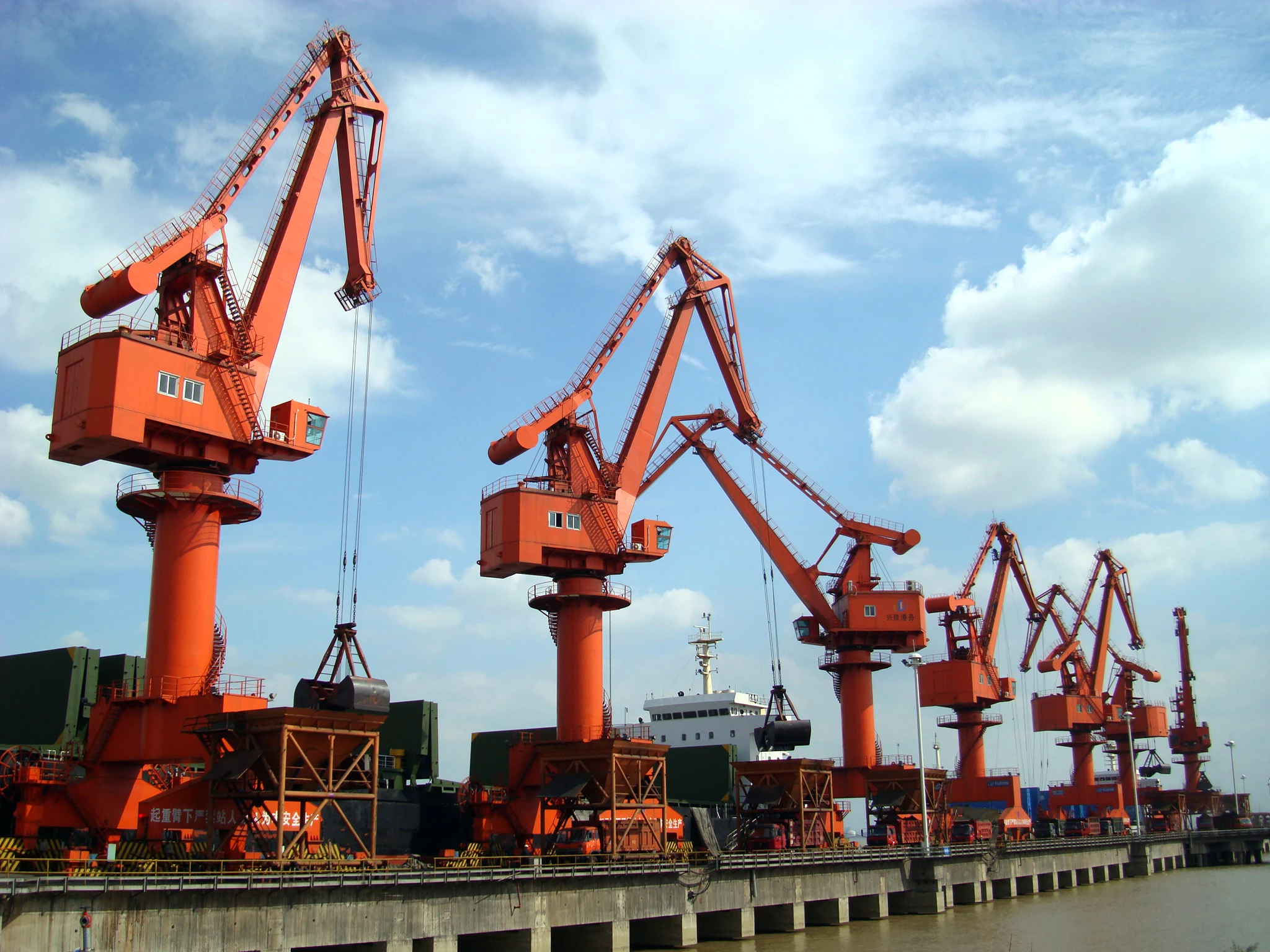
Audit steps and tools
You begin by checking all the crane systems. You look at sway control, safety locks, and operator screens. You use sensors, logs, and reports to see how things work. You pick ways to group and compare data. The additive method is easy to understand. You use special indicators like the Traffic Congestion Index to check KPIs.
|
Method Type |
Description |
|---|---|
|
Aggregation Method |
There are three ways: additive, geometric, and non-compensatory. Additive is the most used because it is clear. |
|
Normalization Method |
Normalization is needed for grouping data; Z-score and Min-Max are two ways to do it. |
|
Composite Indicator |
The Traffic Congestion Index (TCI) is a special indicator used to check KPIs. |
Data collection and frequency
You get maintenance data from sensors, logs, and reports. You watch crane moves, sway control, and alarms. You plan checks every week, month, and quarter. You use tracking systems to see how cranes work in real time. You keep records to follow rules and for later audits.
Benchmarking and analysis
You compare your KPIs to what others do in the market. You use tracking data to see how your cranes match up. You look at reports to find where things can get better. You use normalization to make fair checks. You look for patterns in maintenance and planned checks.
Actionable improvements
You use predictive maintenance and condition checks to find problems early. You watch energy use and make crane work better. You change your maintenance plans after each audit. You set new goals for how well things should work. You use tracking and planned checks to stop downtime. You keep your audit process going to stay safe and save money.
Tip: You do better and follow rules when you check often and track maintenance. You keep your cranes ready for audits and safe with CEGC’s help.
-
Predictive maintenance, condition checks, and saving energy help you work better and follow safety rules.
-
Condition checks let you plan fixes and stop downtime.
-
Automation and digital tracking make things work better and cut downtime with sensors and real-time data.
You follow the rules better when you check anti-sway KPIs. You make sure your port is safe and works well. Checking often helps you spend less money over time. CEGC lets you pick what you need and gives strong help. After each check, you write a report. This helps you keep following the rules. Your team stays safe. Your port becomes a safer place.
Begin checking your KPIs now. Use CEGC’s tools to get better results.
FAQ
What is the best way to schedule crane inspection?
You should check cranes every week and every month. Regular checks help you find problems early. Inspections keep your cranes safe and working. This also means your cranes are ready to use more often.
Tip: Keeping inspection logs helps you see how cranes work and stops surprise breakdowns.
How does regular inspection reduce crane downtime?
Inspections help you find problems before cranes break down. This keeps cranes working longer. Regular checks mean less time when cranes are not working. Inspections also help you save money on big repairs.
-
Inspections make cranes safer.
-
Inspections help cranes work better.
-
Inspections stop cranes from breaking down.
Why is equipment inspection important for port operations?
Inspections make sure cranes work the right way. They help stop cranes from breaking down. Inspections keep cranes safe to use. They help you avoid times when cranes cannot be used. Inspections also help move cargo without problems.
|
Inspection Benefit |
Impact on Equipment |
|---|---|
|
Early detection |
Less downtime |
|
Safety assurance |
Stops failures |
|
Maintenance planning |
Makes cranes work better |


