
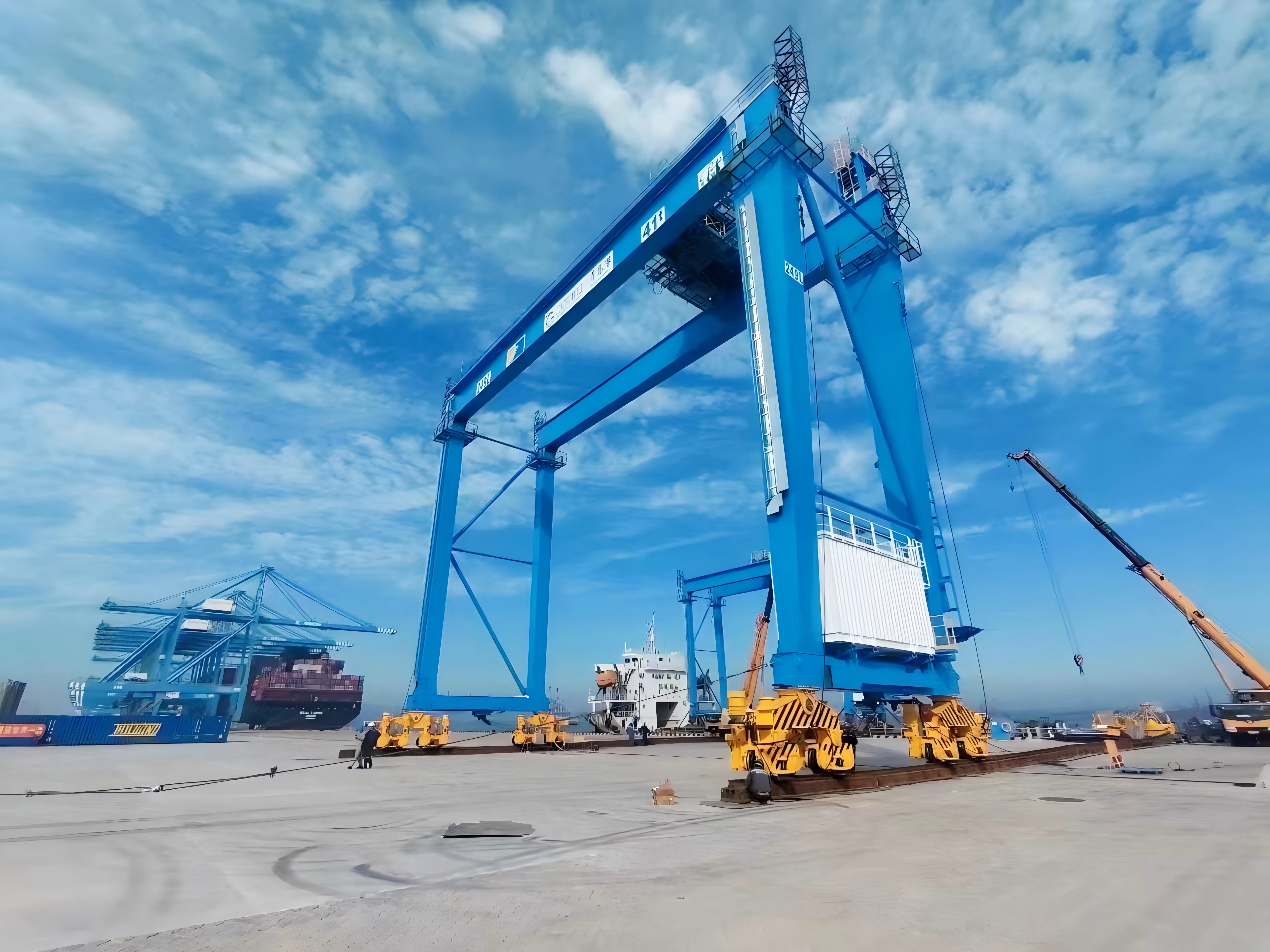
Portal crane dispatch is crucial for efficient port operations, especially when the goal is to reduce end-stop waiting. CEGC provides advanced container handling equipment, including portal cranes, designed to optimize dispatch and minimize delays at the end stops. By leveraging CEGC’s market-standard specs and customizable solutions, ports can address challenges like load sway, slow cycle times, safety risks, and unexpected downtime.
-
Portal crane dispatch: reduce end-stop waiting to cut ship idle time and lower emissions.
-
CEGC’s enhanced anti-sway technology ensures safer, faster container handling, improving overall terminal productivity.
Key Takeaways
-
Watch how long trailers stay to find delays and make trucks move faster. This cuts down on waiting and makes work better.
-
Use anti-sway technology and safety interlocks to stop loads from swinging and lower crash risks. This makes things safer and helps move containers faster.
-
Use real-time monitoring and predictive maintenance to stop breakdowns. This keeps cranes working and helps people get more done.
Portal crane dispatch: reduce end-stop waiting
Identify dwell and trailer dwell time issues
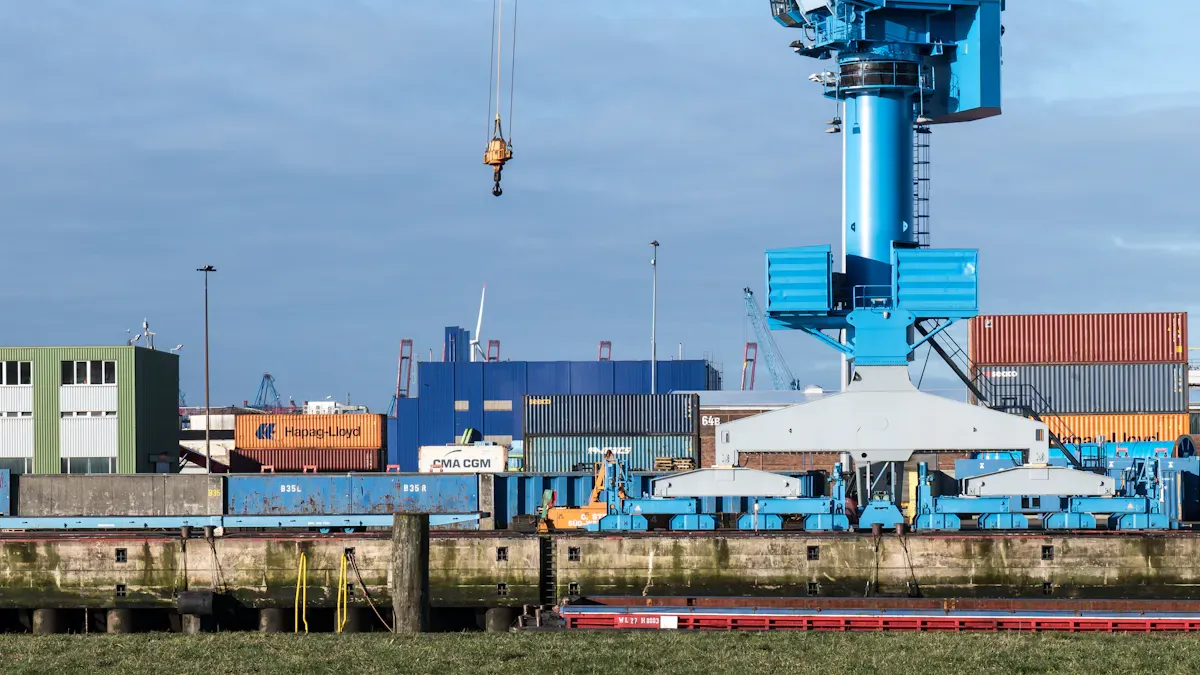
To make portal crane dispatch better, you need to know how trailer dwell time affects things. Idle trailers take up space and can cost extra money. If you track trailer dwell time, you see how delays change truck turnaround and yard work. Problems happen when trailers wait for doors, drivers, paperwork, customs, or crews. If you split trailer dwell time by area and reason, you find slow spots. Some carriers wait longer because customs or paperwork is slow. Watching idle time helps trailers keep moving and lowers average trailer dwell time. This makes trailers last longer and cuts delivery delays, which helps portal crane dispatch: reduce end-stop waiting.
-
Main trailer dwell time problems:
-
Waiting for door assignments
-
Delays in driver returns
-
Paperwork and customs clearance
-
Crew not ready to load or unload
-
You can use this information to make truck turnaround faster and keep portal crane dispatch: reduce end-stop waiting working well.
Analyze root causes of end-stop waiting
You need to look at why end-stop waiting happens. Trailer dwell time causes slack time, detention time, and slow loading or unloading. Slack time is when trucks sit because scheduling is bad. Detention time is when trucks stay too long because cargo is not ready. Loading and unloading delays make trailer dwell time longer and slow truck turnaround. These issues lower driver pay, cut carrier money, and raise crash chances. If you sort trailer dwell time data, you see patterns and know which carriers or areas need help.
Tip: Use data to check workflow and find the main reasons for end-stop waiting. This helps you fix problems and keep portal crane dispatch: reduce end-stop waiting on track.
-
Slack time makes trailer dwell time longer and slows truck turnaround.
-
Detention time means trailers stay longer and costs go up.
-
Slow loading and unloading makes trailer dwell time longer and hurts safety.
You can cut end-stop waiting by fixing these main problems and using real-time checks to watch trailer dwell time.
Address load sway and collision risks
You must fix load sway and collision risks to make portal crane dispatch: reduce end-stop waiting work better. Load sway makes it hard to place loads and raises crash risk. Wind and shocks make accidents happen more during busy times. Operator skill differences cause safety to change. You can fix these with anti-sway control, safety interlocks, and operator-centered HMI.
|
Solution Type |
Description |
|---|---|
|
Anti-Sway Systems |
Sensors and controls keep loads steady and stop swinging. |
|
Smart Controllers |
Algorithms guess and fix sway, so cranes move right in tough spots. |
|
Safety Interlock Systems |
Mechanical and electrical locks stop unsafe moves and protect workers. |
|
Crane Design Adjustments |
Changes like lighter trolleys make cranes steadier and cut sway. |
Operator-centered HMI lets you control crane loads with less sway. You focus on the load and the area, so crash risks go down. Operators see 95% less sway and 90% fewer close calls. This system keeps people safe, stops equipment damage, makes work faster, and lowers repair costs. When you use these solutions, you help portal crane dispatch: reduce end-stop waiting and make operations safer and more reliable.
-
Use anti-sway control to keep loads steady.
-
Apply safety interlocks to stop accidents.
-
Train operators with clear HMI systems for good results.
You can get faster truck turnaround and lower trailer dwell time by fixing these risks and using tested technology.
Minimize downtime with real-time monitoring
Optimize cycle time and workflow integration
You can make your port work better by focusing on cycle time and workflow integration. Real-time monitoring lets you see each step of crane operations. This helps you find delays and fix them before they cause problems. You watch how cranes, trucks, and container handlers move. Then you adjust schedules to keep everything running well.
-
Real-time monitoring systems help make work safer and faster.
-
Anti-sway technology keeps loads steady and lowers crash risks.
-
AI tools look at sensor data to use machines and workers better, which cuts wait times and moves more containers.
When crane operations match yard management KPIs, gate throughput time and dock-to-departure time go down. You also get better visibility, so you always know what is happening. This helps you make good choices and reach higher capacity.
Equipment dispatching is a big part of how well a container terminal works. Terminals need quay cranes, yard cranes, and transport to move cargo. If these movements do not match, delays get worse fast. A short crane pause may not seem important, but many idle hooks slow container terminal throughput and vessel turnaround.
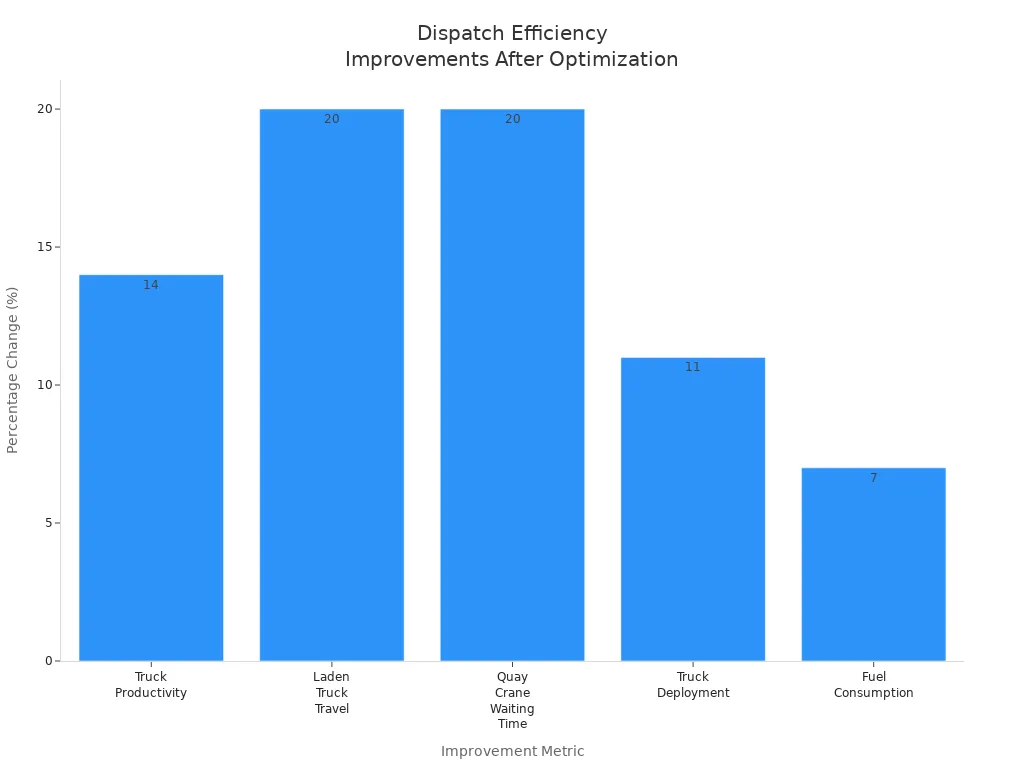
If you cut vessel turnaround time by 10%, throughput goes up by about 8%. This shows why keeping crane operations and yard management KPIs in sync matters. Workflow integration brings clear improvements:
|
Improvement Metric |
Percentage Change |
|---|---|
|
Truck Productivity |
14% |
|
Laden Truck Travel |
20% |
|
Quay Crane Waiting Time |
20% |
|
Truck Deployment |
11% |
|
Fuel Consumption |
7% |
These strategies help you cut downtime, raise capacity, and boost productivity everywhere.
Implement predictive maintenance strategies
You can stop downtime and keep cranes working well by using predictive maintenance. Sensors and real-time monitoring check your equipment’s condition. Vibration and temperature sensors warn you early about problems. Maintenance teams fix issues before breakdowns happen, so turnaround stays quick and productivity stays high.
-
Predictive maintenance finds wear or malfunctions early.
-
You can plan maintenance during slow times, so work is not stopped.
-
This method lowers repair costs and saves spare parts, making equipment last longer.
Predictive maintenance brings big changes:
-
Asset lifespan goes up by 20-40% compared to preventive maintenance.
-
Cost savings reach 25-30% compared to reactive maintenance.
-
Ports using predictive maintenance have much less downtime than those using old methods.
Safety and productivity also get better. Finding problems early stops emergency repairs and lowers spare parts costs. This proactive way makes operations more reliable and keeps equipment running longer.
Enhance operator training and communication
You can get more done and raise capacity by training operators and using strong communication protocols. Well-trained operators run cranes safely and efficiently. They answer alarms fast and follow best practices, so turnaround times stay low and yard management KPIs improve.
Wireless communication protocols give real-time updates on crane operations and equipment status. This helps teams work together and cut delays. Smart ports use these protocols to share data between systems and partners, which boosts visibility and cuts downtime.
-
Wireless communication helps manage the supply chain with real-time updates.
-
Fault localization time drops from hours to minutes with smart gateways.
-
Predictive maintenance systems cut unplanned downtime by up to 72%.
-
Digital twin models help cranes move better, raising container throughput by 15%.
Keep training staff and updating communication tools. This makes sure everyone knows how to use new technology and follow safety rules. When you mix training, communication, and automation, you get the best results in productivity, capacity, and turnaround.
You can make portal crane dispatch better by using advanced safety, real-time monitoring, and predictive maintenance. The table below shows how each system helps things run smoother:
|
Aspect |
Impact on Dispatch Efficiency |
|---|---|
|
Advanced Safety Systems |
Help teams work together and cut waiting time |
|
Real-time Monitoring |
Let you change tasks quickly |
|
Predictive Maintenance |
Stop breakdowns and keep things running |
Every port has its own problems. Project-based customization lets you:
-
Solve your port’s special needs
-
Bring new ideas to tough jobs
-
Work together better and get good results
Pick CEGC for custom solutions that keep your work smooth and dependable.
FAQ
What is end-stop waiting in portal crane dispatch?
End-stop waiting means the crane stops at the end. This causes delays when loading or unloading containers.
How does real-time monitoring help reduce downtime?
You get updates about crane status right away. This helps you find problems early and fix them quickly.
Tip: Use alerts so you can fix things before they break.
Can CEGC customize portal cranes for my port?
Yes, you can ask for custom changes for your port.
|
Feature |
Customizable? |
|---|---|
|
Capacity |
✅ |
|
Span/Height |
✅ |
|
Power Solution |
✅ |


