
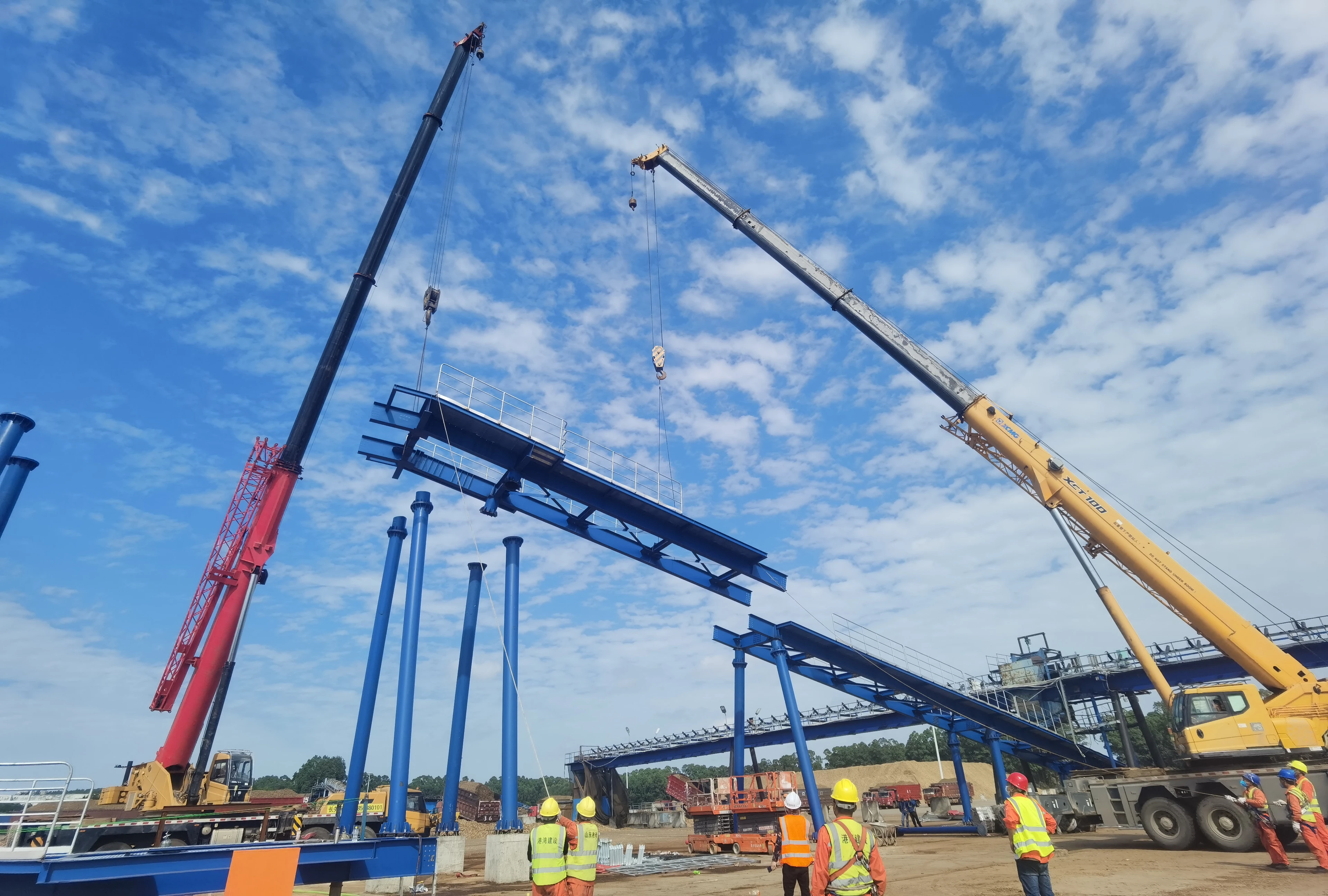
To reduce repaint cycles for portal cranes, CEGC recommends advanced strategies such as robust coatings, marine-grade anti-corrosion systems, and a tailored maintenance plan. With CEGC’s market-standard solutions, you can optimize portal crane performance, minimize downtime, and enhance safety. If you’re wondering about portal crane: how to cut repaint cycles, these approaches are proven to extend service life and reduce operational risks. The table below highlights the impact of these solutions on cost savings and safety improvements.
|
Evidence Description |
Reduction in Downtime |
Reduction in Safety Incidents |
|---|---|---|
|
Average savings from CBM |
14% fewer safety problems |
|
|
Firms applying all six strategies |
Up to 50% less unplanned downtime |
N/A |
|
MetroPort Container Terminal case study |
47% fewer unplanned stoppages |
N/A |
Key Takeaways
-
Use strong coatings and marine-grade anti-corrosion systems to protect your portal crane from tough weather. This helps your equipment last longer and means you repaint less often.
-
Always follow careful steps to get the surface ready before painting. Clean surfaces help paint stick better, so you repaint less and your crane works better.
-
Set up a regular maintenance plan with routine checks. This helps you find small problems early, saves money on big repairs, and keeps your crane working.
Causes of frequent repaint cycles
Environmental exposure
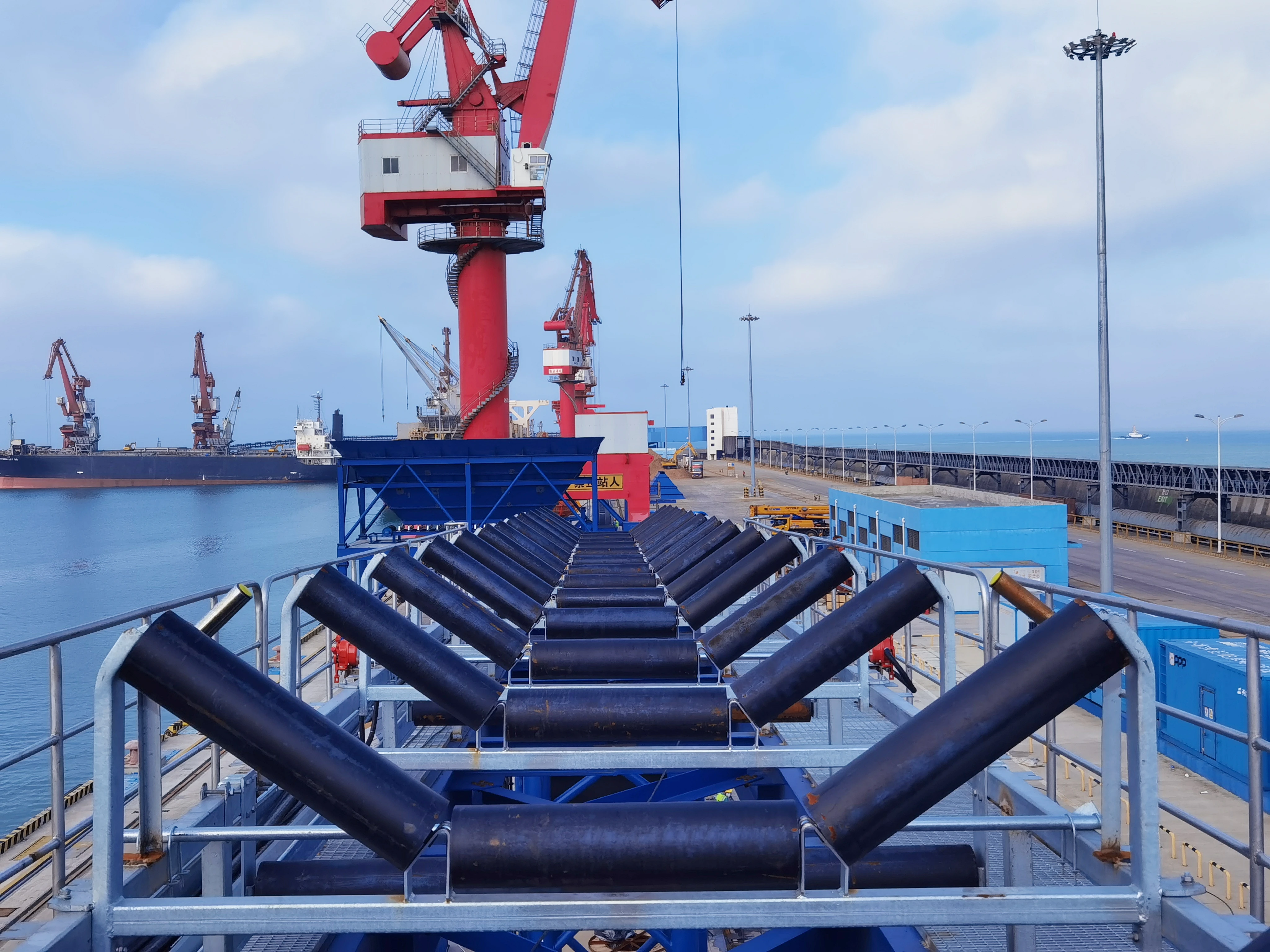
Operating a portal crane near the sea is hard. Salt fog, humidity, and dust hit the metal every day. These things damage coatings and make rust happen faster. When the weather changes, the metal gets bigger and smaller. This cracks the paint and lets water inside. Using CEGC’s marine-grade solutions helps protect cranes from these tough conditions. Your equipment stays in good shape longer, so you work better.
Mechanical wear
Moving a cargo crane or ship crane causes rubbing. Parts slide against each other and painted surfaces. This rubbing removes the protective coatings. Lifting heavy loads adds more stress. If you ignore this, you lose efficiency. You might need to repaint more often, which stops your work. CEGC builds cranes to handle these stresses, so your equipment keeps working well.
Surface preparation issues
If you skip cleaning before painting, your crane may fail early. Dirt, oil, and old paint stop new coatings from sticking. Bad surface prep makes paint peel and flake. This problem lowers efficiency because you must pause work to fix it. CEGC says to follow strict surface prep steps for all equipment. You get better results and fewer repaint cycles.
Portal crane: how to cut repaint cycles
Surface cleaning and prep
You need to start with clean surfaces for your portal crane: how to cut repaint cycles plan. Clean metal helps the coating stick well and last longer. If you skip cleaning, your crane will not work as well and will stop more often. Here are some steps to help your crane work better and last longer:
-
Wash the crane with soap and warm water. Get rid of all dust and dirt.
-
Sand the surface a little. This makes the paint stick to the metal.
-
Put on a primer. This keeps the paint from peeling and helps stop rust.
-
Choose a strong paint made for metal and outdoor use. This helps your container crane or ship crane last longer.
-
Paint in thin layers. Let each layer dry before you add another.
Tip: Good surface cleaning and prep can make repaint cycles much shorter. You save time and money, and your cargo crane works longer.
High-performance coatings
Your port needs coatings that can handle tough jobs. High-performance coatings help your portal crane: how to cut repaint cycles plan work better. These coatings fight off bad weather, salt, and sunlight. They also help you work more by cutting down on touch-ups. CEGC has coatings that meet market rules and can be made for your project.
Pick coatings that match your crane’s job and where it works. Epoxy primers stick well and keep out water. Polyurethane topcoats block sunlight and keep your crane looking nice. Zinc-rich coatings protect the metal by wearing away first, so your crane does not rust as fast. Nano-ceramic coatings use new tech to keep water away and stop rust. These choices help your container handling equipment last longer and work better.
Note: High-performance coatings can make your crane work up to 40% better. Your cranes run more and do a better job.
Marine-grade anti-corrosion systems
Marine-grade anti-corrosion systems are very important for portal crane: how to cut repaint cycles plans. These systems protect your crane from salt, wet air, and hot or cold weather. CEGC’s marine-grade solutions use smart coatings and design to keep your crane strong. Look at the table below to see how they work:
|
Coating Type |
Benefits |
Effectiveness in Marine Environments |
|---|---|---|
|
Epoxy Primers |
Stick well, block water and salt |
High |
|
Polyurethane Topcoats |
Block sunlight, stay strong, look good |
High |
|
Zinc-Rich Coatings |
Protect metal by wearing away first |
High |
|
Nano-Ceramic Coatings |
Keep water away, stop rust |
Very High |
|
Cathodic Protection |
Protects parts that get hit by weather |
Very High |
You can also use special metals and check your crane often to help it last longer. Stainless steel bolts and anti-corrosion grease on joints help your crane stay strong. These ideas help your crane work better and cost less to fix. Picking the right materials and treating the surface can make your crane last longer and cut surprise repair costs by over 40%.
Callout: Marine-grade anti-corrosion systems are not just for container gantry cranes. They work for all kinds of container handling equipment, like reach stackers and ship cranes. Your whole fleet works better and lasts longer.
When you use CEGC’s easy-to-fix design, you can do repairs faster. This makes your portal crane: how to cut repaint cycles plan even stronger. Your crane keeps working, you get more done, and your port does better.
Maintenance program for coating longevity
Routine inspections and touch-ups
You need to check your portal crane often to keep it working well. Inspections help you find small issues before they get worse. Look at all painted parts for chips, cracks, or rust. If you see damage, fix it right away. This stops rust and keeps your crane looking nice. Having a schedule helps you remember these checks. Routine service also means cleaning and wiping off salt or dust. You keep your crane safe and avoid big fixes.
Condition monitoring and predictive maintenance
You can use condition monitoring to see how your crane is doing. Sensors check for changes in heat, shaking, or paint thickness. These tools help you plan when to do maintenance. If you act early, you stop problems before they cause work to stop. Predictive maintenance uses data to tell you when to fix or repaint. This way saves money and keeps your crane working longer. You spend less on emergency fixes and avoid long breaks.
Following manufacturer guidelines
You should always follow the maintenance plan from the maker. CEGC builds cranes with easy-to-reach parts. This makes checks and repairs faster. Use the right products and follow the manual steps. Regular maintenance and service keep your crane safe and strong. When you stick to the plan, you save money and your crane works better.
Tip: A good maintenance program means less downtime and lower costs. You get more done and your crane lasts longer.
-
Special maintenance plans lower costs and downtime.
-
Good parts might cost more at first, but you save later.
-
Downtime costs a lot, so regular checks and repairs protect your money.
Risks of neglecting maintenance
Increased costs
If you skip maintenance, your crane costs go up. Emergency repairs cost much more than regular maintenance. You pay extra for fast fixes and new parts. When your crane stops working, you lose money every day. Each day your crane does not run, you lose thousands of dollars. Insurance companies charge more if you have accidents. You might pay fines for breaking rules. The table below shows how costs get higher when you skip maintenance.
|
Cost Type |
Estimated Cost Impact |
|---|---|
|
Emergency Repair Premiums |
|
|
Operational Downtime Costs |
$2,500-4,000 per day per machine |
|
Safety Incident Exposure |
Liability costs exceeding $500,000 per incident |
|
Insurance and Regulatory Consequences |
$15,000-75,000 in penalties |
|
Average Cost of Skipping Maintenance |
$185,000 per machine annually |
Downtime and safety hazards
Not doing maintenance causes more downtime. Your port gets crowded and slow. Ships wait longer because your crane breaks down. You risk accidents if you do not check your equipment. Safety hazards get worse. You may see crashes, falls, or dropped containers. The list below shows common problems from poor maintenance.
-
Crowded ports and delays make your port less efficient.
-
Slow ship times mean you lose money.
-
Safety risks can lead to accidents.
You need to watch for dangers like falling objects, slips, and broken equipment. A crane that is not cared for can cause injuries or damage. Mechanical failures, like brake problems, may cause crashes or dropped containers. Even small mistakes can cause big losses.
Regulatory compliance issues
You must follow strict rules for crane maintenance. If you ignore these rules, you can get fined. Inspectors check your records and equipment. You need to show you do regular maintenance. Missing paperwork or skipped checks can cost you money. Insurance companies may not pay claims if you do not follow maintenance plans. Doing maintenance keeps your business safe and your port running well.
Note: Regular maintenance lowers costs, cuts downtime, and keeps your crane safe. You protect your workers and avoid legal trouble.
You can repaint less often if you clean the surface well, use strong coatings, and keep up with maintenance. CEGC has ways to help your port machines last longer and work better. Here is how doing regular maintenance helps:
|
Benefit |
Result |
|---|---|
|
You fix things less and stop less often |
|
|
Increased reliability |
Your crane works better |
|
Extended asset lifespans |
Your equipment lasts longer |
Pick CEGC’s top methods to keep your cranes working well.
FAQ
How often should you repaint a portal crane?
You need to repaint your portal crane every 5 to 7 years. If you use CEGC’s marine-grade coatings, you can wait longer to repaint. This also helps you spend less money on maintenance.
What is the best way to prevent rust on a container crane?
You should keep the surfaces clean and use high-performance coatings. Check for damage often to catch problems early. CEGC’s anti-corrosion systems protect your crane in tough port weather.
Can you use the same coatings for all types of port machinery?
No, you cannot use the same coatings for everything. You need to pick coatings that fit the machine and where it works. CEGC has special coatings for container cranes, ship cranes, and reach stackers.


