
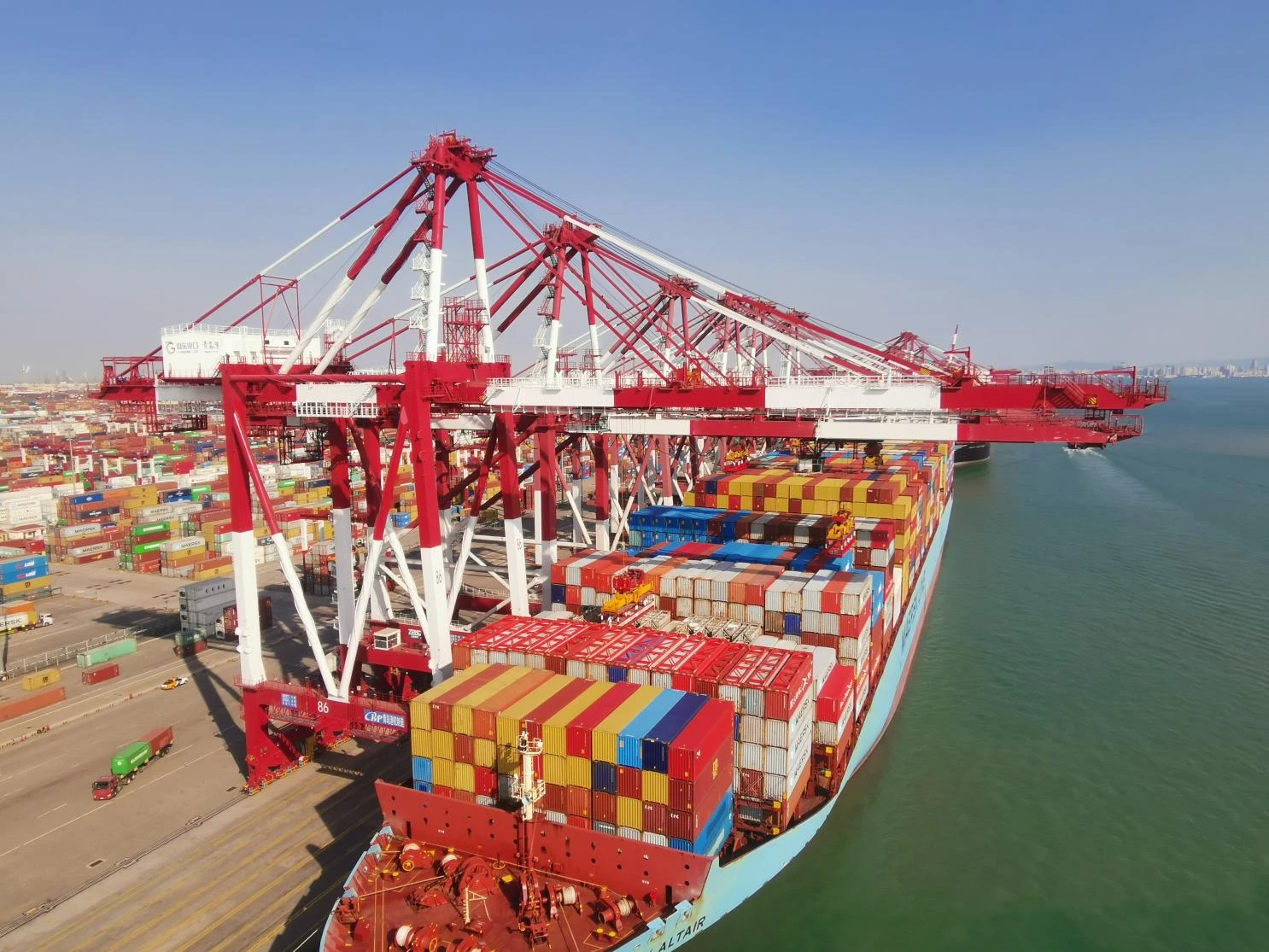
You see how Reach Stacker: empty travel kills tire life in port operations. Tire wear leads to higher costs and safety risks for you. CEGC helps you address this pain point with reliable technical solutions. You can protect your equipment and improve performance with smarter practices.
Key Takeaways
-
Empty travel makes tires wear out faster. Plan your routes well to avoid extra trips and help tires last longer.
-
It is very important to take care of tires. Check tire pressure and tread every day. This helps stop uneven wear and saves money on new tires.
-
Use good habits when working. Easy things like stopping early and watching load height can help tires last longer.
Reach stacker empty travel and tire wear
What is empty travel?
Empty travel happens when you move a reach stacker without carrying a load. In busy ports, this occurs often. You may drive the machine back and forth between stacks or loading docks with no container. Many operators face this situation daily. When you do not plan routes well or face aisle congestion, empty travel increases. Poor training and improper load handling also add to the problem. These issues show why reach stacker: empty travel kills tire life.
How empty travel increases tire flex and heat
When you operate a reach stacker without a load, the tires flex more than usual. The machine’s weight presses down on the tires, causing them to bend and stretch. This flexing creates heat inside the tire. Over time, heat weakens the rubber and shortens tire life. You see more tire wear and faster tread loss. Reach stacker: empty travel kills tire life because the tires never get a break from this stress.
Rolling resistance and slip issues
Empty travel also increases rolling resistance. The tires must work harder to move the machine, especially on uneven surfaces. This extra effort leads to more slip and less grip. You may notice the tires wearing out unevenly. The global port tire market shows that tires are a major cost, second only to fuel. Reach stacker: empty travel kills tire life by making you spend more on maintenance and replacements. Good tire management helps you control these costs and keep your equipment safe.
|
Feature |
Description |
|---|---|
|
Predictable tire life |
Helps you plan maintenance and control costs. |
|
Low heat build-up |
Extends tire life and reduces expenses. |
|
Long service life |
Fewer replacements mean lower costs. |
|
High puncture resistance |
Fewer failures and less downtime. |
|
Stability for safety |
Keeps your operations efficient and safe. |
How empty travel kills tire life
Uneven wear patterns on tires
When you use reach stackers without a load, tires wear unevenly. Empty travel puts stress on tires in different ways than loaded travel. The tires bend more, and the part touching the ground changes as the machine moves. Some parts of the tires wear out faster than others. This makes it harder to take care of tires and raises the chance of tire failure. If you ignore these signs, you will spend more time and money changing tires. You can find uneven wear by looking at the tread and sidewalls often. CEGC says you should check all container handling equipment, like container cranes and gantry cranes, often. You help your tires last longer when you spot wear early.
Accelerated tread degradation
Empty travel makes tread wear out faster. Tires get hot quickly because they bend more without a load. Heat breaks down the rubber and makes the tread go away faster. You might see bald spots and cracks if you do not take care of tires. Driving reach stackers on rough ground or making sharp turns wears the tread even more. You lose grip and stability, which can make things unsafe. CEGC gives you technical solutions like better motion control and anti-sway systems. These features help you cut down on extra travel and keep tires from wearing out too fast. You make tires last longer when you use smart controls and follow good habits.
Tip: Look at tires for tread loss after every shift. Finding problems early helps you plan repairs and avoid stopping work.
Importance of tire pressure and maintenance
Tire pressure is very important for tire life. If you set tire pressure wrong, tires wear unevenly and get too hot. The tires lose their shape and might get damaged inside. Big machines like reach stackers need the right tire pressure for different loads. You should check tire pressure before and after empty travel. Good tire care means checking for leaks, fixing tire pressure, and cleaning tires. You keep tires working well when you follow a schedule. CEGC supports smart maintenance and condition checks for container handling equipment. These systems warn you about low tire pressure and help you fix problems quickly. You save money and make things safer when you focus on tire care.
-
Check tire pressure every day.
-
Look at tires for damage and wear.
-
Plan tire care based on how much you use the machine.
-
Use CEGC's tools for alerts in real time.
|
Tire Maintenance Task |
Frequency |
Benefit |
|---|---|---|
|
Tire pressure check |
Daily |
Stops uneven wear |
|
Tread inspection |
Weekly |
Makes tires last longer |
|
Tire cleaning |
As needed |
Lowers heat build-up |
|
Predictive maintenance |
Ongoing |
Cuts down on downtime |
You get better results when you mix good tire care with smart control systems. CEGC helps you take care of tires on all port machines, from container handlers to ship cranes. You help tires last longer and keep your work running well.
Minimizing empty travel for longer tire life
Operational best practices
You can make tires last longer by using smart steps. When you stop 0.6 meters before your spot, you help the tires. Align the center of gravity to keep tires safe from too much stress. Lower the spreader until the pads touch the ground. Wait one second before you turn on the twist-locks. This short wait takes away side-load on the pins and helps the tires work better. Only lift the load up to 0.5 meters for travel. Lifting higher makes the machine swing more and wears out tires faster. Keep the boom angle at 35 degrees or less. If you go up to 45 degrees, the overload can rise by 8 percent. These smart steps help you cut down on empty travel and make tires last longer.
|
Step |
Best Practice Description |
|---|---|
|
Approach |
Stop 0.6 m short, align center of gravity. |
|
Engage |
Lower spreader until pads touch, wait 1 s, then activate twist-locks. |
|
Elevate |
Raise to 0.5 m 'travel height' only. |
|
Travel |
Keep boom angle ≤ 35°. |
You can use digital yard management systems to make jobs easier. These systems show you what is happening right now and help plan routes. They cut down on waiting and lower empty travel for container cranes, handlers, and gantry cranes.
Maintenance and monitoring strategies
Good maintenance keeps tires safe and working well. You should check tire pressure and tread wear every day. IoT sensors help you watch tire health by checking pressure, tread, and heat. Data platforms collect this information and show you how each tire is doing. Machine learning finds problems early and tells you when tires might wear out. You can fix things before they cause the machine to stop.
Regular tire care makes work safer and helps tires last longer. Services like turning tires and lining them up spread out the wear. Good maintenance also saves fuel and makes machines work better. Tire repair patches make things safer and help tires last longer on all port machines.
Tip: Use predictive maintenance tools to get alerts about tire problems. Fixing issues early keeps your machines working and helps tires last longer.
You can see that empty travel with a reach stacker makes tires wear out faster. If you follow good work habits and check tires often, you help tires last longer. Using strong tires and checking air pressure helps the machine carry heavy loads better. Port workers who use special tires for their jobs see good results:
-
At the Port of Rotterdam, using polyurethane tires meant less fixing was needed.
-
A Chinese fulfillment center saved money by not changing tires as often.
You should look at how you buy and care for tires to help them last longer and work better.
FAQ
What is the best way to check tire wear on a reach stacker?
You should look at the tread and sidewalls every day. Use a flashlight to see small cuts or cracks. Early checks help you spot problems fast.
How does empty travel affect traction for port machinery?
Empty travel can lower traction. Tires may slip more on wet or uneven ground. You should drive slowly and avoid sharp turns to keep control.
Why is daily tire pressure monitoring important?
Daily checks help you keep tires at the right pressure. Proper pressure gives you better traction and helps tires last longer. This keeps your equipment safe.


