
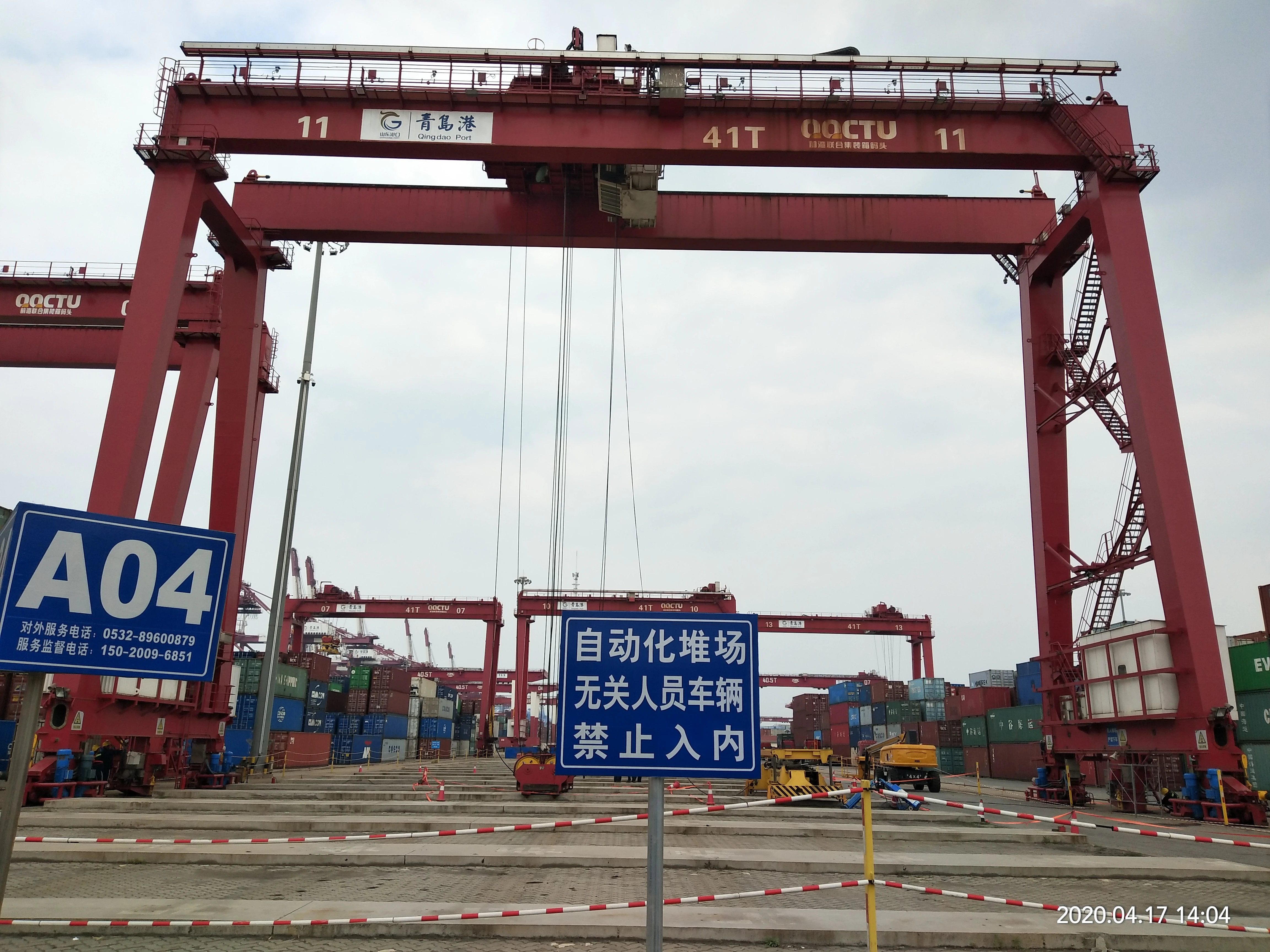
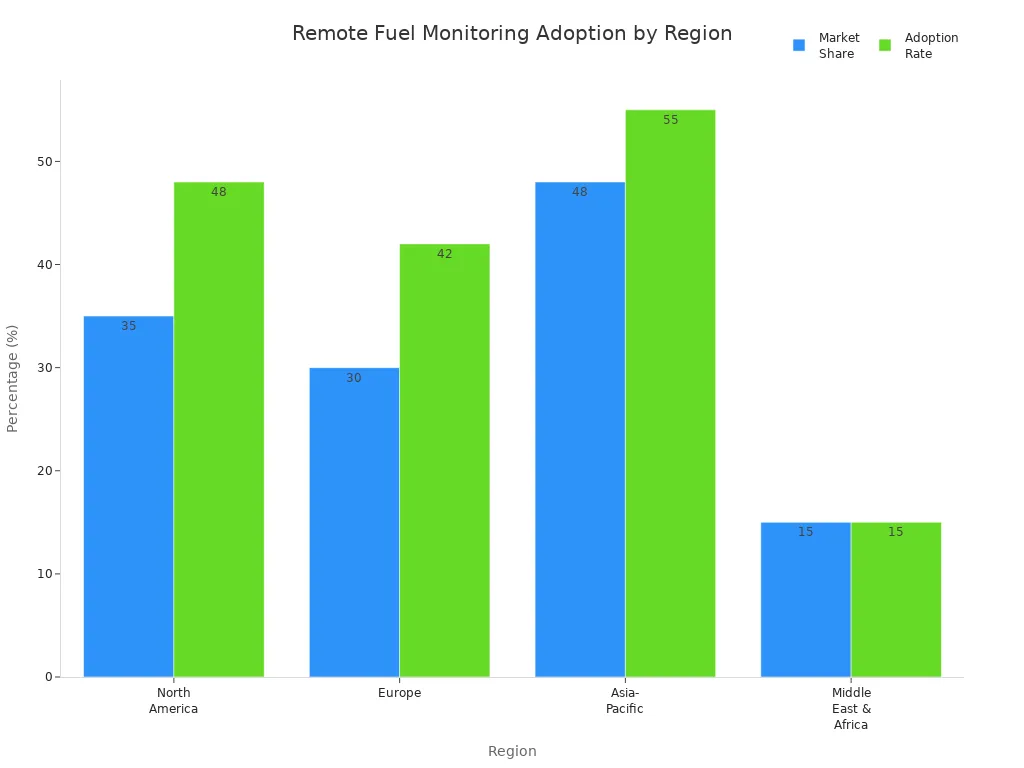
Managing fuel efficiently is a significant challenge when operating CEGC port machines. Rehandles can lead to wasted fuel and accelerate machine wear. Fuel expenses account for nearly half of your total operational costs. However, Reach Stacker remote monitoring improves fuel tracking by providing real-time data, allowing for better management of fuel resources. In the Asia-Pacific region, it is projected that 55% of ports will adopt these advanced systems by 2025.
Key Takeaways
-
Real-time fuel monitoring lets you see fuel levels right away. You can check how much fuel is used instantly. This helps you act fast to stop waste. It also helps prevent machines from stopping.
-
Automated fuel tracking lowers mistakes and saves time. It keeps track of fueling events by itself. You get correct data for making better choices.
-
Using a fuel management system can save a lot of money. You can use fuel in a smarter way. This cuts down on waste and makes everything work better.
How reach stacker remote monitoring improves fuel tracking
Real-time fuel monitoring system
It is important to always know your reach stacker’s fuel status. Remote monitoring uses telematics and sensors to help track fuel. These tools let you see fuel data as it happens. You can check fuel levels, how much is used, and spot sudden changes on your dashboard.
Modern systems use different sensors and telematics to gather information:
-
Fuel level sensors show how much fuel is in the tank. They work with GPS devices to give exact numbers.
-
Fuel consumption sensors measure how much fuel is used. You get updates right away.
-
CAN Bus systems send sensor data, so you can use it with other tools.
These technologies help you find leaks, overuse, or quick drops in fuel. Real-time tracking lets you act fast. This helps avoid machine stops and keeps port machines working well. CEGC’s fuel monitoring system meets industry standards and can be customized for projects. You can pick the best size, work cycle, and automation for your needs.
Automated fuel tracking and reporting
Writing down fuel logs by hand can cause mistakes. Automated tracking and reporting fix this problem. Remote monitoring records every fueling and usage detail by itself. You do not have to remember or write things down.
Here is what an automated fuel monitoring system gives you:
|
Feature |
Description |
|---|---|
|
Real-time fuel level monitoring |
Always checks fuel levels to stop downtime and refill on time. |
|
Records fueling events by itself to be more accurate and save time. |
|
|
Theft and anomaly detection |
Sends alerts for strange fuel use to stop loss and keep fuel safe. |
|
Consumption analytics and reports |
Shows fuel use trends to find problems and help make better choices. |
Automated reports show you how much fuel is used and what it costs. You can compare fuel use between reach stackers or work shifts. You find patterns and make smarter choices. CEGC’s gps fuel monitoring and telematics help cut mistakes and make things run better. You get full reports, so it is easier to plan refueling and repairs.
Fuel theft prevention and anomaly detection
Fuel theft can cause big money losses at ports. Remote monitoring helps stop theft and catch problems early. It uses telematics and smart ways to keep fuel safe.
Remote monitoring systems use these methods to protect fuel:
|
Method |
Description |
|---|---|
|
Uses CCTV, motion sensors, drones, and fingerprint access to spot crime. |
|
|
Geofencing |
Uses smart fences and geofencing to keep out people who should not be there. |
|
Data Analysis |
Looks at data to find strange patterns and risky shipments. |
|
Personnel Training |
Teaches workers to spot and report odd actions to lower theft risk. |
AI-powered fuel monitoring can cut theft by up to 90%. You get alerts if the system finds strange fuel use or someone enters without permission. You can act quickly to stop losses. The system also makes reports that show odd events. You use these reports to make security better and train your team.
Remote monitoring gives you control over all fuel use. You spend less on fuel, work more efficiently, and keep port operations safe. CEGC’s telematics and gps fuel monitoring give you real-time tracking and reports. You get the information you need to use fuel wisely and protect your equipment.
Fuel management benefits for port operations
Cost savings and ROI from fuel tracking
You can save money and get more value with good fuel management. When you use gps and advanced fuel monitoring, you see fuel use right away. This helps you find waste and cut down on idle time. You can track where fuel goes and stop theft before it happens. Fleet fuel management lets you compare fuel use between your reach stackers. You find machines that use too much fuel and fix them quickly. At the Port of Savannah, gps and fuel management made work 20% better and brought in more money. In Los Angeles, terminals spent 15% less after using advanced fuel monitoring. These results show how fuel management and gps can help your business.
|
Benefit |
Description |
|---|---|
|
Gives you instant data on fuel usage for better decisions. |
|
|
Resource Optimization |
Helps you use fuel wisely and cut costs. |
|
Reduction of Operational Waste |
Tracks fuel to stop waste and save money. |
Operational efficiency and maintenance optimization
You can make your machines work better and stop downtime with gps-based fuel management. You get reports that show how much fuel each machine uses. You can plan refueling and repairs at the best time. Regular checks with gps and telematics help your reach stackers last longer. You avoid wasted time and keep your machines working. Fleet fuel management also helps you find problems early. You can fix machines before they break by using predictive maintenance. This keeps your port running well. You get alerts when fuel use or idle time is too high. You can act fast and keep your equipment in good shape.
When you use telematics and gps together, you can watch performance and plan repairs. This makes fleet fuel management better and helps your machines last longer. You get more control over fuel use, idle time, and repairs.
Implementation steps for fuel monitoring systems
You can set up a fuel management system in four steps:
-
Pre-installation Assessment: Look at your current systems and what you need for gps and fuel management.
-
Installation of Monitoring Equipment: Put sensors and gps data loggers on your reach stackers.
-
Calibration and Testing: Set up the equipment and test it for correct fuel use reports.
-
Training for Crew Members: Show your team how to use gps, read fuel reports, and spot idle time.
You might have some problems. These include connecting new gps systems to old ways of working, keeping data safe, and paying for new tools. Some workers may not want to change. You can fix these problems with good planning and training. Fleet fuel management and gps make your port safer and work better. You get full control, better fuel reports, and less wasted time.
Tip: Use advanced fuel monitoring with predictive maintenance for the best results. You will have fewer breakdowns and better machine performance.
You can make your port safer and save money with remote monitoring. Fuel management systems help you work faster and smarter. Telematics lets you see all your fuel use and helps cut idle time. The table below shows how these systems help you reach your goals:
|
Benefit |
Description |
|---|---|
|
Safety and Reliability |
Automation tools watch fuel and machine health. This lowers idle time and stops equipment damage. |
|
Operational Efficiency |
Real-time fuel data helps you plan better. You waste less fuel and time. |
|
Cost Control |
Full fuel tracking helps you spend less and use resources well. |
You can change CEGC solutions to fit your port’s needs. To begin, follow these steps:
-
Use AI and automation to get fuel data.
-
Set clear rules for tracking fuel.
-
Work with others to share fuel information.
FAQ
How does CEGC’s remote monitoring help you track fuel?
You see fuel data right away. The system tells you if something is wrong. You can find leaks or theft fast.
Can you customize fuel monitoring for your port?
You can pick which sensors to use. You can set how much automation you want. You can choose how reports look. CEGC lets you change things for your port’s needs.
What benefits do you gain from automated fuel tracking?
-
You make fewer mistakes.
-
You finish tasks faster.
-
You work better and spend less on fuel.


