
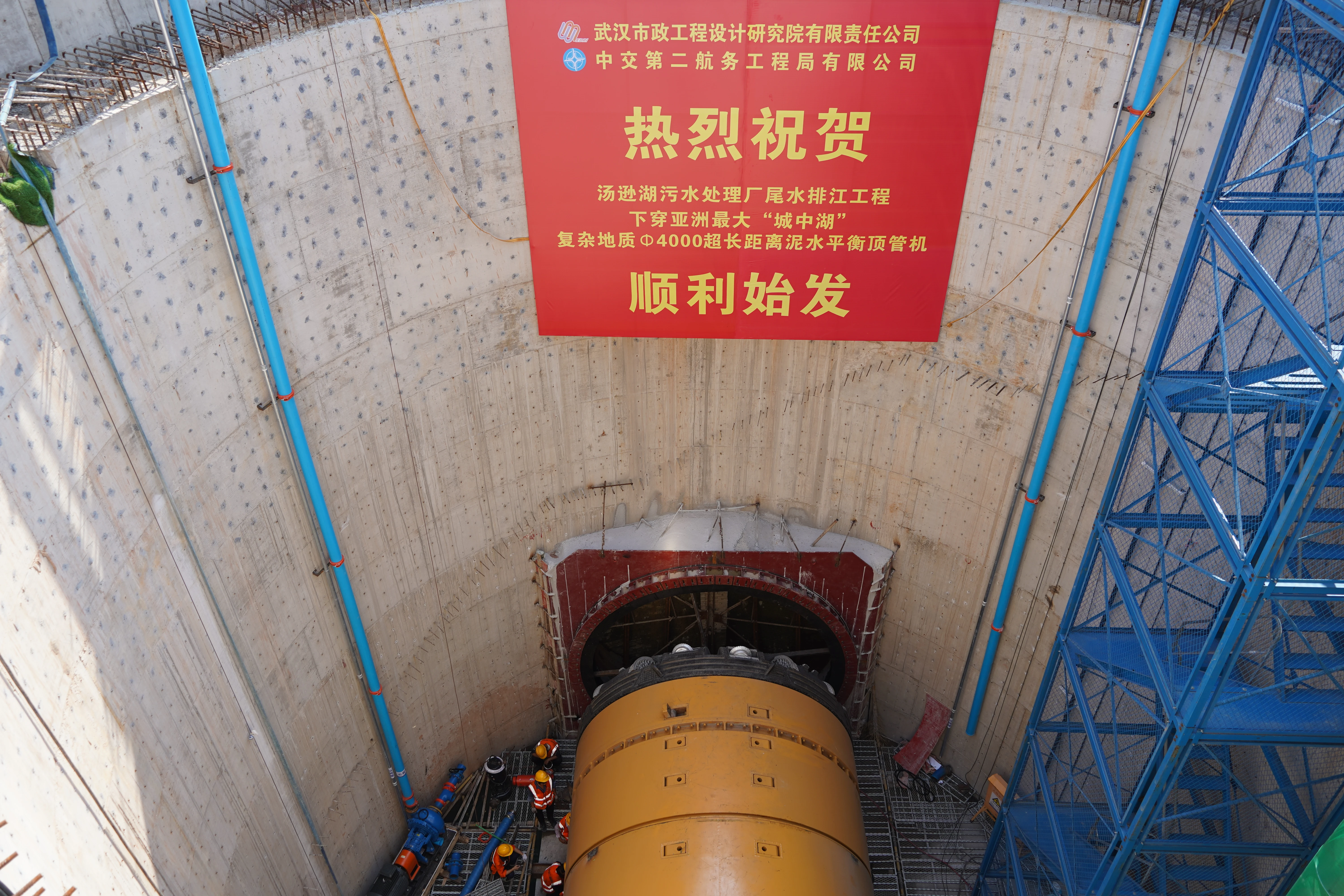
Segment supply delays can stop a TBM tunnel cold. You need segments for each meter you move forward. In cities, tunnel boring machines (TBM) build subways and utilities with minimal surface disturbance. CEGC provides innovative solutions for TBM and microtunnelling machines. Urban settlement limits, unstable ground, water ingress, and tricky logistics all become more challenging if segment supply is late.
Key Takeaways
-
Getting segments on time is very important for TBMs to work well. If segments are late, the work can stop and cost more money.
-
Good planning and using different suppliers can stop segment delays. Use tracking tools and keep extra segments to make sure you always have enough.
-
Using new technology like prediction tools and connecting systems can make work faster and help control delays in TBM jobs.
Segment supply delays can stop a TBM tunnel cold
Segment supply: TBM tunneling lifeline
You need tunnel segments to keep your tunnel boring machine moving. If segments are late, the tunnel boring machine stops. Each meter you dig needs new segments. Without segments ready, your machine cannot go forward. Even if your crew and equipment are ready, segment supply delays can stop everything.
-
Segments must arrive on time to keep the tunnel boring machine working.
-
Quick installation keeps the tunnel strong and in shape.
-
Careful handling stops damage and keeps workers safe.
-
The right shape of segments helps line up the tunnel.
-
Bolts and gaskets connect segments and keep water out.
Segment supply delays break this lifeline. If materials are late, you can lose control of the tunnel face. This can cause ground to settle, tunnel face to become unstable, and water to leak in. You must match support work with tunnel boring machine operations. Any delay in materials can stop tunneling and make risks higher.
Material handling and logistics in tunnel boring machine projects
You must plan how you move materials and handle logistics. Segment supply delays can stop a tunnel boring machine, so you need good systems to bring segments from the factory to the tunnel. Bad planning causes material and delivery delays. Slow segment making or broken transport equipment can cause problems. Crew issues can make delays worse.
-
Material handling and logistics systems help move materials and soil fast.
-
Rail-bound transport systems carry more with fewer workers.
-
Modular designs make systems easy to change and fix, which helps reliability.
The table below shows how segment handling delays affect tunnel boring machines:
|
Evidence Description |
Impact on TBM Progress |
|---|---|
|
Delays in lifting activities by the gantry crane |
TBM had to wait for a locomotive, causing idle time for each ring. |
|
Continuous examination of idling time at crossings |
Better logistics could cut idle time and keep progress steady. |
You must avoid material delays by using standard solutions. CEGC gives tunnel boring machine and microtunnelling machine systems with modular designs and custom options. These features help you solve logistics problems and keep your project moving.
Impact of delays: idle equipment, labor, and cost overruns
Segment supply delays can stop a tunnel boring machine and leave equipment and workers waiting. When your tunnel boring machine waits for segments, you pay for machines and people who cannot work. Material and delivery delays raise costs and cause bottlenecks. You may have to move utility lines or change your project, which can cost millions. More workers may be needed to handle changes, which makes costs go up.
-
Moving utilities or changing plans for new problems can cost millions.
-
More staff for changes means higher costs and more paperwork.
-
Longer manufacturing and logistics times create new challenges.
-
Delays in special parts make schedules longer and costs higher.
-
High starting costs and complex financing for tunnel boring machines increase money risks when projects are delayed.
Segment supply delays can stop a tunnel boring machine and make all these problems worse. You must use technical solutions to lower risks. CEGC gives closed-mode face support, soil conditioning, and sealing systems to help with ground settlement, face instability, and water leaks. Custom options let you match your equipment to your site, so you can keep your tunnel boring machine moving and avoid costly delays.
Causes and mitigation of segment supply delays in tunneling
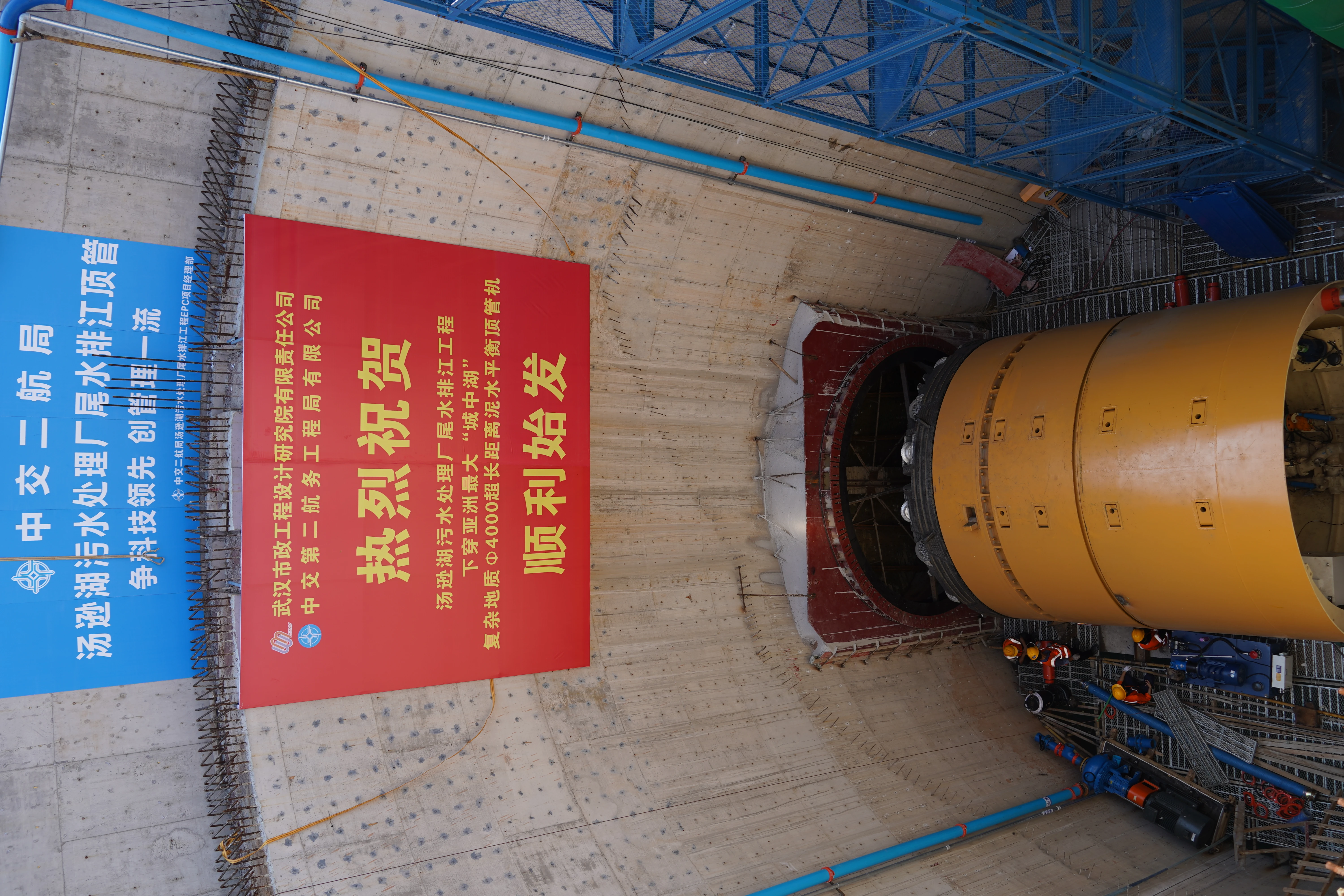
Common supply chain disruptions in tunnel boring machine projects
Managing segment supply for tunnels is hard. Tariffs can make parts cost more and slow buying. If raw materials get expensive, you may need new suppliers. Local partners can help you get parts faster and lower risks. Tough ground can break equipment and delay work. Rules mean you must upgrade technology and follow steps. These things make supply chain management harder.
You must watch for bottlenecks in logistics. If you do not plan material handling, delays can happen. Muck removal is tough for big tunnel boring machines. They make lots of spoil. You must deliver precast concrete segments on time. If you do not, your tunnel boring machine may stop. Automated transport systems help move segments fast and safe. Quality control stops bad segments from causing tunnel displacement or water leaks.
Logistics planning and supplier diversification strategies
Smart logistics and supplier choices can stop segment supply delays. The Atlas Road Logistics Tunnel uses good planning. It delivers over 48,000 precast concrete ring segments underground. This keeps supply steady while tunneling. Conveyors remove more than 1.5 million tonnes of spoil. This keeps the tunnel clear and helps progress.
You should use these strategies in your projects:
-
Match warehouse work with tunnel boring machine progress. Keep segments for two to three days.
-
Use RFID or barcodes for tracking. This lets you see segment movement in real time.
-
Set up quality checks and handling rules. Lifters and inspections stop damage and displacement.
-
Design your yard for easy flow and safety. Digital maps help you find materials fast.
-
Use ERP or WMS systems to track inventory and update automatically.
-
Keep extra stock and emergency plans ready. This helps you handle problems and avoid stoppage.
You can also use many suppliers. Work with local and international partners. This lowers the risk of delays from one source. You can react faster to changes in demand or supply chain problems. Good logistics and supplier choices keep your tunnel boring machine moving and lower downtime.
|
Strategy |
Description |
|---|---|
|
Strategic Alignment with TBM Ops |
Match warehouse with tunneling progress. Keep 2-3 days of segments. |
|
KYP Compliance |
Use RFID/barcodes for tracking and records. |
|
Quality Assurance & Handling |
Use lifters and checks to stop segment damage and displacement. |
|
Yard Layout & Optimization |
Design for easy flow and safety. Use digital maps for quick access. |
|
Digitalization & Inventory Mgmt |
Use ERP/WMS for tracking and automatic updates. |
|
Risk & Contingency Management |
Keep extra stock and emergency plans for stoppage. |
Technical solutions: predictive analytics, system integration, and CEGC customization
Technical solutions can help segment supply and stop delays. Smart sensors in molds give real-time quality checks. You can spot defects early and fix them. Automation and analytics help manage tunnel boring machines. These tools improve accuracy, efficiency, and maintenance. AI and machine learning can predict when you need new segments or service. This keeps projects on track.
Tunnel automation is growing fast. More projects use advanced tunnel boring machines. System integration connects logistics, inventory, and quality control. This gives you better control and visibility. You can react quickly to changes and avoid delays.
CEGC gives custom solutions for city and municipal tunnels. You get equipment made for your project’s ground and displacement risks. CEGC’s customization helps you meet settlement limits and manage water leaks. You can pick features for your site, like closed-mode face support, soil conditioning, and sealing systems. These options help control ground movement and keep your tunnel boring machine working.
You must plan and connect your systems for every tunnel project. Good planning, smart logistics, and technical solutions give you visibility. You can avoid delays, manage displacement, and finish your projects on time.
Segment supply delays can make your tunnel boring machine stop. These delays also make costs go up. You can stop this problem with good planning and digital tools.
-
Use real-time tracking to watch your supply chain. Predictive analytics help you see problems early.
-
Pick technical customization like shield design or special segment erection.
-
Keep enough segments for two or three days. Make sure your warehouse matches TBM progress.
CEGC gives you reliable tunnel boring machine and microtunnelling machine solutions. This helps your project succeed.
FAQ
What is a TBM and why do you need it for tunneling?
You use a tbm to dig tunnels underground. The tbm helps you build tunnels safely and quickly. You need a tbm for big projects in cities.
How do segment supply delays affect your TBM project?
Segment supply delays stop your tbm from moving forward. You must have segments ready for your tbm. Without them, your tbm cannot work.
What can you do to keep your TBM running without delays?
You should plan your tbm logistics. You need to track segment deliveries for your tbm. You can use digital tools to help your tbm stay on schedule.


