
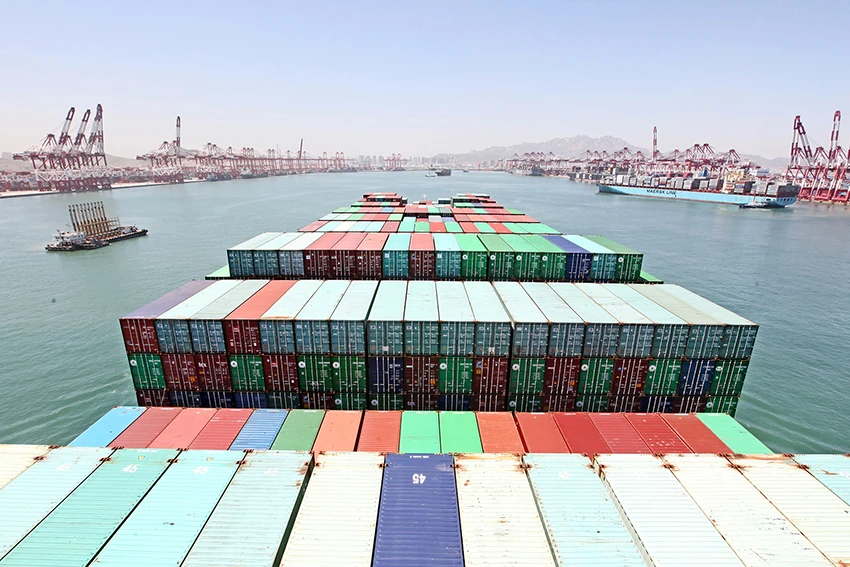
You can stop wire rope from rusting with regular care. Ship crane anti-corrosion: extend wire rope life plans help stop rust and delays. CEGC gives ways for ship crane anti-corrosion: extend wire rope life. Finding problems early helps ship crane anti-corrosion: extend wire rope life. Ship crane anti-corrosion: extend wire rope life lowers danger.
Key Takeaways
-
Checking wire ropes often helps find corrosion early. Looking at them every day can stop accidents and save money on repairs.
-
Use the correct lubricants and coatings to make wire ropes last longer. Marine-grade oils protect better from saltwater.
-
Pick galvanized or stainless steel wire ropes for more corrosion resistance. This choice makes things safer and work better in tough places.
Why wire rope corrosion matters for ship cranes
Safety risks and performance impact
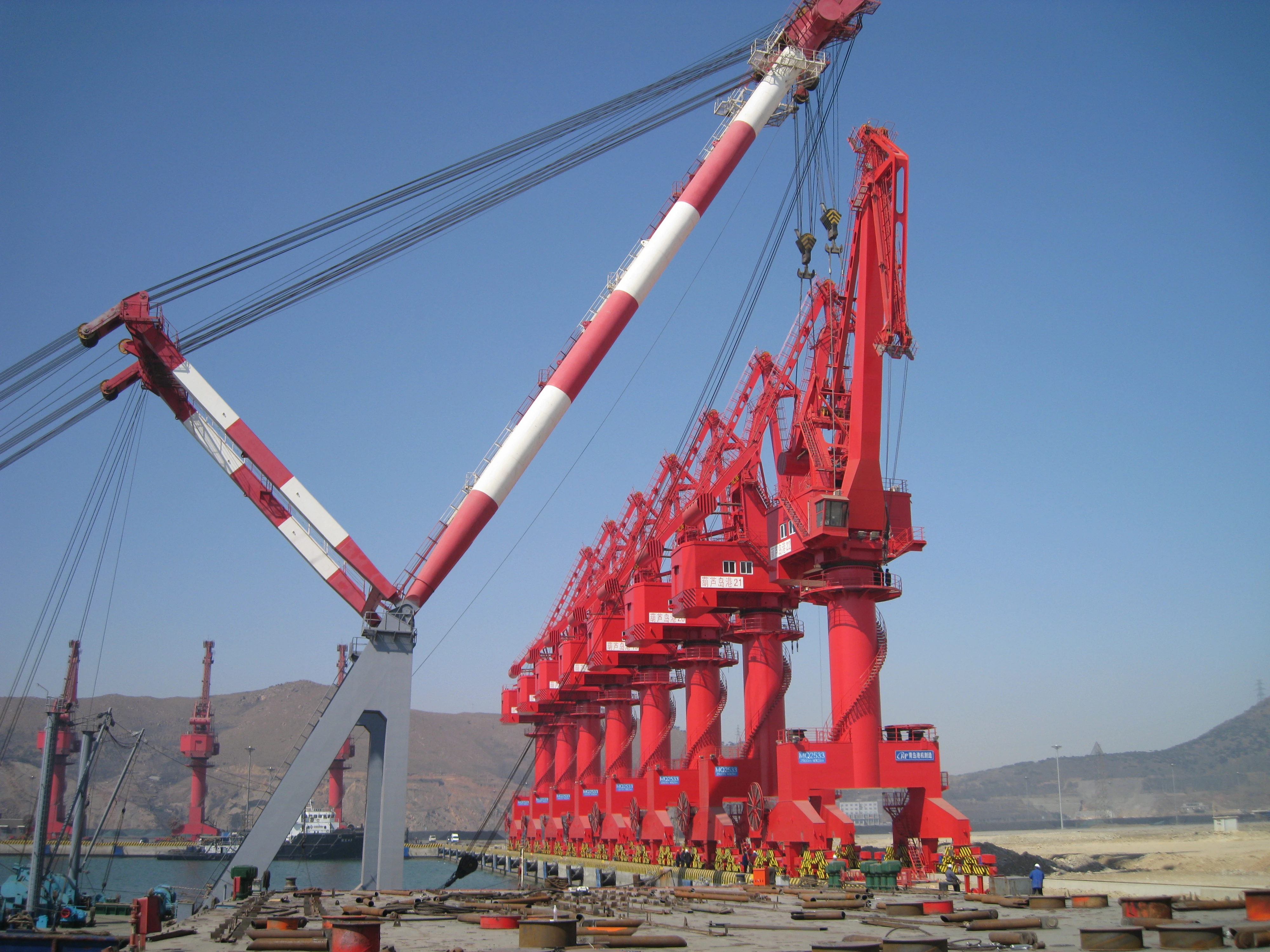
It is important to watch for wire rope corrosion on cranes. Corrosion can make ropes unsafe. There was an accident that showed this danger. A wire rope broke on a ship crane and dropped a 69-ton load. The cargo fell close to workers and damaged the ship. No one got hurt, but it was still risky. Corrosion and wear caused the rope to break, even though it was not old.
Corrosion makes wire ropes weak and less strong. This means the crane does not work as well. You might notice the load sways more, which makes heavy cargo hard to control. If a rope breaks, it can cause crashes and hurt equipment. Over time, the crane gets tired and can fail suddenly. You need to protect ropes and check them often to keep the crane safe.
-
Corroded ropes can cause:
-
Loads to drop without warning
-
More chances for crashes
-
Work to stop suddenly
-
More money spent on repairs
-
Causes: salt fog, humidity, rust, and operational stress
Ships work in tough places. Salt fog and wet air make wire rope corrosion happen faster. Salt spray has chloride ions that get through rope coatings. Wet air keeps ropes damp, so corrosion does not stop. When the temperature changes, water forms and leaves salt behind. This hurts the rope’s protection.
-
Main causes of wire rope corrosion:
-
Salt spray and chloride ions
-
Wet air and moisture
-
Temperature changes and water drops
-
Heavy lifting and bending
-
You should pick ropes with good protection, like galvanized or stainless steel. Cleaning ropes and storing them right helps stop rust. If you do not do these things, wire rope corrosion will make your crane last less time and cost more money.
Corrosion prevention and maintenance strategies
Lubrication and protective coatings
You must use the right lubrication to protect marine wire rope from saltwater corrosion and rust. Lubrication stops water from getting in and lowers friction. Petroleum or vegetable oils are easy to use and give strong protection. Fiber core ropes keep mineral oil or petrolatum lubricants for longer. Steel core ropes need oil or grease pumped inside for full coverage. Field relubrication is needed to stop rust and make wire rope last longer.
You can use different ways to lubricate:
-
Pressure lubricators push lubricant deep into the rope.
-
Drip systems give steady protection for ropes that do not move much.
-
Manual brushing works well for ropes you can reach easily.
Protective coatings add another layer of defense. Zinc coatings, called galvanization, help stop saltwater corrosion. Polymer coatings give better wear resistance and flexibility. Ceramic and nanotechnology coatings protect against abrasion and corrosion in tough jobs. Some coatings can fix themselves if damaged. Terrafilum engineered cable coating seals out water and protects your investment.
CEGC has a marine-grade anti-corrosion system for ship cranes. This system uses advanced coatings and maintenance plans to keep ropes safe in harsh port conditions.
Material selection: galvanized and stainless steel
Picking the right wire rope material is important for stopping corrosion. Galvanized wire rope has a zinc coating that works well in industrial areas. Stainless steel wire rope, especially grades 316 and 316L, gives the best protection against rust and chemicals. You should use stainless steel for ship cranes that face saltwater and harsh chemicals.
|
Type of Wire Rope |
Corrosion Resistance |
Suitable Environments |
|---|---|---|
|
Galvanized Wire Rope |
Zinc coating protects, but less effective in marine settings |
Industrial areas |
|
Stainless Steel Wire Rope |
Superior resistance to rust and chemicals, ideal for marine use |
Ship cranes exposed to saltwater and chemicals |
Industry standards like IMO, ABS, and OSHA 1910.184 help you pick corrosion-resistant materials for harbor crane wire rope and other lifting equipment.
Inspection routines and early rust detection
You must check marine wire rope often to spot rust or corrosion early. Daily visual wire rope inspection helps you find broken wires, wear, or permanent deformation or kinking. Regular inspections let you replace wire ropes before they fail.
You should follow these steps:
-
Inspect wire ropes daily for damage, rust, or fraying.
-
Schedule regular professional rope inspections for a deeper check.
-
Clean ropes and use anti-corrosion agents if you see rust.
-
Keep detailed maintenance records to track wear and plan preventive maintenance.
Modern tools help you find problems inside the rope. Magnetic flux leakage technology and self-balancing synchronous excitation can find internal rust, broken wires, and loss of strength. These tools help you stop accidents and downtime.
|
Challenge |
Description |
Solution/Prevention |
|---|---|---|
|
Wire Breakage |
Fatigue, wear, or overload weakens the rope |
Replace wire ropes or damaged sections quickly |
|
Corrosion |
Saltwater and moisture cause rope to deteriorate |
Clean and use anti-corrosion agents regularly |
|
Wear |
Rubbing reduces rope diameter and strength |
Regular inspections and timely replacement |
Storage and handling tips
You must store and handle marine wire rope the right way to stop abrasion and corrosion. Always keep ropes in a clean, dry, and well-ventilated place. Clean ropes often to remove salt and dirt. Rinse cranes and ropes with fresh water after use to wash away salt buildup. Apply anti-corrosion treatments and protective coatings to exposed metal parts.
Follow these best practices:
-
Store ropes off the ground and away from chemicals.
-
Wind ropes properly to avoid permanent deformation or kinking.
-
Lubricate ropes regularly with moisture-resistant lubricants.
-
Inspect ropes monthly, even if you do not use them often.
Proper maintenance, including cleaning, lubrication, and inspection, makes marine wire rope last longer. CEGC’s maintenance plans help you keep your equipment safe and reliable. Regular inspections and preventive maintenance lower the risk of unexpected failures and cut long-term costs.
Tip: Always pick the right rope for your job and keep it clean and lubricated. This simple step protects your investment and keeps your ship crane working well.
You can stop wire rope from breaking or getting tired by doing these things:
-
Take off the cables, clean them, and add oil if you will not use them for a long time.
-
Use special oils that go deep into the rope to help stop it from getting weak or breaking.
-
Check the ropes every day so you can find problems early.
-
Try CEGC’s anti-corrosion plans to help your ropes last longer and stay strong.
Doing regular care helps stop surprises and keeps your ship crane safe.
FAQ
How often should you lubricate ship crane wire ropes?
You should lubricate wire ropes every month. If you use the crane often, check and relubricate more often to stop rust and wear.
What is the best way to store wire ropes on a ship?
Store wire ropes in a dry, clean place. Keep them off the ground. Cover them to protect from salt and moisture.
Can you use regular oil for marine wire ropes?
You should use marine-grade lubricants. These oils protect better against saltwater and last longer than regular oils.


