
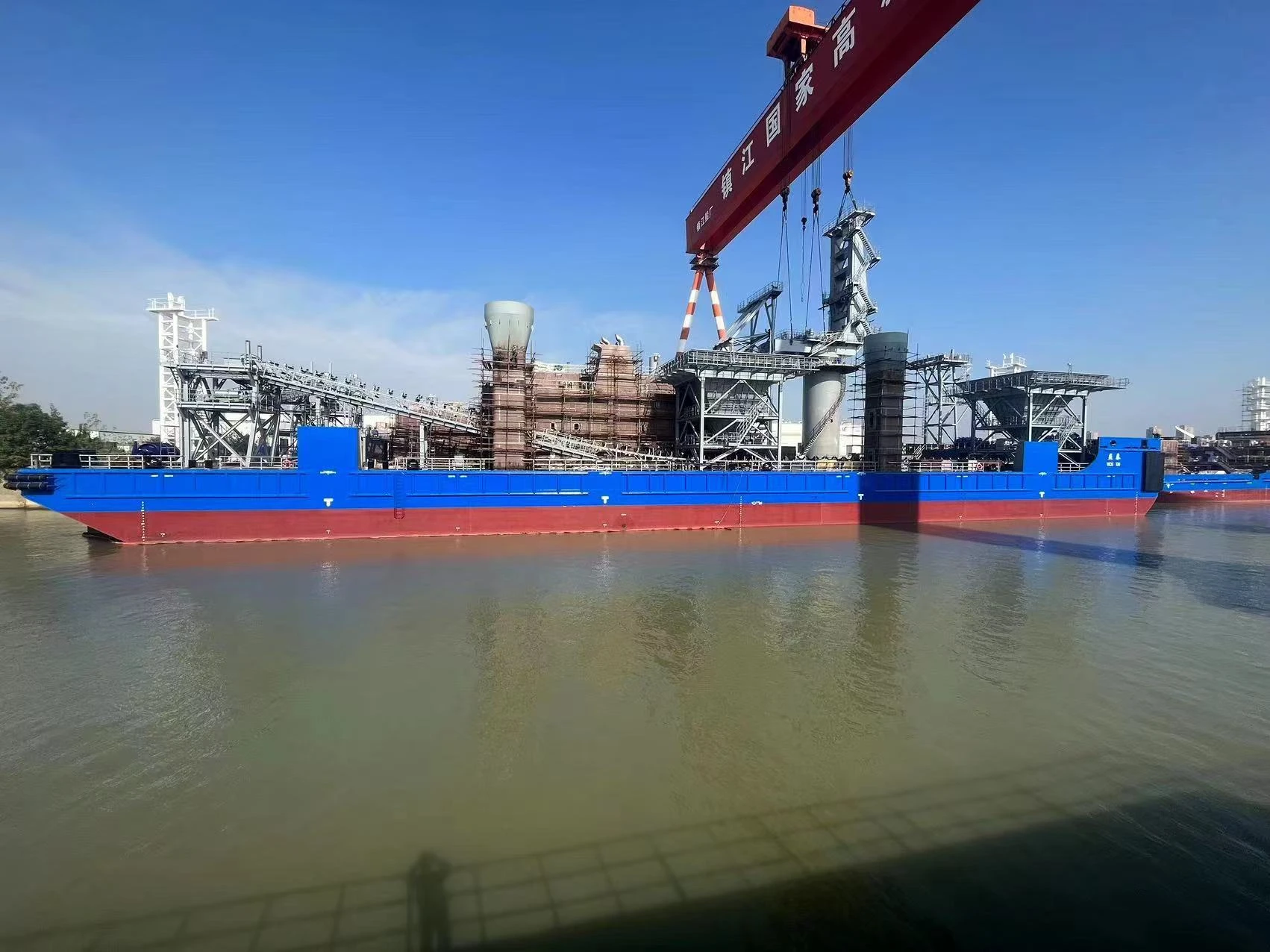
Ship crane dispatch reduces deck interference by helping you plan crane moves and times effectively. This enhances safety on the deck and ensures smooth operations. It minimizes risks such as collisions or swinging loads. CEGC provides innovative port machines and lifting tools that empower port authorities, terminal operators, and EPC contractors to work more efficiently.
Key Takeaways
-
Ship crane dispatch makes things safer. It plans crane moves well. This lowers the chance of crashes. It helps work go smoothly.
-
Crane operators must talk to each other. This stops confusion. It keeps work moving fast and safe.
-
Advanced systems help a lot. Anti-sway controls make cargo handling better. Predictive maintenance keeps things reliable. These tools cause fewer delays. They make the work area safer.
Ship crane dispatch reduces deck interference
What is deck interference
Deck interference happens when cranes or equipment block each other’s way. This can happen if a portal crane, container crane, or ship crane moves cargo and another machine is in the path. When this happens, work slows down and safety problems can occur. Using CEGC’s port machinery helps make moves smooth and safe. If you do not control interference, you may have delays or damage to your equipment.
Causes and risks on deck
Many things can cause interference on deck. Sometimes, equipment is not tied down right. Other times, operators do not get clear instructions or the weather changes fast. Human mistakes or things in the environment can also cause problems. Here are some risks you should watch for:
-
Equipment failures can cause damage or crashes if machines are not secured.
-
Drifting objects or fishing nets can trap or break your equipment.
-
If you do not secure equipment in bad weather, it can fall or get damaged.
-
Operator skill differences can cause mistakes, especially with automated systems. Some operators may not use automation well, which can affect safety.
-
If you do not train your team on manual and automated controls, more incidents can happen.
When interference happens, you may see delays, higher costs, and safety issues. You want to avoid these problems to keep your port working well.
How dispatch systems address interference
Ship crane dispatch helps you plan and organize every crane move. Dispatch systems give clear directions to each crane operator. This planning helps you avoid overlap and keeps cranes from blocking each other. Here is how these systems help you:
-
You use good communication, so every operator knows their job. If you do not communicate well, injuries and accidents can happen.
-
You plan each move ahead of time. Operators get instructions about which containers to handle before work starts.
-
You organize your steps. For example, you can use separate radio channels for different equipment. This keeps movements clear and reduces overlap.
CEGC’s advanced systems help even more. You get anti-sway control, which keeps loads steady and stops swinging into other equipment. Safety interlocks stop cranes if they get too close. The operator-centered HMI gives clear alarms and updates, so you always know what is happening.
You can see the results of these systems in real life:
|
Evidence Description |
Impact on Productivity |
Source |
|---|---|---|
|
More than 1.0 container lifts per hour increase |
OSHA Federal Register |
|
|
Overall productivity improvement |
About 8% improvement in productivity |
OSHA Federal Register |
|
Moves per hour comparison |
40+ moves per hour (East Coast) vs. 30 moves (West Coast) |
OSHA Federal Register |
When you use ship crane dispatch, you get faster cycle times and fewer delays. You also lower the risk of crashes and load sway. If you train your team well and use CEGC’s automation and safety features, you can handle more cargo with less risk. Ship crane dispatch helps every operator, every shift, and every vessel. You keep your deck clear, your equipment safe, and your operations running well.
Crane communication and collision prevention
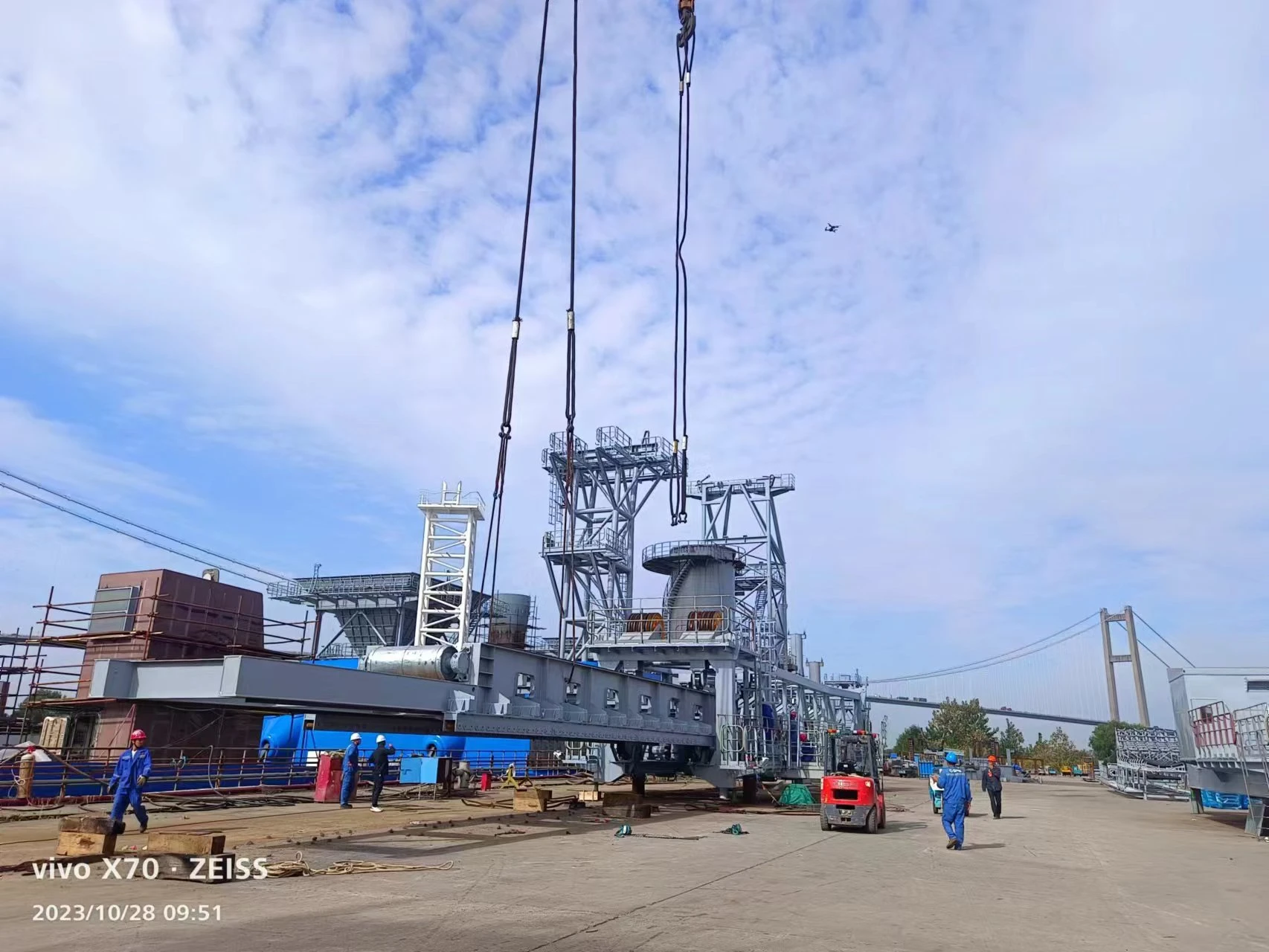
Crane communication systems
Good crane communication keeps your port safe. Cranes share their position and speed right away. This helps stop crashes and protects your team. Sensors on each crane check how close other machines are. Optical data transmission uses light to send information quickly. These systems work well, even in bad weather. Here is how some features help stop crashes:
|
Feature |
Contribution to Collision Prevention |
|---|---|
|
Optical Data Transmission |
Sends data fast, so cranes do not hit each other. |
|
Sensor-based Systems |
Sensors check distance and control paths to keep cranes apart. |
Prevent collisions with automation
Automation helps stop crashes by controlling crane moves. Automated systems use GPS, LiDAR, and cameras to watch for things in the way. Cranes can slow down or stop if something blocks them. Here is how these tools work:
-
Crane path control decides when cranes start, stop, or change speed.
-
Route mapping finds the safest way for each crane to move.
-
Obstacle detection finds other cranes, vehicles, or containers.
These tools help you stop crashes and keep cargo safe.
Multi-layer safety and anti-sway controls
Multi-layer controls give you more safety. CEGC’s operator-centered HMI shows clear alarms and updates you can read easily. Safety interlocks stop cranes if they get too close. Anti-sway technology keeps loads steady, so swinging cargo does not cause crashes. Operators press fewer buttons and make fewer mistakes. You see fewer close calls and safer work. Automation and good crane communication help you stop crashes every day.
Cargo handling efficiency and operational benefits
Faster cycle times and reduced delays
You can make cargo handling faster with ship crane dispatch and good communication. These tools help you move containers quickly. They also cut waiting times for ships and yard equipment. Real-time updates and predictive maintenance keep cranes ready to work. This helps you avoid long delays.
|
Evidence Description |
Impact on Waiting Times and Cost Savings |
|---|---|
|
Real-time updates on vessel ETAs and equipment status |
Equipment spends less time not working. Energy use goes down. Operations become more efficient. |
|
Effective dispatching synchronizes vehicle arrivals with crane cycles |
Cranes spend less time waiting. Vessel operations move better. |
|
Virtual Arrival systems improve time-of-arrival coordination |
Equipment spends less time not working. Energy waste drops by about 15-20%. |
|
Predictive maintenance based on sensor data |
Crane downtime drops by about 15-20%. Equipment stays ready to use. |
You get faster cycle times when you match crane and vehicle schedules. Studies show advanced dispatch systems can boost productivity by up to 40% over older ways.
Improved safety and reliability
You keep your team and cargo safe with predictive maintenance and high-throughput handling. These systems find problems early. You fix them before accidents or damage happen. Fewer equipment failures mean fewer risks and less cargo loss. Continuous monitoring catches small issues before they grow. This keeps your port running well. Sensors and IoT devices help keep equipment safe and reliable.
Customization and lifecycle protection
You can adjust CEGC’s port machinery to fit your project. Pick the right capacity, automation, and anti-corrosion features for your site. Mobile mechanisms and job traceability tools help you track cargo handling steps. Lifecycle protection gives you better traffic management and less congestion. Maintenance scheduling gets easier. This gives you long-term reliability and helps control costs. You keep cargo handling efficiency high.
You get safer and faster cargo handling with ship crane dispatch, good communication, and automation. These systems help you stop deck interference and avoid crashes.
-
Ship cranes help you work faster and save time.
-
Advanced controls help stop mistakes and damage.
-
Better planning helps you use less labor.
-
Good lighting helps people see and stay safe.
|
Recommendation |
Description |
|---|---|
|
Understand system types |
Learn about different cargo handling systems and why they are helpful. |
|
Evaluate suppliers |
Pick suppliers who help you from start to finish. |
|
Consider safety features |
Make sure your equipment is safe for ships. |
|
Tailor configurations |
Change systems to fit your ship and how you work. |
|
Ensure professional installation |
Use trained people to set up and run your equipment. |
|
Plan for maintenance |
Make sure you can get repairs and spare parts easily. |
Pick CEGC’s port machinery for safe, fast, and custom cargo handling.
FAQ
How does ship crane dispatch improve safety on a ship?
Ship crane dispatch helps you plan each crane move. This lowers the chance of accidents. Good communication stops crashes and keeps people safe.
Why is communication important for ship crane operations?
Clear communication helps you organize crane moves. It stops confusion and delays. Strong communication keeps ship work smooth and fast.
Can you customize ship crane systems for different ship types?
You can pick ship crane systems that fit your ship. You choose the right size, automation, and safety features. This lets you handle cargo on any ship.


