
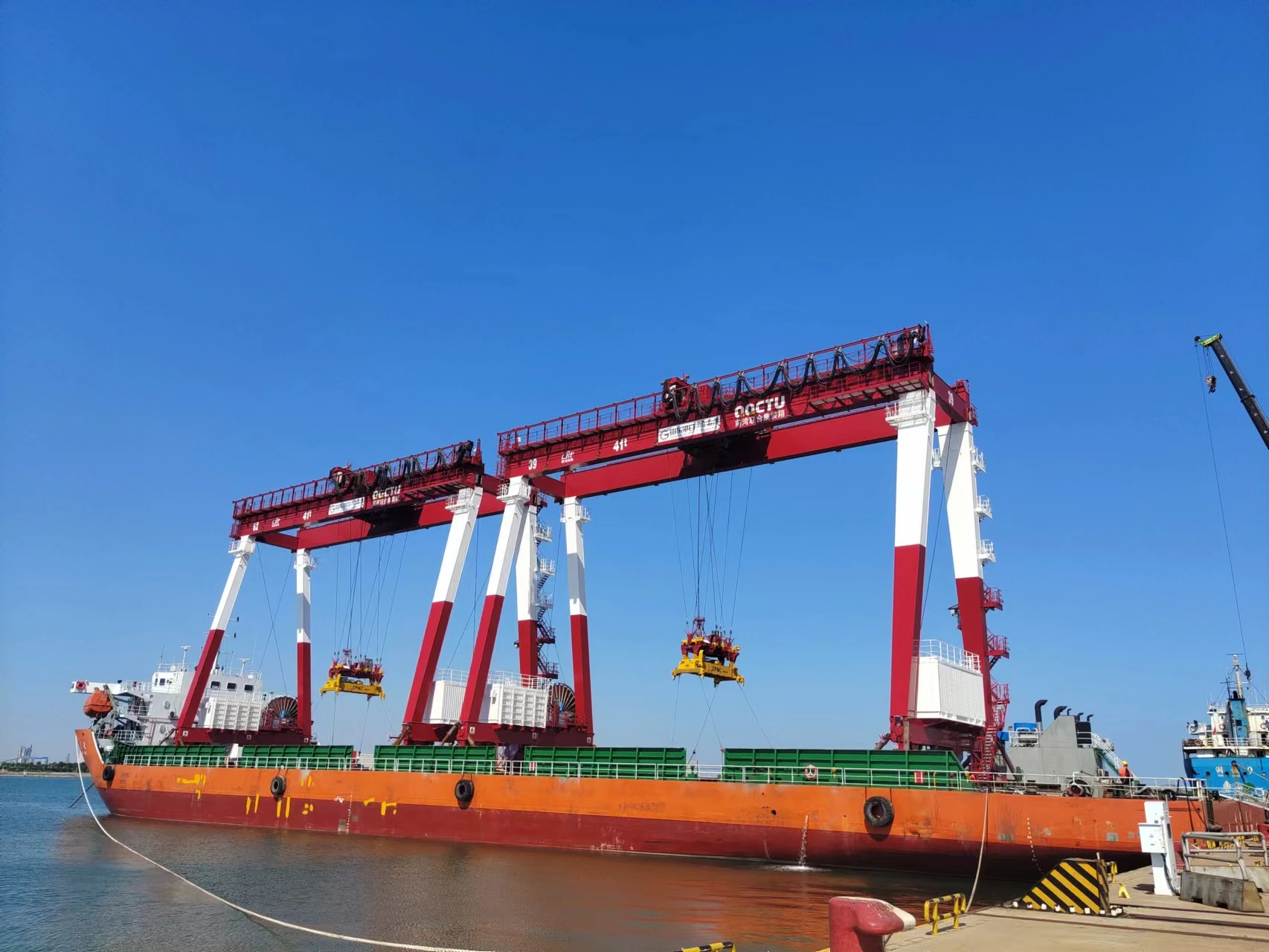
Ship loading systems remote monitoring reduces rework by helping you avoid mistakes and minimize repeated tasks. With CEGC’s advanced solutions, you benefit from:
-
Early warning alerts that allow you to address issues before they escalate.
-
Real-time visibility so you can immediately detect and respond to slowdowns.
-
Process monitoring that delivers instant data for smarter decision-making.
CEGC offers lifting equipment with customizable ship loading systems remote monitoring reduces rework features to match your operational needs. Explore how adjustable hook height, versatile lifting mechanisms, and enhanced safety options can improve your workflow:
|
Customization Aspect |
Description |
Impact on Efficiency |
|---|---|---|
|
Hook Height |
Adjustable lifting height for precise positioning. |
Increases lifting accuracy. |
|
Lifting Mechanisms |
Choose between wire rope or electric chain hoists. |
Optimizes lifting capacity and speed. |
|
Additional Features |
Includes wireless controls and safety enhancements. |
Improves ease of use and safety. |
|
Configuration Choices |
Select single or double girder cranes. |
Maximizes lifting capability and cost savings. |
With CEGC, ship loading systems remote monitoring reduces rework by enabling you to oversee your operations, quickly identify issues, and continuously enhance your performance.
Key Takeaways
-
Remote monitoring lets you find problems early. This helps stop mistakes and lessens the need to fix things again. - Load monitoring systems help keep lifting safe. They give you live data about weight and balance. - Predictive maintenance helps save money. It stops expensive repairs and keeps equipment working well.
Common Causes of Rework in Ship Loading
Manual Handling and Human Error
Manual handling in ship loading brings many problems. People make mistakes, which means work must be done again. This also makes things less safe. Being tired, stressed, or not trained well makes mistakes more likely. These things all lead to more rework, as shown in the table below:
|
Human Error Type |
Description |
|---|---|
|
Inadequate checking |
Crew gets tired and misses steps when loading. |
|
Operator inexperience |
Not enough training leads to more mistakes and less safety. |
|
Lack of exercise |
Without practice, people make more errors. |
|
Progress tracking lack |
Changing jobs and being tired makes it hard to track work. |
|
Misperception of risk |
Stress and tiredness make it hard to see safety risks. |
|
Poor feedback |
Bad tools or unclear messages make mistakes and lower safety. |
|
Unfamiliarity |
New crew or rare jobs mean more mistakes can happen. |
Many problems come from human error, like bad company rules or poor design. Training better and giving clear feedback can help keep people safe and make work faster.
Load Sway and Collision Risks
Load sway and collision risks make ship loading less safe and slower. When using a portal crane, container crane, or ship crane, load sway makes cargo hard to move. This can cause more mistakes and accidents. You might see these issues:
-
Cranes can damage containers, which costs more and is less safe.
-
Spreader swings and heavy loads make hooking fail more often.
-
Watching for impacts right away helps stop delays and keeps people safe.
CEGC’s anti-sway systems help lower these risks and make work better.
Inefficient Communication and Delayed Response
Bad communication causes slowdowns and more mistakes. If you do not get updates fast, you cannot fix problems quickly. This makes things less safe and slows down work. Different skill levels and unclear directions also cause errors. You need good systems to watch progress and share news. CEGC’s equipment lets you share data right away, which helps stop mistakes and keeps everyone safer.
Ship Loading Systems Remote Monitoring Reduces Rework
Real-Time Oversight and Automated Alerts
When you use ship loading systems with real-time oversight, you get a big advantage. These systems send you updates right away during loading. You can see data about the crane, cargo, and weather as it happens. This helps you find problems before they get worse. Alarms and shutdowns happen by themselves to keep people and machines safe. If a container handler or portal crane finds danger, the system can stop work to avoid accidents.
CEGC’s monitoring technology uses sensors to watch load sway, wind, and machine health. You get alerts if something is unsafe, too heavy, or moving strangely. This keeps everyone safer and helps stop mistakes. Smart detection makes sure your work stays safe. These tools help you avoid doing work again and keep things running well.
Remote Diagnostics for Quick Troubleshooting
Remote diagnostics change how you fix equipment problems. You do not have to wait for experts to come. You can check live data and logs from anywhere. This makes fixing things faster and cuts down on waiting. You can see how your ship loader, container gantry crane, or reach stacker forklift is working right now. If something goes wrong, you can fix it quickly from far away.
|
Remote Diagnostics Feature |
Benefit for Ship Loading Operations |
|---|---|
|
Finds problems early so you can act fast and avoid long waits. |
|
|
Integration with analytics and operational analysis |
Helps you plan repairs and spot trouble before it gets worse. |
|
Shore-based remote access |
Lets your team fix things without being there in person. |
|
Early detection of faults |
Stops expensive repairs and keeps equipment ready to use. |
|
Faster repairs without on-site intervention |
Cuts down on waiting and keeps ships on schedule. |
You use remote diagnostics to plan repairs before things break. This means you fix small problems before they get big. You do not have surprise stops and your ship loading systems keep working. Data logging records everything, so you can look back and make things better.
Load Monitoring Systems for Safe Operations
Load monitoring systems help keep your work safe. These systems show you the weight and balance of every lift in real time. You always know if your cargo is safe to lift. If the system finds too much weight, it warns you right away. This helps you stop overloading and avoid accidents.
-
Load monitoring systems tell you the exact weight and balance of each load.
-
They check if the load is safe for the crane and stop unsafe lifts.
-
Weather features adjust for wind or rain to keep your team safe.
-
You get alerts if the load moves or if things change, so you can act fast.
These systems make your workplace safer and lower the chance of accidents. They also protect your machines from getting damaged. Marine safety systems use smart monitoring to keep things safe, even when the weather is bad.
Effective Ship Crane Monitoring System Integration
Using a good ship crane monitoring system makes your work more reliable and lowers mistakes. These systems give you real-time info about how the crane is working, the load, and the weather. You can plan repairs before something breaks. This keeps your cranes, like cargo cranes or ship cranes, ready for every job.
-
Real-time data helps you make smart choices and avoid mistakes.
-
Predictive maintenance lets you fix things early and do less rework.
-
The system checks for too much weight and watches every lift.
-
Anti-sway technology keeps loads steady, even if the ship moves or it is windy.
-
Safety standards make sure your work follows all the rules.
You can change CEGC’s systems for automation, anti-corrosion, and monitoring. Strong coatings and materials protect cranes from salt and bad weather. Automation makes work faster and more accurate, so you finish jobs quickly. Sensors and smart controls help you find and fix problems fast.
Tip: Many ports have gotten better after adding remote monitoring. For example, predictive maintenance has cut repair costs by 12% and lowered surprise stops. Equipment stays in good shape, which is important for dangerous cargo.
By using these systems, you make your port safer and more efficient. You do less rework, save money, and keep your team safe. CEGC lets you pick the right features for your lifting equipment and offshore platform needs. You get strong, reliable ship loading systems that work well for you.
Operational Benefits and Efficiency Gains
Improved Throughput and Cycle Time
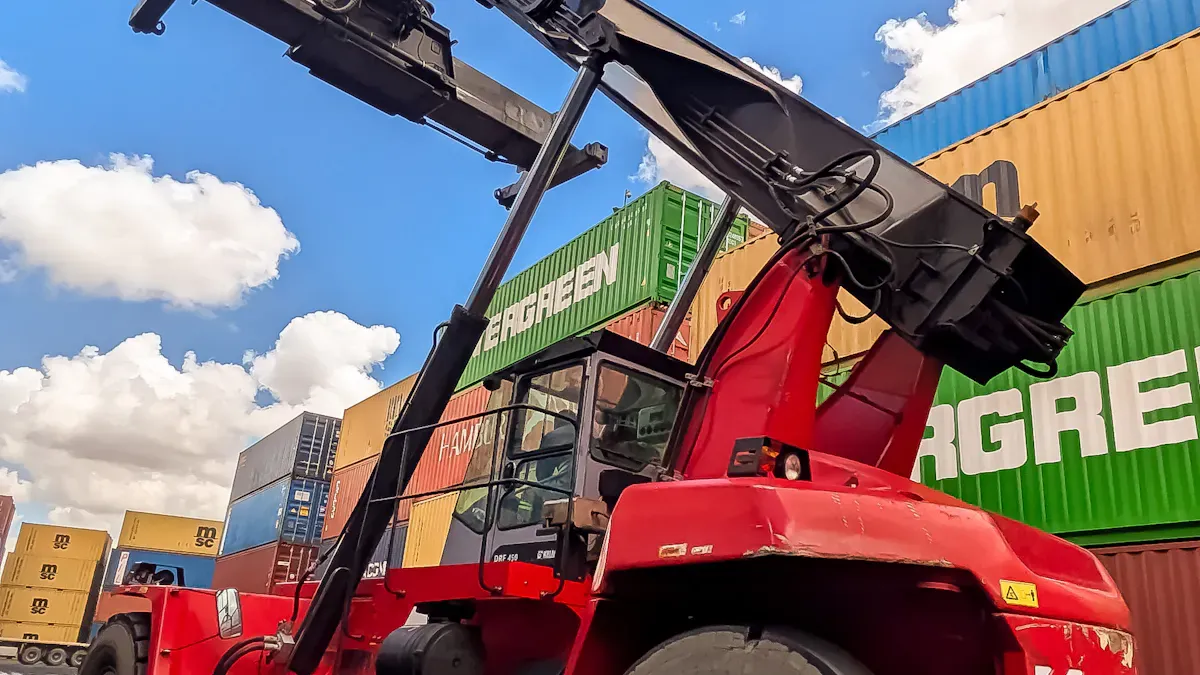
Remote monitoring helps your port work better. You can find problems early and keep things running well. Automated handling and IoT sensors make ships move faster and wait less. The table shows how these tools help:
|
Description |
Improvement |
Source |
|---|---|---|
|
Automated handling systems |
Yen et al. (2023) |
|
|
IoT sensor integration |
Faster vessel handling |
Koroleva et al. (2019) |
|
Accurate weather data |
Fewer delays, less fuel use |
Koroleva et al. (2019) |
Operations become more reliable and cycle times get better. Ships spend less time at the dock. You move more cargo every day.
Enhanced Safety and Reduced Downtime
Remote monitoring gives you alerts in real time. You can fix problems before accidents or breakdowns happen. These systems keep your team safe and your equipment ready. Here are some main benefits:
-
You get monitoring all day and quick alerts.
-
Predictive maintenance stops failures before they happen.
-
Accurate data lowers risks of collisions and mistakes.
-
Better diagnostics mean less downtime.
You can trust these systems to protect your people and cargo.
Cost Savings and Lifecycle Protection
Remote monitoring saves money for ship cranes and container cranes. You find issues early and fix them fast. This avoids expensive repairs. You need fewer technicians on site, so labor costs go down. Predictive maintenance uses resources better and stops emergency repairs. CEGC’s advanced systems protect your equipment for its whole life.
Note: Automation and digital tools cut human error and improve asset use. You get safer and more efficient operations with every vessel.
Remote monitoring helps make ship loading better. It helps you make fewer mistakes and do less work again. Remote diagnostics and load monitoring systems help keep your port safe and running well. CEGC lets you pick features that fit what you need. Experts say you should use things like mobile surveillance, cloud security, and AI analytics.
|
Recommendation Type |
Description |
|---|---|
|
Mobile Surveillance Systems |
Easy to move and set up for watching things |
|
Cloud-Based Security |
Safe and easy-to-reach place for saving data |
|
AI-Driven Analytics |
Finds problems better and gives fewer wrong alarms |
FAQ
What steps can you take to improve crane safety during ship loading?
You should use remote monitoring and teach your team. It is important to follow safety rules. These steps help you find dangers early. They also make crane safety better every day.
How does remote monitoring help with crane safety?
Remote monitoring sends you alerts right away. You can see problems fast and fix them quickly. This keeps cranes safe and helps stop accidents at the dock.
Why should you care about crane safety in port operations?
Crane safety keeps workers and cargo safe. It helps you avoid damage and delays that cost money. Good crane safety means you follow the rules and keep your port working well.


