
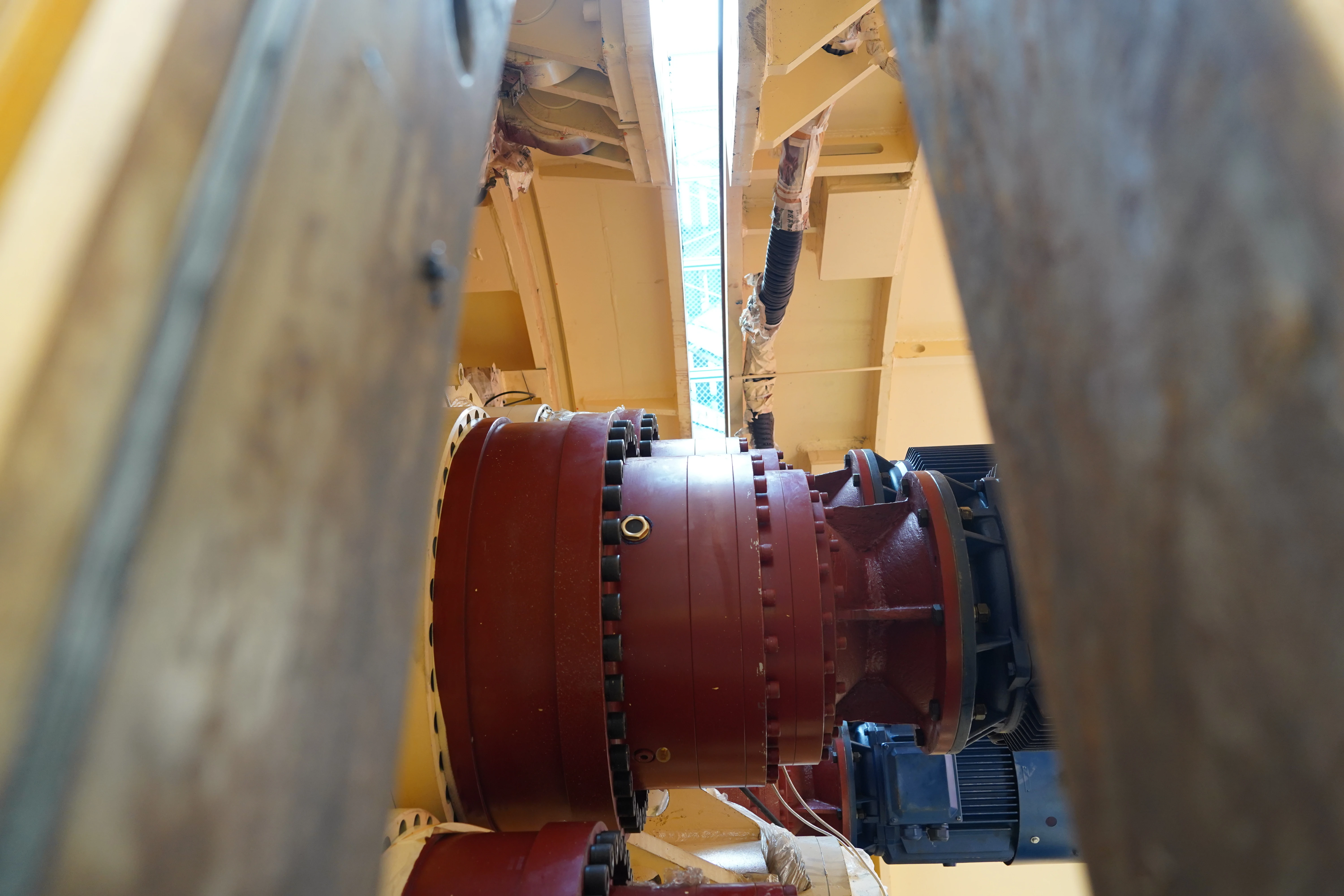
Signal drops can shut a TBM tunnel mid-drive, causing significant disruptions. When operating a tunnel boring machine, having access to live data and maintaining communication is crucial. Even a brief signal loss can halt operations, create safety issues, and lead to delays. CEGC provides robust solutions to mitigate these risks. Imagine a city tunnel project coming to a sudden stop due to a lost connection—CEGC ensures that your operations remain seamless and efficient.
Key Takeaways
-
TBM operations need reliable signals to work well. Good signals help keep workers safe and make work faster. They let people watch what is happening and fix problems quickly.
-
If signals drop, tunneling can stop right away. This can cause expensive delays and make things unsafe. Picking a TBM with strong signals is very important for the project to do well.
-
CEGC has smart tools like predictive maintenance and backup systems to stop signal loss. These tools help projects stay on schedule and cut down on lost time.
Signal Drops Can Shut a TBM Tunnel Mid-Drive
Why TBM Tunneling Control Needs Reliable Signals
When you use a tunnel boring machine, you need information fast. TBM tunneling control uses sensors and data to keep your project safe. Reliable signals help you make good choices as you dig. You can watch the ground, check how the machine works, and change your plan quickly.
-
Real-time data helps you fix problems fast.
-
Sensor networks check the ground and machine health.
-
Remote monitoring lets experts help from far away.
-
Alignment and grade control stop surface settlement.
-
Real-time monitoring shows if the tunnel moves off course.
These tools keep your project safe and running well. TBM tunneling control needs steady communication. If you lose the signal, you cannot control the tunnel machine. That is why signal drops can shut a TBM tunnel mid-drive.
How Signal Drops Disrupt TBM Operations
Signal drops can stop a TBM tunnel in seconds. If the tunnel machine loses its connection, the system shuts down for safety. This keeps your crew and the city safe, but it stops all work. You cannot move the TBM, check the ground, or steer until the signal comes back.
CEGC builds every TBM and microtunnelling machine to meet strong communication standards. You can ask for custom features to fit your site. This gives you a tunnel machine that works for your needs, in a city or a remote place.
When signal drops can shut a TBM tunnel mid-drive, you face big risks:
-
You lose time and money every minute the machine stops.
-
Your team cannot react to changes in the ground.
-
Safety risks go up because you cannot watch the TBM or tunnel.
-
Delays can cause claims, penalties, and upset clients.
EPC contractors and utilities depend on TBM tunneling control for good performance. You need a system that works even when the ground changes or the job gets hard. CEGC helps you avoid problems from signal drops that can shut a TBM tunnel mid-drive. With reliable communication, you protect your schedule, your budget, and your team.
Tip: Always pick a tunnel machine with strong signal reliability. This keeps your project safe and helps you finish without costly stops.
Causes and Solutions for Signal Loss in TBM Tunneling Control
Common Causes of Signal Drops Underground
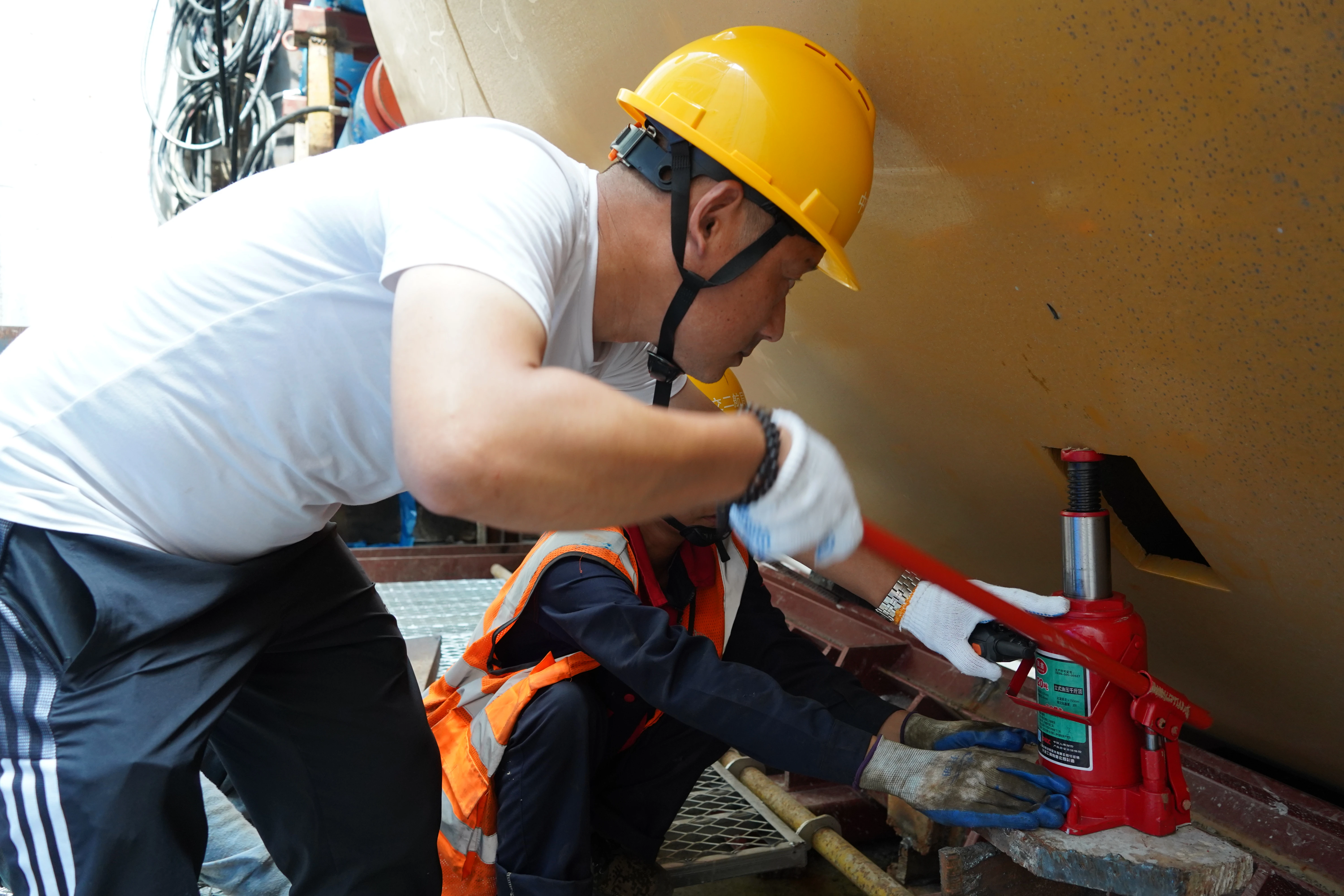
Working underground with a tbm can be hard. Signal loss happens for many reasons. Sometimes, electromagnetic interference messes up the control systems. Thick rock or concrete can block signals between the tunnel machine and the control center. Equipment can break and stop communication right away. Changing geology makes tunneling tricky and can hurt signal strength.
Here is a table that shows how geology affects tbm work:
|
Evidence Description |
Impact on TBM Operations |
|---|---|
|
Ground condition variability makes tbm work harder. |
Performance and reliability drop when geology changes fast. |
|
Skilled operators try to adjust to new ground. |
But, surprises in the ground can still slow work and cost more. |
You need to watch for these problems to keep tunneling safe. Geology is the most important thing to check during tunneling. The tbm works deep underground, so you need good geology info to do well.
Technical Solutions for Signal Reliability
There are ways to keep signals strong while tunneling. Early warning systems help you find problems before they stop work. Modular design lets you fix or build the tunnel machine fast, so signal loss is less likely. Face pressure control keeps the tunnel safe and protects sensors from damage. Guidance systems help you steer the tbm and stay on course.
Here are some good solutions in this table:
|
Solution Type |
Description |
|---|---|
|
Systems watch cutter wear and hydraulic pressure to plan repairs, so you do not have to stop suddenly. |
|
|
Preventive Maintenance |
Fixing small issues early stops big breakdowns and saves time and money. |
|
Redundancy in Measurements |
Using more than one sensor for important data means you still get info if one breaks, so monitoring stays strong. |
You should use pressure sensors that can handle shaking. These sensors keep working even if there are shocks. They have tough parts and cases that absorb bumps. This stops wear, signal drift, and leaks. Checking and fixing sensors often keeps everything working right. Having backup sensors means you can still watch the tunnel if one fails.
Tip: Keep checking and fixing tbm monitoring systems to make sure they work well in tough tunnel conditions.
CEGC’s Approach to TBM Signal Management
CEGC makes tunnel machines that focus on strong signals and less downtime. You can change your tbm or microtunnelling machine to fit your job. CEGC uses auto correction to fix yaw fast in tbm machines. This keeps tunnels straight and lowers mistakes. Smart sensors watch for machine problems and unsafe ground, so you can act quickly.
AI and robots do dangerous jobs, so your crew is safer. Emergency plans help you deal with equipment problems and ground trouble. Practice drills help your team get ready and follow safety rules.
CEGC’s guidance systems help you steer in real time and report as you build. Strong machine frames stop drift and keep tunneling correct. Controlled digging shapes help you avoid cutting too much and make segment installation easier. Modular designs make moving and fixing machines faster, so you lose less time.
These features help you cut downtime, keep people safe, and lower costs. CEGC’s tbm solutions help you tunnel faster and better. EPC contractors say quick yaw fixes make things safer and protect buildings nearby. The system helps you finish jobs faster and save money.
Note: CEGC’s tbm and microtunnelling machines can be changed for your needs, so you get strong signals and safe, fast tunneling.
You must have steady signals to keep your TBM working. CEGC’s tools help you stop problems and save time. Good communication and control systems make your project safer. They also help you work better. Here is how these systems help you:
|
System Feature |
Benefit for Your Project |
|---|---|
|
Stops accidents and keeps work going |
|
|
AI-driven controls |
Makes work faster and safer |
If you need a TBM made for your project, contact CEGC now.
FAQ
What happens if a TBM loses its signal underground?
You see the tunnel machine stop for safety. You cannot control or monitor the TBM until you restore the signal.
How does CEGC help prevent signal drops?
You get advanced sensors, backup systems, and modular designs. These features keep your TBM machine running with fewer interruptions.
Why is real-time data important for tunnel boring machines?
You need real-time data to spot problems early. This helps you keep your team safe and your project on schedule.


