
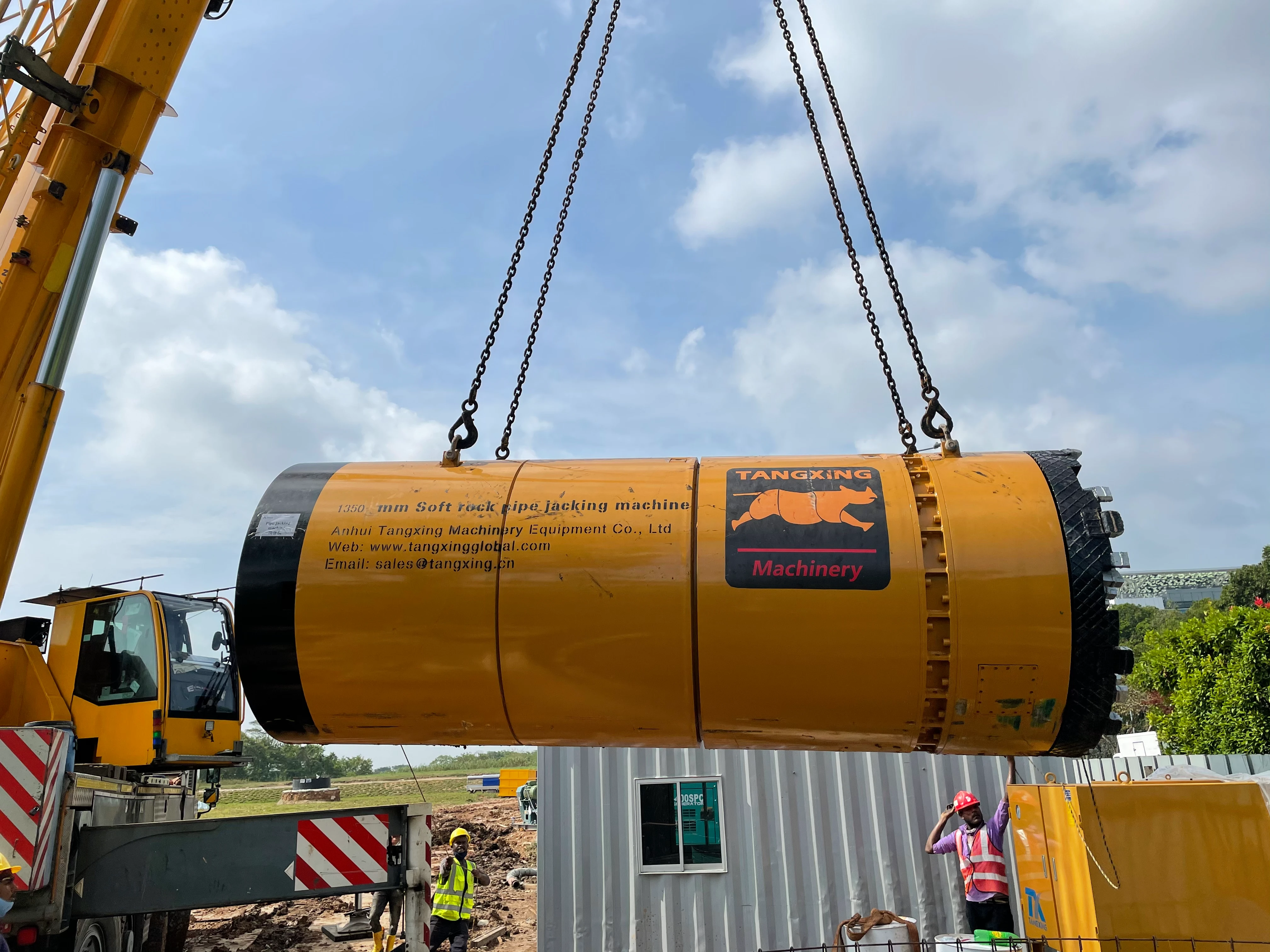
You may not realize that slow discharge can jam a TBM tunnel at low thrust. This problem can stop your tunnel machine and delay your project. CEGC helps you understand why this happens so you can avoid costly mistakes and keep your TBM tunnel boring machine running smoothly.
Key Takeaways
-
Watch discharge and thrust all the time to stop jamming. Finding problems early can stop expensive delays.
-
Look for signs of jamming, like slow spoil removal and higher torque. If you act fast, you can save your project.
-
Use things like a strong support and chemical grouting to lower jamming risks.
Slow discharge and low thrust in TBM tunneling
What is slow discharge in TBM operations
It is important to know about slow discharge when using a tunnel boring machine. Slow discharge happens when the machine takes out the dug-up material too slowly. This can be caused by the auger or conveyor moving slowly or by blockages. In TBM tunneling, slow discharge is risky because spoil piles up behind the cutting head. If you do not remove this material fast, jamming can happen. Jamming will stop the digging and put your project in danger. You need to check the discharge rate carefully during every step of tunneling. Watching the process in real time helps you find slow discharge early and stop bigger problems.
Effects of low thrust on tunnel machine performance
Low thrust means the force pushing the cutting head is too weak. This can happen if the hydraulic system loses pressure or if the ground changes. When thrust is low, the TBM cannot cut through soil as planned. The chance of jamming goes up because the machine cannot move forward fast enough. You should check thrust levels often to keep the TBM safe. If you ignore low thrust, you might get jamming, delays, and extra costs. Checking thrust and discharge in real time is important for safety and good work. You should always match thrust to the ground for smooth tunneling. Remember, slow discharge can jam a TBM tunnel at low thrust, so you must stay alert and keep watching your TBM.
How slow discharge can jam a TBM tunnel at low thrust
Mechanisms of material buildup and jamming
You need to understand how slow discharge can jam a TBM tunnel at low thrust. When you operate a tunnel boring machine, you must keep spoil moving out of the tunnel. If you let discharge slow down, material starts to build up behind the cutterhead. This buildup blocks the tunnel and increases jamming risk. You see jamming when the cutterhead and shield get blocked. Rock collapse, large deformations, and creep make jamming worse. The interaction between TBM parts and the surrounding conditions is important. If you ignore these interactions, you face more jamming and excavation problems.
-
Slow discharge causes spoil to pile up behind the cutterhead.
-
Jamming happens when cutterhead and shield blockages stop excavation.
-
Rock collapse and deformation increase jamming risk.
-
Creep in the ground adds to material buildup.
-
TBM and ground conditions interact and raise jamming risk.
-
You must do jamming risk assessment to keep tunneling safe.
Low thrust makes jamming worse. If you do not push the tunnel boring machine hard enough, spoil stays in the tunnel. The TBM cannot cut through tough conditions. You see more jamming and need more power. If you keep thrust low, you risk exceeding the TBM’s maximum thrust. This leads to jamming and stops excavation.
|
Evidence Description |
Impact on TBM Operations |
|---|---|
|
Clogging at cutterhead or pipelines increases thrust resistance and torque demand |
Elevates mechanical power consumption |
|
Frequent adjustments of thrust and rotation speed in soft strata |
Increases carbon emissions per tunnel ring by over 10% |
|
Total thrust required increases rapidly in weak zones |
TBM may exceed maximum thrust capacity, leading to jamming |
You must watch real-time discharge and thrust. If you see slow discharge and low thrust together, you face high jamming risk. You need to do jamming risk assessment often. If you ignore these signs, you risk tunnel blockage and excavation delays.
Warning signs and operational risks
You must know the warning signs of jamming in TBM tunneling. If you see spoil not moving, you face jamming risk. If thrust drops, you risk cutterhead blockage. If torque rises, you see jamming risk. If you hear strange noises, you must check for jamming. If you see the TBM slow down, you risk tunnel blockage. If you see spoil pile up in the launch pit, you face jamming risk. If you see the shield stop moving, you must do jamming risk assessment.
Tip: Always check real-time discharge and thrust levels. Early jamming risk warning helps you keep tunneling safe.
You must know the risks for TBM operators and project managers. If you ignore jamming, you risk excavation delays. If you do not do jamming risk assessment, you face tunnel collapse. If you let spoil build up, you risk damage to the tunnel boring machine. If you do not act fast, you risk safety and efficiency. If you miss warning signs, you risk higher costs and longer projects.
-
Jamming risk increases with slow discharge and low thrust.
-
You must do jamming risk assessment for every tunneling project.
-
You risk tunnel collapse if you ignore jamming signs.
-
You risk damage to the TBM if spoil builds up.
-
You risk excavation delays and higher costs.
-
You must use real-time monitoring to lower jamming risk.
You must keep discharge and thrust at the right levels. If you do not, slow discharge can jam a TBM tunnel at low thrust. You must do jamming risk assessment and watch real-time signs. If you act early, you keep tunneling safe and efficient.
Prevention and solutions for TBM jamming
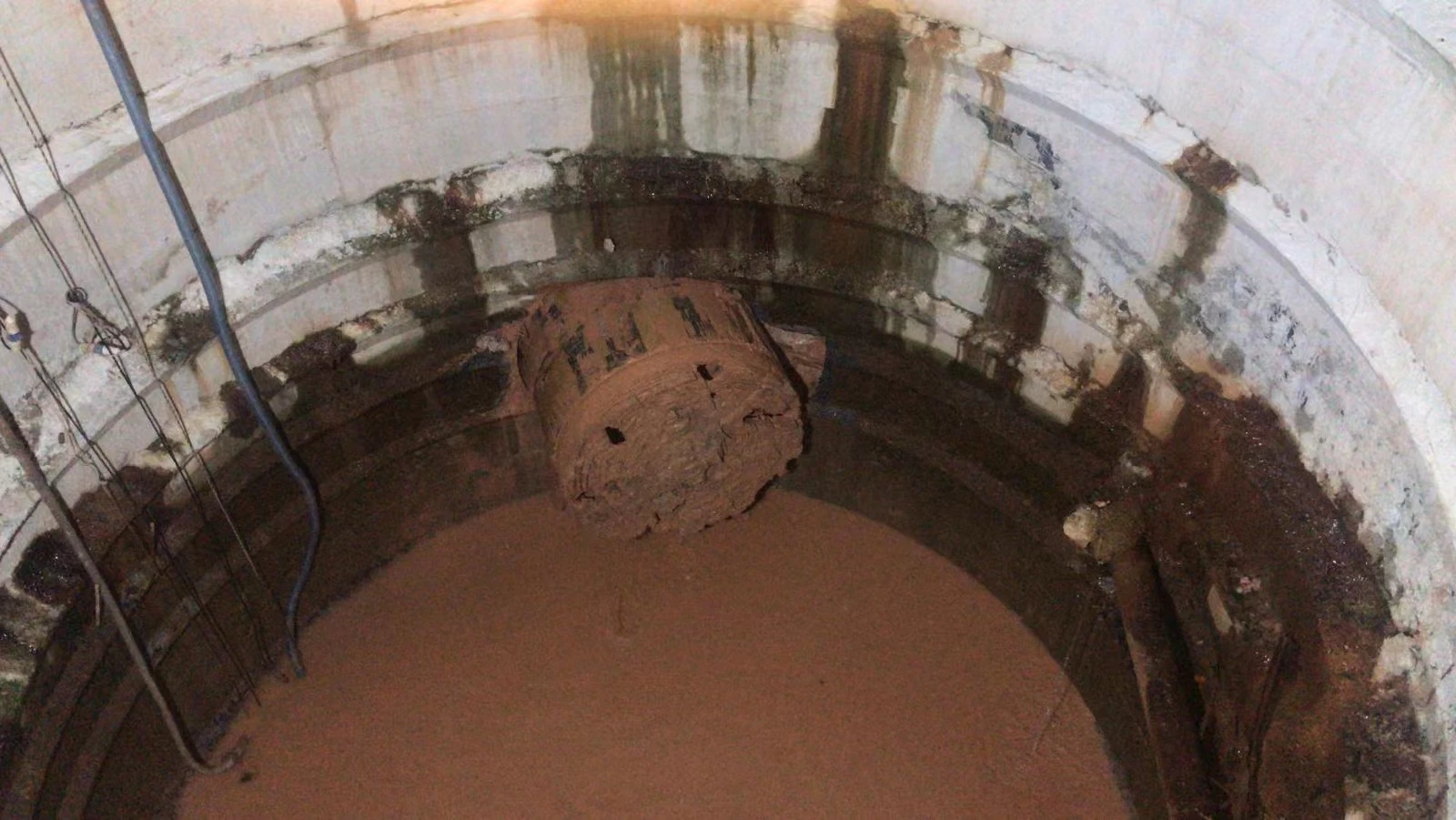
Monitoring discharge and thrust
You need to watch discharge and thrust all the time. Real-time monitoring helps you find problems early. If spoil moves slowly or thrust drops, act quickly. Use sensors to check spoil removal and thrust force. Set alarms for sudden changes in the data. Real-time data helps you see jamming risk signs. You should look at the tunnel boring machine display often. Watch for spoil buildup, torque spikes, or slow shield movement. These signs show jamming could happen soon. Regular checks keep tunneling safe and stop costly delays.
Steps to prevent and resolve jams
You can lower jamming risk by following some steps. Start with a tightly set rigid supporting structure. This keeps the tunnel stable and lowers jamming risk. Use chemical grouting to make weak ground stronger and stop water from coming in. Excavate a stress release groove to control ground movement and lower jamming risk. The table below shows these steps:
|
Step |
Description |
|---|---|
|
1 |
Tightly set rigid supporting structure |
|
2 |
Chemical grouting |
|
3 |
Stress release groove excavation |
If jamming happens, there are ways to fix it. In one case, workers made a bypass passage to reach the cutterhead and restart the TBM after five days. Polyurethane injection can stop water and help free a stuck cutterhead. The horizontal sonic profile method helps predict ground conditions ahead. This helps you avoid jamming and keep digging. You must check for jamming risk at every stage. Real-time monitoring and quick action lower the chance of tunnel collapse, machine damage, and long delays. Remember, slow discharge can jam a TBM tunnel at low thrust, so stay alert and use these steps to keep your project safe.
You have to control discharge and thrust to stop jamming. Jamming makes tunneling slower and costs more money. You need a way to check risks and watch the TBM in real time to stay safe.
In TBM excavation, jamming and TBM stuck events are big problems. These happen when the tunnel goes through weak rocks and fault zones. Jamming and TBM stuck slow down digging and make the project cost more. They also make the project take longer to finish.
You should always use real-time data and check risks for every job. Make sure your TBM fits the ground and use risk plans. Good habits and watching the TBM help you stop jamming and keep your checks strong.
FAQ
How can you tell if your TBM is at risk of jamming?
You should watch for slow spoil removal, rising torque, or sudden drops in thrust. These signs mean your TBM could jam soon.
What should you do if spoil starts to pile up behind the cutterhead?
Stop the machine and check for blockages. Clear the spoil quickly. Restart only after you fix the problem.
Can you prevent TBM jamming by adjusting thrust and discharge rates?
Yes! You can lower jamming risk by keeping thrust and discharge at the right levels. Real-time monitoring helps you make quick adjustments.


