
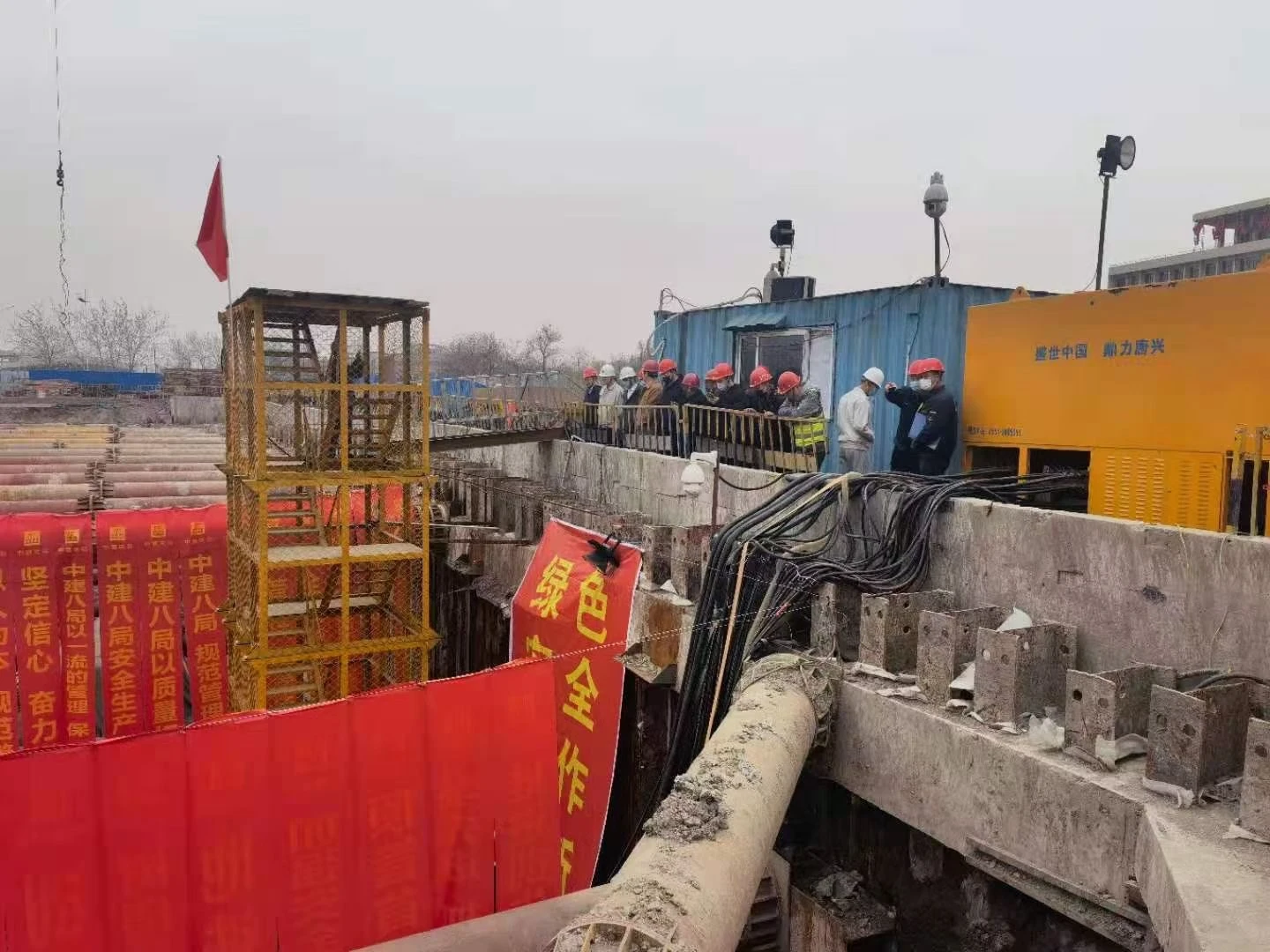
You must think about shaft design for small radius cuts shaft needs in horizontal tunneling and boring. The correct shaft size helps the thrust wall and hydraulic jacking system. This lets your tunnel machine, tunnel boring machine, auger boring machine, or Microtunnelling Machine work safely and well. CEGC uses strong building methods to keep your project safe and on schedule.
Key Takeaways
-
Pick the correct shaft size for safe tunnel boring machine use. A good shaft helps the thrust wall and hydraulic jacking system work well.
-
Think about tight tunnel curves at the start of your project. Use methods like microtunneling and reinforced concrete to handle small radius cuts.
-
Choose the right building methods for the ground type. Things like jacked caissons and soldier piles make tunnels more stable and safe.
Small radius cuts shaft needs in horizontal tunneling and boring
Design challenges for tight tunnel curves
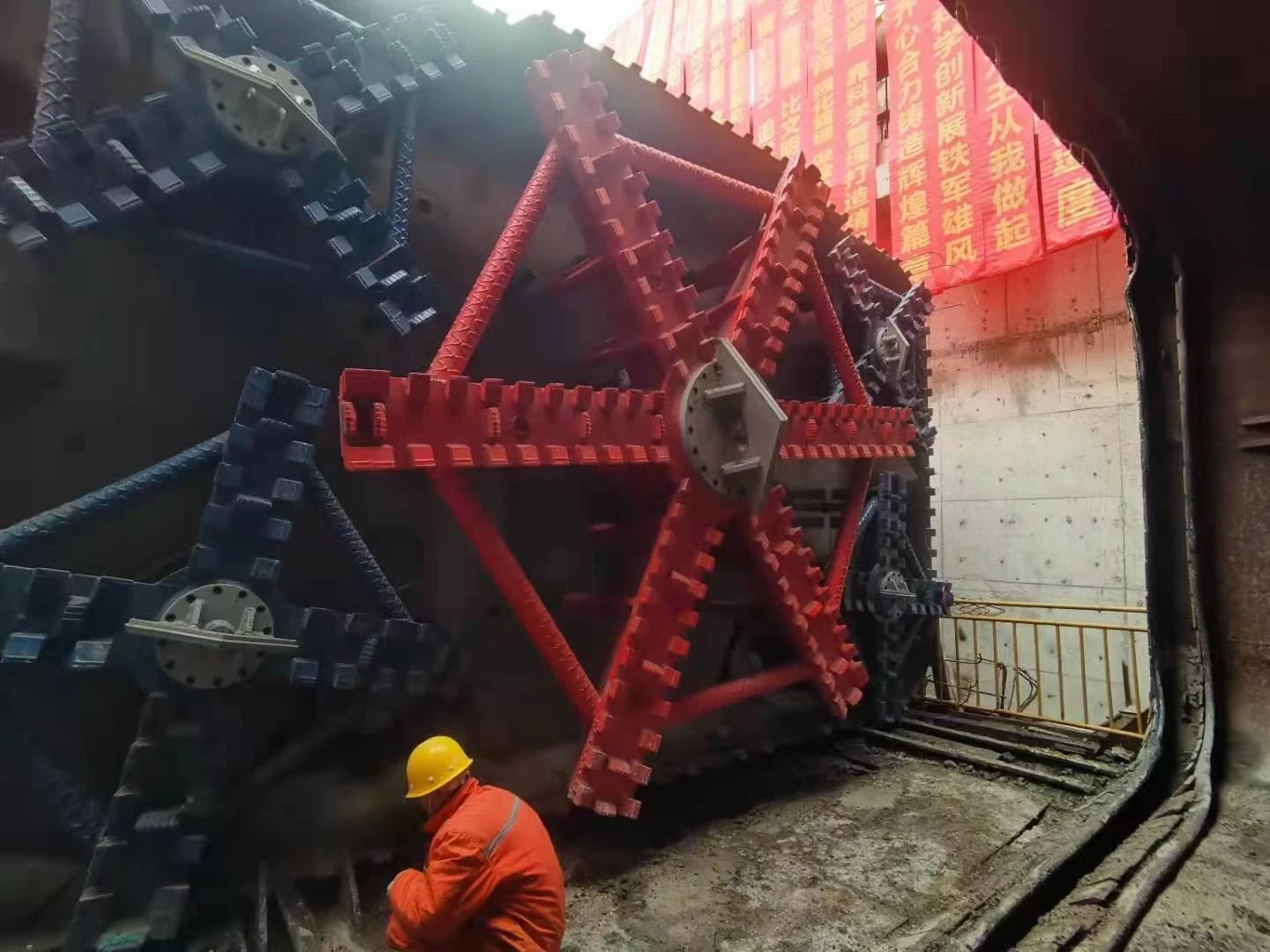
When you plan for small radius cuts shaft needs in horizontal tunneling and boring, you face special problems. Tight tunnel curves need careful planning and building. You have to pick shaft designs that help the tunnel machine move around bends. The shaft must be big enough for the tunnel boring machine or auger boring machine to go in and out safely.
You can use different engineering ideas to solve these problems:
-
Microtunneling techniques let you steer through small radius tunnel curves.
-
Reinforced concrete jacking pipes and hydraulic joints spread out the weight as the tunnel machine moves through the curve.
-
Special guidance systems, like TUnIS Navigation MT Gyro, help your tunnel boring machine stay on the right path.
-
Steel wedges can help start the tunnel on steep slopes, making the work area safer.
-
These ways also make the construction area smaller and cause less mess on the surface.
You should think about these ideas early in your project. They help you with small radius cuts shaft needs in horizontal tunneling and boring and keep your project moving forward.
Equipment compatibility: tunnel boring machine and auger boring machine
You need to make sure your shaft design fits the right equipment. The tunnel boring machine and auger boring machine each need special things for small radius cuts shaft needs in horizontal tunneling and boring. If you do not plan for these things, you might have trouble running the machines.
Here is a table that shows common problems for tunnel boring machines in shafts made for small radius cuts:
|
Challenge |
Explanation |
|---|---|
|
Steering difficulties |
You have to steer more sharply, which can slow down the work. |
|
Increased wear on components |
The tunnel machine may need more repairs because cutters and seals wear out faster. |
|
Tighter control and coordination |
You must move slower and check the work more often in bends. |
|
Mechanical constraints |
The tunnel boring machine shield length and lining shape limit how tight the curve can be. |
|
Geotechnical constraints |
The ground type changes how well you can steer; soft ground makes steering easier. |
|
Thrust capacity limitations |
If the shaft does not give enough support, steering gets harder. |
|
Mitigations |
You can use shorter ring segments, special segments, or change cutterhead tools. |
You must design the shaft to hold up the thrust wall and hydraulic jacking system. This helps your tunnel machine or TBM machine work safely and well. CEGC has lots of skill with small radius cuts shaft needs in horizontal tunneling and boring. The team uses smart modeling and plans for your site to help you pick the best shaft design for your project.
You can count on CEGC to help you at every step. The company’s experience with small radius cuts shaft needs in horizontal tunneling and boring means you get a shaft that works with your equipment and meets your project goals.
Shaft construction method and engineering solutions
Structural support and reinforcement
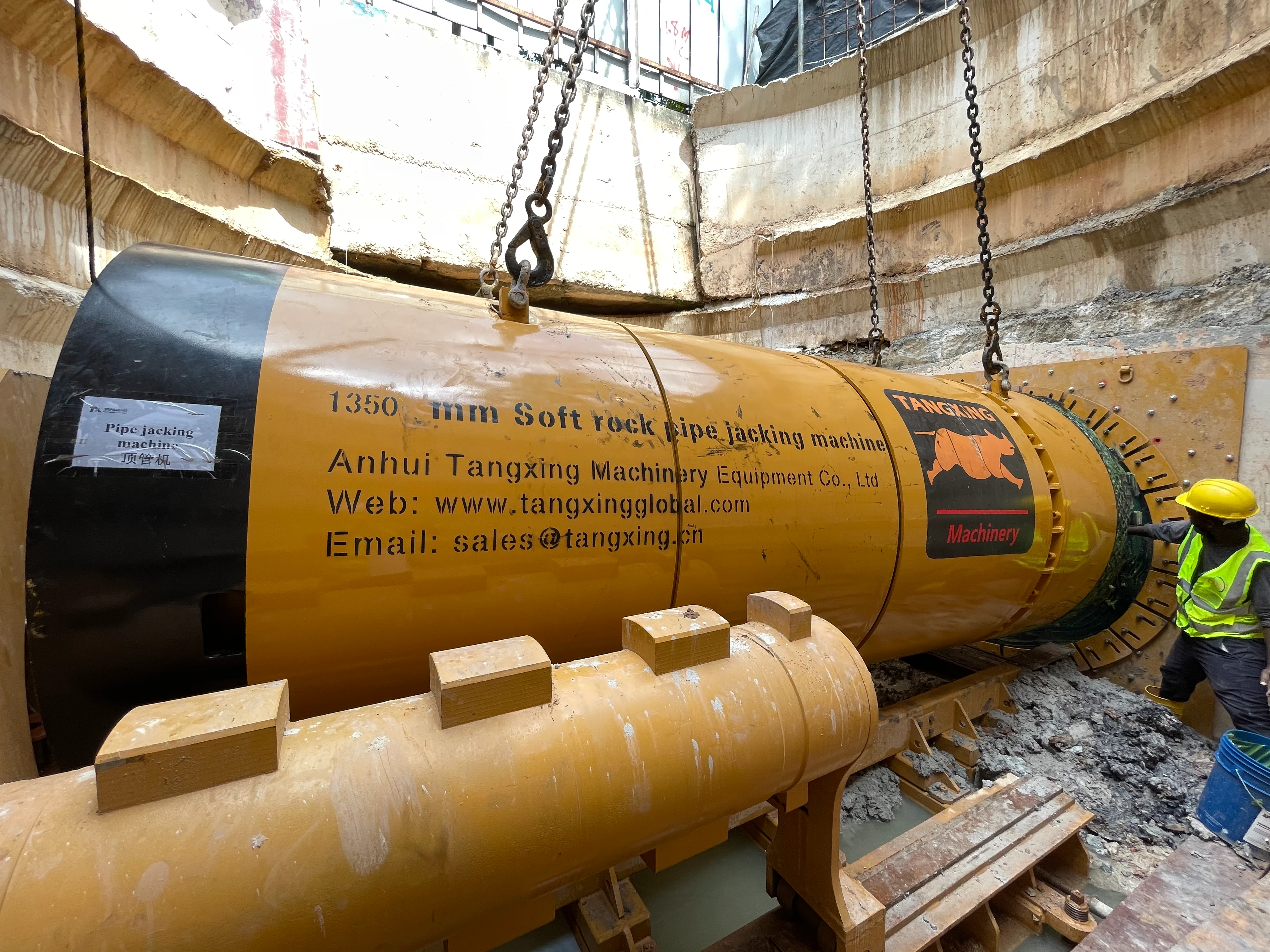
You need to choose the right shaft construction method for small radius cuts. Each method works best in different ground conditions. Here are some common options:
-
Jacked Caisson: You use pre-made hollow boxes or cylinders. This works well in wet or soft ground.
-
Underpinning: You dig and install precast segments. This is good when there is little groundwater.
-
Soldier Piles: You place vertical steel H piles with horizontal boards. This is fast for temporary shafts.
-
Secant Piles: You overlap piles to make a watertight wall. This helps in tough ground.
-
Sheet Piles: You use steel sections that lock together. These work in many soils but may need predrilling in hard ground.
You must reinforce the shaft to prevent collapse. Real projects show that you need enough steel to handle tension and shrinkage. If you skip this, you risk cracks or even failure.
Access, ventilation, and safety
You must plan for safe entry and exit. Good ventilation keeps workers safe from dust and gases. You should also think about how to remove spoil and bring in tunnel machines. For microtunneling, you need extra space for jacking pipes and control rooms. Always check for ways to reduce noise and vibration, which helps protect the environment.
Case examples and best practices
You can learn from real projects. The Cahaba Sewer No. 4 River Crossing used a 4 m shaft for horizontal core borings. This helped check the ground and avoid water problems. The Las Vegas Wash Tunnel also shows how careful planning leads to success. Tunneling method evaluation from these jobs shows that strong design and reinforcement matter most. CEGC offers site-specific shaft design to help you avoid common mistakes and get the best results.
You need to build shafts safely and cheaply for small radius cuts. The table below lists important shaft design needs:
|
Key Design Need |
Description |
|---|---|
|
Mechanical Performance |
Makes your tunnel machine work well. |
|
Excavation Face Stability |
Stops soil from moving and keeps people safe. |
|
Advanced Boring Mechanisms |
Helps boring go faster and keeps the ground steady. |
|
Control of Key Parameters |
Lets you control pressure and soil flow for good results. |
CEGC will help you with solutions made for your site.
FAQ
What is the best shaft size for horizontal drilling in small radius cuts?
Pick a shaft size that fits your tunnel machine. This keeps drilling safe. It also helps with small diameter tunnels.
Can you use horizontal directional drilling for small radius curves?
Horizontal directional drilling works for gentle curves. Tight bends need special machines. You also need careful shaft design.
How do you keep shafts safe during horizontal drilling?
Reinforce the shaft walls to keep them strong. Check for ground movement often. This keeps your team safe while drilling.


