
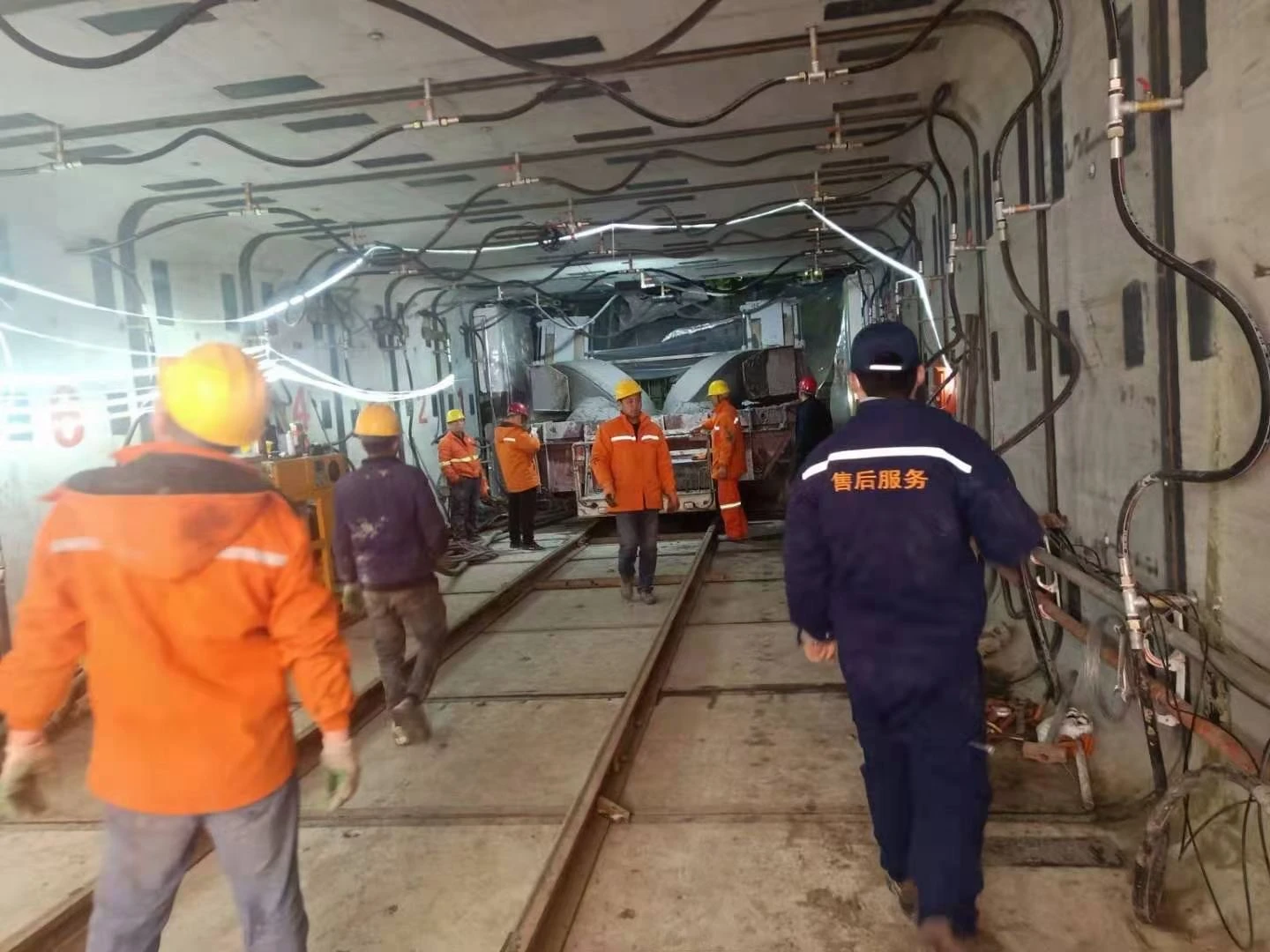
Stability beats peak power on TBM tunnel drives when it comes to safe and efficient tunneling. Prioritizing stability yields better results than merely striving for the highest output. Stability is crucial on TBM tunnel drives as it significantly lowers risk. By focusing on stability, you can expect less downtime and cost savings. CEGC incorporates stability into every TBM, demonstrating that stability truly beats peak power on TBM tunnel drives for your project.
Key Takeaways
-
Focus on stability instead of peak power in TBM tunneling. This helps make work safer and more efficient.
-
Watch important performance factors like torque and thrust. Keep these steady to stop the machine from getting stuck.
-
Use real-time monitoring and do regular maintenance. This lowers downtime and helps your TBM last longer.
Stability Beats Peak Power in TBM Tunneling
What Is Stability in TBM Performance
You should know what stability means before starting a tunnel boring machine project. Stability is when your TBM keeps working well, even if the ground changes or the tunnel gets longer. Stable TBM performance helps you avoid sudden stops and unsafe situations. You can check stability by looking at important machine numbers. Here is a table that shows what to watch:
|
Parameter |
Description |
|---|---|
|
Torque |
Rotational force applied by the TBM, crucial for stability. |
|
Thrust |
Pushing force exerted by the TBM, essential for penetration. |
|
Cutterhead Speed |
Rate at which the TBM can advance through the material. |
|
Penetration Rates |
How quickly the TBM moves forward, showing operational efficiency. |
|
Variability |
Fluctuations in these parameters, indicating tunnel stability. |
You want low variability in these numbers. Low variability means your TBM is less likely to jam and keeps moving forward. If torque or thrust changes a lot, your TBM might get stuck or the cutterhead might jam. You need to watch these numbers to keep tunnel face stability high. Stable TBM performance gives you predictable results and safer tunnels.
Peak Power vs. Consistent Operation
Peak power sounds cool, but it does not mean your TBM will work well. If you push your TBM too hard, you might break the cutterhead or cause sudden problems. You need steady operation for tunnel stability. Steady operation means your TBM keeps moving at a regular rate and avoids big changes in torque or thrust. This helps keep tunnel face stability and your project safe.
Here is how risk levels change:
-
Medium to high risk comes from moderate to high changes in ground and machine numbers.
-
Low risk of TBM jamming comes from small changes in machine conditions.
-
Normal or slightly changing conditions are safe for tunneling.
You should aim for normal conditions and low variability. Stable TBM performance gives you steady progress and keeps your tunnels safe. You avoid expensive repairs and downtime. You also protect your workers and your equipment.
Why Stability Matters for Tunnel Machine Safety
Safety is the most important thing in tunneling. Stable TBM performance keeps your workers and your tunnel machine safe. You must keep tunnel face stability high to stop ground settlement, face instability, and water leaks. CEGC gives technical solutions to help you do this:
-
Inject foams, polymers, and additives into the tunnel face to make soil better and improve digging conditions.
-
Use special polymers to boost efficiency and control during TBM work, especially in tough ground.
-
Keep pressure control of the cutting face to match earth chamber pressure. This helps manage face stability checks and support pressure calculations.
-
Adjust the opening ratio of the cutterhead to lower wear and keep tunnel face stability strong.
You must use tunnel face support design to keep your TBM safe. Stable TBM performance means you get reliable tunnels, lower maintenance costs, and fewer interruptions. You protect your tunnel machine and your workers. You also meet project needs and avoid claims or stoppages.
Tip: Always check torque, thrust, cutterhead speed, and advance rate. Stable numbers mean safer tunnels and better TBM performance.
You can trust CEGC to deliver tunnel boring machines and microtunnelling machines with standard specs and project-based customization. CEGC helps you get tunnel stability and reliable performance in every tunnel drive.
Benefits of Stable TBM Performance
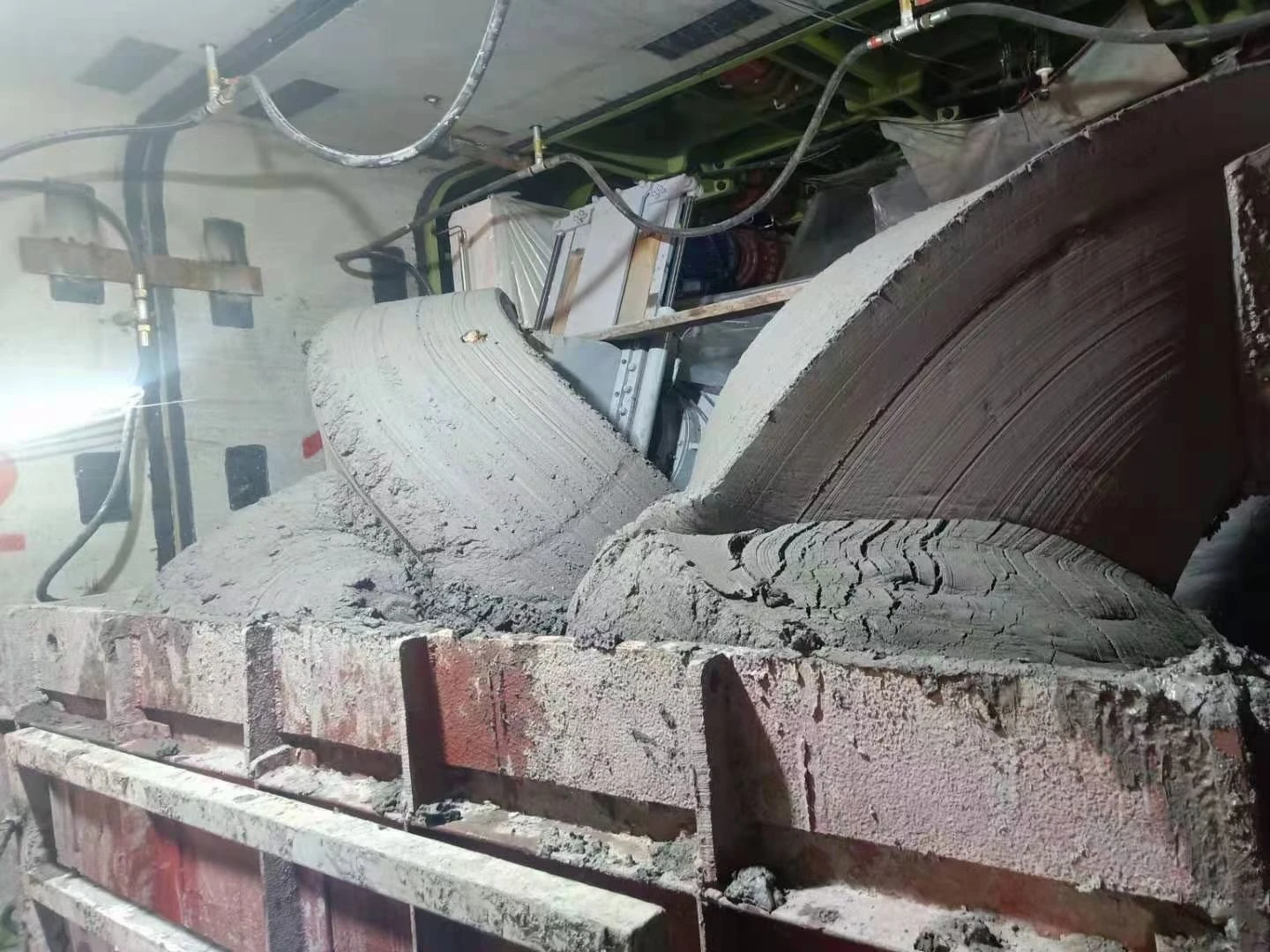
Reduced Downtime and Maintenance
You want your TBM to work without stopping for long. Stable performance helps you stop sudden breakdowns and big repairs. When you focus on stability, you stop surprise damage and keep your tunnel-boring machines working well. The table below shows the main benefits:
|
Objective |
Benefit Description |
|---|---|
|
Preventing Sudden Damage |
Reduces unexpected machine downtime, ensuring continuous production. |
|
Reducing the cost of major repairs |
Minor part replacements are less costly than major repairs, saving on maintenance. |
|
Extending Asset Life |
Regular maintenance leads to longer and more stable operation of machinery. |
|
Maintaining Occupational Safety |
Well-maintained machines lower the risk of workplace accidents. |
|
Maintaining Production Quality |
Stable performance ensures consistent product quality. |
|
Reduced downtime |
Leads to uninterrupted production, enhancing overall efficiency. |
|
Cost efficiency |
Avoids major breakdowns, leading to lower operational costs. |
|
Increased productivity |
More reliable machines contribute to higher output. |
|
Increased safety |
Reduces accident risks associated with machine failures. |
If you run your TBM at peak power all the time, you will see more cutter wear and use more energy. For example, when cutter wear gets to 12 mm, energy use can go up by 35%. Using predictive maintenance with stable data can cut downtime by 20–30%. You can also save 15–25% on costs with better maintenance. In rock tunneling, stable performance means you fix fewer problems and make more progress.
Downtime happens when you need to put in ground support or change worn parts. In hard rock, cutter wear and support work can slow your TBM. If you use stable performance plans, you can schedule maintenance and keep your machine moving. You avoid long stops and finish your project on time.
Improved Safety and Ground Protection
You must keep your crew safe and protect the ground above your tunnel. Stable TBM performance helps you do both. Real-time monitoring systems in tunnel-boring machines let you check ground and machine conditions all the time. This makes your worksite safer.
You should always do a geotechnical investigation before you start tunneling. This helps you find dangers and design the right support. Good ventilation keeps fresh air moving and stops bad gases and dust from building up. Stable performance means you can control face pressure and ground movement, which lowers the risk of settlement or blowouts.
When you work in mixed ground or hard rock, stability helps you stop sudden changes that can cause accidents. You keep your TBM on track and protect buildings and utilities nearby. You also follow strict safety rules for city tunneling jobs.
Real-World Outcomes in Tunneling Projects
You can see the value of stable TBM performance in real projects. In the Durban Harbour Tunnel and the Brenner Exploratory Tunnel, teams had early problems but got better as they learned to keep performance steady. Advance rates for big TBMs often reach 1.1 meters per hour, and world records show up to 2 meters per hour for long distances. These results come from focusing on stability, not just peak power.
Modern TBMs use hybrid cutting tools and smart sensors. These tools let you adjust to different rock and ground types right away. Sensors give you feedback on rock hardness, soil type, and water. You can change cutting speed and pressure to match the ground, which keeps performance stable.
You should follow these steps to keep your TBM performance high: Plan how to remove muck and bring in segments so you do not get stuck. Use quality checks to make sure the tunnel is straight and segments fit well. Get ready for emergencies with drills and clear plans. Try new technology that helps, but do not use untested systems. Work closely with your design team, crew, and equipment supplier.
CEGC gives you standard specs and custom options for tunnel-boring machines and microtunnelling machines. You can pick features like cutterhead changes, tool choices based on rock data, and real-time monitoring. These options help you keep performance stable in any ground.
|
Customization Options |
Market-Standard Specifications |
|---|---|
|
Tailored equipment solutions for tunnelling, port, and mining projects |
Comprehensive trenchless engineering support for HDD, pipe jacking, and microtunnelling projects |
You can also ask for things like hybrid cutting tools, different installation heights, and advanced guidance systems. These upgrades improve penetration rate, cutter life, and reduce torque and thrust. You get better performance and lower risk in every rock condition.
Tip: Stable TBM performance gives you better cost control, higher efficiency, and safer tunneling. You can trust CEGC to help you reach your project goals with reliable tunnel-boring machines.
You should pick stable TBM performance for your next job. The table below shows how stable machines help with safety, efficiency, and cost control.
|
Advantage |
Description |
|---|---|
|
Safety |
Teams make fewer mistakes and keep people safe. |
|
Efficiency |
You use your tools well and do not waste things. |
|
Cost Control |
You can see and handle costs without trouble. |
You can beat risks in cities and tricky ground by using stable TBM drives:
-
Handle unknown ground and stop sinkholes from happening.
-
Keep face pressure steady to stop losing slurry.
-
Work together with your team for safer work.
CEGC gives you tunnel machine choices you can change to fit your needs.
FAQ
What makes stable TBM performance better than peak power in rock tunneling?
You get safer tunnels when you focus on stable TBM performance. Stable machines handle rock changes better. You avoid sudden stops. You protect your team and equipment in hard rock.
How does CEGC help you manage rock conditions during tunneling?
You use CEGC’s tunnel machine to adjust for different rock types. The machine keeps pressure steady. You get real-time feedback. You can change settings for each rock layer.
Why is rock stability important for tunnel boring machine projects?
You need rock stability to keep your tunnel safe. Unstable rock can cause collapses. Stable rock lets your TBM move forward. You finish your project faster and avoid extra costs.
What should you do if you hit unexpected rock during tunneling?
You should slow down your TBM. Check the rock type. Use sensors to measure rock hardness. Adjust cutterhead speed. Call your team to review the rock data and plan next steps.
How do you keep your TBM cutterhead working well in hard rock?
You check the cutterhead often. Replace worn parts. Use the right tools for each rock type. Keep torque steady. Stable operation helps you cut through hard rock without damage.
Can you use the same TBM settings for every rock type?
You cannot use the same settings for every rock. Each rock type needs different torque and speed. You must adjust your TBM for soft rock, hard rock, and mixed rock conditions.
How does stable TBM performance reduce downtime in rock tunneling?
You avoid sudden breakdowns when you keep your TBM stable. Stable machines handle rock changes better. You spend less time fixing problems. You keep moving through the rock.
What are the risks of using peak power in hard rock?
You risk cutterhead damage if you use peak power in hard rock. The machine can jam. You may need costly repairs. Stable power helps you handle tough rock safely.
How do you know if your TBM is handling rock conditions well?
You watch the machine’s numbers. Low variability means your TBM is stable. You see steady progress through the rock. You avoid jams and keep your project on track.
Why do you need to monitor rock conditions during tunneling?
You must watch rock conditions to avoid surprises. Changes in rock can cause problems. Real-time monitoring lets you adjust your TBM. You keep your tunnel safe and stable.
What tools help you manage rock changes in tunneling?
You use sensors to check rock hardness. You use real-time data to adjust your TBM. You pick the right cutterhead for each rock type. These tools help you handle any rock.
How does CEGC customize tunnel machines for different rock types?
You can ask CEGC for custom features. They offer different cutterheads for each rock type. You get machines that match your project’s rock conditions. You work faster and safer.
What happens if you ignore rock stability in your project?
You risk tunnel collapse if you ignore rock stability. Your TBM can get stuck in the rock. You face delays and higher costs. Always check rock conditions before you dig.
How do you plan for mixed rock conditions in tunneling?
You study the ground before you start. You use a TBM that can handle mixed rock. You adjust settings as you move through each rock layer. Planning keeps your tunnel safe.
Why is rock data important for TBM performance?
You need rock data to pick the right tools. Rock data helps you set torque and speed. You avoid problems by knowing what rock you face. Good data means better TBM results.
What maintenance steps help your TBM last longer in rock tunneling?
You clean the cutterhead after each shift. You check for wear. You replace parts before they break. Regular checks keep your TBM strong in any rock.
Can you finish a tunnel faster by using more power in hard rock?
You cannot finish faster by using more power in hard rock. High power can break parts. Stable performance lets you move through the rock without costly stops.
How does ground settlement relate to rock stability in tunneling?
You see less ground settlement when rock is stable. Stable rock supports the tunnel. You avoid surface movement. You protect buildings and roads above your tunnel.
What signs show your TBM is struggling with rock conditions?
You see high torque numbers. The cutterhead slows down. You hear strange noises. These signs mean your TBM has trouble with the rock. Stop and check the machine.
How do you train your team to handle rock changes during tunneling?
You teach your team to watch for rock changes. You show them how to adjust the TBM. You practice emergency drills. Training keeps everyone safe in changing rock.
What is the best way to keep your tunnel machine safe in hard rock?
You use stable settings. You check the machine often. You replace worn parts. You keep the cutterhead sharp. Stable operation protects your tunnel machine in hard rock.
How do you choose the right TBM for a rock-heavy project?
You look at the rock type. You pick a TBM with strong torque. You ask for custom features for hard rock. CEGC helps you choose the best tunnel machine for your rock.
Why do you need different cutterheads for different rock types?
You need different cutterheads because each rock type is unique. Hard rock needs strong tools. Soft rock needs gentle cutters. The right cutterhead keeps your TBM moving.
How does stable TBM performance help in urban rock tunneling?
You avoid ground movement in cities with stable TBM performance. Stable machines handle rock changes. You protect nearby buildings. You finish your tunnel on time and on budget.
What role does real-time data play in rock tunneling?
You use real-time data to spot rock changes. Data helps you adjust your TBM. You avoid problems before they start. Real-time feedback keeps your tunnel safe in any rock.
How do you handle water in rock tunnels?
You use sealing systems to stop leaks. You keep pressure steady. You check for water often. Stable TBM performance helps you manage water in rock tunnels.
What happens if your TBM gets stuck in hard rock?
You stop the machine. You check the rock type. You remove stuck parts. You adjust settings before you start again. Careful steps get your TBM moving in hard rock.
How do you keep your project on schedule in tough rock?
You plan for slow spots. You use stable TBM settings. You check rock data often. You fix problems early. Good planning keeps your project moving through the rock.
Why is torque important in rock tunneling?
You need the right torque to cut through rock. Too much torque can break parts. Too little torque slows you down. Stable torque keeps your TBM moving in any rock.
How do you avoid overcut in hard rock?
You use guidance systems. You check the cutterhead position. You adjust settings for each rock layer. Careful control stops overcut and keeps your tunnel on line in rock.
What support does CEGC offer for rock-heavy tunneling projects?
You get training, spare parts, and custom features from CEGC. Their support helps you handle any rock. You finish your tunnel safely and on time.


