
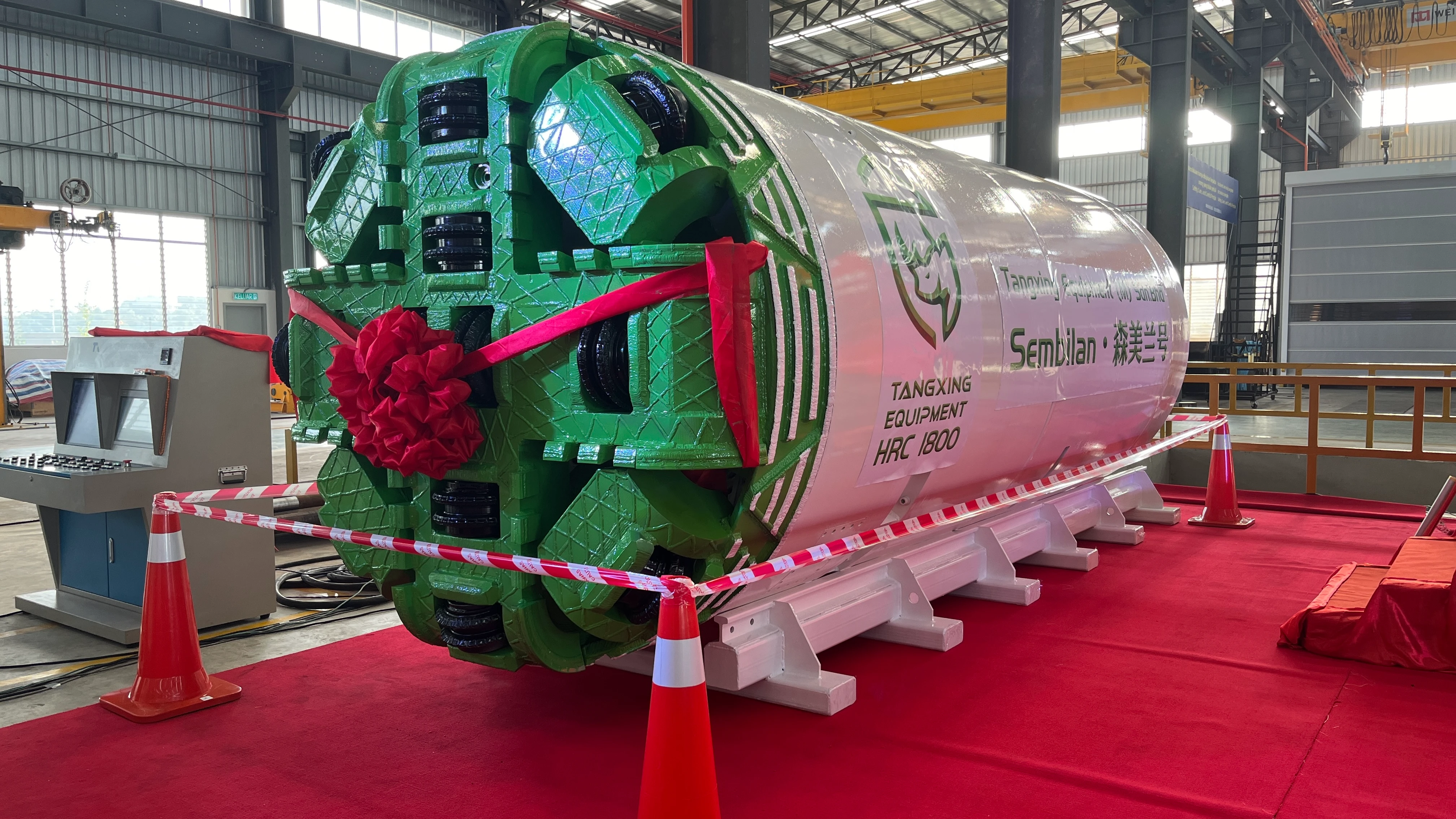
Stability gaps can turn a TBM tunnel week into a month. You may encounter unpredictable ground conditions, such as tough rock or loose soil, which can halt your tunnel boring machine and damage tools. These challenges lead to increased costs and extended timelines. CEGC offers a range of TBM and Microtunnelling Machine options designed to tackle your most challenging projects.
Key Takeaways
-
Stability gaps can make tunneling projects take much longer. Good planning and watching things as they happen can help control these risks well.
-
Using soil conditioners and polymers can make TBM work better in tough ground. This keeps the project moving and saves money.
-
Doing careful geotechnical investigations before a project is very important. Knowing the ground helps plan better and handle risks.
Stability gaps in tunnel boring machines and ground conditions
What are stability gaps in tunneling
Stability gaps happen when the ground in front of tunnel boring machines is not steady. These gaps show up because the ground can change fast. Sometimes, the soil is loose or has a lot of water. Other times, there is hard rock or mixed layers. When this happens, tunnel boring machines might slow down or stop. Stability gaps can make the ground move or settle. This can cause safety problems and slow down the project.
-
Soil conditioners and polymers help fix these gaps. They make tunnel boring machines work better in different ground types.
-
In places with gravel, sand, and water, you can use soil conditioning foaming agents. These agents help tunnel boring machines keep moving forward.
-
Polymers give you more control and help you work faster. They make it easier to handle tough ground and lower the chance of stability gaps.
How ground conditions affect TBM operations
Ground conditions are very important for tunnel boring machines. You need to know what is underground before you start. A geologic prediction model helps you see what ground you will face. This model lets you plan your work and avoid problems.
|
Mechanism |
Description |
|---|---|
|
Geological Complexity |
Ground can change and affect how TBMs work. |
|
Stability of Surrounding Rock |
Unsteady rock can bend and cause problems. |
|
Ground Type Challenges |
Some ground types can jam tools and wear them out. |
|
Problem |
Consequence |
|---|---|
|
Pipes can get stuck. |
|
|
Poor Stratum Stability |
More problems during work. |
|
Issue |
Impact on TBM |
|---|---|
|
Machines can break and work stops. |
|
|
Water Inflows |
Makes digging and keeping stable harder. |
|
Cutter Abrasion |
More repairs and less work done. |
You can see that ground conditions matter at every step for tunnel boring machines. If you plan for changes in the ground, you can stop stability gaps and keep your project moving.
How stability gaps can turn a TBM tunnel week into a month
Immediate impacts on tunneling progress
Stability gaps make tunneling slow right away. If the ground moves or water gets in, the tunnel boring machine stops. You need to check for safety and put in extra ground support. These steps take time and make tunneling slower. Sometimes, you must freeze the ground before the machine starts. Real-time face treatment helps control face pressure while digging. After digging, you fill gaps with grouting to make the tunnel strong.
Different tunnel boring machines can help tunneling go better. The earth pressure balance TBM uses dug-up material to keep the tunnel face steady. The slurry shield TBM uses bentonite slurry to give hydrostatic support. Ground condition monitoring lets you change how you work as things happen. You can use foam injection and soil conditioning to keep the tunnel stable while digging. After digging, annulus grouting gives support and keeps water out.
Tip: You can close the muck chamber with a guillotine gate when water comes in. This helps your team grout off water safely. Back pressure helps the crew control water flow.
You need to watch for cutterhead wear. If you ignore worn cutter blades, you get more shaking and uneven cutting. This causes tool failure and more stops. You should use strong materials and space cutters well. Real-time wear monitoring helps keep tunneling performance high.
Secondary effects on schedule and costs
Stability gaps can make a TBM tunnel week last a month. You see delays and spend more money. When the tunnel machine stops, you must reschedule crews and move resources. You pay more for repairs and extra materials. Sometimes, you need new equipment or experts to fix stability problems. These changes make tunneling projects harder to plan.
Tunneling performance drops when you face stability gaps. You pay for more safety checks and ground support. You spend more on maintenance and tool replacement. You may need threshold-based maintenance for cutter blades. This helps you avoid sudden repairs and keeps tunneling on track.
You can use CEGC’s technical solutions for face pressure control, ground protection, and cutterhead wear management. CEGC offers closed-mode face support, soil conditioning, and sealing architecture. These features help you keep tunneling performance strong in tough conditions. You can customize your tunnel boring machine or Microtunnelling Machine for your project. This flexibility helps you handle stability gaps and control your schedule and costs.
Note: Stability gaps can make a TBM tunnel week last a month. You must plan for these risks and use technical solutions to protect tunneling performance.
Managing stability gaps in tunneling projects
Planning for variable ground conditions
You must plan well before starting a tunneling project. Geotechnical investigations help you learn about the ground. These studies tell you about soil, rock, water, and the environment. Each part helps keep the tunnel stable, as shown in the table:
|
Aspect of Geotechnical Investigation |
Contribution to Tunnel Stability |
|---|---|
|
Soil Composition |
Needed to guess how the ground will settle and if the tunnel will stay safe. |
|
Rock Quality |
Affects how strong the tunnel will be. |
|
Groundwater Levels |
Shows if water will get in and cause problems. |
|
Environmental Factors |
Tells you about other things that can change tunnel building. |
You use models to guess how the ground will move. This helps you fix weak spots before they cause trouble. Risk analysis is important. You can use expert advice, event trees, and fault trees to find risks early. Analytic hierarchy process and fuzzy evaluation help you decide what to do when the ground changes. Machine learning helps you make better guesses and adjust as you get new data.
On-site solutions for TBM tunnel boring machines
When tunneling, you need to watch the ground and the tbm. Real-time monitoring uses sensors to check cutter wear, shaking, and noise. These tools help you find problems quickly. Using many sensors and AI gives you good feedback, so you can change things right away. Fast response plans let you act fast. You can change machine settings or grout mix to keep working well. Predicting problems and fixing them early helps you avoid stopping work.
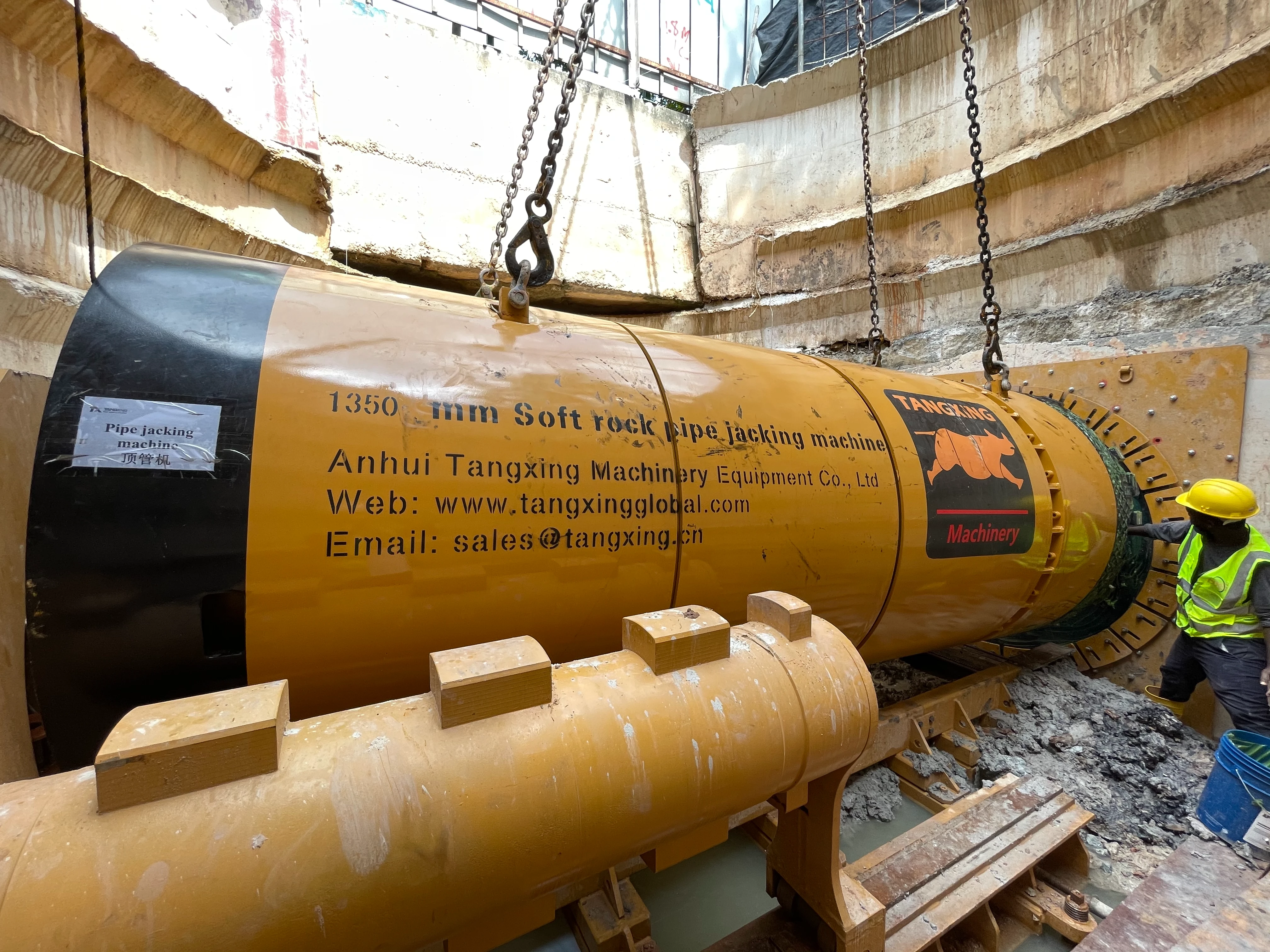
You should pick a tbm or microtunnelling machine from CEGC that you can change for your needs. These machines work better when the ground changes and help the environment. Using new technology makes tunneling faster and keeps your project on time. Good management, real-time data, and risk checks all help you finish the tunnel with fewer delays.
You can see that stability gaps can make tunnel projects take longer. Planning ahead and using new technology helps you work better and faster. CEGC’s tunnel boring machines can handle hard ground. The table below shows how things like real-time monitoring and pressure control help you do a better job and finish faster in tunnel building.
|
Feature |
Impact on Success Rate |
|---|---|
|
Adaptive systems |
Enhance stability and efficiency |
|
Pressure control systems |
Maintain safety |
|
Variable speed drives |
Improve efficiency |
|
Real-time monitoring |
Boost productivity |
|
Advanced cutterhead designs |
Improve performance |
|
Automated guidance systems |
Reduce material waste |
FAQ
What is a stability gap in tunneling?
A stability gap happens when the ground in front of your tunnel machine gets weak. This is because the ground can change fast while tunneling.
How do you manage changing ground conditions during tunneling?
You use a geological model to guess how the ground will change. You change your tunnel boring machine settings using real-time data. This helps keep tunneling safe and quick.
Why does a geological model matter for tunneling projects?
A geological model helps you know what the ground is like. It lets you plan for problems before they happen. You can finish your tunneling project faster and safer.


