
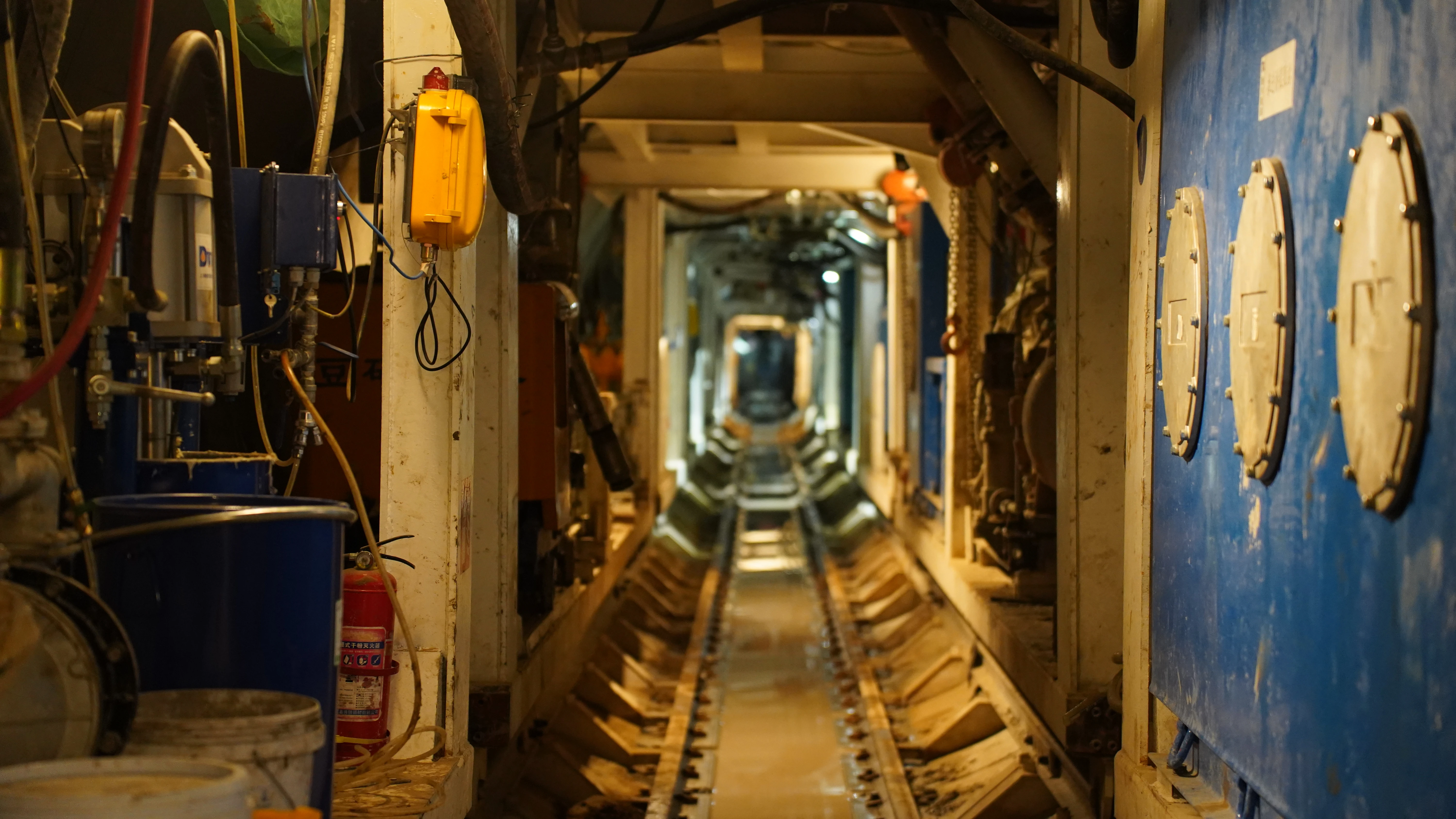
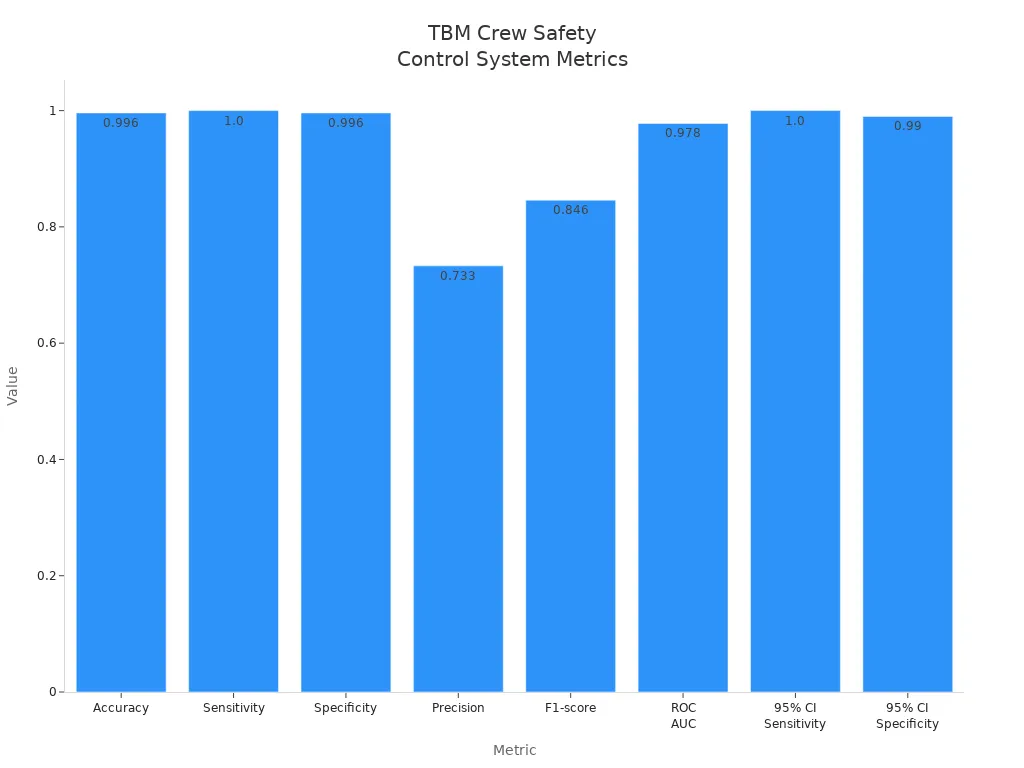
You need stable control systems to keep tunnel boring machines (TBM) safe. These systems also enhance the safety of microtunnelling and auger boring machines. High accuracy and sensitivity in CEGC solutions lower risks when tunneling. The table below shows different tunnel machine types and their safety features. Stable control keeps the TBM machine safer for crews, connecting risk control to crew safety and work speed.
|
Type of Machine |
Description |
|---|---|
|
Tunnel Boring Machines (TBMs) |
Advanced systems dig round tunnels with care. They have a spinning cutter head. |
|
Earth Pressure Balance (EPB) TBMs |
Made for soft ground, they use dug-up soil for support and pressure control. |
|
Safety Mechanisms |
Includes face stability control and air systems to keep crews safe while tunneling. |
Key Takeaways
-
Stable control systems make tunnel boring machine crews safer. They give real-time monitoring and automatic safety responses.
-
Predictive maintenance finds possible problems early. This lowers downtime and keeps projects on track.
-
Advanced technology like AI and environmental monitors help work better. They also lower risks during tunneling.
Stable control keeps the TBM machine safer for crews
TBM risk control system and crew protection
Stable control systems help keep tunnel boring machines safe. These systems protect workers during tunneling. Real-time monitoring checks the machine’s health all the time. It helps spot problems early. Automated safety responses act fast in emergencies. Predictive maintenance finds issues before they stop work. Data logging and reporting make safety rules and training better. Operator alerts and communication warn crews about dangers. Emergency shutdown stops the machine quickly if needed.
|
Description |
|
|---|---|
|
Real-Time Monitoring |
Gives nonstop data about the TBM’s health and status. It finds problems fast. |
|
Automated Safety Responses |
Starts safety steps by itself during emergencies to protect people and equipment. |
|
Predictive Maintenance |
Looks at data to find possible failures. It helps fix things early and cuts downtime. |
|
Data Logging and Reporting |
Saves machine data for review. This makes safety rules and training better. |
|
Operator Alerts and Communication |
Uses alarms to tell operators about safety issues. It helps crews react fast. |
|
Emergency Shutdown Capability |
Stops the machine right away in dangerous situations to keep everyone safe. |
Stable control uses these parts to keep crews safe. Micro TBM technology lets you work from far away. This means fewer workers are in risky places. Modern tunnel boring machines have fire-resistant linings. They also have automatic ground support and ventilation systems. These features protect crews from danger and make air cleaner.
Key risks in TBM operation
There are many risks when using a TBM. Ground settlement can cause collapse and movement above ground. Face instability happens when the ground changes. This causes uneven pressure and too much digging. Water ingress brings mud and water into the tunnel. This raises the risk of collapse and ground loss. Cutterhead wear slows the machine and causes problems. Alignment deviation changes the tunnel’s path and may need fixing.
|
Risk Type |
Description |
|---|---|
|
Ground Settlement |
Happens when the ground fails, causing collapse and surface movement. |
|
Face Instability |
Comes from mixed ground, causing uneven pressure and too much digging. |
|
Water Ingress |
High water pressure brings mud and water in, raising collapse risk. |
|
Cutterhead Wear |
Clay can clog the cutterhead, making it less efficient and causing problems. |
|
Alignment Deviation |
Stress during digging can change the ground and mess up alignment. |
You also deal with break-in and break-out from shafts. Stoppage and interventions can happen. Mixed ground conditions, worn cutting tools, and TBM flushing for slurry machines are other issues.
How stable control mitigates tunneling hazards
Stable control systems help lower dangers in tunneling. Modern tunnel boring machines have sensors and monitors. These give real-time info about ground and machine performance. You can adjust things right away to stop accidents. Remote monitoring checks ground movement and air quality. It warns you if there is a problem.
CEGC gives technical solutions to help manage risks:
|
Solution Type |
Description |
|---|---|
|
Face Pressure Control |
Changes pressure to stop face collapse in weak soils or blowouts in loose zones. |
|
Monitors cutter wear and hydraulic pressure to plan maintenance early. |
|
|
Guidance Systems |
Uses lasers, gyroscopes, and GPS for accurate tunnel alignment and steering. |
|
Modular Design |
Grout plants in containers can be moved easily to tunnel entrances. This keeps material supply steady. |
-
Face pressure control helps keep the tunnel stable in different soils.
-
Cutterhead management uses maintenance to avoid emergency stops by checking wear and pressure.
-
Guidance systems use new technology to keep the tunnel straight and make quick changes.
-
Modular design lets you move and set up equipment easily in small spaces.
Stable control lowers the chance of accidents and injuries. You see fewer workplace incidents because of remote operations and safety features. These systems protect crews and make work faster. Stable control keeps the TBM machine safer for crews and helps tunneling projects succeed.
TBM risk control system: boosting safety and efficiency
Real-time monitoring in TBM operation
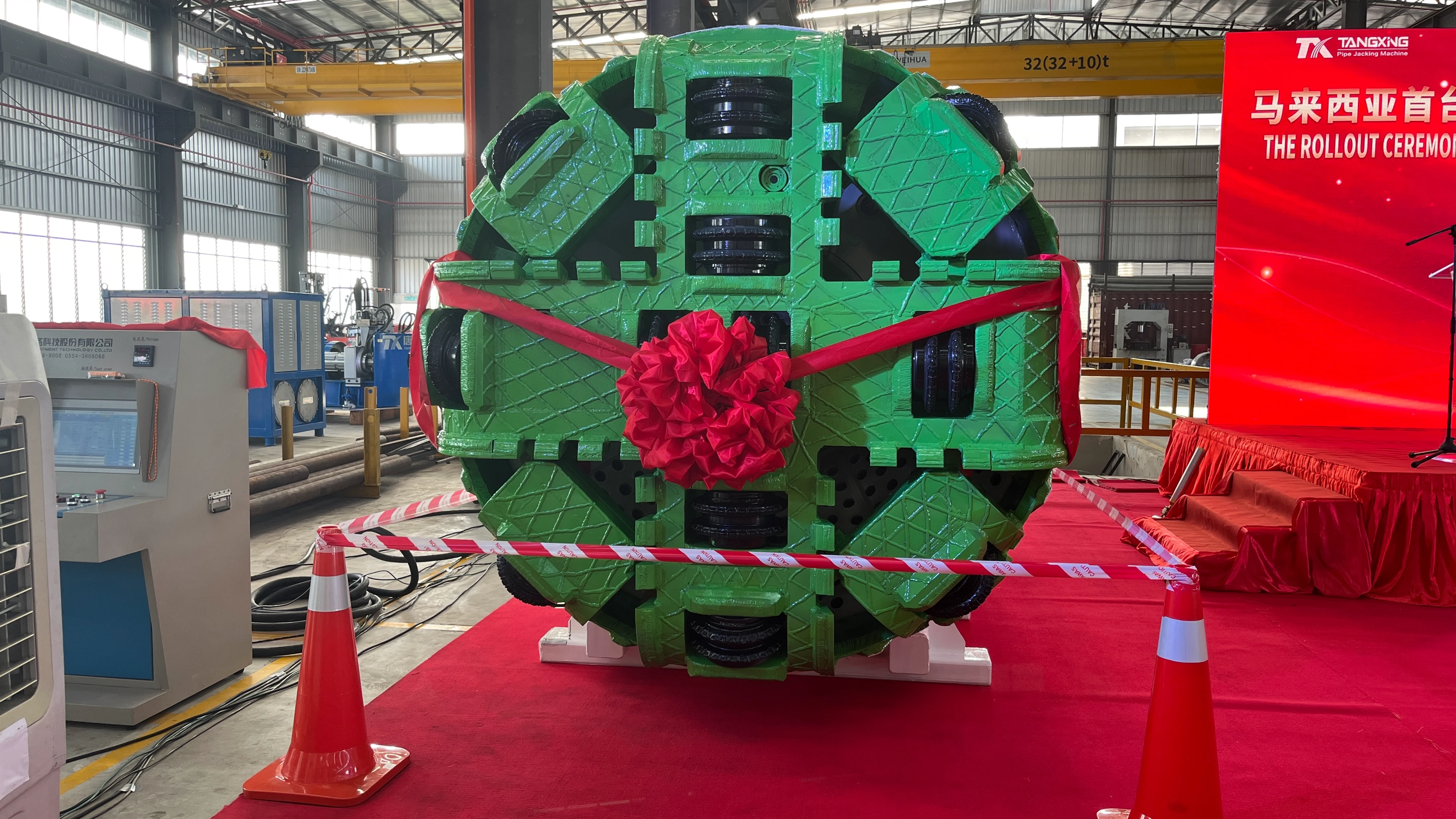
Real-time TBM monitoring helps keep the machine safe and working well. Surface sensors and environmental monitors watch the ground and water. These tools help you see squeezing or water coming in before it gets bad. Tracking crew and equipment keeps everyone safe while digging. Conveyor sensors check how much material moves and its weight. This helps you manage digging and grouting. Supervisor progress reports show you the ground and help keep the project on schedule.
|
Feature |
Contribution to Safety and Efficiency |
|---|---|
|
Surface sensors |
Combine TBM and ground data to react fast to danger. |
|
Environmental monitors |
Give live info on gas and dust, making things safer. |
|
Personnel and Asset Tracking |
Watch where crews and equipment are for safe work. |
|
Conveyor sensors |
Check material amounts and weight to run the conveyor better. |
|
Logistical ordering and supply |
Stop delays by fixing supply problems early. |
|
Supervisor progress reporting |
Let you watch TBM work and follow rules in real time. |
Crew safety and machine protection
You keep your crew and machine safe with stable control systems and automatic risk controls. AI systems check air, water, and squeezing in the tunnel. These systems warn about tiredness and help in emergencies. Tracking workers in risky areas lowers accidents. Automatic reports and safety papers help keep digging safe. Moving guardrails change as needed to stop problems and help you see better.
Tip: Use stable control systems to turn fixed safety points into moving safety barriers. This keeps your crew safer and lowers the chance of problems during TBM work.
Operational efficiency and project outcomes
Stable control systems like stable control systems help finish projects faster and cut downtime. Predictive maintenance can lower TBM downtime by 15%. GIS tools show the ground so you can check for sinking and strong structures. Connected systems use sensor data to give you useful info for good work. You handle tough ground, squeezing, grouting, and digging better. These ways help you follow city rules and have fewer problems.
-
The AI system changes TBM work using live data to stop delays and risks.
-
Real-time checks find problems early, making things safer and stopping damage.
-
Stories show stable control systems stopped fires and methane blasts in hard ground and water.
You get better results by using stable control systems for safety, seeing the ground, and safe digging. Your crew stays safe, your machine works well, and your tunnel project does great.
When you use stable control and TBM risk control, crews stay safer. These systems also help your project do better. CEGC gives you smart solutions to lower risks and work faster. You get help from experts, special equipment, and strong parts. Make stable control systems your choice for new tunnel jobs.
|
Description |
|
|---|---|
|
Customized Equipment |
Solutions match your tunneling needs. |
|
Technical Consulting |
Experts help plan and make things better. |
|
On-Site Installation |
Trained workers build and test everything right. |
|
Engineering Support |
Full help for hard trenchless projects. |
|
Training Programs |
Learn how to use, fix, and stay safe with the machines. |
|
Genuine Parts Inventory |
Fast delivery of good parts means less waiting. |
FAQ
What does stable control mean for a TBM machine?
Stable control helps you run tunnel boring machines safely. It keeps the machine steady. Crews stay safe from dangers like moving ground or water.
How do CEGC’s systems improve crew safety?
-
You get alerts right away.
-
The machine can shut down by itself.
-
Advanced monitoring helps lower risks.
Can you customize tunnel machine controls for your project?
|
Option |
Benefit |
|---|---|
|
Custom settings |
Fit what your project needs |
|
Expert support |
CEGC experts help you succeed |


