
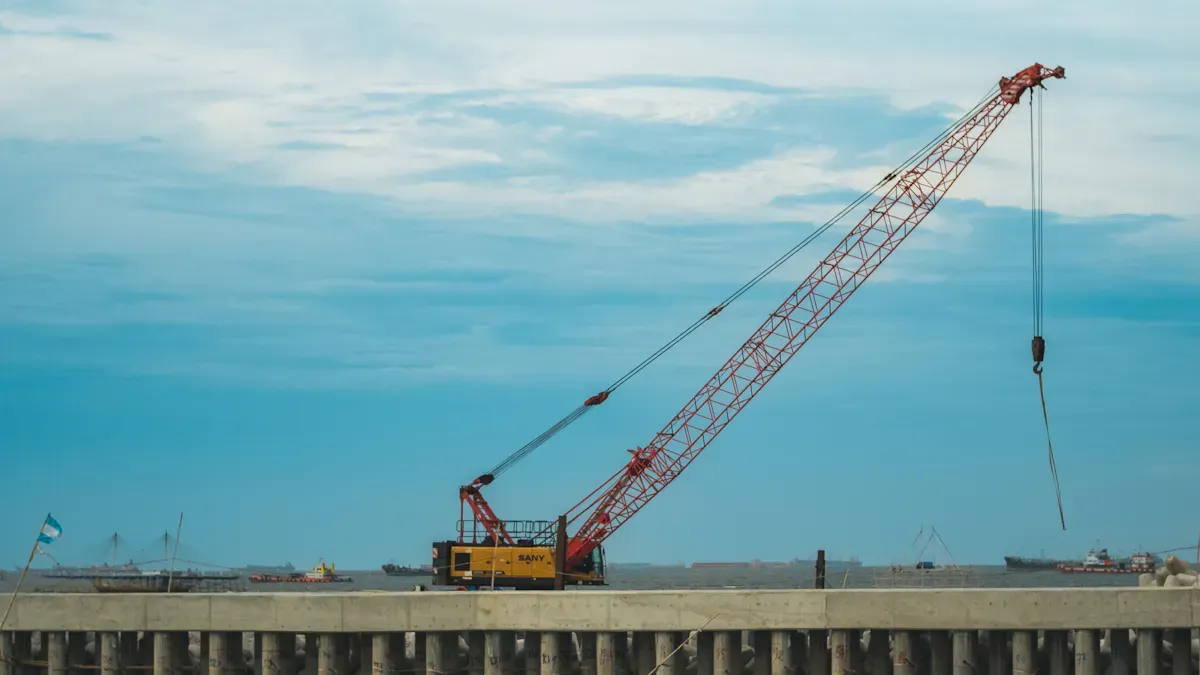
You see static pile drivers from CEGC reach 1mm position accuracy in construction. This accuracy stops piles from being placed wrong. It helps workers do their jobs faster. It also keeps projects from being late. The right pile placement keeps racking systems strong. It helps make more energy for a long time. Careful work and good quality checks make Static Pile Driver 1mm Position Hits Target possible.
|
Impact Area |
Result |
|---|---|
|
Fewer fixes and lower costs |
|
|
Project Delays |
Faster setup with accurate piles |
Key Takeaways
-
Getting 1mm pile placement accuracy makes buildings safer and stops expensive errors. Using new positioning systems like RTK GNSS and motion sensors helps accuracy and means fewer skilled workers are needed. Checking and fixing equipment often is important for keeping accuracy and making sure foundations are strong.
Importance Of Pile Placement Accuracy
Impact On Structural Safety
Pile placement accuracy is important for keeping buildings safe. If piles are placed with 1mm accuracy, each pile helps hold up the building evenly. This stops the ground from settling unevenly. It makes the foundation strong and helps it last longer. Risks are lower because piles work together as a solid base. Workers follow plans closely, including bar sizes and where bars go.
-
Even load sharing keeps buildings steady.
-
Strong foundations protect structures from harm.
-
Piles working together lower the risk of problems.
-
Placing piles exactly matches what the design needs.
Project Outcomes And Tolerances
Pile placement accuracy affects all parts of building projects. Meeting tight tolerances helps avoid expensive mistakes. Jobs finish faster because there are fewer errors to fix. Industry rules set strict limits for pile placement accuracy. Missing these limits can cause delays and cost more money. Quality of the finished building stays high.
Following tolerance rules in building projects gives safe and dependable results.
Workers check pile placement accuracy many times. They use tools and ways to measure tolerances. Records are kept to show standards are met. Focusing on pile placement accuracy builds trust with clients and helps projects succeed for a long time.
Achieving Static Pile Driver 1mm Position Hits Target
Advanced Positioning Systems (RTK GNSS, Motion Sensors)
You can get static pile driver 1mm position hits target by using advanced positioning systems. RTK GNSS and motion sensors help you get very close to the right spot. These systems make mistakes smaller than 2 cm, which is much better than old ways. The Trimble BX992 receiver lets you use machines to drive piles. You do not need as many skilled workers. RTK GNSS keeps the accuracy the same everywhere on the site. This helps you and your team trust the data. Motion sensors watch every move. They help you keep the piles lined up and accurate.
-
RTK GNSS makes mistakes less than 2 cm.
-
Using machines means you need fewer skilled workers.
-
Good accuracy helps everyone trust the project.
-
Motion sensors help you keep piles straight.
Machine Stability And Hydraulic Control
You need a steady machine to get static pile driver 1mm position hits target. The hydraulic system lets you control the machine exactly. This is important for keeping piles lined up and accurate. You can change the machine for different types of dirt. This helps the machine stay steady and makes pile driving better. When the machine is steady, the building stays strong. You also make sure every pile is in the right place.
-
Hydraulic systems help you control the machine better.
-
Changing for soil keeps the machine steady.
-
Steady machines help keep piles lined up.
-
Machine stability keeps the building strong.
Surveying Techniques And Software
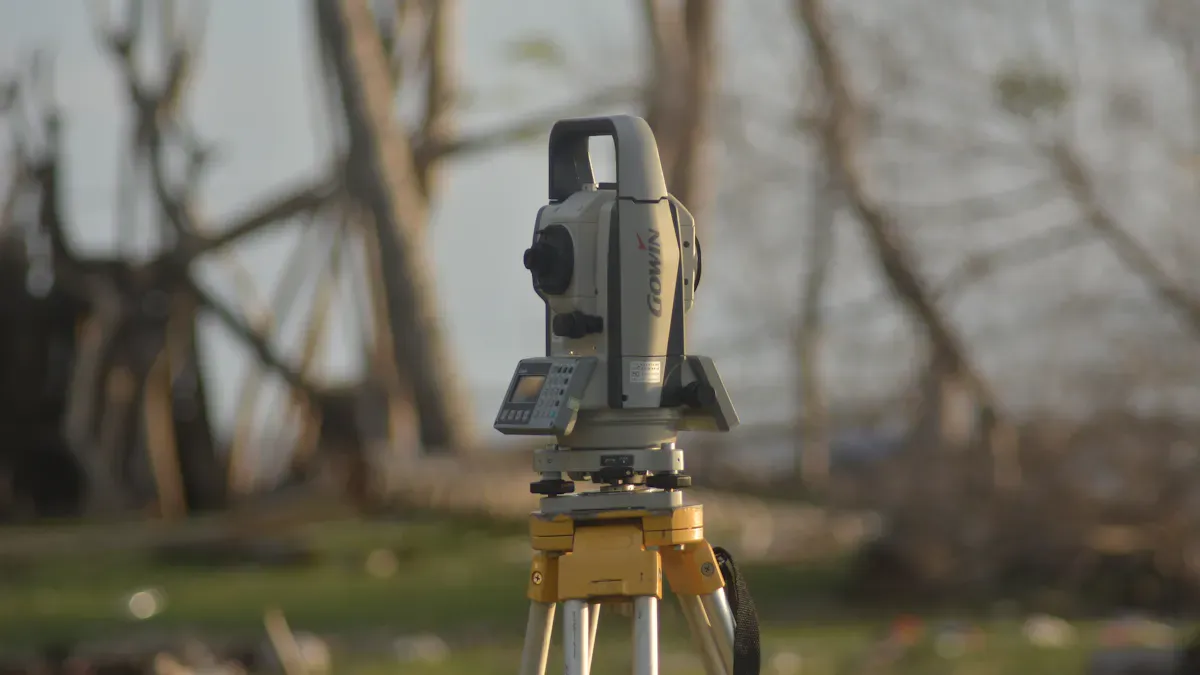
You use special ways to check if you hit static pile driver 1mm position hits target. First, you set up vertical control with benchmarks. You connect these to a main benchmark using a closed level loop. You only allow small mistakes, called residuals, to keep things accurate. You check your digital level or total station before and after moving it. You pick a cut-off tolerance, usually ±10 mm, and write it down. You tell your crew to check every reading and mark. On busy sites, you put two or more benchmarks near each pile group. This helps you find mistakes and keep piles lined up. You use clear marks and keep records to stop mistakes and help with quality checks.
|
Step |
Description |
|---|---|
|
1 |
Set up good vertical control by connecting temporary benchmarks to a main benchmark with a closed level loop. |
|
2 |
Write down mistakes and only allow small ones to keep things accurate. |
|
3 |
Check the digital level or total station with a two-peg test before and after moving it. |
|
4 |
Pick a cut-off tolerance, usually ±10 mm, and write it in your plan. |
|
5 |
Tell the crew to check every reading and mark with the set tolerance. |
|
6 |
On busy sites, put at least two benchmarks near each pile group to find mistakes. |
|
7 |
Use clear marks and written tolerances to move heights and stop mistakes. |
Modern surveying software helps you get static pile driver 1mm position hits target. The machine control system shows you where to go with centimeter accuracy. You can focus on safety and moving piles. Total station technology gives you millimeter accuracy. It works even when things are hard. With 3D machine control, you see new plans on your screen. This helps you keep piles lined up and accurate.
Operator Training And Real-Time Monitoring
You need trained workers to get static pile driver 1mm position hits target. Training teaches you how to use the monitoring systems and keep piles lined up. Real-time monitoring lets you see live numbers on your screen. You can fix pile position right away. The system shows the pile angle as you move it. This keeps pile driving accurate. If you find mistakes early, you use less energy. This saves power and lowers CO2. The RPS Tracker links your data to a digital map. You see your jobs and how you are doing right away. The system shows when you move off the plan. This helps you stay on time and keep checking your work.
-
Live numbers help you fix pile position.
-
Monitoring systems show pile angle for better lines.
-
Finding mistakes early saves energy and keeps things strong.
-
Digital maps help you track jobs and keep things accurate.
Maintenance And Inspection For Accuracy
You must keep your equipment working well to get static pile driver 1mm position hits target. Regular checks help you find broken or worn parts that could hurt accuracy. You check control systems to make sure they work right. You look at and oil the hammer to stop wear. You check the leads for straightness and wear. You follow a maintenance plan from the maker. You check your systems often to keep them accurate. These steps keep your work strong and help you put piles in the right place.
|
Maintenance Task |
Description |
|---|---|
|
Inspections |
Check parts often to find broken or worn pieces that could hurt accuracy. |
|
Control Systems |
Make sure control systems work well and are accurate for good pile driving. |
|
Hammer |
Look at and oil the hammer to keep it working and stop wear. |
|
Leads |
Check leads for straightness and wear to stop problems. |
|
Scheduled Maintenance |
Follow a maintenance plan from the maker to keep things working. |
|
System Calibration |
Check your systems often to make sure they are accurate. |
Post-Driving Verification And Documentation
After you drive the pile, you check if you got static pile driver 1mm position hits target. You use pile alignment checks and pile integrity tests to make sure. You use special tools and software to write down the final spot. This step helps with quality checks and keeps the building strong. You keep records of checks, monitoring, and pile tests. These records show you did the job right and followed all rules. Good records prove you got pile driving accuracy and help with future checks.
Tip: Always keep clear records of every check, monitoring, and pile alignment test. This helps you prove your work is accurate and keeps the building strong for a long time.
You get 1mm pile positioning accuracy by checking the site first. You use calibration and monitoring systems to help. Operator training is important for good results. Precision makes the site safer and improves quality. You keep accuracy by training workers and fixing equipment. You also plan for different site conditions.
|
Future Trend |
Benefit |
|---|---|
|
Piles are placed faster and safer |
|
|
AI monitoring |
Loads are spread out better |
FAQ
What does 1mm position accuracy mean for pile driving?
You place each pile within 1 millimeter of the target spot. This keeps your building strong and safe.
How do you check pile position during work?
You use real-time monitoring systems. These show you live data on a screen. You can adjust piles right away.
Why is operator training important for accuracy?
Training helps you use machines and software correctly. You spot mistakes early and keep every pile in the right place.


