
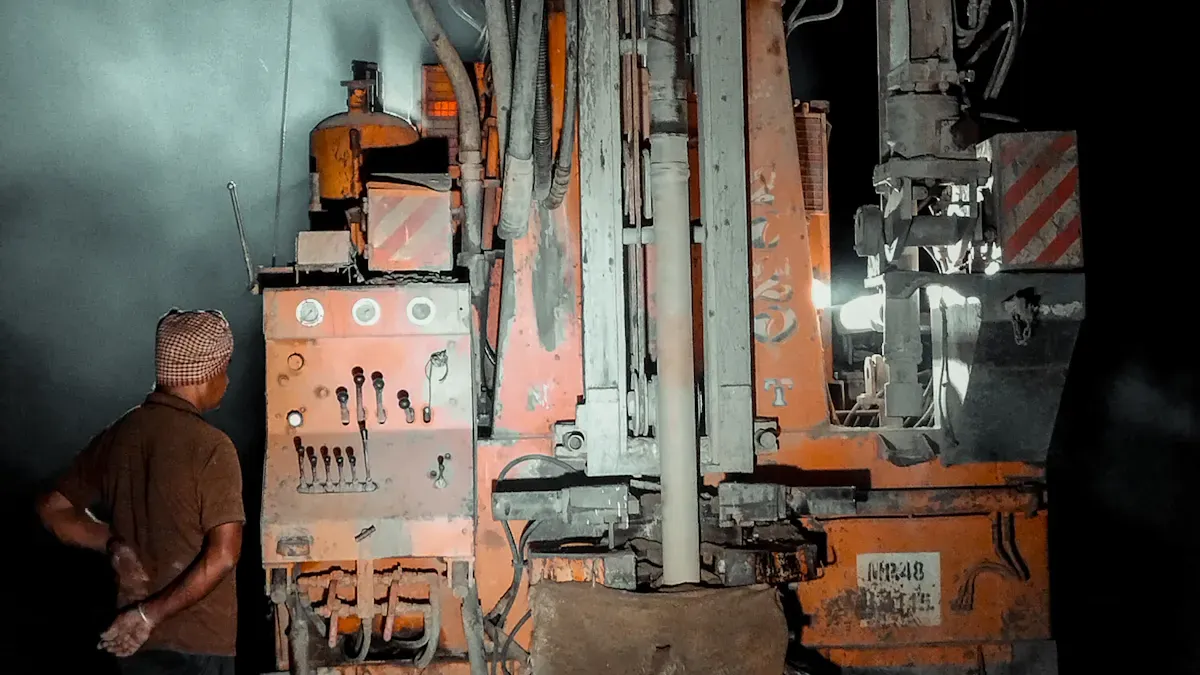
You use static pile drivers for hard work because they last longer than impact hammers. Attachments help piling go faster and change easily. Alloy steel gears and hydraulic auto-locking clamps help the machine last over 20 years. CEGC makes rules for durability. Static Pile Driver 20000hr Durability Lasts Long.
Key Takeaways
-
Static pile drivers can work for 20,000 hours. This means they can last about 10 years if you use them often. They last a long time, so you can plan your projects better. You can also make a good budget.
-
It is very important to take care of your machine. Make a plan to check, clean, and adjust your pile driver. This will help your pile driver stay in good condition. It will also stop expensive repairs.
-
Look for signs that something is wrong, like cracks or weird sounds. If you find problems early, you can fix them before they get worse. This will help your machine last longer.
Static Pile Driver 20000hr Durability Lasts Long Explained
Lifespan in Years and Usage Scenarios
If a machine says it lasts 20,000 hours, you might wonder what that means for you. If you use a static pile driver for 8 hours a day and 5 days a week, you will use it for 2,000 hours in one year. This means the machine can last about 10 years. Some jobs use the machine less, so it could last even longer. In big construction jobs, you might use the pile driver more often. Even then, you can expect it to work well for many years.
Manufacturers give warranties to show they trust their machines. Here is a table that shows how long different models are covered:
|
Model |
Warranty Period |
|---|---|
|
Base Model |
1 year |
|
Advanced Model |
2 years |
|
Pro Model |
3 years |
These warranties are much shorter than the 20,000-hour lifespan. You can feel good knowing your machine is made to last longer than the warranty. This helps you plan your work and money better.
Comparison with Other Pile Drivers
You might wonder how static pile drivers are different from other types like impact hammers. Static pile drivers use hydraulic pressure to push piles into the ground. This way, the machine does not wear out as fast. Impact hammers hit over and over, which can break them sooner and need more repairs.
Static pile drivers run smoother and make less noise. They work well in many kinds of soil, even hard ones. There is also less shaking, so the machine and the area around it stay safe. Because of these things, static pile drivers usually last longer than impact hammers. Many people say their machines work well even after 20,000 hours, especially if they take care of them.
The 20,000-hour mark is a good goal, but the real life of the machine can change. Things like taking care of the machine, how good the operator is, and the job site matter. If you look after your machine, you can help it last longer. You get a tool that can handle hard jobs and gives you value for many years.
Factors Affecting Durability
Maintenance and Care
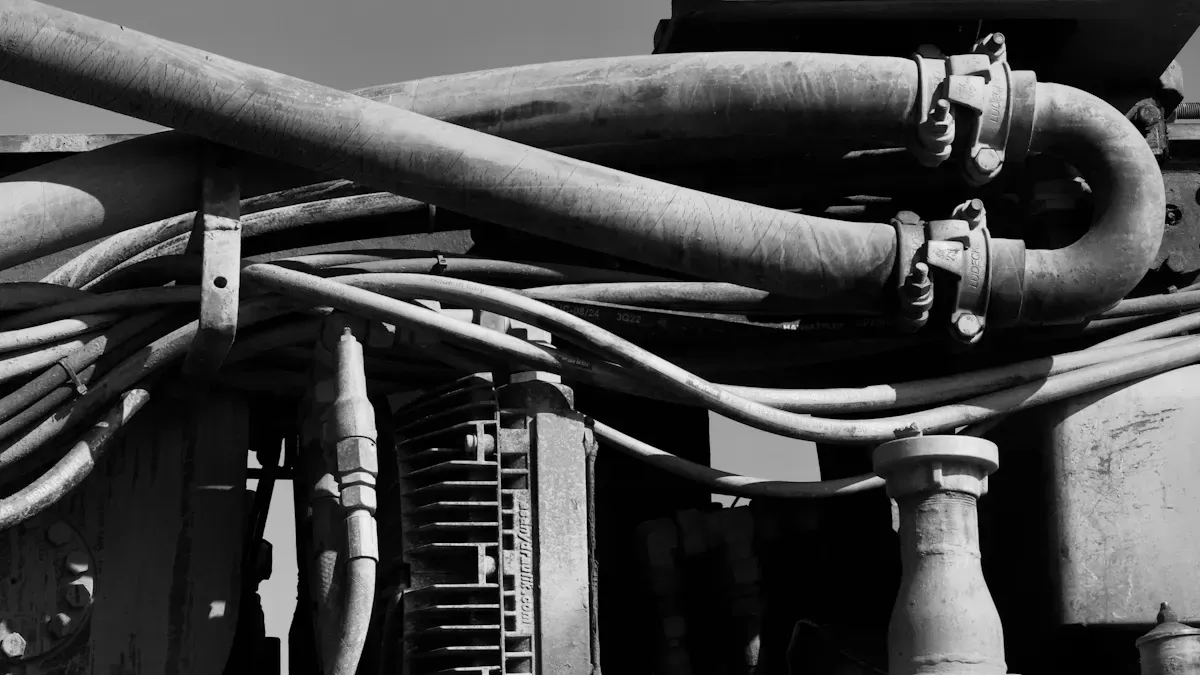
You help decide how long your static pile driver lasts. Doing regular maintenance keeps your machine working well. It also stops expensive repairs. If you check your pile driver often, you have less downtime. Your projects keep moving forward. Extra care can make hydraulic drivers last longer. They also work better.
Here are some important maintenance steps you should follow:
-
Make a maintenance plan. Use the manufacturer’s advice. This means lubricating, changing fluids, and checking parts.
-
Clean all parts deeply every week. Dirt and debris can cause problems.
-
Calibrate systems every month. This keeps your pile driver working well.
-
Watch fuel use every week. This helps you find problems early.
-
Test performance each month. You can fix issues before they get worse.
-
Check engine oil and coolant levels often. Low levels can hurt your machine.
-
Look for fluid leaks during checks. Leaks can cause bigger problems.
-
Make sure safety devices and controls work right.
Tip: If you do these tasks, your static pile driver can reach 20,000 hours. You also avoid surprise breakdowns.
Operators face some common maintenance challenges. You can see these in the table below:
|
Maintenance Challenge |
Description |
|---|---|
|
Mechanical Failures |
Skipping checks leads to downtime and repairs. |
|
Improper Fuel Line Installation |
Wrong installation causes leaks and early failures. |
|
Tripping the Hammer While Running |
This damages the hammer and lowers efficiency. |
Material Quality and Environment
The materials in your static pile driver are very important. Surface hardness, microstructure, and heat treatment make the machine strong. They help it resist wear. Good materials help your pile driver work well in tough places. If your machine has high-quality parts, it works better and lasts longer.
You also need to think about where you use your pile driver. If you work in dense soils, hydraulic static pile drivers last longer. These machines handle heavy loads and tough places without wearing out fast. If you protect your pile driver from bad weather and keep it clean, it lasts even longer.
Note: Machines made with strong materials and used in good places can reach the Static Pile Driver 20000hr Durability Lasts Long goal.
Recognizing Wear and Replacement Signs
You need to know when your pile driver is getting old or needs repairs. Look for these signs:
-
You see cracks or dents in the main frame.
-
The machine makes strange noises when running.
-
Hydraulic fluid leaks happen more often.
-
The pile driver loses power or speed.
-
Safety devices stop working right.
-
You notice more breakdowns.
If you spot these signs early, you can fix problems before they get worse. This keeps your machine safe and reliable. You protect your investment and help your pile driver last as long as possible.
Maximizing Lifespan
Best Practices for Operation
You can help your static pile driver last longer by following smart work habits. Start each day with a pre-use check. Make sure all parts work well before you begin. Train every operator to use the machine safely and correctly. Regular maintenance keeps your pile driver strong and ready for tough jobs. Plan your work site to cut down on wasted time and extra moves. Pick the right pile driver for your project and soil type.
Here are some benefits of these best practices:
-
You save money by avoiding big repairs.
-
You keep your work site safe and efficient.
When you follow these steps, you help your machine reach the Static Pile Driver 20000hr Durability Lasts Long goal.
Scheduled Inspections
Routine inspections are key to a long-lasting pile driver. You should check your machine every day before you start. Look for leaks, cracks, or loose parts. Each week or month, do a deeper check. Look inside for signs of wear or damage. Once a year, plan a full inspection. This includes cleaning, repainting, sealing cracks, and replacing worn parts.
Here is a table of important maintenance activities:
|
Maintenance Activity |
Description |
|---|---|
|
Clean, repaint, seal cracks, and replace worn parts to stop breakdowns. |
|
|
Regular inspections and condition monitoring |
Check for early wear and track how the machine works. |
|
Addressing corrosion and structural issues |
Use coatings and tools to stop rust and fix weak spots. |
Regular checks and repairs keep your pile driver safe and reliable. They also help your project stay on track.
You see the 20,000-hour benchmark as proof of strong engineering. You keep your pile driver reliable with regular care. You follow best practices to protect your investment. You watch for signs of wear. > Remember: Good habits help you reach or even pass the expected lifespan.
FAQ
How do you know when to replace your static pile driver?
You should replace your pile driver if you see cracks, hear strange noises, or notice frequent breakdowns. Regular checks help you spot these signs early.
Can you use a static pile driver in all soil types?
You can use static pile drivers in most soils. They work best in dense or hard soils. Always check the soil before starting your project.
What is the main benefit of a 20,000-hour lifespan?
-
You save money on repairs.
-
You get reliable performance for many years.
-
You reduce downtime on your job site.


