
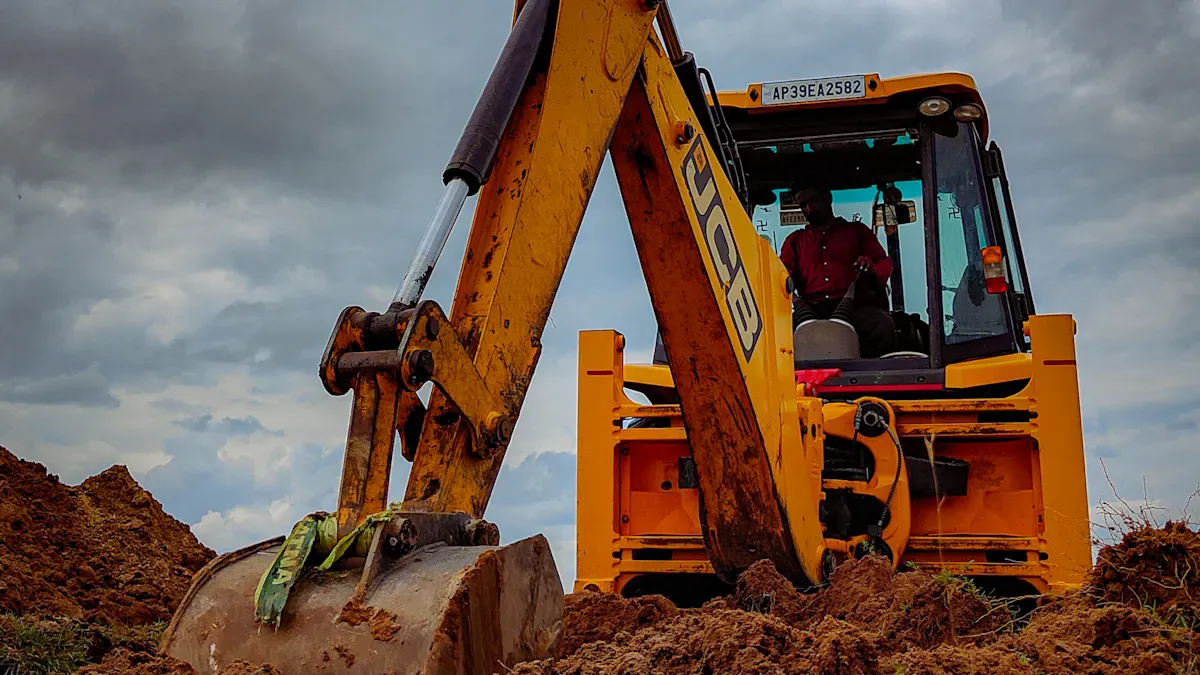
The Static Pile Driver Stable Base Handles Load by pushing piles slowly into the ground. This piling method gives each building a strong base. In construction and civil engineering, CEGC uses piling to make things safer and last longer. The table below shows how piling helps big projects.
|
Aspect |
Contribution to Safety and Durability |
|---|---|
|
Technological Advancements |
Automation and remote control make work faster and easier. |
|
Environmental Compliance |
Using green technology lowers harm to the environment. |
|
Structural Integrity |
Strong foundation solutions make buildings more stable. |
|
Digital Monitoring |
Control systems help workers do more and stop delays. |
|
Government Spending |
More money for infrastructure makes construction stronger. |
Key Takeaways
-
Static pile drivers make strong bases. They push piles deep into the ground. This keeps buildings steady and safe.
-
Static pile drivers are quiet and cause little shaking. They are good for city building. They help protect the environment.
-
New machines and technology help pile drivers work better. They make jobs safer and more accurate. Workers finish projects faster and make fewer errors.
Static Pile Driver Stable Base Handles Load
Stability Principles
Static pile driver stable base handles load by pushing piles deep. Engineers use hydraulic power to control how piles go in. This helps place piles exactly where they need to be. Piling makes a strong foundation for buildings. The system works with different pile types and soils. Workers can change the depth and angle of each pile. Using steady force makes structures more stable. There is little noise and vibration, so the environment is less disturbed.
-
Hydraulic power lets workers control pile installation very well.
-
Static pressing helps piles go into the soil evenly.
-
The system works with many pile types and soil conditions.
-
Low noise and vibration help protect the environment.
-
Steady force lets workers set the depth and angle exactly.
Scientific studies show static pile driver stable base handles load well. Field tests at Kwajalein Drydock Pile Foundation prove piling works in real life. Engineers put precast prestressed concrete piles down 53 feet. Static load tests showed the piles could hold enough weight. Sands got denser, making the structure more stable. The table below shows what was found:
|
Aspect |
Details |
|---|---|
|
Project |
Kwajalein Drydock Pile Foundation |
|
Pile Type |
20 in. by 20 in. by 85 ft long precast prestressed concrete piles |
|
Depth |
Embedded to a depth of 53 ft |
|
Initial Penetration Resistance |
12 blows/ft at final toe elevation |
|
Actual Penetration Resistance |
Decreased to as low as 2 blows/ft near lagoon end |
|
Investigation Timing |
7 months after installation |
|
Findings |
Adequate bearing capacity confirmed through static load tests and densification of sands due to pile driving |
Note: Engineers use piling to make buildings stable in tough soils. Static pile driver stable base handles load even when soil changes across the site.
Load Handling Advantages
Static pile driver stable base handles load by spreading weight across the foundation. Piling holds up heavy buildings and stops them from sinking. The method helps big construction projects work better. Engineers pick static pile drivers because they are dependable. Piling makes soil stronger and can handle big loads. The system deals with high loads without causing harm. Static pile driver stable base handles load in homes and businesses.
-
Piling spreads weight across the foundation.
-
The method holds up heavy buildings and stops sinking.
-
Piling helps big construction projects work better.
-
Engineers trust static pile drivers to be reliable.
-
Piling makes soil stronger and handles big loads.
Static pile driver stable base handles load with steady results. The system keeps buildings stable for a long time. Piling lowers the chance of foundation problems. Engineers check performance with digital tools. Static pile driver stable base handles load in tough places. The method works with new building technologies. Piling is still important for stable base and load handling.
2026 Technology Trends in Pile Drivers
Automation & Robotics
New technology is changing pile drivers in 2026. Automation is a big trend in building things. Robots help make work more exact and lower mistakes. Machines with automation push piles deeper and do it the same way each time. These tools make jobs safer and keep things steady. Automation helps workers finish faster and get more done. Smart controls let people watch machines as they work. Using automation means less money spent on workers and better work. Technology makes pile drivers safer and more trustworthy.
-
Robots help make work more exact.
-
Machines with automation push piles deeper.
-
Automation lowers mistakes made by people.
-
Smart controls make jobs safer.
-
Automation helps workers get more done.
Energy Efficiency & Emission Reduction
New technology helps pile drivers use less energy and make less pollution. Better power sources help save energy. Electric and hybrid systems are good for the planet. Automation lets people control machines from far away or let them work alone. Data tools and smart fixes help machines work better. New technology helps save time and energy.
|
Advancement Type |
Description |
|---|---|
|
Cleaner energy sources help protect the planet. |
|
|
Increased Automation and Digitalization |
Remote control and machines that work alone save time. |
|
Data Analytics and Predictive Maintenance |
Smart tools check machines and help them work longer without stopping. |
Safety & Precision Improvements
Safety is very important in new technology trends. Workers check machines before using them to make sure they work right. Training teaches workers how to use machines safely. Safety features keep people away from moving machines. Checking machines often stops them from breaking. Workers learn to see dangers and wear safety gear. Training helps workers use hard machines. New safety rules make machines work better. Better accuracy helps finish building faster and with good results.
-
The best piles are picked for the ground.
-
The right pile driver uses energy well.
-
Watching in real time finds things in the way.
-
Ground fixes help piles work better.
New technology and ideas bring better safety and accuracy. These trends help workers do more and work better with pile drivers.
Static vs. Hydraulic & Vibratory Drivers
Stability & Load Comparison
Static pile drivers give strong support in many soils. They use steady force to push piles deep. This helps buildings stay safe and upright. Hydraulic and vibratory drivers use other ways to put in piles. These machines shake or push piles fast. This can make the soil move more. Static pile drivers keep the ground steady during piling. This lowers the chance of the ground shifting. It also helps keep workers safe. Many engineers pick static pile drivers for jobs that need strong support. Static drivers also make less noise and vibration. This protects workers and people living nearby. Using static methods keeps safety high.
Market Trends & Adaptability
The pile driver market changes as new technology comes out. Static pile drivers are still used a lot in cities and busy places. They work well in different weather. Hydraulic and vibratory drivers do not always work well in soft or mixed soils. Static pile drivers can be used in many places. The table below shows how each type works in real jobs:
|
Feature |
Static Pile Drivers |
Hydraulic and Vibratory Drivers |
|---|---|---|
|
Adaptability to Soil Types |
Good adaptability to various soil layers |
Varies, often less adaptable |
|
Impact on Noise/Vibration |
Low noise and vibration, suitable for urban |
Higher noise and vibration levels |
|
Weather Resistance |
Less affected by weather conditions |
More affected by weather |
|
Urban Construction Suitability |
Preferred for urban and municipal projects |
Less suitable for sensitive environments |
The pile driver market shows static drivers are still strong. Many building companies choose static drivers for safer piling. Static drivers also help follow rules about safety and noise. Using static drivers helps make buildings safe and stable. The pile driver market will keep growing as more cities need piling.
Note: Static pile drivers are picked most for piling where safety and stability are very important.
Applications & Case Studies
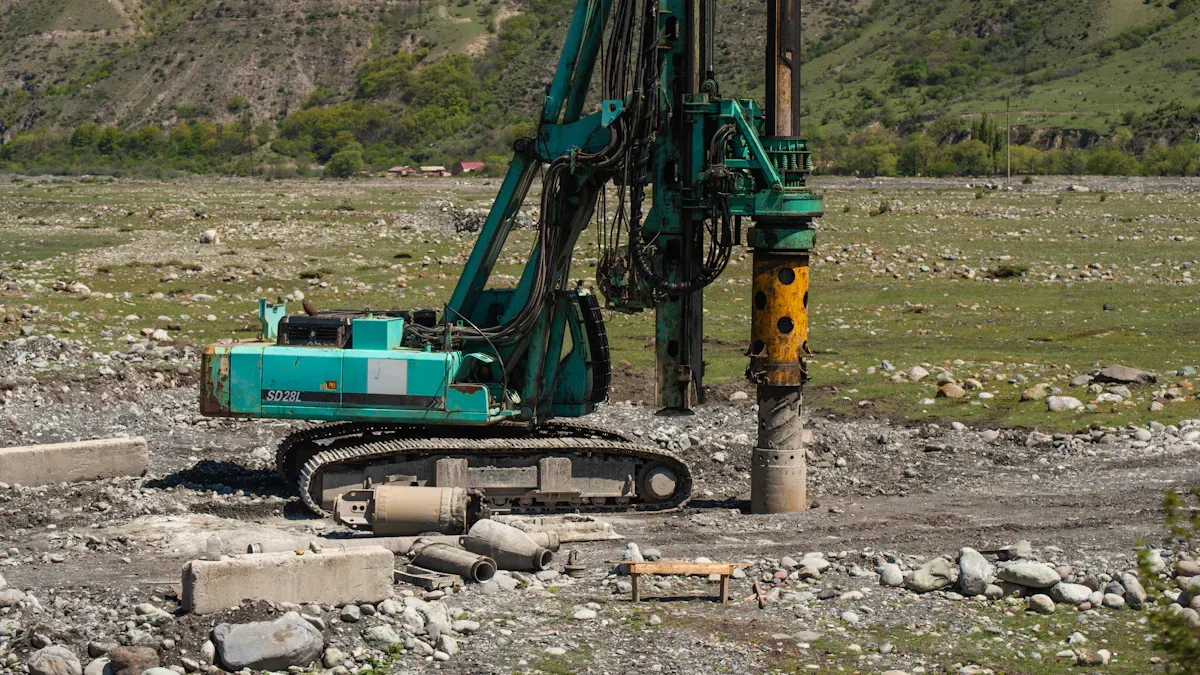
Infrastructure Projects
Static pile drivers are important for building big projects. Engineers use piling to make strong bases for tunnels and water plants. They also use it for offshore platforms and defense projects. These machines help build things that last a long time. Piling keeps buildings safe from moving soil and bad weather. The table below shows how static pile drivers help different projects:
|
Application Area |
Contribution to Longevity and Success |
|---|---|
|
Tunnel Construction |
Needs strong bases for stability, which helps tunnels last longer. |
|
Water and Electricity Facilities |
Makes strong supports in tough places, so they last longer. |
|
Offshore Platforms |
Keeps platforms safe from ocean forces, making them stable. |
|
National Defense Engineering |
Builds important things that can handle hard conditions, showing safety and strength. |
Piling helps engineers build bridges, roads, and power plants. These jobs need strong bases to stay safe. Static pile drivers push piles deep to hold heavy things. Workers trust this way because it works well for big projects.
Commercial & Residential Use
Static pile drivers are also used for homes and businesses. Piling has many good points in cities:
-
They put piles in the right spot, making buildings strong.
-
They make less shaking, so nearby buildings are safe.
-
They help the environment by not making dirty air.
-
They put piles in fast, so jobs finish sooner.
-
They are very accurate, so workers do not need to fix piles.
-
Low noise and shaking make them great for city jobs.
Piling helps build homes, offices, and schools. Engineers use static pile drivers to make strong bases for these buildings. This keeps people safe and helps the environment. Piling is still needed for big projects and everyday buildings.
Cost, Compliance & Environmental Impact
Cost Factors
Piling driving equipment is important for how much building costs. Companies think about the price to buy, fix, and fuel piling driving equipment. Workers want piling driving equipment that lasts many years. If piling driving equipment breaks, work stops and costs go up. When projects get bigger, more piling driving equipment is needed, so companies plan. Safety checks cost more, but they stop accidents from happening. New piling driving equipment with better technology costs more at first, but saves money later. Companies look at different piling driving equipment brands to get the best deal. Piling driving equipment that uses less energy helps save money. More city projects mean more piling driving equipment is needed. Fast piling driving equipment helps finish jobs quickly.
|
Cost Factor |
Impact on Project Budget |
|---|---|
|
Piling driving equipment purchase |
High upfront cost |
|
Maintenance of piling driving equipment |
Ongoing expense |
|
Fuel for piling driving equipment |
Variable cost |
|
Expansion needs for piling driving equipment |
Extra investment |
|
Safety checks for piling driving equipment |
Added cost |
Regulatory Compliance 2026
Rules in 2026 focus on safety and the environment. Inspectors check piling driving equipment for safety parts. Workers must use piling driving equipment that follows new rules. Big projects must follow strict rules for piling driving equipment. Companies teach workers how to use piling driving equipment safely. Safety rules keep workers and people nearby safe. Piling driving equipment must pass tests before being used. More city projects mean more rules for piling driving equipment. Companies keep records of piling driving equipment checks. Training helps workers not make mistakes. Piling driving equipment with smart controls helps follow the rules.
Safety rules in 2026 help make piling driving equipment safer for everyone.
Environmental Considerations
Piling driving equipment can affect the environment in many ways. In cities, piling driving equipment makes vibrations. These vibrations can bother people and hurt buildings close by. Hospitals and homes can feel the effects of piling driving equipment. Cracks and problems with foundations can happen from piling driving equipment. Engineers use models to study how piling driving equipment affects things. They find the right depth for piling driving equipment can lower vibration. Big projects use piling driving equipment that makes less noise. Green building uses piling driving equipment with cleaner energy. Safety checks help keep the environment safe from piling driving equipment. Companies pick piling driving equipment that makes less pollution. More city projects mean more piling driving equipment, so companies use better ways.
Engineers use piling driving equipment carefully to keep people and buildings safe.
-
Static pile drivers give strong support and can hold heavy weight. They do not make the ground shake when working. New technology makes them safer and helps workers do their jobs faster. This makes static pile drivers a good choice for building today. Cities are getting bigger, so engineers think pile driving will get even better. In the future, it will be safer for the planet and work even faster.
FAQ
What is piling and why do engineers use it?
Piling means putting long, strong columns into the ground. Engineers use piling to make sure buildings stay safe and do not sink during construction.
How does piling help with building safety?
Piling spreads the weight of a building over a large area. This helps keep the building steady. Piling also works well in soft or wet soil.
Can piling reduce noise and vibration in construction projects?
Yes. Piling with static pile drivers makes less noise and vibration. This helps protect people and buildings nearby during construction. Piling also keeps the work site safer.


