
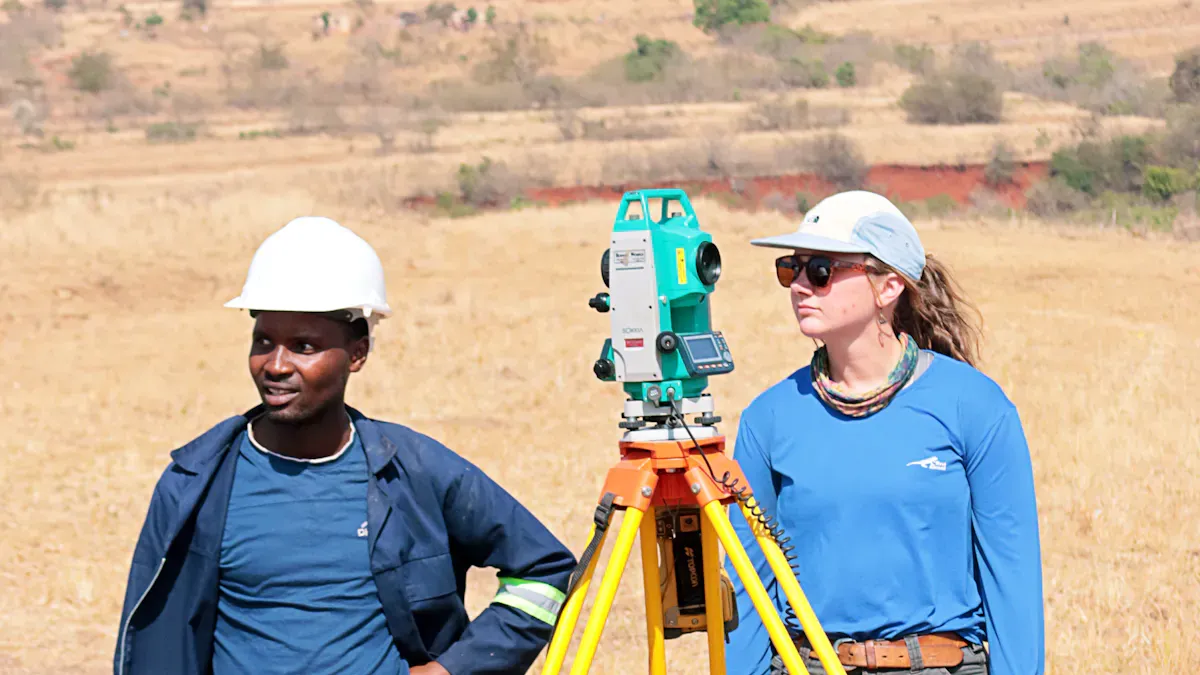
You use a static pile driver ultra 0.3mm position system to put piles in the right spot during building. This technology lets you control where the pile goes very well. Even small mistakes stay within strict rules. You make the concrete stronger and follow CEGC rules. Ultra-precise placement keeps the piles from moving too much and makes sure they stand straight.
Key Takeaways
-
The static pile driver ultra 0.3mm position system puts piles in the right spot. It keeps mistakes small, less than 0.3mm. This helps make foundations stronger.
-
This system makes less noise and vibration. It works well in places like hospitals and schools.
-
Sensors and a guiding mechanism work together. They let workers change things as they go. This keeps piles straight and stable when they are put in.
Static Pile Driver Ultra 0.3mm Position System Overview
Main Components
When you look at a static pile driver ultra 0.3mm position system, you find many important parts. Each part helps you put piles in the right place during building. The main components are:
-
Pile Driver Frame: This frame is very strong. It holds all the parts together. It supports the pile and helps guide it.
-
Hydraulic System: You use this system to control the force. It pushes the pile into the ground in a smooth way.
-
Position Sensors: These sensors check where the pile is. They give you updates so you can keep the pile within 0.3mm.
-
Control Panel: You use this panel to set where the pile should go. It also shows you how deep and straight the pile is.
-
Guiding Mechanism: This part keeps the pile straight. It stops the pile from tilting or moving during work.
Tip: Check the control panel often to make sure the pile is in the right spot. This helps you avoid mistakes and keeps your project going well.
Each part has a special job. The sensors and guiding mechanism work together for very good control. You need these features to follow strict building rules.
|
Component |
Function |
Role in Design |
|---|---|---|
|
Pile Driver Frame |
Holds pile and system |
Gives strong support |
|
Hydraulic System |
Pushes pile with force |
Makes work smooth |
|
Position Sensors |
Checks pile’s location |
Helps with exact design |
|
Control Panel |
Sets and checks settings |
Lets you control design |
|
Guiding Mechanism |
Keeps pile straight |
Keeps design correct |
How the Position System Works
You use the position system to put piles in the exact spot. The system uses sensors and a guiding mechanism to keep the pile within 0.3mm of the target. First, you set the spot on the control panel. The sensors watch the pile and send numbers to the panel. You look at the numbers and change the hydraulic system if you need to.
Here are the steps for putting the pile in the right place:
-
Set the pile’s target spot on the control panel.
-
The sensors watch the pile move in real time.
-
You look at the feedback and make small changes.
-
The guiding mechanism keeps the pile straight and stops it from moving.
-
You check the pile’s final spot before you finish.
The system is made to be very accurate. The sensors and guiding mechanism help you not make mistakes. You can put piles in the perfect spot, which makes the building better. You lower the chance of uneven or weak foundations.
Note: You get better results when you use a smart system. The ultra 0.3mm position system helps you trust your building work.
Putting piles in the right place is important for many reasons. You make strong foundations when you follow the right design. You stop problems like leaning piles or cracks. You also follow strict building rules. The system helps you save time and money by making fewer mistakes.
The static pile driver ultra 0.3mm position system changes how you build. You use its smart design to get great results. You make sure every pile fits just right, so buildings are safer and last longer.
Piles Installation Process and Benefits
Step-by-Step Operation
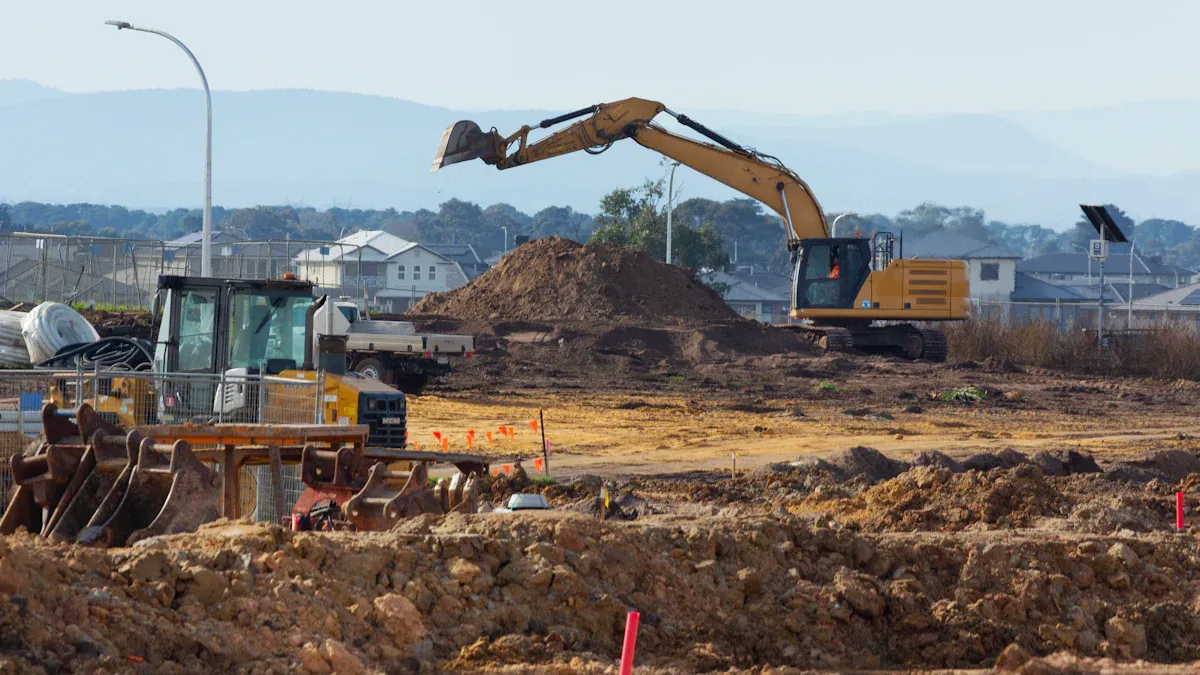
You start the installation by preparing the piles. You check the piles for straightness and strength. You place the piles in the pile driver frame. You set the target spot for the piles using the control panel. You use the hydraulic system to push the piles into the ground. You watch the position sensors as the piles move. You adjust the piles if the sensors show any error. You keep the piles straight with the guiding mechanism. You check the piles for depth and alignment. You finish the installation when the piles reach the right spot. You repeat these steps for all piles. You make sure the piles can handle the load. You test the piles for load capacity. You record the piles’ position and load data. You use the piles to support the construction. You rely on the piles to carry the load. You trust the piles to keep the building safe. You inspect the piles after installation. You confirm the piles are ready for load. You use the piles for the foundation. You monitor the piles during construction. You check the piles for any movement. You keep the piles stable under load. You finish the construction with strong piles.
Tip: Always check the piles for load before you start construction. This helps you avoid problems later.
Advantages of Ultra-Precise Placement
You get many benefits from ultra-precise placement of piles. You reduce noise during installation. You lower vibration, which protects nearby structures. You improve accuracy, so the piles fit the design. You make the piles stronger by keeping them straight. You use the piles in sensitive environments, like hospitals or schools. You avoid damage to the piles from excess load. You save time by placing the piles correctly the first time. You prevent mistakes that can weaken the piles. You meet strict construction standards with precise piles. You keep the piles from leaning or cracking. You use the piles to support heavy load. You trust the piles to last longer. You make the piles safer for people. You rely on the piles for stable foundations. You use the piles for tall buildings. You protect the piles from shifting under load. You get better results with precise piles. You use the piles for bridges and roads. You keep the piles strong under load. You choose the piles for important projects. You depend on the piles for quality construction.
Note: Ultra-precise piles help you build in places where noise and vibration must stay low. You use these piles for safe and quiet installation.
Applications and Comparison
Where Ultra Precision Matters
You use a static pile driver ultra 0.3mm position system when you need the best foundation. You see this system in cities where buildings stand close together. You use it near hospitals, schools, or old buildings. These places need low noise and low vibration. You want to avoid cracking in walls or roads. You also use this system for bridges and tunnels. You protect the design from frost heave cracking. You keep the foundation safe from cracking and shifting. You use it for projects where the bearing capacity must stay high. You trust this system for tall buildings. You use it when the design must stop frost heave cracking. You choose it for places with weak soil. You want to keep the foundation strong and stop cracking. You use it for projects where the design must last many years. You avoid frost heave cracking in cold areas. You use it for roads and railways. You keep the bearing capacity high and stop cracking. You use it for any design that needs a perfect foundation.
Tip: You pick ultra-precise systems when you want to stop cracking and frost heave cracking in your design.
Static vs. Traditional Pile Drivers
You see big differences between static pile drivers and traditional impact or vibration pile drivers. Static pile drivers give you more control over the design. You get faster installation and better accuracy. You keep the foundation safe from cracking. You lower the risk of frost heave cracking. You protect the bearing capacity of the soil. You avoid cracking in the design. You use static systems to keep the foundation straight and strong. You see less cracking and more stable design.
Here is a table to help you compare:
|
Metric |
Hydraulic Static Pile Drivers |
Traditional Impact/Vibratory Pile Drivers |
|---|---|---|
|
Installation Speed |
Higher noise and vibration levels |
|
|
Verticality Accuracy |
Within 1 degree |
Varies |
|
Installation Speed (piles/day) |
12 |
8 |
You see that static pile drivers help you finish the design faster. You get more piles in the ground each day. You keep the foundation safe from cracking and frost heave cracking. You protect the bearing capacity. You avoid cracking in the design. You use static systems when you want the best results for your foundation.
You get good results when you use the static pile driver ultra 0.3mm position system for building. This technology lets you put piles in the right place. It makes construction safer for everyone. You should pick this system if your project needs high accuracy. It also works well when you want to keep the site calm and quiet.
FAQ
What does "ultra 0.3mm position system" mean?
You use this system to keep pile placement errors within 0.3 millimeters. This helps you build strong and safe foundations.
Can you use this system in busy city areas?
Yes. You use it in cities because it makes less noise and vibration. You protect nearby buildings and people.
How do you check if the pile is in the right spot?
You read the control panel. The sensors show you the pile’s position. You adjust the pile if you see any error.


