
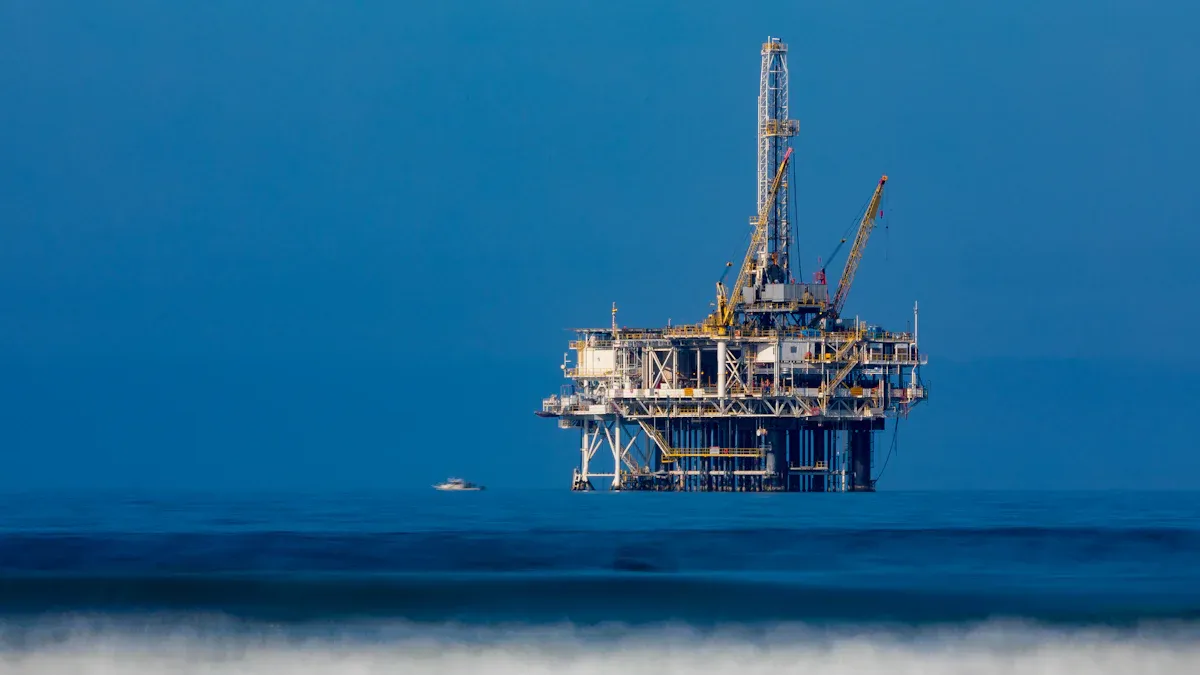
Well drilling rig steady pressure handles deep work" is very important. This constant pressure helps deep drilling work well. Keeping pressure the same is basic for safe drilling. It also makes drilling work better. CEGC knows this. It makes drilling less dangerous. Steady pressure makes deep drilling best. This even pressure is vital.
Key Takeaways
-
Steady pressure keeps the well safe. This is true for deep drilling. It stops dangerous blowouts. It protects drilling equipment.
-
Steady pressure makes drilling better. It cuts down on expensive delays. It helps tools last longer.
-
Steady pressure helps the environment. It lowers the chance of fluid leaks. It supports green drilling.
Well Control and Safety: Steady Pressure in Deep Drilling
Prevention of Formation Damage and Blowouts
Steady pressure is very important. It helps control the well. It stops blowouts. It stops kicks. These happen during deep drilling. Constant Bottom Hole Pressure (CBHP) is a main way. It keeps pressure in the wellbore. This pressure is above the formation pressure. This keeps the well "killed." It stops unwanted fluid from coming in. This helps prevent damage to the formation.
CBHP lowers the risk. It stops pressure from dropping. This happens when pulling pipe. This prevents fluid from coming in. This could harm the formation. It also helps avoid lost circulation. This happens in weaker formations. Controlled backpressure keeps wellbore pressure steady. It stays within the formation's limits. This stops fragile parts from breaking. It stops fluid loss. Fluid loss harms the formation. CBHP also keeps pressure stable. This is during changes in work. It fixes pressure problems. This happens during connections. It happens during other drilling work. This keeps pressure steady. It stops pressure changes. These changes could harm the formation.
Constant Bottomhole Pressure (CBHP) keeps pressure steady. It changes surface back pressure. It does this in real-time. It uses a special control system. This works well in certain wells. These wells have small pressure windows. Steady pressure is very important here. It lowers the risk of kicks. It lowers the risk of mud losses. These can damage the formation. Managed pressure services are key. They help with these hard drilling jobs.
Maintaining Borehole Stability and Integrity
Steady pressure is key. It keeps the borehole stable. It keeps it strong. It lowers the risk of too much pressure. This can harm rock formations. It also stops too little pressure. This lets fluid enter the well. Drilling with mud can cause problems. Mud pressure can be different. It can be different from formation pressure. This can cause fluid to spread. It spreads between the formation and wellbore. This changes stress. It changes pressure around the wellbore. This affects how stable it is.
Fluid pressure inside a crack is most important. It decides if a crack stays open. It decides if it reopens. The internal pore pressure does not matter. This is if it is below the minimum stress (σ3). It also does not matter if it is below the fracture fluid pressure (pf). A crack stays open when σ3 - pf < 0. If this number is > 0, the crack will close. A crack keeps growing. This depends on how tough it is. It also depends on the fluid. This includes its pressure. It includes its flow rate. It includes its thickness. So, controlling pressure is very important.
Protecting Equipment from Pressure Fluctuations
Big pressure changes can harm drilling tools. Studies show this. When a blowout preventer (BOP) closes, pressure goes up fast. This is in the annular space. It can reach 6.09 MPa. This happens in less than six seconds. Then it drops. These fast pressure changes are important. They check if the wellbore is strong.
-
Sudden changes in pressure. Sudden changes in fluid flow. These can put too much pressure. This is on the annular space. This is on the BOP.
-
Pressure can leak. This starts at the casing shoe. This is the weakest spot. It can stop drilling.
-
A hard shut-in lowers risk. It stops the ground from breaking. But it can cause big pressure changes. These can hurt wellhead parts. This includes the BOP.
-
A soft shut-in lets more fluid in. This is into the borehole. This raises the risk. It can break the ground. This is at the casing shoe. It also makes well-killing harder.
It is important to study fluid flow. It is important to study pressure changes. This happens when fluid is in the annular space. This is during well shut-in. This keeps ultra-deep wells safe. If wellhead tools can handle the first pressure wave, use a hard shut-in. This is often best. Choose the right shut-in. Think about how fluid pressure changes. This is in the annular area. This stops damage to wellhead tools. It stops damage to exposed ground. This is from changing pressure.
Special drilling methods protect tools. They make changes smooth. They limit big pressure spikes. This lowers sudden stress. These systems guess changes. They cushion the load. This is on parts. This lets drilling happen. It is closer to max pressure. This means fewer big problems. It means less need for new parts. It means steady work time. This is for drilling. The K Series Pulsation Dampener helps. It lowers pressure changes. This is in drilling fluid systems. It smooths out these changes. This helps keep fluid flow steady. It helps keep pressure steady. This protects tools. This is like pumps, valves, and pipes. It protects them from wear. This wear is from pressure spikes. This makes tools last longer. It lowers repair costs. It makes drilling better and safer. This is by keeping pressure steady. Using steady pressure on the drill string is key. It stops drilling tools from bending. It stops them from being out of line. Watching hammer work in real-time helps. Adjusting speed or pressure helps. This makes drilling exact. This protects tools from wear. This wear is from uneven pressure. This is how a well drilling rig works. Steady pressure handles deep work. It makes drilling safer. Common tool damage happens. This is from uncontrolled pressure changes. This includes:
-
Damage to the wellhead
-
Damage to the blowout preventer
Managed pressure systems are key. They stop these problems. They give the control needed. This is for deep drilling. They lower surge and swab pressures.
Efficiency and Cost Savings: The Role of Steady Pressure
Reducing Downtime and Stuck Pipe Incidents
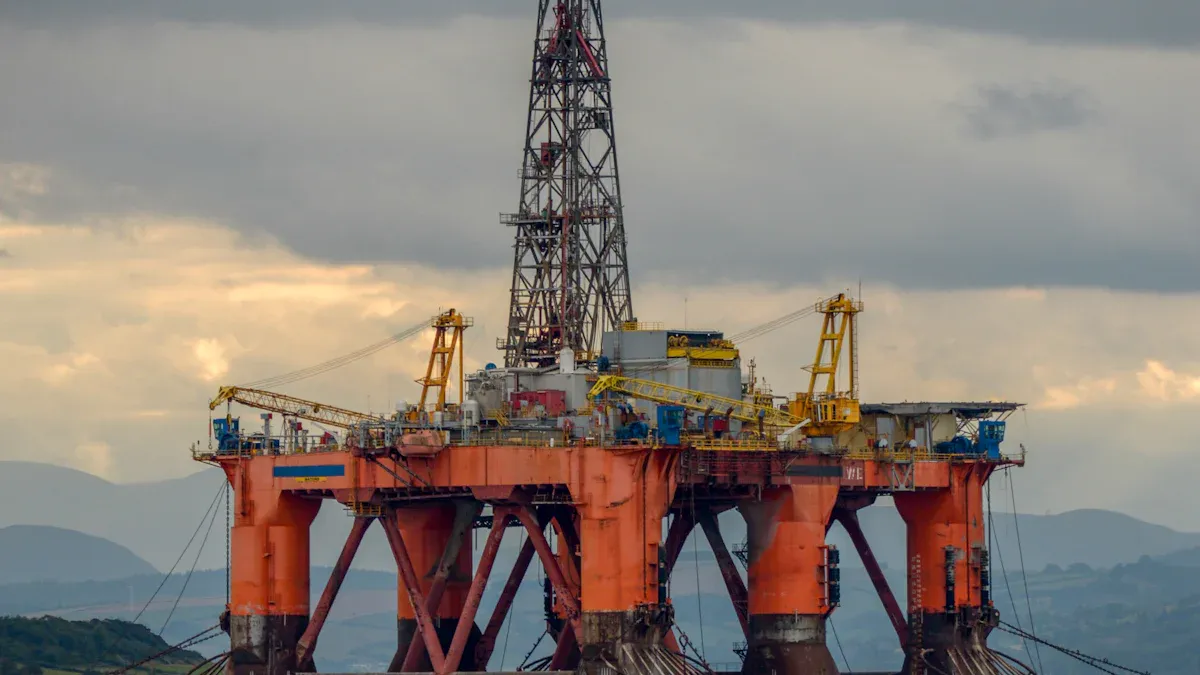
Steady pressure helps drilling. It makes things run smoothly. It cuts down on wasted time. Problems like stuck pipe happen less. Torque spikes also happen less. These issues cause delays. They cost a lot to fix. CEGC's Anti-Stall Powertrain & Overload Protection helps. It solves these problems. It gives steady power. It stops sudden stops. It stops too much force. This protects the drill string. It protects other parts.
Steady pressure stops sudden changes. These changes happen downhole. They can cause surge. They can cause swab pressures. These pressure changes can stick the drill string. They can harm the wellbore. Steady pressure keeps drilling stable. It lowers the risk of stuck pipe. It also lowers torque spikes. These can twist rods. They can break threads. This steady way of drilling works better. The rig runs longer. It needs fewer emergency fixes. This saves time. It saves money. This is for deep work.
Optimizing Drilling Performance and Tool Life
Steady pressure makes drilling better. It makes tools last longer. This includes drill bits. It includes other downhole tools. This cuts the cost of new parts. It cuts the cost of tool wear. Steady pressure keeps Weight on Bit (WOB) constant. This lessens stick-slip. It lessens vibrations. This is for BHA equipment. These things make parts last longer. They make bits last longer. This is because drilling is steady. Torque goes to the bit smoothly.
The Wenzel Downhole Shock Tool uses springs. These springs are reliable. They keep the bit touching the rock. This contact is steady. It lowers impact. This makes the drill bit last longer. Nozzles are sized well. Jets are aimed right. They make pressure drop at the bit. This drop helps break cuttings. It makes them easy to move. This helps with water flow. It can make bits last longer. It stops regrinding cuttings. CEGC's Tooling Compatibility & Durability Package helps. It makes sure tools work best. This is under steady pressure. This makes drilling better. It makes drilling more efficient.
Lowering Operational and Maintenance Costs
Steady pressure saves money. It lowers costs. It puts less stress on pumps. This means less wear. Automated systems control pressure. They use steady, exact pressure. This reduces stress on pumps. It reduces stress on parts. This stops too much pressure. It stops too much wear. It makes equipment last longer. It means less fixing. This means fewer costly repairs. It means fewer spare parts.
Steady pressure helps. It is part of automated systems. It means fewer repairs. One report says "Up to 40% fewer maintenance incidents." This is due to automation. This lowers repair costs. It lowers downtime. This is for pumps. It is for related gear. Managed pressure systems give this control. They make sure parts work best. This stops early equipment failure. It means less need for new parts. This makes drilling cheaper. Managed pressure helps keep tools good. This makes deep drilling efficient. It makes it cheap.
Precision and Environmental Impact: Steady Pressure Benefits
Achieving Accurate Borehole Placement
Steady pressure is key. It helps place boreholes exactly. It aids guidance systems. These are in horizontal drilling machines. This makes sure paths are correct. It stops holes from going off track. It stops them from crossing. Vermeer's AutoTension helps. It keeps tail string tension steady. This centers the reamer. It stops keyholing. Operators set tension. They do not use a joystick. The system keeps it steady. This is during drilling. AutoTension lets the machine push or pull. It does this without help. PLC systems control drilling. They manage torque, speed, and force. These systems adjust themselves. They keep torque constant. This constant torque lowers risk. It stops drill pipe unbuckling. This is from too much torque or pull. This exact pressure control helps. It makes deep work accurate.
Mitigating Frac-Out Risk and Fluid Loss
Good mud and fluid control are vital. Steady pressure helps with this. It lowers frac-out risk. It reduces fluid loss. This means less harm to nature. It helps follow rules. Steady pressure uses MPD systems. It lowers harm to the environment. It stops fluid loss into the ground. Less fluid loss saves drilling fluids. This is key in sensitive areas. Managed pressure services give this control. They ensure good mud flow. This stops unwanted fluid escape.
Supporting Sustainable Drilling Practices
Stable mud helps bore stability. It also helps the environment. Steady pressure keeps mud stable. Solids control is very important. It keeps mud properties steady. This lowers harm to nature. This process removes cuttings. It gets back drilling fluid. This can cut waste by 50–70%. It can get back 95% of drilling mud. MPD is a flexible drilling method. It controls annular pressure. This stops fluid from coming in. MPD makes wells safer. It makes work better. It lowers costs. This fits green drilling. New rules push new tech. Digital tools like AI help. They show how things work. Being green is important. Companies use eco-friendly ways. This lowers harm to nature. Key benefits are good work, less risk, saved money, and following rules. These make the industry strong. Watching pressure is key to this.
Steady pressure is very important. It helps drill deep wells. It makes them safe. It saves money. This steady pressure helps control the well. It makes drilling work better. It helps the environment. This is a must for drilling today. Good drilling machines help. CEGC's machine is one example. It gives the right pressure. This helps with hard, deep jobs. This careful pressure control makes all drilling better.
FAQ
What is the main benefit of steady pressure in deep drilling?
Steady pressure controls the well. It stops blowouts. It stops damage. This makes drilling safer. It works better.
How does steady pressure reduce drilling costs?
It stops delays. It stops stuck pipes. This makes drilling better. Tools last longer. This saves money.
What environmental advantages does steady pressure provide?
It lowers frac-out risk. It stops fluid loss. This helps the environment. It follows rules.


