
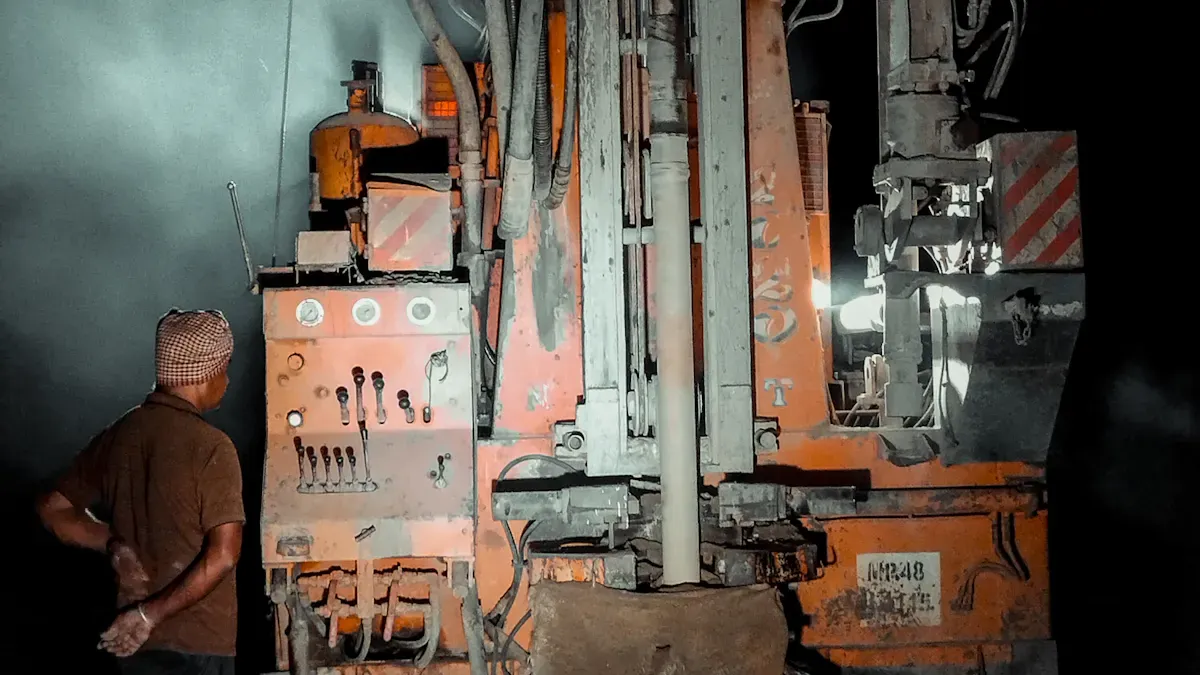
You need to make sure your surface drilling rig 45° slope never slips. Pick the best equipment for your work. Check your equipment before you use it. Place your equipment carefully so your surface drilling rig 45° slope never slips. Count on CEGC to give you equipment that makes sure your surface drilling rig 45° slope never slips. Always teach your team to keep your equipment steady. Do safety checks each time your surface drilling rig 45° slope never slips.
Key Takeaways
-
Always look over your drilling rig and the site before you start work. This keeps everyone safe and stops accidents from happening.
-
Teach your team about safety rules and how to use equipment the right way. Good training helps workers see danger signs and act fast.
-
Check your equipment often so you can find problems early. Taking care of your rig often keeps it safe and ready for hard jobs.
Surface Drilling Rig Safety on 45° Slopes
Rig Selection and Preparation
Pick the right equipment for a 45° slope. CEGC gives you surface drilling rigs with features that help keep your drilling rig safe. Find a rigid mast and guide alignment system. These parts help you drill straight and lower the chance of misalignment. Check your equipment before you start. Make sure it fits the slope and ground. Your drilling equipment should have dust control systems. This helps you see better and keeps your team safe.
Site Assessment and Ground Stability
Check the ground before you set up your drilling rig. Use different ways to test the slope. The table below shows some ways to do this:
|
Method Type |
Description |
|---|---|
|
Physics-based methods |
Use soil mechanics to see if the slope is strong. |
|
Data-driven approaches |
Look at past slope failures to spot problems. |
|
Hybrid knowledge-data model |
Mix expert ideas with data for better results. |
|
Knowledge-guided loss function |
Compare predictions to real safety values to find warning signs. |
You can make the ground stronger. Try soil nailing or geogrid installation. These methods help stop erosion and make the slope safer. They also lower the risk of landslides.
Safety Precautions and Pre-Operation Checks
Put up barriers and work zones around your equipment. These steps help stop accidents and lower warning risks. Use guardrails for fall protection. Teach your team to spot warning signs and follow safety rules. Always check your equipment before drilling. Dust control systems keep the air clear and help safety. When you do these things, your surface drilling rig 45° slope never slips.
Positioning, Anchoring, and Safe Operation
Positioning and Anchoring for Stability
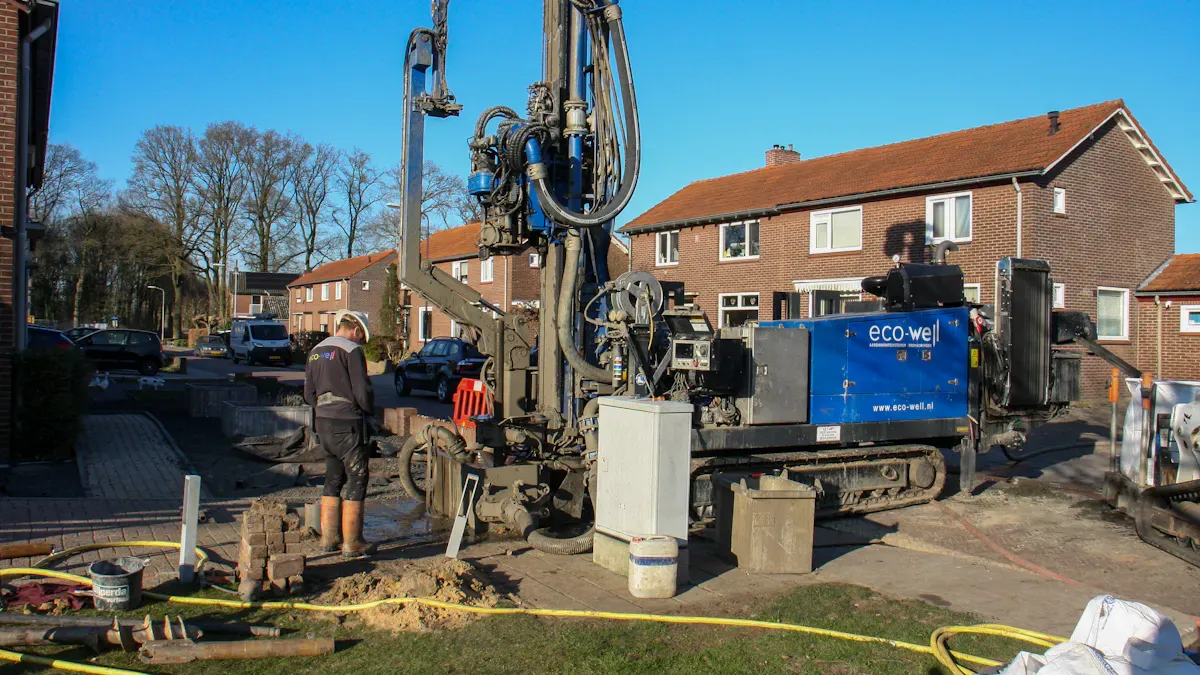
You need to put your surface drilling rig in the right place. This helps keep it steady on a 45° slope. Always think about safety before you begin. Move the rig so it lines up with the slope. This gives the best balance and helps stop the rig from moving when you drill.
When you use the rig on a slope, always set it parallel to the slope. This makes the rig more stable and helps stop it from sliding when you drill or test the ground. Put the control panel on the higher side if you can. If the rig moves, it will roll away from you and not toward you.
Keep the control panel on the upslope side. This keeps you safer if the rig moves. It lowers the chance of getting hurt.
To anchor your drilling rig, use strong systems that work on steep slopes. You can use these ways:
-
Rock bolts hold the rig on rocky ground.
-
Soil nails give extra support in loose or mixed dirt.
-
Grouted ground anchors give strong support in many places.
These anchoring ways help keep your drilling rig safe and steady. CEGC rigs let you use these anchoring tools for hard jobs. Always look for signs of shifting or loose anchors before you start drilling.
Safe Operating Procedures and Emergency Protocols
You must follow safety rules every time you use your drilling rig. Set up clear work zones and barriers to keep people safe. Only trained people should use the equipment. Always check for warning signs before you start. If you see a problem, stop and fix it before you drill.
You need to know what to do in an emergency. Practice emergency drills with your team. Teach everyone how to turn off the rig fast. Show them how to use stop buttons and alarms. Keep emergency plans near the rig. Go over these plans often so everyone remembers what to do.
When you are working, always think about safety. Watch for warning signs like strange sounds, leaks, or moving ground. If you see a problem, stop drilling and follow your emergency plan. CEGC rigs have safety parts like rigid masts and guide alignment. These help you stay in control and lower the chance of accidents.
Operator Training and Maintenance
You must train every operator before they use the drilling rig. Training helps each person learn how to use the rig and spot warning signs. Make sure everyone wears the right PPE, like helmets, gloves, and boots.
Regular maintenance keeps your drilling rig safe and ready to use. You should do these steps:
-
Check hoisting equipment often to stop failures.
-
Look at drill rods for wear and change them if needed.
-
Clean and check the mud system.
-
Check drill bits for damage and change them if worn.
-
Change engine oil and filters and look for leaks.
-
Check hydraulic fluid and hoses for leaks.
-
Change filters when needed.
-
Check and change hoses to stop leaks.
Regular maintenance stops breakdowns and helps the rig work well, especially on 45° slopes.
CEGC makes drilling rigs easy to fix and check. You can reach all parts for repairs. This helps you keep your drilling rig safe and ready to use. Always put safety first and keep up with training and maintenance to stop problems and warning signs.
-
You check your rig and site before every job.
-
You follow safety rules and train your team.
-
You inspect your equipment often.
-
You choose CEGC for customizable solutions.
Safety keeps your drilling rig steady. Safety helps you work on tough slopes.
FAQ
What makes a surface drilling rig safe on a 45° slope?
You use a rigid mast, guide alignment, and strong anchoring. CEGC rigs offer these features. You keep your rig steady and safe with these systems.
How often should you check your drilling rig for safety?
You should inspect your rig before every job. Look for loose parts, leaks, and worn tools. Regular checks help you avoid accidents.
Can you use CEGC drilling rigs on different ground types?
Yes. You can use CEGC surface drilling rigs on rock, soil, or mixed ground. You adjust the setup for each site. This keeps your drilling rig safe.


