
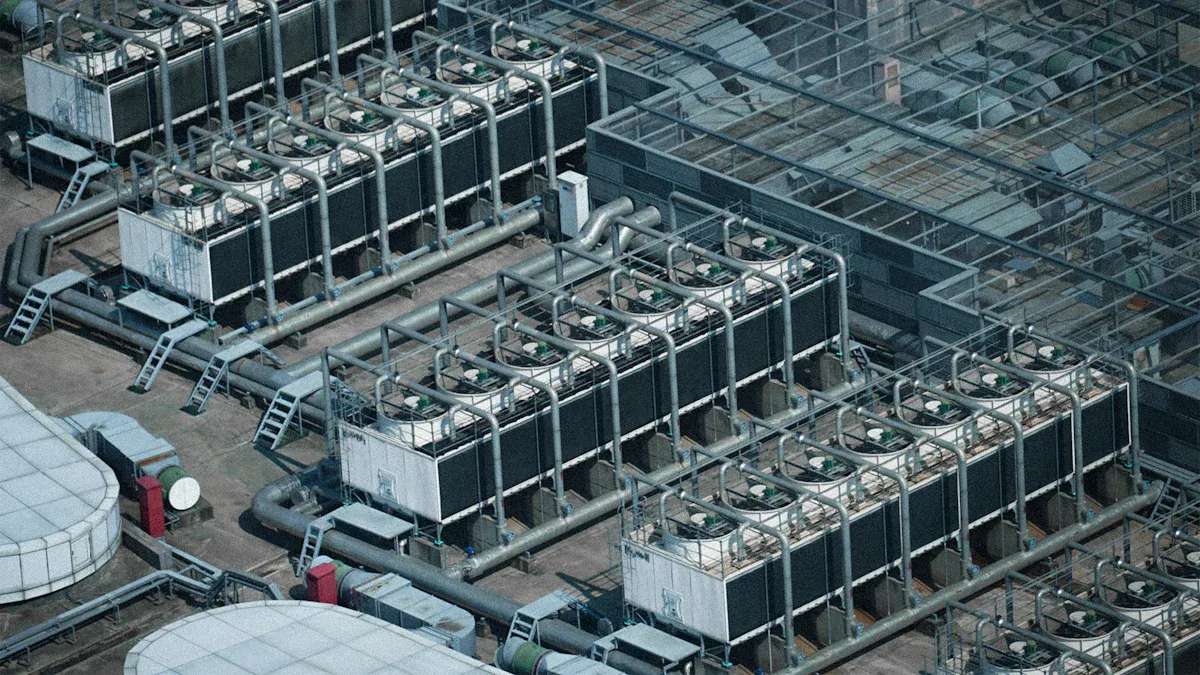
You deal with very high heat in geothermal drilling. Temperatures can go over 200°C. Surface Drilling Rig Thermal System Beats Heat with new solutions. For example:
-
Geothermal drilling costs go up when equipment breaks fast.
-
Corrosive fluids in geothermal wells need special materials.
|
Technology |
|
|---|---|
|
Enhanced Geothermal Systems |
Make fluid paths for better heat extraction |
|
Deep Borehole Heat Exchangers |
Move geothermal heat with coaxial casing |
|
EDBHE |
Increase heat extraction in geothermal wells |
New ideas from CEGC help you get more geothermal energy.
Key Takeaways
-
Geothermal drilling deals with very high heat, often over 200°C. This heat can hurt equipment and make things cost more. Advanced thermal systems help protect tools and make drilling work better.
-
New ideas like Enhanced Geothermal Systems (EGS) and superhot geothermal technology help drill deeper. They also help get more energy from the ground. These methods can lower costs a lot and help projects succeed more.
-
Using heat-resistant fluids and wide-diameter boreholes makes drilling more stable and efficient. These new ways make work safer and help equipment last longer.
Geothermal Heat Challenges
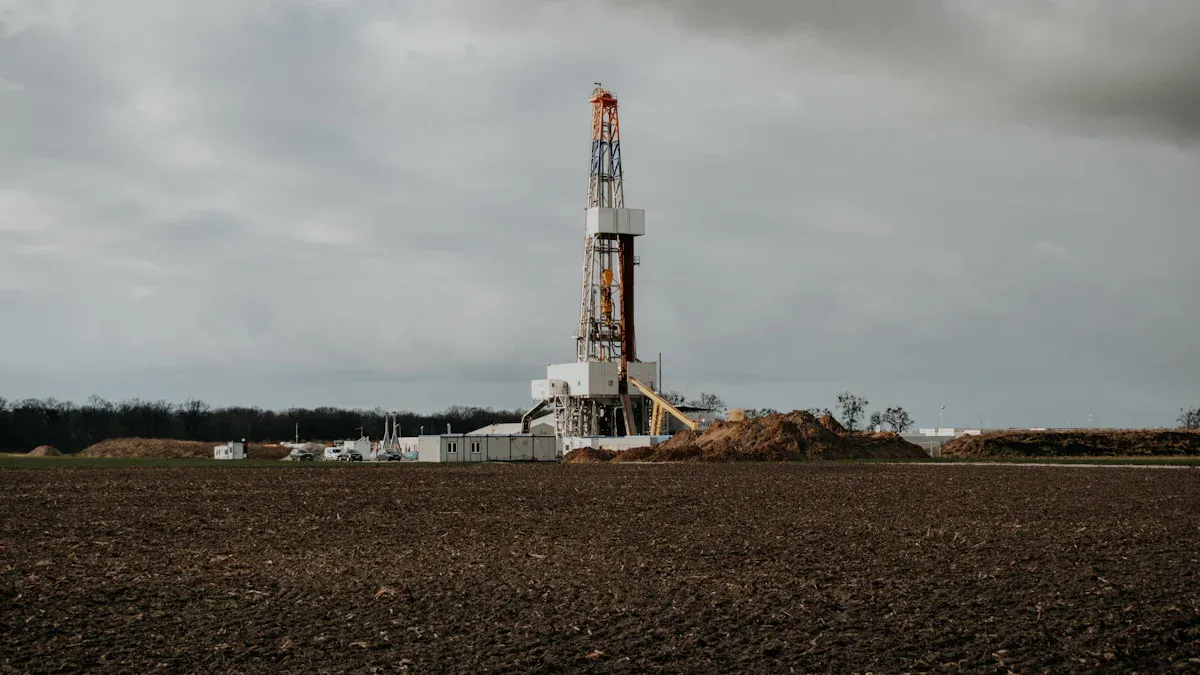
Surface Drilling Rig Thermal System Beats Heat
Geothermal drilling has many tough problems. The surface drilling rig thermal system helps with heat using new technology and smart designs. Wells can get hotter than 200°C. This makes drilling harder and costs more money. You have to drill through hard, hot rock. Pumping uses a lot of energy. The surface drilling rig thermal system uses special solutions and fluids. These systems protect your equipment and keep your well safe.
Here is a table that shows the main challenges in geothermal drilling:
|
Challenge Type |
Description |
|---|---|
|
Over 200°C makes equipment wear out fast and fluids work poorly. |
|
|
Abrasive Geological Formations |
Hard rocks damage tools and slow drilling. |
|
Corrosive Downhole Conditions |
Harmful stuff in the well needs special materials and costs more. |
|
Drilling Fluid Management |
Regular fluids break down in heat, making drilling harder and causing losses. |
|
Directional Drilling Limits |
Tools can fail in high heat, making it hard to steer the well. |
The surface drilling rig thermal system uses ThermaLock cement and fluids made for geothermal drilling. These tools help keep your well strong and safe.
Effects of Heat on Geothermal Equipment
High heat in geothermal drilling can hurt your equipment. The surface drilling rig thermal system protects your tools from thermal shock and corrosion. When you drill into hot rock, your equipment faces heat changes and material breakdown. Pipes can get stuck, casing can get stressed, and sometimes buckle. Drilling fluids can get thick and corrosive, making drilling harder.
You should know these effects of high heat on your drilling tools:
-
Extreme heat can break seals, bearings, and electronics.
-
Hot rocks and fluids cause thermal shock and corrosion.
-
Wellbore stability drops when rocks swell or break apart.
-
Drilling fluids lose strength and can leak away.
The surface drilling rig thermal system uses special fluids and strong materials. These systems help you drill deeper and safer in geothermal energy projects.
Innovations in Geothermal Drilling
Enhanced Geothermal Systems (EGS)
Enhanced geothermal systems help you reach deeper and hotter rocks. EGS uses new drilling tools to make paths for heat. You do not need only natural hot water underground. You inject water into hot rock. The water gets hot and is used to make electricity. EGS uses strong tools and real-time checks to keep drilling safe. Hydraulic stimulation opens cracks in the rock so water flows better. Continuous water circulation helps absorb more heat.
Here is a table that shows how EGS helps with high temperatures:
|
Key Feature/Benefit |
Description |
|---|---|
|
Advanced Drilling Technologies |
Deep drilling reaches high temperatures quickly. |
|
High-Temperature Tooling |
Tools work well in tough drilling conditions. |
|
Real-Time Monitoring Systems |
Quick feedback makes drilling safer and more efficient. |
|
Hydraulic Stimulation |
High-pressure water opens cracks in hot rock. |
|
Continuous Water Circulation |
Closed-loop systems take heat and energy through a closed path. |
|
Seismic Monitoring and Mitigation |
Finds and controls seismic activity during EGS drilling. |
|
Future Potential and Investments |
DOE supports EGS to lower costs and grow geothermal energy. |
EGS lets you use closed-loop systems where regular geothermal resources are not found. This gives you more choices and lowers costs because you do not need two drilling rigs. You also get better control over drilling, which makes it safer and more reliable.
Wide-Diameter Boreholes & Heat-Resistant Fluids
Strong boreholes and special fluids help handle heat in geothermal drilling. Wide-diameter boreholes move more water and collect more heat. You use mud systems with the right thickness and weight to keep the borehole stable and cool. These fluids remove rock pieces and lower friction, which is important in hot places.
Special drill bits, like PDC bits and roller cone bits, last longer and drill faster in hot rock. Companies like Halliburton and Baker Hughes made fluids that stay stable up to 288°C. Researchers are also making greener fluids to protect the environment.
Here is a table that shows what heat-resistant fluids can do:
|
Property/Metric |
Description |
|---|---|
|
Thermal Stability |
Fluids work well under high heat and pressure. |
|
Rheological Properties |
Fluids keep the right thickness in hot conditions. |
|
Leakage Control |
Fluids stop leaks in the borehole and prevent fluid loss. |
|
Environmental Impact |
New fluids are safer for nature. |
|
Real-time Monitoring |
Sensors check how fluids work during drilling. |
You can use fiber optic sensors to watch temperature and flow inside the borehole. This helps you make quick choices and keep drilling safe. Wide-diameter boreholes and heat-resistant fluids make closed-loop systems work better, so you get more geothermal energy with less risk.
Superhot Geothermal Technology
Superhot geothermal technology lets you reach rocks hotter than 400°C. You use new drilling methods and materials that survive extreme heat. Superhot geothermal systems can give you up to ten times more energy per well than regular geothermal. This makes geothermal energy much stronger.
Some projects, like Project Obsidian in Oregon, use regular and new millimeter wave drilling to reach superhot rock. Mazama Energy wants to use volcanoes for power by using superhot rock. At these high temperatures, supercritical water carries much more energy, making each well more valuable.
Here are some key points about superhot geothermal technology:
-
Superhot geothermal systems use closed-loop systems to keep water moving and collect more heat.
-
New drilling methods, like using liquid CO2 to cool tools, help you drill in extreme heat.
-
Superhot geothermal can cut drilling costs by up to 50% and make drilling 200-300% faster.
-
These systems work in places without natural steam fields, so you can use geothermal energy in more areas.
Tip: Superhot geothermal technology can help lower your impact on the environment. Faster drilling means less land is disturbed and fewer emissions.
With these new ideas, you can use closed-loop systems to get geothermal energy almost anywhere. You get more energy, lower costs, and safer drilling. These new technologies make geothermal drilling a smart choice for the future.
Real-World Impact on Geothermal Energy
Commercial EGS Projects
You can see how commercial enhanced geothermal systems work in real life. These projects use engineered reservoirs and strong fracture networks. This helps them make energy for many years. Advanced ceramic proppants keep fractures open. This lets water move well and heat reach the surface. You have to watch out for high heat and stress. If you do not, fractures can close up. Chemical reactions in geothermal brines can cause scaling and corrosion. You need to use the right materials to stop this.
|
Factor |
Impact on EGS Outcomes |
|---|---|
|
Engineered reservoirs |
Keep long-term productivity and efficiency in energy production. |
|
Fracture network quality |
Decide how well the well performs over decades and how much heat you get. |
|
Advanced ceramic proppants |
Keep fractures open for good flow and long-lasting wells. |
|
Temperature and stress conditions |
High heat and stress can lower fracture flow if not managed. |
|
Chemical reactivity of brines |
Can cause scaling and corrosion, which affects system life. |
Open-loop systems also help grow geothermal energy. New drilling and stimulation methods make projects more likely to succeed. Oil and gas companies bring new ideas and tools. These changes lower costs and risks. This makes geothermal energy a better choice. High-temperature tools and electronics help you drill deeper and faster. Shorter project times mean you spend less money and finish sooner.
-
Better drilling and stimulation make projects work more often.
-
Oil and gas support brings better technology.
-
EGS projects cost less and are less risky.
-
High-temperature tools help underground work.
-
Faster projects save money.
-
Open-loop systems let you reach deeper and hotter rocks.
Performance and Efficiency Gains
Advanced thermal systems help you drill better and faster. These systems lower costs and make drilling safer. Automated drilling and real-time data help you make quick choices. Open-loop systems move more heat and water. This gives you more energy from each well. These upgrades make geothermal drilling safer and more reliable.
|
Metric |
Value/Change |
|---|---|
|
Rate of Penetration (ROP) |
Significantly increased |
|
Bit Life |
Significantly increased |
|
Up from 75% to 80% |
|
|
Casing Intervals |
Limited |
|
Consumption of Drilling Materials |
Significantly reduced |
|
Well Productivity Index |
High-end values found |
|
Development Drilling Success Rate |
Up from 76% to 80% and 90% to 95% |
|
Flow Rate per Production Well |
Up from 40 kg/s to 60 kg/s |
Open-loop systems and new drilling tools help you get more from each well. You use fewer materials and get higher flow rates. This means you make more geothermal energy.
Safety and Equipment Longevity
Safe drilling and long-lasting equipment are important for geothermal projects. Open-loop systems and advanced thermal management protect your tools from heat and corrosion. You use strong materials and real-time monitoring to find problems early. This keeps drilling safe and your equipment working longer. You lower the chance of breakdowns and keep your projects running well.
Tip: Use open-loop systems and strong materials to help your equipment last longer and make drilling safer.
You notice surface drilling rig thermal systems are changing how geothermal energy is made. New ways like EGS and superhot geothermal help make energy better. These methods let people use geothermal energy in more places. The market is getting bigger, and it may be three times larger by 2030. You get more jobs and better supply chains.
|
Innovation Type |
Key Benefits |
Challenges |
|---|---|---|
|
Enhanced Geothermal Systems |
Lets people use energy in new places |
Problems with earthquakes and keeping it safe |
|
Superhot Geothermal |
Makes up to 10 times more energy per well |
Costs a lot and has tough problems |
|
Advanced Drilling |
Makes drilling work better and bigger |
Costs a lot at first and rocks can be hard |
-
The geothermal market was worth USD 62.5 billion in 2023.
-
Each year, new capacity could be three times more by 2030.
-
You get energy faster and more people can find jobs.
FAQ
What does a geothermal drilling company do?
You hire a geothermal drilling company to drill wells for geothermal energy. The company uses special rigs, advanced fluids, and strong materials to handle high heat and tough rocks.
How does a geothermal drilling company manage extreme heat?
A geothermal drilling company uses advanced thermal systems. These systems keep equipment safe from heat damage. The company also uses heat-resistant fluids and strong casing. This helps make drilling safer.
Why is thermal conductivity testing important in geothermal drilling?
Thermal conductivity testing shows how well rocks move heat. This helps the company plan how deep to drill. It also helps them pick the best tools for each job.
How does a geothermal drilling company ensure equipment lasts longer?
The company uses real-time monitoring and strong materials. They check for heat damage often. Worn parts are replaced quickly so tools keep working.
Can a geothermal drilling company help with environmental safety?
The company uses green fluids and closed-loop systems. This lowers emissions and land disturbance. Geothermal projects become safer for nature.
What role does thermal conductivity testing play in project planning?
Thermal conductivity testing helps design efficient wells. The company uses test results to get more energy and spend less money.
How do you choose the right geothermal drilling company?
Look for a company with experience and good technology. They should have a strong safety record. The company needs to show good results and offer support.
What makes a geothermal drilling company different from other drilling companies?
A geothermal drilling company works with high heat. They use special fluids and advanced rigs. They also do unique tests like thermal conductivity testing.
How does a geothermal drilling company improve project efficiency?
The company uses automated drilling and real-time data. This lets them drill faster and lower costs. You get more energy from your geothermal project.
Why should you work with a geothermal drilling company for your next project?
You get help from experts at a geothermal drilling company. They use advanced tools and safety systems. Their proven methods give you reliable geothermal energy.


