
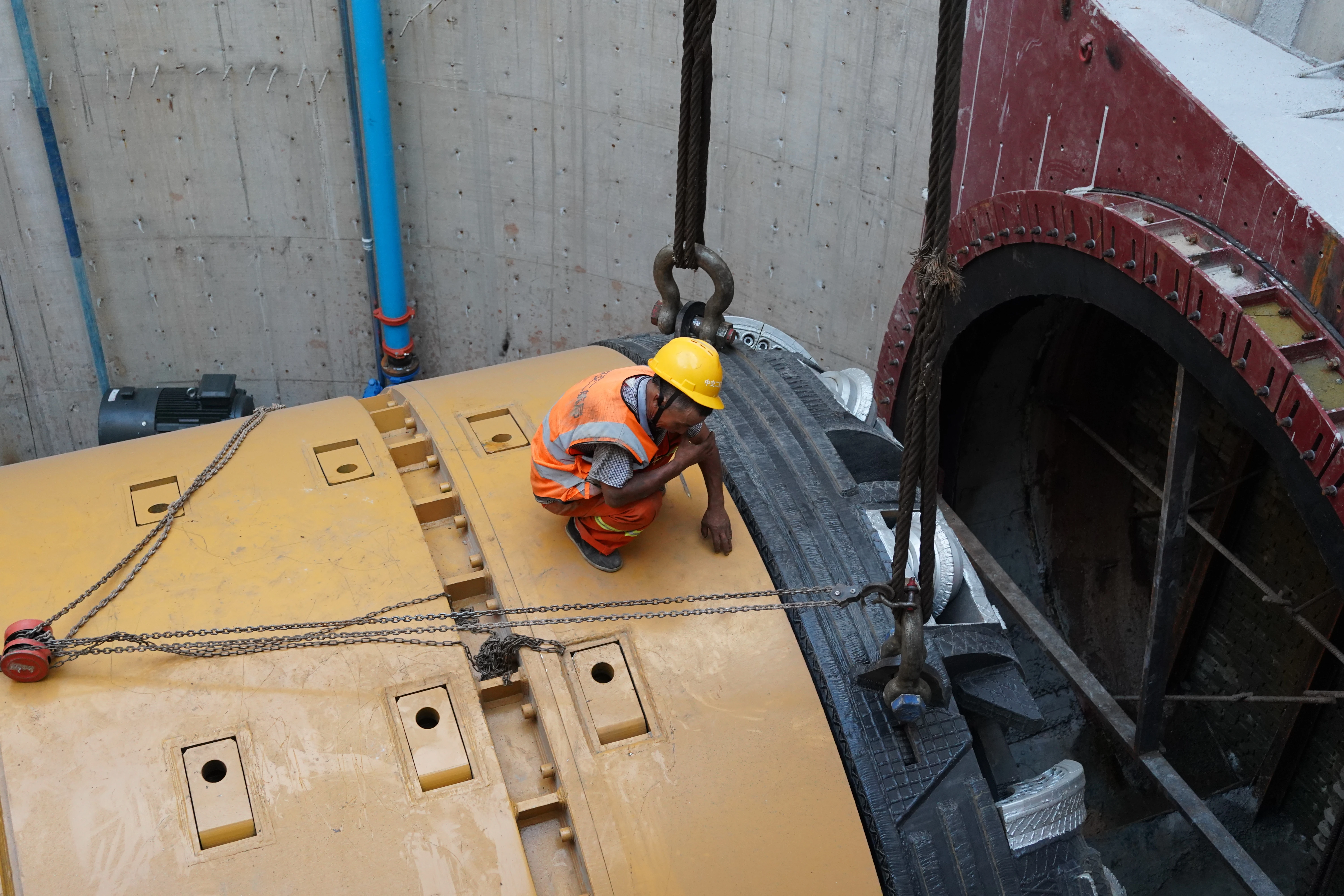
You need to follow torque discipline every time you change TBM machine cutters. If you do not do this, the equipment can break. This also makes construction less safe. CEGC shows you the safety idea for each tunnel machine. TBM machine cutter swaps still need torque discipline to keep you and your project safe.
Key Takeaways
-
Always use the right torque when you change TBM machine cutters. This keeps everyone safe and stops the machine from breaking.
-
Clean the cutter area well before you put in a new cutter. This stops wrong torque numbers and makes the job safer.
-
Write down every cutter swap, with torque numbers and tool checks. Good notes help you see how long cutters last and find problems early.
Torque Discipline in TBM Cutter Swaps
What Is Torque Discipline?
It is important to know about torque discipline when you change TBM machine cutters. Torque discipline means you use the right force on bolts and fasteners. This happens when you put them in. This step is very important in tunnelling. It helps keep the cutter safe and tight. If you do not use the right torque, the cutter can get loose or break. This can happen when you install a pipeline. You need to follow the rules for every time you install. These rules come from industry standards. Some examples of standards are:
|
Standard |
Description |
|---|---|
|
ASME B16.5 |
Pipe Flanges and Flanged Fittings |
|
ASME PCC-1 |
Guidelines for Pressure Boundary Bolted Flange Joint Assembly |
|
API 6A / 17D |
Standards for critical service applications |
|
Shell Global DEP |
Specific guidelines for Shell projects |
|
Project-specific Flange Management Procedure |
Procedures for each project |
You should always look at the project rules before you start. CEGC gives you the right tools and help for pipeline and tunnelling jobs.
Why It Matters for TBM Performance
You must keep torque discipline to protect the TBM machine and workers. Using the right torque makes the cutter last longer. It also lowers the chance of problems during installation. This helps tunnelling work better and keeps the pipeline job on time. You will not have as many delays or expensive fixes. Good torque discipline helps keep tunnelling and rock work safe. You help your team do a good job every time. CEGC says you should do regular checks and training for every pipeline job.
TBM Machine Cutter Swaps Still Need Torque Discipline
Preparation and Cleaning Steps
You need to start every cutter swap with careful preparation. Gather all the tools and safety gear before you begin. Check the work area for hazards. You must clean the cutter area well. Remove all mud, dust, and debris from the cutter and the mounting surface. If you skip this step, you can get false torque readings. Mud build-up can cause big problems in tunnelling. It can make the thrust and torque go up. Sometimes, mud cake forms and raises the cutterhead temperature by more than 60 °C. This can make the mud cake hard and tough to remove. You may see the machine slow down or even face safety risks. Always clean the cutter area before you check or apply torque. This helps you get the right results and keeps the installation safe.
Tip: Use a brush and clean rags to wipe the cutter seat and bolts. Never rush this step. Good cleaning helps you avoid mistakes during tbm machine cutter swaps still need torque discipline.
Applying and Verifying Correct Torque
After cleaning, you need to check your tools. Make sure your torque wrench is set to the right value. Look at the project plan or the manufacturer's guide for the correct torque. You must use the right force on each bolt. If you use too little, the cutter can come loose during tunnelling. If you use too much, you can damage the bolts or the cutter. Apply torque in a star pattern if there are many bolts. This helps spread the force evenly. After you finish, check each bolt again. Sometimes, bolts settle after the first tightening. You need to verify the torque to make sure everything stays secure. This step keeps your installation strong and safe.
You should also watch for signs of mud build-up during this process. If you see mud or feel extra resistance, stop and clean again. This helps you avoid errors and keeps the tbm machine cutter swaps still need torque discipline process on track.
Documentation and Instrumentation
You must keep good records for every cutter swap. Write down the torque values, the tools you used, and the date of the swap. This helps you track the life of each cutter and spot problems early. Use digital tools if you have them. Instrumentation systems can make your job easier and more accurate. These systems help you measure and record torque with high precision. They also help you check if your tools need calibration or repair.
Here is how instrumentation systems help you in tunnelling:
|
Procedure |
Description |
|---|---|
|
Initial Calibration |
You calibrate tools in labs using reference standards like laser interferometers. |
|
Periodic Recalibration |
You recalibrate every 6–12 months or after heavy use to keep accuracy. |
|
Benchmark Testing |
You compare readings against known values to check for errors. |
|
Environmental Stress Testing |
You test tools in different conditions to see how they perform in real jobs. |
|
Digital Diagnostics |
Smart meters run self-tests to find errors or drifts in accuracy. |
|
Maintenance |
You clean and check tools often to prevent false readings. |
You need to do regular maintenance on your tools and systems. This keeps your measurements true and your installation safe. If you see any problems, fix them before you start the next job. Good documentation and working instruments help you follow tbm machine cutter swaps still need torque discipline every time.
Note: Load analysis is also important. If you notice higher torque or thrust, check for mud build-up or worn parts. This can help you avoid bigger problems during tunnelling and installation.
Common Mistakes and Best Practices
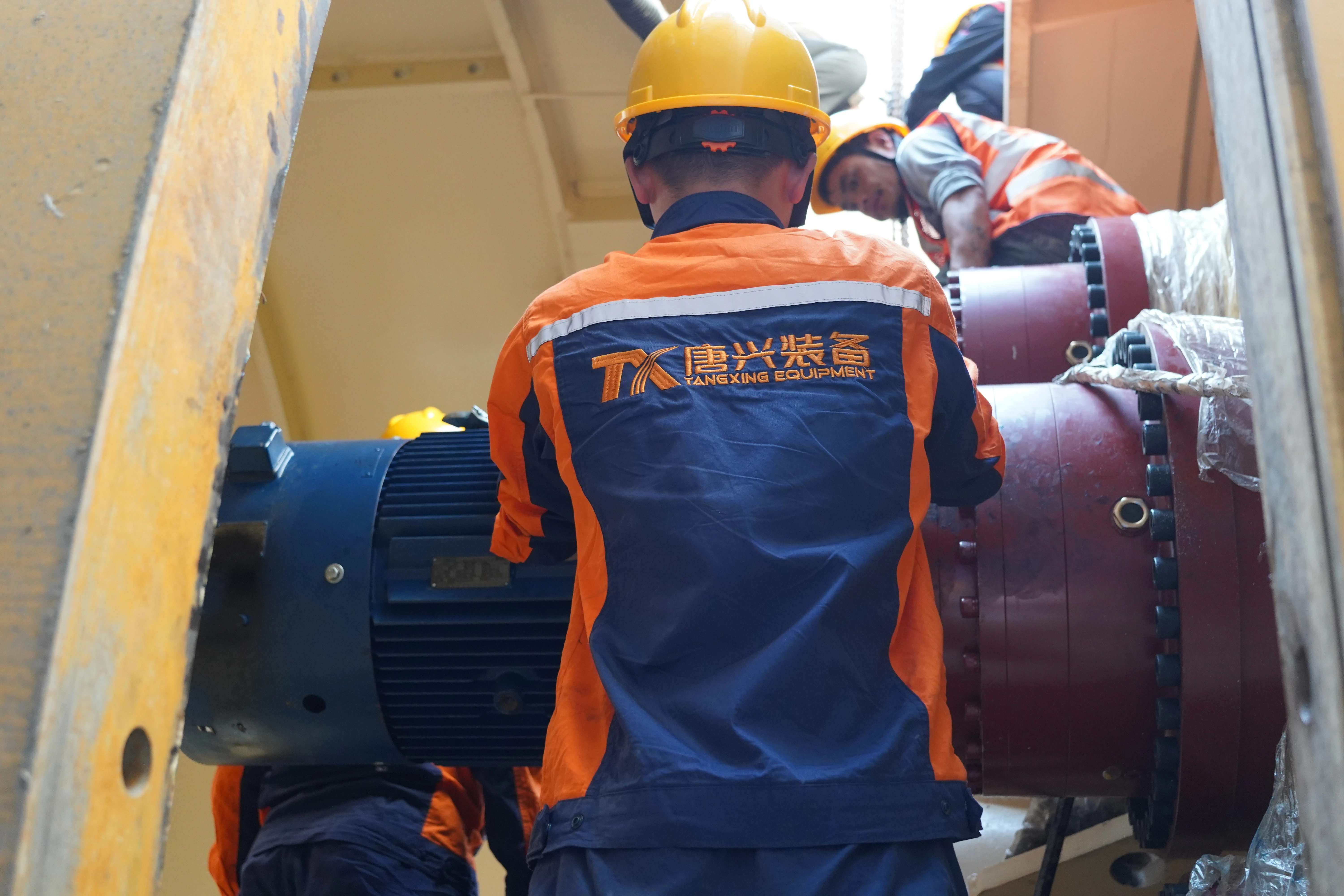
Frequent Errors to Avoid
Mistakes can happen during TBM cutter swaps if you are not careful. Some errors are:
-
Not cleaning the cutter area well
-
Using the wrong torque value on bolts
-
Not checking tools to see if they work right
-
Forgetting to write down torque values after you finish
-
Not noticing mud build-up while tunnelling
These mistakes can make the job unsafe and cause bad results. You need to pay attention and follow each step.
Solutions and Preventive Measures
Most problems can be stopped with easy steps. Always clean the cutter area before you start. Check your torque wrench to make sure it works. Use the right torque value from the project guide. Apply torque in a star pattern so the force is even. Write down all torque values after each job. Watch for mud build-up and stop if you see it. Use digital tools to help keep records. These steps help make the installation safe and strong.
Tip: Make a checklist for every installation. This helps you remember each step and avoid mistakes.
Training and Supervision
You need training often to get better at your job. Supervisors should watch and give advice. Training teaches you the right way to do each installation. You can practice using tools and checking torque. Supervisors can find mistakes and help you fix them. Good training and supervision keep tunnelling safe and help you work well. You gain confidence and avoid mistakes during installation.
You keep your TBM machine and team safe by using torque discipline. Always clean the cutter area before you start. Use the right torque for each bolt. Write down what you do at every step. Training often helps you make fewer mistakes. CEGC gives you real parts, service teams, and training to help you:
|
Resource Type |
Description |
|---|---|
|
Genuine Parts Inventory |
Quick delivery from warehouses around the world |
|
After-Sales Service |
Expert help for putting in and fixing machines |
|
Engineering Training |
You get 3–5 days of training after new machines arrive |
FAQ
What is the maximum pipe size for pipe jacking?
You can install pipes up to 3.5 meters in diameter with modern pipe jacking equipment. Always check your machine’s specifications before starting.
How deep can you use pipe jacking?
You can use pipe jacking at depths over 40 meters. You must plan for ground pressure and safety at greater depths.
What ground conditions suit pipe jacking best?
You can use pipe jacking in clay, sand, gravel, and even rock. You should always test the ground before you start.


