
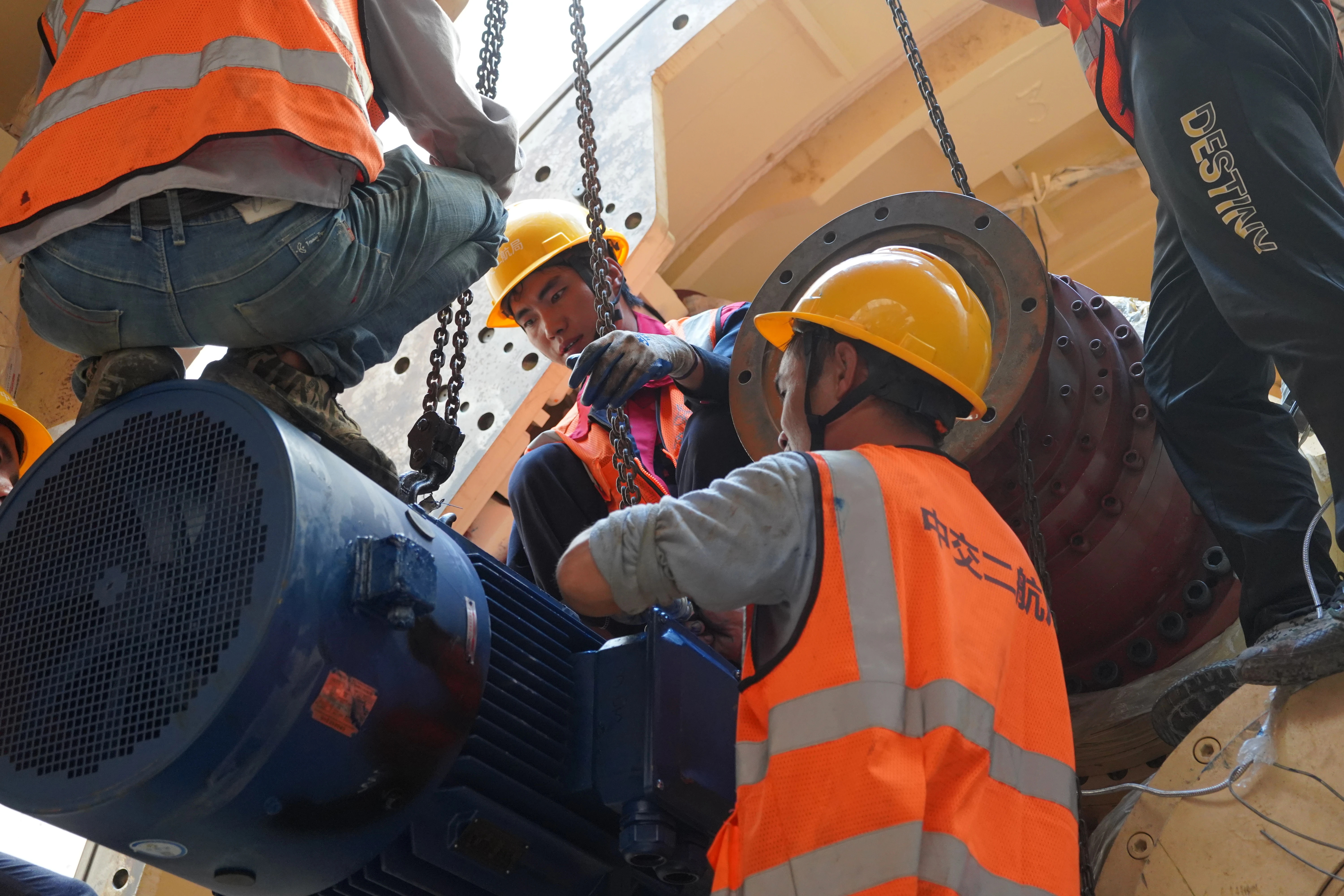
You can encounter significant issues when clay-rich soils clog tunnels. The TBM machine cutterhead design affects clogging risk by influencing how dirt moves and is expelled. Clay can adhere to the cutterhead, leading to increased clogging, and the water content in the soil plays a crucial role as well.
|
Findings |
Description |
|---|---|
|
Clay Adhesion |
Clay minerals can stick to cutterheads, making clogging more likely. |
|
Water Content Impact |
If water increases by 20%, the risk of clogging decreases. However, excessive water can exacerbate the problem. |
CEGC assists you in selecting the best equipment for each ground type.
Key Takeaways
-
Choose the right TBM cutterhead design for your soil type to reduce clogging risk. Open cutterheads work better in clay-rich soils.
-
Use a cone-shaped cutterhead with large openings to help dirt slide off easily and minimize mud build-up.
-
Regularly check and maintain your TBM to catch mud build-up early. This keeps your project on schedule and avoids costly delays.
TBM machine cutterhead design affects clogging risk
Open vs. Closed TBM Cutterhead
It is important to know how the cutterhead type changes mud build-up. Open cutterheads have big holes that let soil and water move out. This makes it easier for dirt to leave the tunnel face. In clay-rich ground, open cutterheads work better. Sticky soils can pass through the holes, so there is less cutterhead mud build-up.
Closed cutterheads have smaller holes and use pressure. They are good for loose or wet soils. But in clay, they can cause more cutterhead mud build-up. Clay mixes with water and sticks even more. This makes cutterhead mud build-up worse and raises clogging risk. Studies show slurry-supported shields with closed cutterheads get more cutterhead mud build-up. Clay and water together make things sticky.
To avoid cutterhead mud build-up, match the cutterhead to the ground. CEGC has Microtunnelling Machines and auger boring machines. You can pick open or closed cutterheads for your project. This helps lower cutterhead mud build-up.
Cutterhead Shape and Openings
The tbm cutterhead shape matters for cutterhead mud build-up. A cone-shaped cutterhead moves soil away better than a flat one. This shape lets sticky dirt slide off instead of sticking. With a cone-shaped cutterhead, you break rocks and remove muck faster. This means less cutterhead mud build-up and fewer delays.
The size and place of openings also matter. Big, well-placed holes let soil and water out fast. This lowers cutterhead mud build-up. If holes are too small or not enough, mud gets stuck. This causes cutterhead mud build-up and clogging. Most soil collects in the center, so openings should help move it out. Changing how fast the cutterhead turns and moves can help mud leave and lower cutterhead mud build-up.
Always think about soil type and water when picking cutterhead shape and holes. Lots of sand and water can stop cutterhead mud build-up by making soil less sticky. CEGC can help you choose a tbm cutterhead with the right shape and holes. This keeps cutterhead mud build-up low and your machine working well.
Tip: Use a cone-shaped cutterhead with big, well-placed holes in clay-rich soils. This helps stop cutterhead mud build-up and clogging.
Cutter Spacing and Arrangement
How you space cutters on the tbm cutterhead changes cutterhead mud build-up. If cutters are too close, mud gets trapped between them. This leads to cutterhead mud build-up. Wider spacing gives soil more room to move. This helps lower cutterhead mud build-up. The way cutters are arranged, like using three or four spokes, also matters. Fewer spokes mean less area for clay to stick. This lowers clogging risk.
You can add more nozzles to wash away sticky clay with water. Adding more nozzles, like from six to eight, helps clean off cutterhead mud build-up. This keeps the tbm cutterhead clear. This simple step can lower cutterhead mud build-up and speed up digging.
Here are some main points about cutter spacing and arrangement:
-
Wider cutter spacing means less cutterhead mud build-up.
-
Fewer spokes give less space for clay to stick.
-
More water nozzles help wash away cutterhead mud build-up.
-
Changing cutterhead speed and how fast it moves can help remove mud.
Think about the ground when you pick a tbm cutterhead. Clay with high plasticity and little sand raises cutterhead mud build-up risk. Work with a supplier like CEGC. They have many tbm machines and can help you pick the best cutterhead to lower cutterhead mud build-up.
|
Key Factors |
Findings |
|---|---|
|
Soil Properties |
Clogging risk depends on mineralogy and moisture content. |
|
Clogging Potential |
Plasticity and consistency indices estimate clogging risk. |
|
Water Availability |
Water presence during excavation changes clogging risk. |
|
Adhesion Stress |
More sand and water lowers adhesion and cutterhead mud build-up. |
|
Consistency Index |
Higher sand and water content lowers clogging risk. |
|
Clogging Conditions |
High sand (>40%) and water content prevent cutterhead mud build-up. |
If you do not control cutterhead mud build-up, you can have big problems. These include slower digging, more force needed, more cleaning, and even tunnel face collapse. You can stop these problems by picking the right tbm cutterhead and changing how you dig.
CEGC has many tunnel boring machines, like Microtunnelling Machines and auger boring machines. They help you handle any ground. With the right tbm cutterhead, you can keep cutterhead mud build-up low and finish your job on time.
TBM cutterhead performance and clogging prevention
Material Flow and Blockage
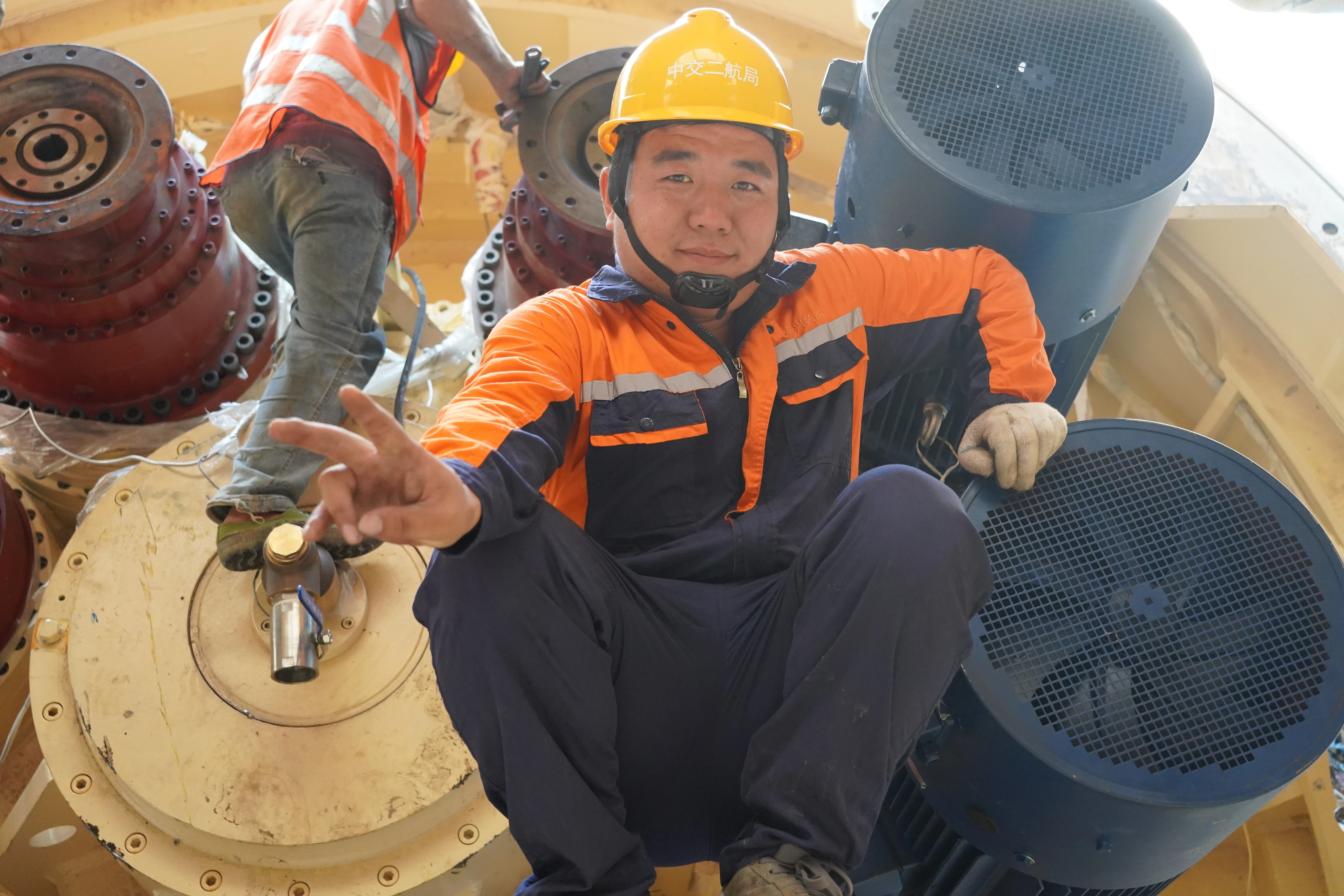
You need to keep material moving smoothly to prevent mud build-up in your tunnel. The tbm cutterhead plays a big role in this. If you use an eccentric cutter-head system, you can dig more efficiently and lower the chance of blockage. Lateral movement presses soil inwards, which stops mud build-up at the edges. Triangular plates stir the muck and help it flow out. A hollow-carved design reduces mud sticking in clay soils.
|
Design Feature |
How It Helps Prevent Mud Build-Up |
|---|---|
|
Eccentric Cutter-Head |
Less blockage, better spoil movement |
|
Lateral Movement |
Stops mud build-up at the edges |
|
Triangular Plates |
Mixes and moves muck out faster |
|
Hollow-Carved Design |
Less mud sticks in clay soils |
Common blockage problems include sticky clay clogging the suction entry gate and debris getting stuck on the conveyor. You can use jets of fresh slurry to break up mud build-up and keep the tbm running.
Ground Interaction and Adhesion
You must pay attention to cutterhead-ground interaction. Clay soils stick to metal and cause cutterhead mud build-up. Soft soils and even solid rock can lead to clogging. When you dig in clay, mud build-up increases because the muck sticks to the tbm cutterhead. You should always check the soil type before you start.
Maintenance and Accessibility
You need easy access to the tbm cutterhead for cleaning and repairs. Regular checks help you spot mud build-up early. International guidelines suggest you work with experienced suppliers and follow a maintenance schedule. You should also monitor performance to catch clogging before it stops your tbm. CEGC supports you with the right equipment and advice for your ground conditions.
Tip: Use a cutterhead design that matches your soil. Add more openings for mixed ground and use larger cutters for hard rock. This keeps mud build-up low and your tbm working well.
You can reduce clogging by picking a TBM cutterhead that fits your ground. Special designs help dig better, remove muck faster, and keep workers safe.
-
You get better results and need less fixing.
-
Your tunnel project stays on schedule.
|
Design Feature |
Description |
|---|---|
|
Cutterhead Openings |
Where and how big the openings are matters for TBM work in soft ground. |
|
Ground Condition Classification |
Each ground type (soil, rock, mixed) needs its own cutterhead design. |
|
Arrangement of Scrapers |
How scrapers are placed changes how well the TBM digs in different ground. |
|
Opening Percentage |
How many openings there are along the cutterhead radius is important for TBM work. |
|
TBM Diameter |
The TBM’s size affects how the cutterhead works and how well it does its job. |
|
Center Opening Type |
The kind of center opening should match the ground for the best results. |
You can rely on CEGC to help you pick the best tunnel boring machine for your job.
FAQ
What is a tbm and how does it work?
You use a tbm to dig tunnels underground. The tbm cuts through soil or rock, then moves the material out. The tbm keeps the tunnel safe.
How do you choose the right tbm cutterhead for clay?
You look at the ground type. For sticky clay, you pick a tbm cutterhead with big openings. The tbm moves clay out faster and lowers clogging risk.
How often should you check your tbm for clogging?
You check your tbm every day. If you see mud building up, you clean the tbm right away. This keeps your tbm working well and avoids delays.
Tip: Always match your tbm cutterhead to the ground for best results.
|
tbm Feature |
Why It Matters |
|---|---|
|
Openings |
Help move soil out |
|
Shape |
Affects how muck slides off |
|
Spacing |
Stops mud from getting stuck |


