
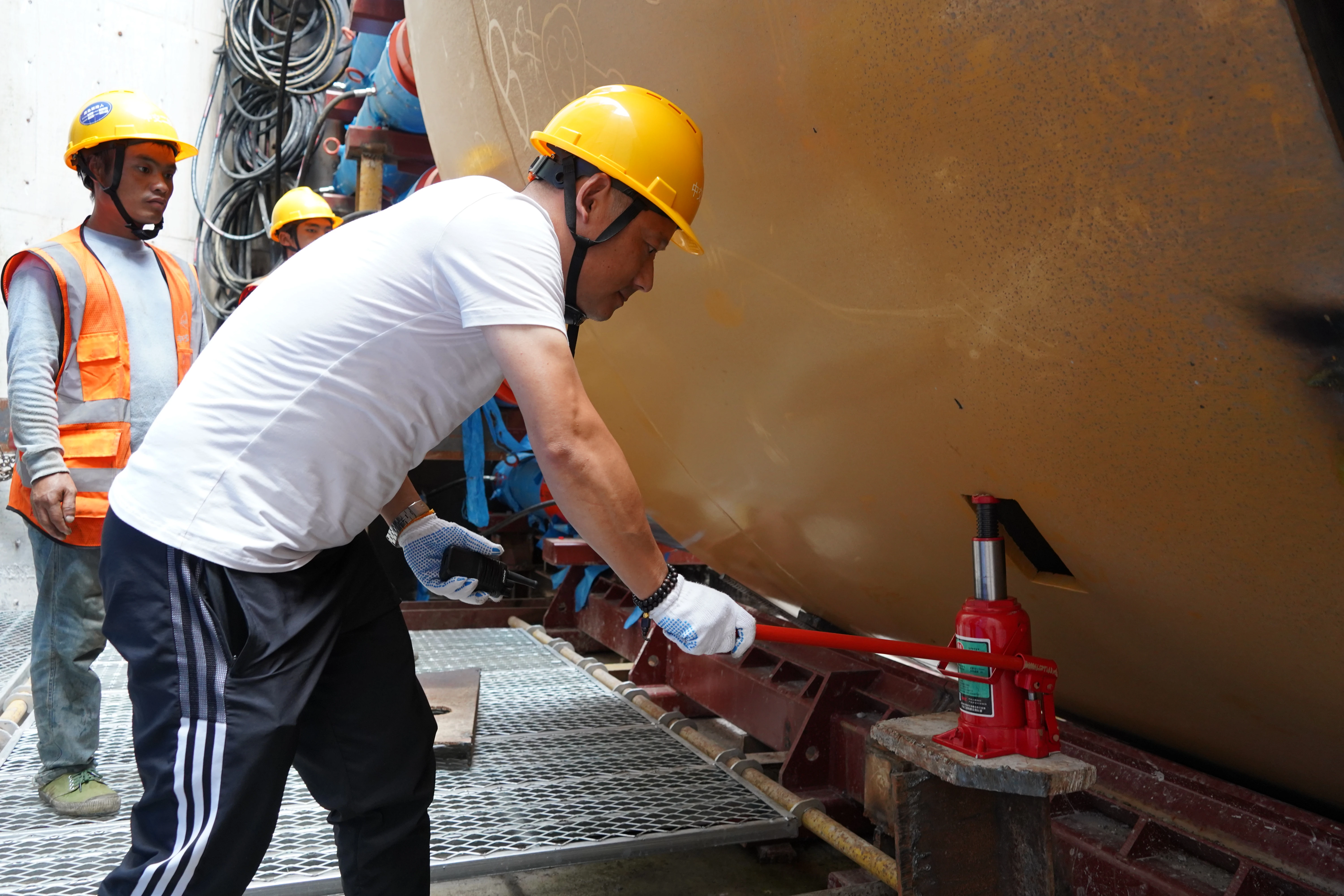
You might see that tbm machine overheating often begins at hydraulic coolers. CEGC has found this problem in many tunnel boring machine and microtunnelling machine jobs. Hydraulic coolers often cause overheating because they have trouble keeping fluid temperatures steady. If temperatures go above 55°C, oil gets old much faster and system damage gets worse.
-
Hydraulic overheating can quickly harm seals and pumps. This leads to costly repairs.
-
Oil life drops fast when temperatures rise. This means more maintenance is needed.
-
Overheating can make oil age two to four times faster. This lowers uptime.
You need to know about these dangers. CEGC gives market-standard specs and project-based changes to help you fix tbm machine overheating often starts at hydraulic coolers.
Key Takeaways
-
Clean hydraulic coolers often to stop overheating and keep things working well. - Watch fluid levels and check if the fluid is clean to make sure cooling works and to stop expensive fixes. - Look at hoses and fittings a lot to find leaks so the hydraulic system keeps working right.
Causes of Hydraulic System Overheating
Blocked Cooler Fins and Airflow
Blocked cooler fins are a big reason for overheating in tunnel boring machines. Dirt and dust can build up on the fins. This makes it hard for the cooler to work well. When airflow drops, heat stays in the hydraulic fluid. The temperature goes up and the system gets too hot. If you do not clean the cooler fins, the fluid temperature will not stay steady. CEGC’s modular design lets you reach and clean the fins easily. This helps stop overheating and keeps the cooling system working well.
Low Hydraulic Fluid Temperature Control
You need to control the hydraulic fluid temperature to stop overheating. If the cooler is too small or blocked, it cannot cool the fluid enough. Using oil that is too thick or too thin can also cause trouble. Thick oil in cold weather makes more heat. Thin oil in hot weather does not protect parts well and causes more friction. Leaks inside the system turn energy into heat and make overheating worse. You should keep the fluid temperature between 35°C and 60°C. CEGC gives you tools to check temperature and cooling power. This helps you act fast if the system starts to overheat.
Hose, Fitting, and Air Leak Issues
Leaks in hoses and fittings can make the hydraulic system overheat. Air leaks and blockages slow down the fluid flow. This makes the temperature go up. Friction in hoses, the kind of fluid, and hose size all change how much heat is made. If the flow drops, you might see overheating and bad lubrication. CEGC’s design lets you check hoses and fittings quickly. You can find leaks and fix them before they cause too much heat or damage.
Tip: Check hoses and fittings often for leaks or blockages. Finding problems early helps you stop overheating and keeps fluid moving well.
Incorrect Oil Level and Fluid Contamination
Low oil levels and dirty fluid can make the system overheat. If the oil tank is too low, the cooler cannot work right and the temperature rises. Dirty fluid cannot move heat or protect parts well. You should check oil levels and fluid quality often. CEGC’s tools help you watch fluid condition and oil level. This helps you keep the fluid temperature steady and stop overheating.
|
Problem |
Impact on System |
Solution |
|---|---|---|
|
Less cooling, overheating |
Check and refill often |
|
|
Accumulated contamination |
Bad heat transfer, overheating |
Change fluid and clean filters |
Pump, Motor, and Valve Inefficiencies
Pumps, motors, and valves that do not work well make too much heat. If pumps or motors lose power, they get hot and raise the fluid temperature. Valves set wrong and leaks inside also make more heat. You need to check these parts to stop overheating. CEGC uses special tools like IR cameras and vibration testers to find problems early. Particle counters check for dirty fluid, so you can keep the system clean and working right.
Note: Good pumps, motors, and valves help keep fluid temperature steady and lower the chance of overheating.
You can stop most overheating by keeping the fluid temperature steady, cleaning cooler fins, checking for leaks, and watching fluid quality. CEGC’s design and tools make it easy to find and fix problems, so your tunnel machine works well.
External Factors and Maintenance Solutions
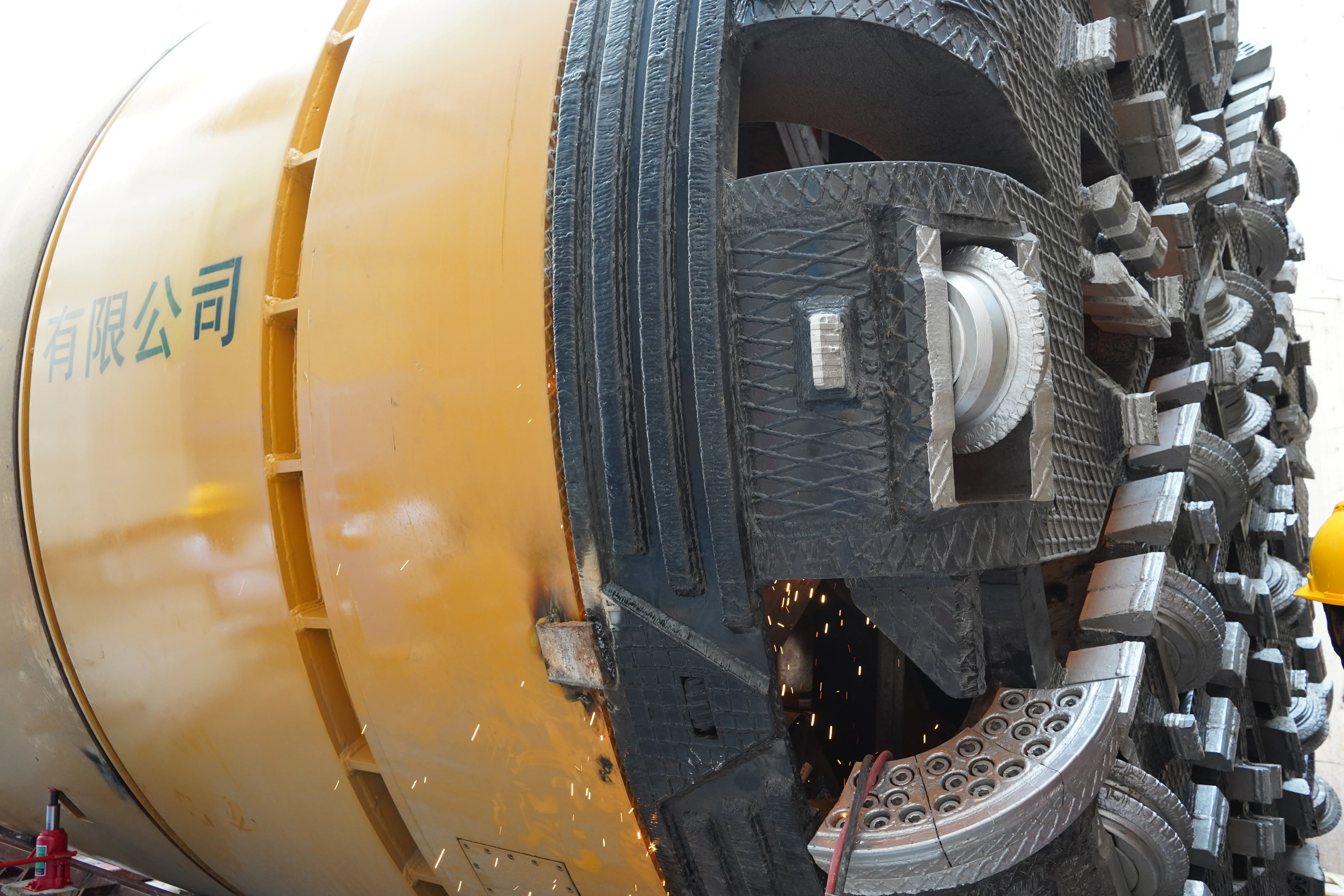
System Design and Cooler Sizing
You need to pick the right cooler size for your tunnel machine. If the cooler is too small, the system can get too hot and break down. If the cooler is too big, it wastes energy and space. You should think about fluid type, where the machine works, flow rate, and material. Attachments and quick release fittings can change how much heat the hydraulic system makes. CEGC gives you custom coolers for your project. This helps your system fit well and lowers the chance of overheating.
-
The right cooler size makes the system work better.
-
Attachments and fittings change how heat moves.
-
Custom coolers help you stop breakdowns.
Environmental and Operational Factors
Tough environments make hydraulic fluid hotter and raise heat load. You can use fire-resistant fluids to lower the chance of overheating. These fluids help with leaks and spills, so maintenance is easier. Products like QUINTOLUBRIC® HFDu fluids help machines work better and last longer. The temperature around the machine and how hard it works also change heat in the system. CEGC’s layout makes cleaning the oil cooler easy. This helps you keep heat under control.
Tip: Clean the oil cooler often to lower heat and keep the hydraulic system steady.
Maintenance Strategies for Overheating
You should check the system every day to find problems early. Follow the maker’s schedule for cleaning the oil cooler and checking the radiator. Look at fluid levels and lubrication points. Check for leaks and fix them quickly. Regular maintenance keeps the system working and stops breakdowns. Operators and contractors can do these things:
-
Lower heat load to make the system work better.
-
Use bigger hoses to help fluid move.
-
Put an oil cooler in the circuit.
-
Use bigger pipes for more flow.
-
Change old parts to lower heat.
-
Use a bigger oil tank to spread heat out.
|
Step |
Benefit |
|---|---|
|
Daily maintenance |
Less risk of overheating and breakdown |
|
Cleaning the oil cooler |
Lower hydraulic fluid temperature |
You can find many reasons for TBM machine overheating. Blocked cooler fins, bad fluid control, leaks, and pump problems all make the system hotter. Doing regular maintenance keeps the hydraulic system safe from too much heat. You can lower heat risk by doing these things:
-
Clean hydraulic coolers to stop heat from building up.
-
Check fluid levels and quality to keep things cool.
-
Look at hoses and fittings to stop leaks and heat.
-
Change old hydraulic parts to avoid sudden heat jumps.
-
Use the right oil to help control heat.
-
Watch for heat in the system every day.
-
Plan system checks to find heat problems early.
-
Keep the system clean to lower heat.
-
Use CEGC’s modular design for easy access and heat control.
-
Pick project-based solutions from CEGC to manage heat.
-
Trust CEGC’s layout for quick repairs and less heat.
-
Use CEGC’s diagnostics to spot heat in the system.
-
Choose the right cooler size to handle heat.
Regular maintenance stops parts from wearing out and causing overheating. Scheduled checks help change seals before they break. This keeps the system working well and stops overheating. Following maintenance schedules lowers surprise shutdowns from overheating and other problems.
You can make tunnel machines work longer and better with CEGC’s hydraulic solutions. Stay ahead of heat and keep your system strong.
FAQ
What signs show TBM machine overheating at hydraulic coolers?
You may see high fluid temperature, warning lights, or slow system response. You should check for leaks, blocked fins, or low oil.
How often should you clean hydraulic coolers on a tunnel boring machine?
You should clean the coolers every week. Dust and dirt build up fast. Regular cleaning helps you stop overheating and keeps your TBM machine running well.
Can you use any hydraulic oil in a TBM tunnel boring machine?
No. You must use oil that matches the machine’s specs. The right oil protects parts and controls heat. Ask CEGC for the best oil choice.


