
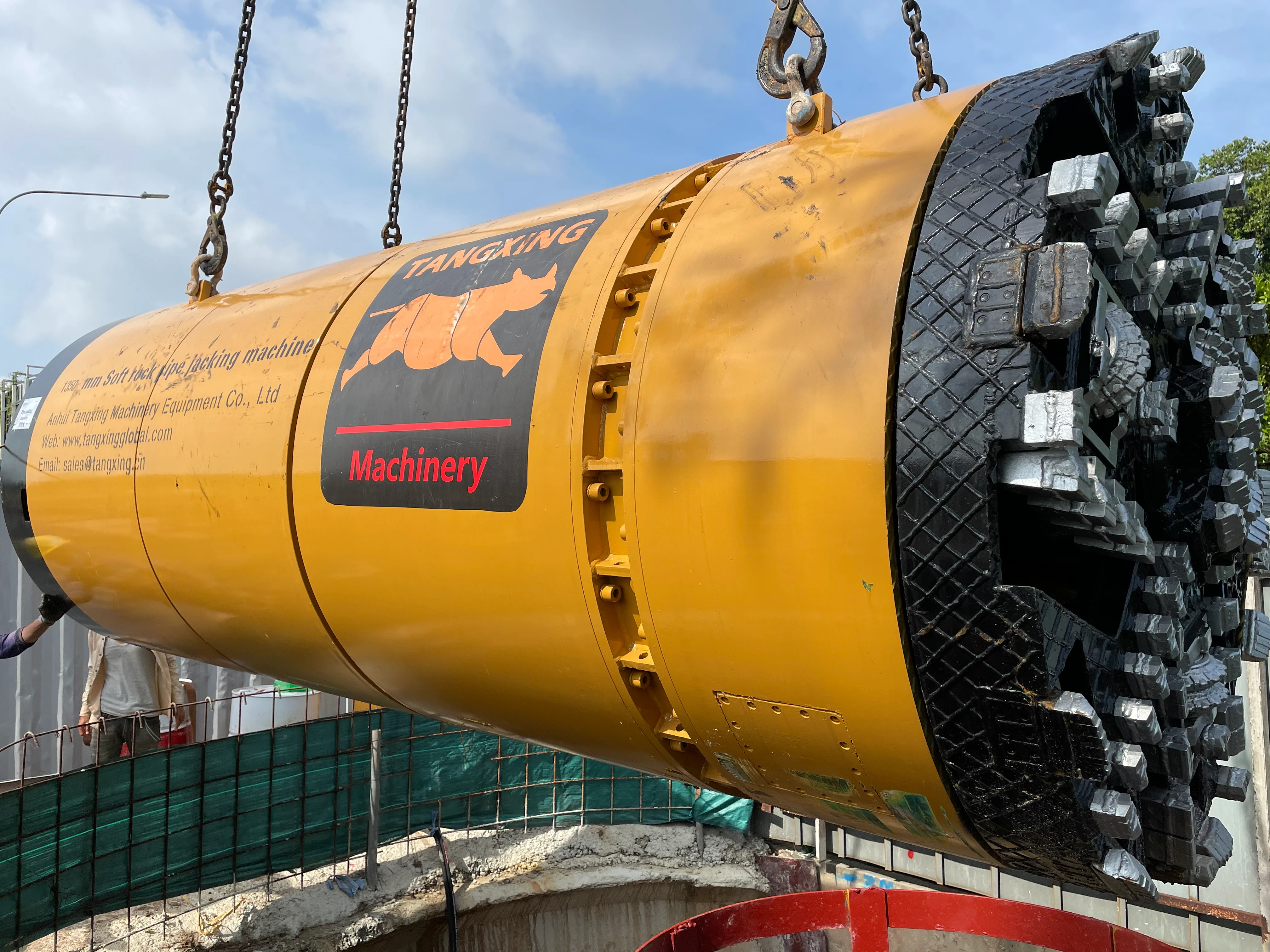
With CEGC’s advanced technical solutions, TBM tunnel adhesion control reduces foam waste, optimizing soil conditioning and enhancing foam utilization. These features ensure your tunnel boring machine meets market-standard specifications, delivering improved project efficiency and minimizing material loss.
Key Takeaways
-
TBM tunnel adhesion control helps use less foam. This makes tunneling work better and saves money on materials.
-
Picking the right foam and soil methods uses less energy. It also helps the cutter work better. This means the project finishes faster.
-
Using less foam is good for the environment. It also makes tunneling safer by stopping water leaks and ground shifts.
TBM tunnel adhesion control reduces foam waste
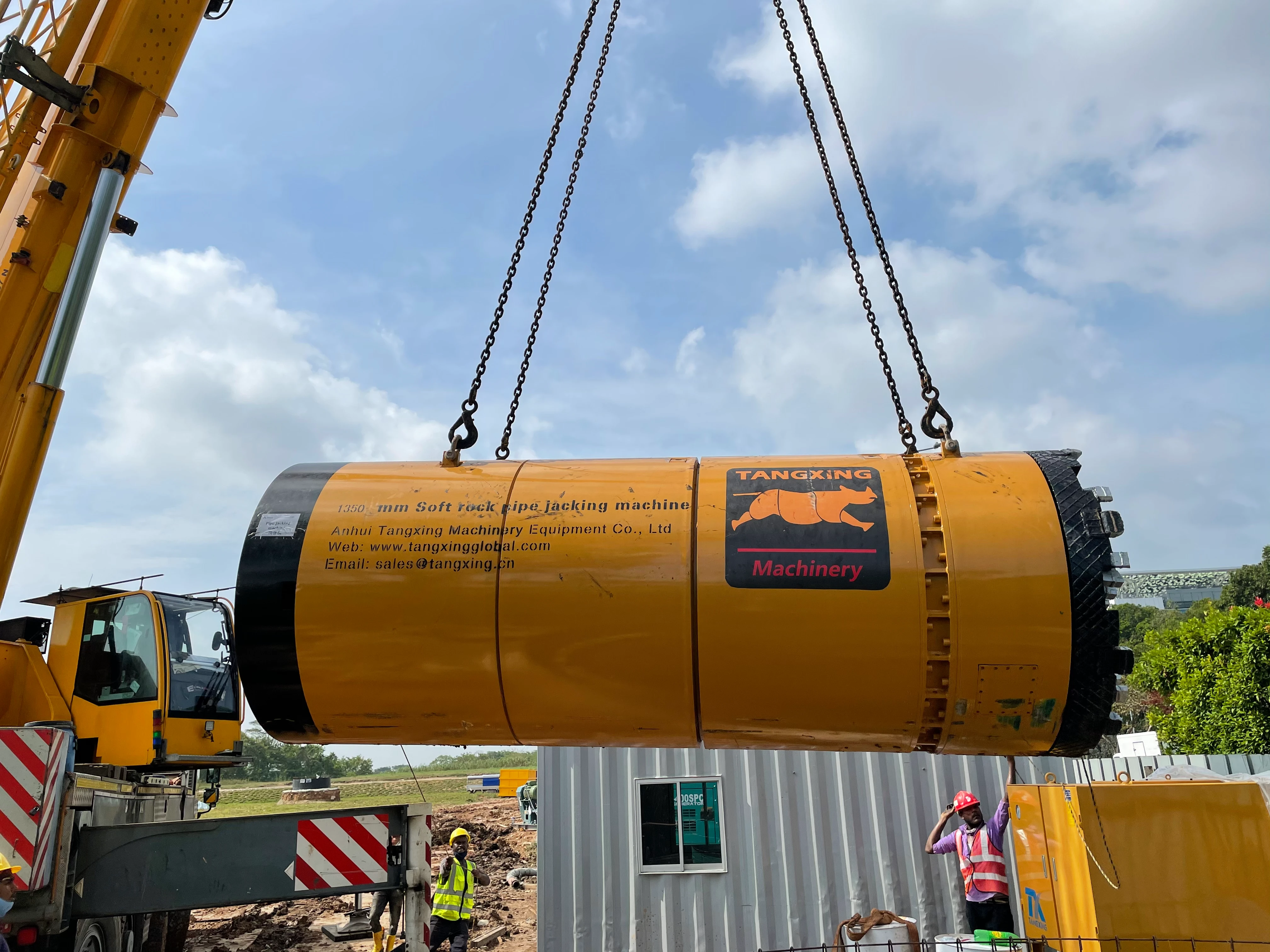
Adhesion control in TBM operations
It is important to know how tbm tunnel adhesion control helps. It cuts down on foam waste and makes tunneling work better. If you use a tunnel boring machine from CEGC, you get smart solutions for tunneling. These focus on how slurry and muck stick to the cutter and tunnel face. High adhesion is not good. It uses more energy, slows the cutter, and makes you use more foam and slurry. You want low adhesion so your tbm can move fast and work well.
Slurry adhesion changes with different soil properties. The table below shows how these things matter:
|
Parameter |
Importance in Adhesion Control |
|---|---|
|
Shear Strength |
Lets muck move easily in tbm systems. This saves energy and keeps the cutter from wearing out. |
|
Compressibility |
Changes how muck acts under pressure. This affects tunneling speed and energy use. |
|
Viscosity |
Makes muck flow better. This means less energy and cutter stress. |
|
Consistency Index |
Helps handle sticky clays. This stops clogging and cutter overload. |
|
Permeability |
Controls water coming in through sand. This keeps the tunnel safe and saves energy. |
|
Conditioning Agents |
Change with soil type. They help control adhesion and make tunneling better. |
You can use CEGC’s soil conditioning and face support to manage these things. These systems help keep slurry adhesion just right. This means the cutter needs less energy to move forward. You also use less foam and slurry. This keeps the tunnel safe from ground sinking, face problems, and water leaks.
-
Soil conditioning makes soil easier and safer to dig.
-
Filling the gap around the tunnel as the tbm moves keeps the ground from sinking and the tunnel steady.
-
This stops the rings from floating and helps the ground push on the tunnel parts the right way.
-
You also keep water out of the tunnel, so your work area stays dry and safe.
When you control adhesion, you make tunneling faster, protect the cutter, and use less energy and foam.
Foam application and waste reduction
You use foam in tbm work to treat the soil and hold up the tunnel face. Foam lowers slurry adhesion, so the cutter uses less energy and faces less pushback. If you use foam the right way, you dig better and waste less.
Many tests show foam and slurry treatment really help. For example, tests on sandy soils show that particle size changes how foam works. If you match the right foam and water to the soil, you lower slurry adhesion and need less energy to dig. This means less foam waste and better cutter work.
-
The Madrid MetroSur project showed that foam made the cutter use less power and made less waste.
-
The New Kaiser Wilhelm Tunnel project found foam made tunneling better and cut down on spoil.
-
Using MasterRoc SLF 50 helps control soil, lowers friction, and uses less foam but keeps tunneling strong.
-
Foam that lasts longer means you do not need to add more often, so you save foam and energy.
You can use CEGC’s closed-mode face support and soil conditioning to adjust foam use. These tools let you pick the right foam and slurry for the soil. You keep slurry adhesion low, so the cutter uses less energy and you waste less foam.
When you use tbm tunnel adhesion control, you get cleaner and better tunneling. You save energy, cutter life, and materials. You also help the environment by making less waste and keeping the tunnel safe from water and ground movement. CEGC gives you what you need to dig tunnels well and get great results with every tunnel boring machine.
TBM soil conditioning and foam efficiency
Foam’s role in TBM tunneling
You need good soil conditioning for your tbm to work well. Special foams and polymers change how the soil acts when you dig. These treatments make the soil softer and easier to move. Less soil sticks to the cutter and tunnel face. This helps the cutter work better and saves energy. You also use less slurry, so there is less waste and tunneling is faster.
Here is how different treatments change the soil:
|
Treatment Description |
Water Content (%) |
Shear Strength (kPa) |
|---|---|---|
|
Foam at FIR 50-60% with polymer at 20-30% |
40-45% |
5-12 |
|
Combined foam and polymer solution |
N/A |
Reduced shear strength to form a soft paste |
When you use foam and polymers together, the soil turns into a soft paste. This makes muck move easier and stops the cutter from getting stuck. CEGC lets you pick the best soil conditioning and pressure system. You can match these to your tunnel boring machine and the ground.
Optimizing foam use for less waste
You want to use just enough foam to keep tunneling smooth. Too much foam wastes both material and energy. Too little foam makes the cutter work harder and slows digging. The best way is to control the foaming agent and expansion ratio. For most tbm jobs, a 3% foaming agent and a foam expansion ratio between 10 and 20 works well. This keeps the foam strong and cuts down on waste.
Key performance indicators help you check if foam works well:
|
Indicator |
Definition |
|---|---|
|
How long it takes for foam to shrink to half its size |
|
|
Foaming Expansion Ratio (FER) |
How much bigger the foam gets compared to the liquid used |
Soil type matters too. For example:
|
Soil Type |
Effect on Permeability |
|---|---|
|
Gets more water flow with higher Foam Expansion Ratio and pressure. |
|
|
Poorly Graded Sand with Silt |
Gets less water flow with higher Foam Injection Ratio and more water in the soil. |
Environmental rules affect which foams and polymers you can use. You must think about how they work, if they are safe for nature, and if they break down over time. This helps you handle spoil and follow the rules.
CEGC’s tunneling solutions let you change soil conditioning and pressure for every tunnel. You get better tunneling, less foam waste, and a safer worksite. Your tbm uses less energy, keeps the cutter working well, and handles slurry with less loss. This means you finish faster and meet all the rules for modern tunneling.
Benefits of reducing foam waste in TBM projects
Environmental and operational advantages
You can see big changes when you reduce foam waste in your tbm projects. Using less foam means you help the environment. Many new soil conditioning agents are biodegradable and have low ecotoxicity. These agents make it easier to reuse muck from the tunnel. You also protect subsurface water from harmful chemicals. Some new foaming agents are up to a hundred times less toxic to fish and other water life. You can meet strict environmental rules and still get strong adhesion control. This helps you keep your tunnel safe and clean.
You also improve tunneling efficiency. When you use the right foam, you get better soil conditioning. This keeps the pressure steady in the tunnel. You stop clogging, so your tbm works without long stops. Less foam waste means less wear on the cutter. Your tbm stays in action longer. Good soil properties help you balance pressure in the working chamber. You get smooth tunneling and better results.
-
You boost tunneling efficiency by keeping the cutter clean.
-
You use less energy because the cutter does not fight sticky muck.
-
You lower downtime, so your tunnel project moves faster.
-
You protect the cutter and other parts from damage.
-
You keep the tunnel face stable with good adhesion control.
Cost savings and project outcomes
You save money when you cut foam waste in your tbm work. You use less foam, so you buy less. Your cutter lasts longer because it does not wear out fast. You spend less on repairs and new parts. Your tbm uses less energy, which lowers your bills. You finish your tunnel on time because you do not stop for repairs. You also avoid fines for breaking environmental rules.
You get better project outcomes. Your tunnel stays safe and strong. You keep the ground from moving or sinking. You stop water from leaking into the tunnel. Your team works in a safer place. You meet all the specs for modern tunneling. You show owners and contractors that you care about tunneling efficiency and the environment.
Tip: Choose CEGC’s advanced tbm solutions for better adhesion control, less foam waste, and top tunneling efficiency. You will see real gains in energy savings, cutter life, and tunnel safety.
When you use TBM tunnel adhesion control, you get clear results. CEGC’s solutions help you use less foam and make digging easier with machines.
-
If you add more foam, you stop for cleaning much less, up to three times less each day.
Pick CEGC to make your work faster and your project better.
FAQ
What is TBM tunnel adhesion control?
You use TBM tunnel adhesion control to stop soil and muck from sticking to the cutter. This helps your tunnel machine work faster and use less foam.
How does reducing foam waste help my project?
You save money and protect the environment. Less foam waste means lower costs, cleaner spoil, and safer tunnel work for your team.
Can I adjust soil conditioning for different ground types?
Yes. You can change soil conditioning settings on your CEGC tunnel boring machine. This lets you match the system to any ground you face.


