
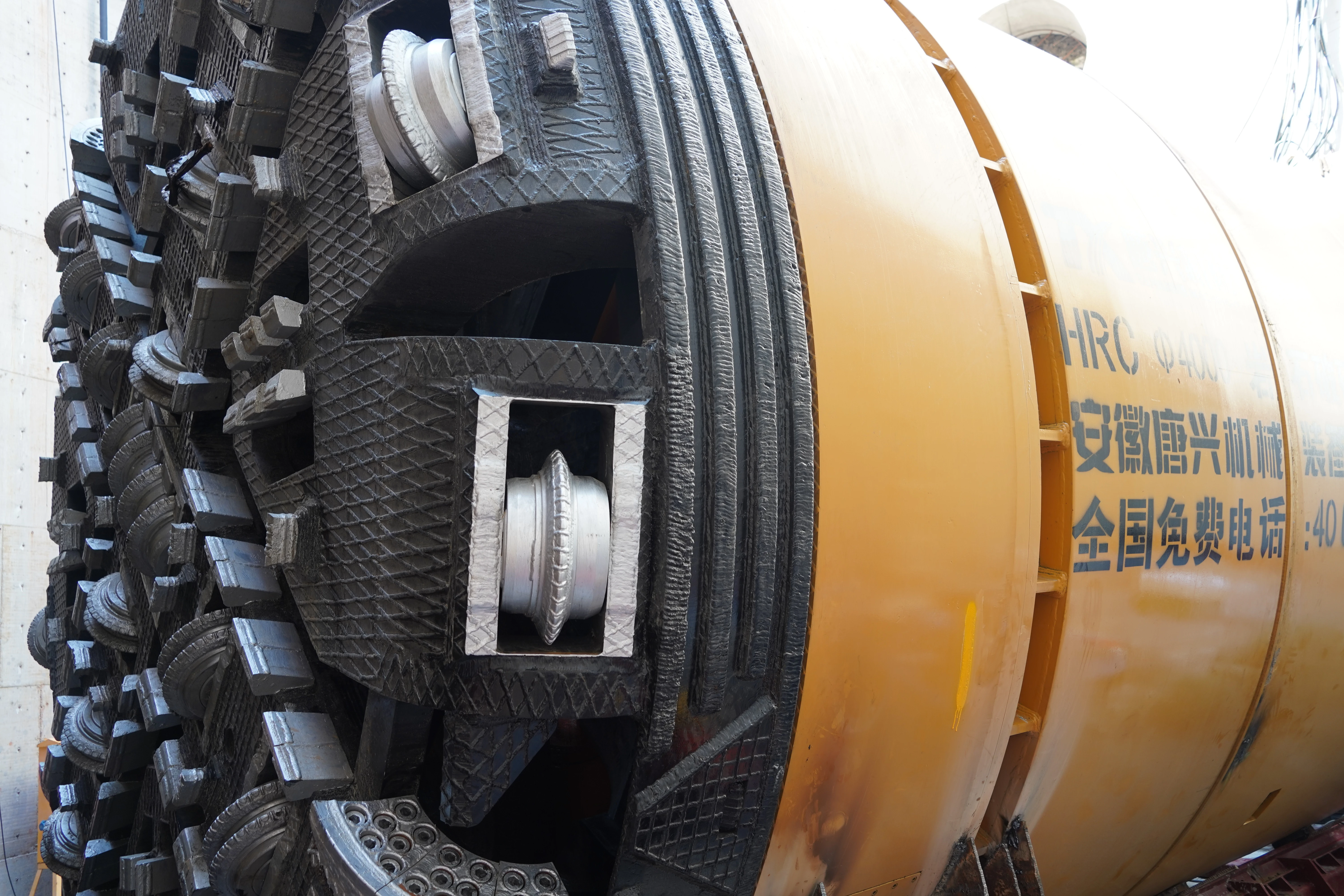
To keep your TBM safe, you need steady and accurate signals—because when signals jitter, TBM tunnel control loops fail, creating major risks for your project. CEGC delivers tunnel boring machine solutions with market-standard specifications and offers custom options to ensure safe and efficient tunneling performance.
Key Takeaways
-
TBM safety needs steady signals. If signals jitter, control loops can stop working. This can cause things to go wrong.
-
Use signal conditioning and strong control designs to stop problems from jitter. This helps the system work well and keeps everyone safe.
-
Pick support packages from CEGC that you can change to fit your needs. Special solutions can make risks lower and help your project do better.
TBM Tunnel Control Loops and Signal Jitter
What Are TBM Tunnel Control Loops?
TBM tunnel control loops help your machine work safely. They are very important for all tunnel boring machines. This includes microtunnelling and auger boring machines. These loops let you watch, plan, and change what the machine does right away. The table below lists what TBM tunnel control loops do:
|
Function |
Description |
|---|---|
|
Sensing |
Collects data on current conditions and performance metrics for decision-making. |
|
Planning |
Develops strategies based on sensed data to achieve desired tunneling outcomes. |
|
Action |
Implements adjustments through the PLC to optimize flow rates and other operational parameters. |
You need these loops to keep your TBM moving the right way. They help keep the machine straight and react fast to new ground. CEGC makes TBM systems with standard specs. They can also change them to fit your project.
Causes of Signal Jitter in TBM Systems
Signal jitter is when signals in your TBM system change timing. This can mess up how the control loops work. Jitter can happen because of:
-
Circuit boards with uneven impedance
-
Wires that pick up signals from each other
-
Outside sources causing interference
-
Random electrical noise inside parts
These quick changes in digital signals can cause timing mistakes. Good timing is very important for TBM safety and performance. CEGC’s tunnel machines use steady signals and strong control. This helps you stay safe and avoid problems.
Why TBM Tunnel Control Loops Fail When Signals Jitter
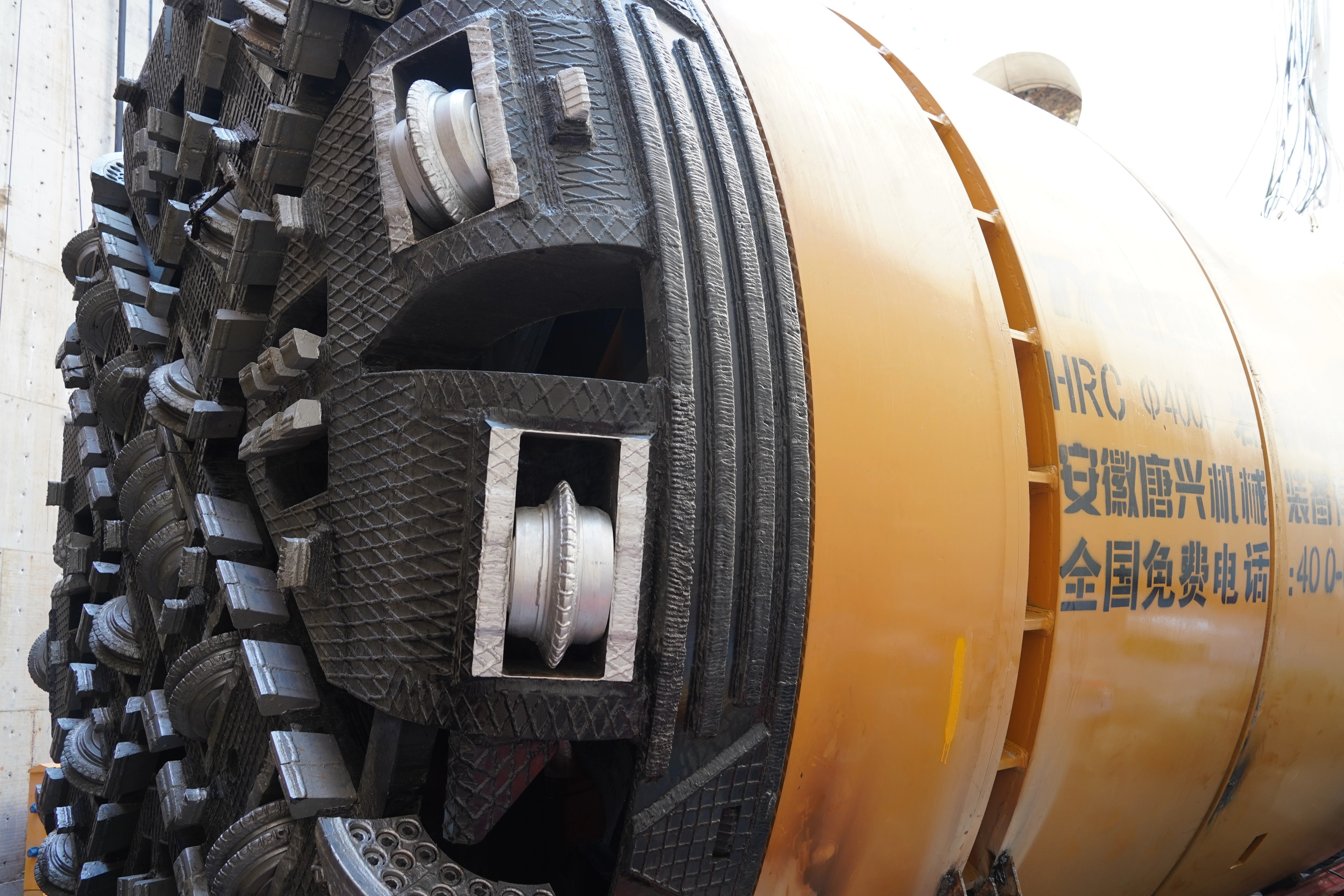
Loss of Synchronization and Feedback Errors
Your tunnel boring machine needs exact timing to work safely. If signals jitter, the control loops lose their timing. The machine cannot match its actions to feedback. This causes mistakes in speed and position readings. The system might not know where the cutterhead is. It may not know how fast it moves. Mechanical backlash can start to happen. Calibration mistakes show up. The machine does not act the way you expect.
When tbm tunnel control loops fail from signal jitter, the machine acts in strange ways. The feedback system cannot keep up with the signals. You cannot make good adjustments. The tunnel machine might go off course. It may not react fast enough to ground changes.
Operational Failure and Instability
When tbm tunnel control loops fail from signal jitter, the machine cannot dig steadily. You might see the ground settle or become unstable. Water can leak in. The cutterhead wears out faster because torque is not steady. The machine may not stay in line. You have to stop more often to fix problems.
Here is what these failures do to your project:
-
Ground settlement can cause claims and work stoppages.
-
Face instability can lead to blowouts or water leaks.
-
Cutterhead wear makes maintenance cost more.
-
Alignment problems mean you need to redo work.
-
Downtime hurts your schedule and budget.
You need answers for these problems. CEGC gives closed-mode face support to keep digging steady. Their guidance system helps you stay on line and grade. Modular design means less downtime and easier repairs. Good maintenance plans keep your tunnel boring machine working well.
|
Pain Point |
CEGC Solution |
|---|---|
|
Ground Settlement |
Closed-Mode Face Support Design |
|
Face Instability |
Soil Conditioning & Ground Protection System |
|
Water Ingress |
Sealing & Pressure Retention Architecture |
|
Cutterhead Wear |
Formation-Targeted Cutterhead Configuration |
|
Alignment Deviation |
Guidance System Integration Readiness |
|
Downtime |
Modular Assembly & Service-Friendly Layout |
You keep your project safe by picking a tunnel machine with strong controls. Using CEGC’s solutions lowers the risk of tbm tunnel control loops failing from signal jitter. Your tunnel boring machine stays safe, works well, and is reliable.
Consequences and Solutions for TBM Failure
Safety, Precision, and Cost Impacts
When tbm tunnel control loops do not work, you face real dangers. Safety is the most important thing. If signals are not steady, the machine can move suddenly. The ground might settle or water can get inside. These things put workers and the project at risk. When feedback errors happen, the machine is less exact. The tunnel can go off the planned path. You have to spend more time fixing mistakes. This means you lose time and spend more money. Contractors and owners need to handle these risks to keep their money safe.
Safety is the reason for every choice in tunnel building. You must protect your team and keep the project moving.
|
Impact |
Description |
|---|---|
|
Safety |
Protects workers and prevents accidents |
|
Precision |
Maintains tunnel alignment and grade |
|
Cost |
Reduces downtime and avoids expensive rework |
Preventing Jitter-Induced Failure
There are ways to stop tbm control loop failures. Signal conditioning takes away noise and keeps timing steady. Strong control design helps the machine work smoothly. Monitoring systems find problems early. This gives you trust in your tbm process. CEGC has support packages you can change to fit your needs. You pick the solutions that work for your project. CEGC meets market standards. You get help that matches your project and lowers risks.
-
Signal conditioning for stable operation
-
Robust control design for reliable performance
-
Monitoring systems for early detection
-
Customizable support packages for optimization
You make your tbm work better by picking the right machine and support. CEGC helps you with safety, precision, and cost. Your tunnel project stays safe and works well.
Signal jitter makes tbm tunnel control loops stop working right. This puts both safety and how well things work in danger. When signals stay steady, the machine can work exactly and safely. The table below shows why this matters:
|
Key Findings |
Implications for TBM Operations |
|---|---|
|
This helps keep people safe by making sure the machine works right, even in dangerous places |
You can help your project do better with CEGC’s special plans, guidance tools, and easy-to-fix parts.
FAQ
What causes vibration in a TBM tunnel project?
Vibration happens when the ground is not even. It can also come from how the machine moves or weak support. Vibration can mess up your tbm’s control loops. This can cause mistakes while digging the tunnel.
How does vibration impact tunnel safety?
Vibration can make the tunnel face unsafe. You might see the ground move or water leak in. Vibration makes it more dangerous for workers. It can also break the equipment.
How can you reduce vibration during tunneling?
You can use strong support systems to help. Watch the machine settings often. Checking things often helps you find vibration early. Taking care of the machine keeps vibration down and keeps your project safe.


