
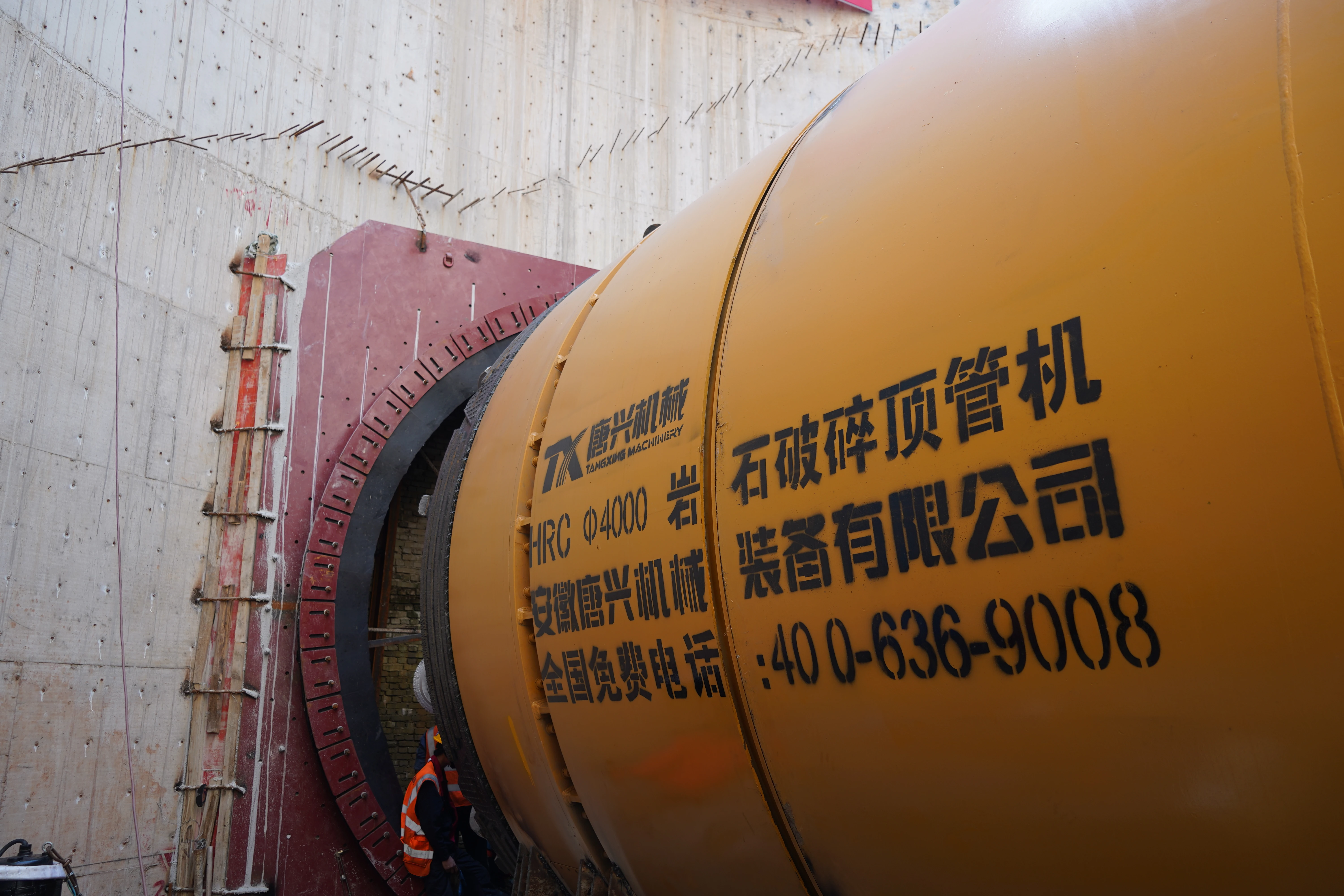
TBM tunnel cutter changes can decide liquidated damages on your tunneling project, making it crucial to plan carefully. Even minor delays related to cutter changes may result in significant fines. When sourcing equipment from CEGC, it’s important to understand these risks. By selecting reliable machines from CEGC and preparing in advance, you can minimize issues and keep your project on track.
Key Takeaways
-
Make a plan for TBM cutter changes to stop expensive delays. Watch downtime closely so you can handle liquidated damages well.
-
Pick the best tunnel boring machine from CEGC for the ground. This helps you change cutters less often and saves time.
-
Check and fix your TBM often. Use sensors and smart tools to find problems early and stop surprise repairs.
TBM tunnel cutter changes and project delays
What are TBM cutter changes
A TBM cutter change is when workers take out old cutters and put in new ones on a tunnel boring machine. These cutters help break rocks and dirt while building a tunnel. The cutters get worn out or broken after some time. Workers must change them so the tunnel machine keeps working. Changing cutters is a normal job in every tunnel project.
Causes and frequency of cutter changes
There are many reasons for cutter changes. Hard rocks, mixed ground, or rough soil can make cutters wear out fast. Sometimes, workers check the cutters even if they look fine. These checks happen every day or after each work shift. If cutters are damaged, workers stop the tunnel machine to change them. In some projects, cutter downtime can take up to one-third of the tunneling time, especially in hard ground.
Tip: Picking the best TBM for your tunnel job can help you change cutters less often.
Impact on tunnel machine productivity
Changing cutters often makes tunnel work slower. Every time the TBM stops, you lose time. The table below shows how cutter changes can slow down your project:
|
Reason for Delay |
How It Impacts Your Project |
|---|---|
|
Cutter Change Downtime |
Can take up to 1/3 of tunneling time in hard conditions |
|
Inspection Frequency |
Daily or per shift inspections can cause regular short delays |
|
Repair Sources |
Repairs and changes add extra downtime, especially in tough soil |
If you pick a tunnel machine from CEGC that fits your ground, you will not need to change cutters as much. This helps you finish your tunnel faster and saves money.
How TBM tunnel cutter changes can decide liquidated damages
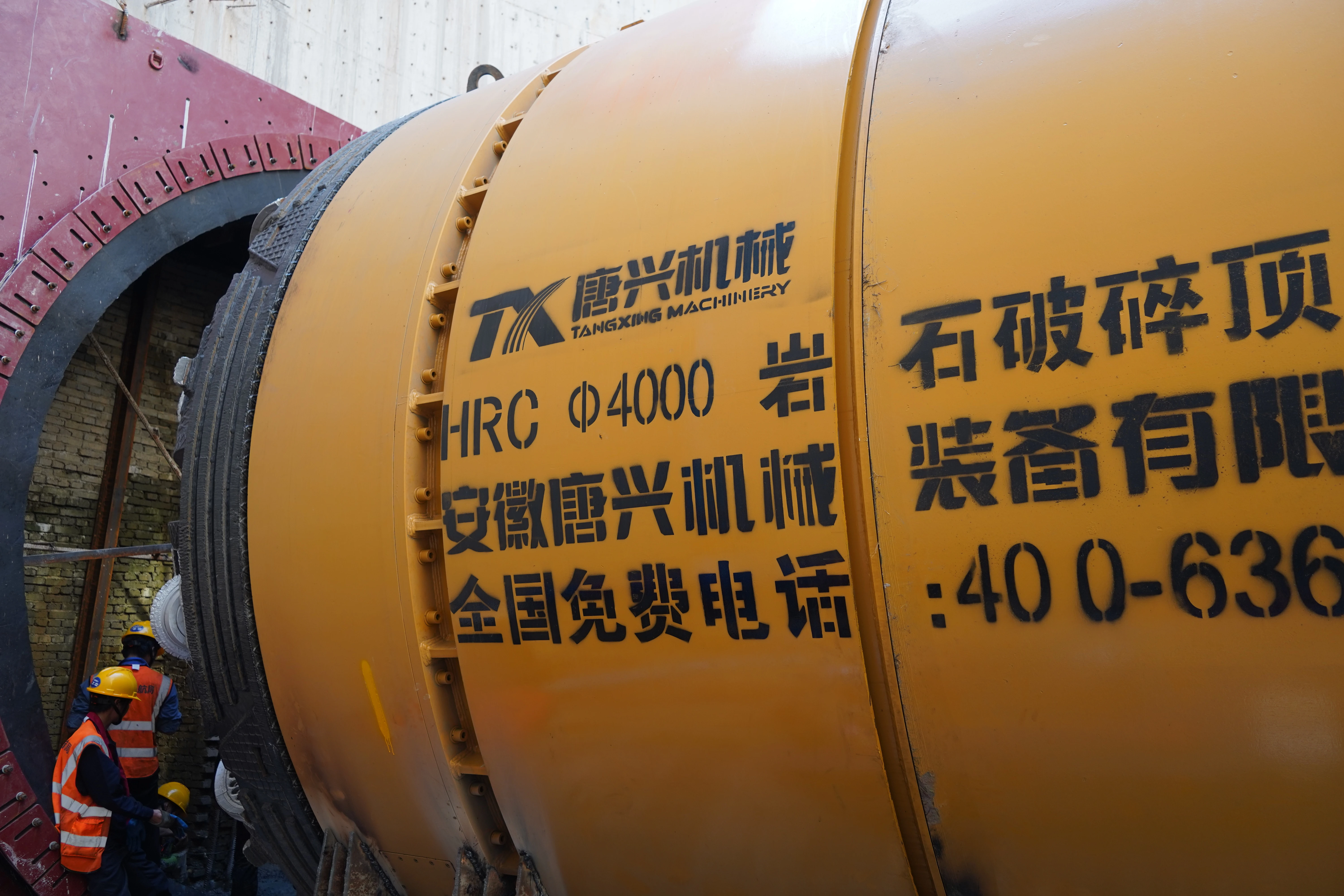
Measuring delays from cutter changes
You must keep track of every minute lost. When you stop the tunnel boring machine for cutter changes, write down the time. Teams often use probe drillings ahead of the TBM to check the ground. These checks help you find problems early. You also need to record why the delay happened. Sometimes, delays come from slow choices or missing tools. If you know the ground is hard, plan for more cutter changes. Good records show what caused the delay and how you handled it. This is important for tbm risk analysis and helps you avoid extra costs.
Contract clauses and liquidated damages triggers
Most tunnel contracts have rules about time and penalties. If you finish late, you may pay liquidated damages. These penalties can grow quickly. When tbm tunnel cutter changes can decide liquidated damages, you must know your contract rules. Many contracts count every day or hour of delay. If you stop the tunnel boring machine too much for cutter changes, you might miss your deadline. For example, in a twin tbm project, delays from cutter changes caused penalties. The contract tracked every stoppage and linked it to liquidated damages. You need to know these triggers before you start work. This helps you manage risk and control costs.
Factors influencing damage severity
Many things can make liquidated damages worse. High cutter wear rates slow you down. Hard ground or mixed soil makes tunneling harder. You may need more cutter changes and face more downtime. The table below shows how different factors affect your risk and performance:
|
Factor |
Impact on Liquidated Damages |
|---|---|
|
High cutter wear rates |
Can cause delays and trigger penalties. |
|
Adverse ground conditions |
Make digging harder, causing more delays and higher costs. |
|
Geotechnical baseline reports |
Help define ground, lowering claims about subsurface issues. |
You also need to watch for groundwater and tricky aquifer zones. These can change how your tunnel boring machine works. Good ground treatment lowers your risk and helps performance. Maintenance planning is another part of tbm risk analysis. If you plan maintenance well, you can cut downtime. You should schedule cutter changes so they do not slow main tunnel work. When you match maintenance with probe checks, you save time and money.
Big tunnel jobs show that regular cutterhead inspections help you avoid bigger problems. You should keep all parts in good shape to protect performance. Pre-planning and teamwork help you handle tough ground and lower risk. When you pick the right equipment, like a tunnel machine from CEGC, you can reduce cutter changes. This helps you stay on schedule and avoid extra costs.
Note: If you focus on tbm risk analysis and use the right tunnel boring machine, you can control risk and improve performance. This is how tbm tunnel cutter changes can decide liquidated damages and shape your tunnel project’s success.
Minimizing liquidated damages from TBM cutter changes
Proactive cutter monitoring and maintenance
You can stop extra costs in construction by checking your TBM often. Make a schedule to check the tunnel machine. Sensors can watch the cutters while you dig the tunnel. Predictive modeling uses old data to help you plan when to fix things. These steps help you avoid surprise repairs and keep your tunnel work going. If you use sensors and predictive modeling together, you can find problems early. This means you will have less downtime. Many builders use these ways to stop extra costs and finish on time.
|
Technique |
Description |
Accuracy |
|---|---|---|
|
Real-time monitoring |
Sensors check cutter wear during tunnel construction |
0.951 |
|
Predictive modeling |
Uses past data to plan maintenance and cutter changes |
N/A |
Optimizing cutter and machine selection
You need to choose the right TBM for your job. Match the machine to the ground you will dig. Look at how the cutterhead is made and think about all the costs. Keep extra parts close by so you do not have to wait. Pick a machine that saves energy. Make sure there is a service center near your tunnel. Builders who do these things have fewer repairs and save money.
|
Criteria |
Description |
|---|---|
|
Geological Matching |
Fit equipment to ground to avoid failures |
|
Cutterhead Design |
Good design improves performance and maintenance |
|
Total Cost of Ownership |
Consider all costs, not just purchase price |
|
Spare Parts Strategy |
Keep spares nearby to prevent delays |
|
Service Network |
Pick machines with local support |
|
Energy Efficiency |
Use modern drives to save money |
Contract negotiation and risk management
You must look at your contract before you start building. Builders should check for rules about liquidated damages and repairs. Make sure the contract says what to do for TBM cutter changes. Plan for more time if the ground is hard. Good planning helps you stop extra costs. CEGC helps builders pick machines, train workers, and gives support after you buy. You can trust CEGC to help you finish your tunnel on time.
Tip: Talk with your supplier and team to plan for cutter changes. This helps you stop extra costs and keeps your tunnel project safe.
You can avoid liquidated damages if you manage TBM cutter changes well. Pick the right equipment and read your contract carefully. Look out for these main risks:
|
Description |
|
|---|---|
|
Faulty Design |
Bad designs for cutter heads can cause problems in TBMs. |
|
Excessive Torque |
Too much turning force on cutter heads is not safe. |
|
Unsuitable Equipment |
Some TBMs or cutting tools do not work for certain ground. |
Ask CEGC for help so your tunnel project stays on schedule.
FAQ
What is the best tunnel machine for a new contractor?
Pick a tunnel boring machine that fits your job. Check the ground type first. Think about what your contract says you need. Look at the total cost before you choose.
How long does CEGC equipment delivery take?
CEGC delivers machines quickly. They keep tunnel machines in local warehouses. This helps you save money and finish your project on time.
What training does CEGC provide with machine purchase?
You get training for operators and support from CEGC. They help you run your project and lower costs. This makes it easier to meet contract goals and control risks.


