
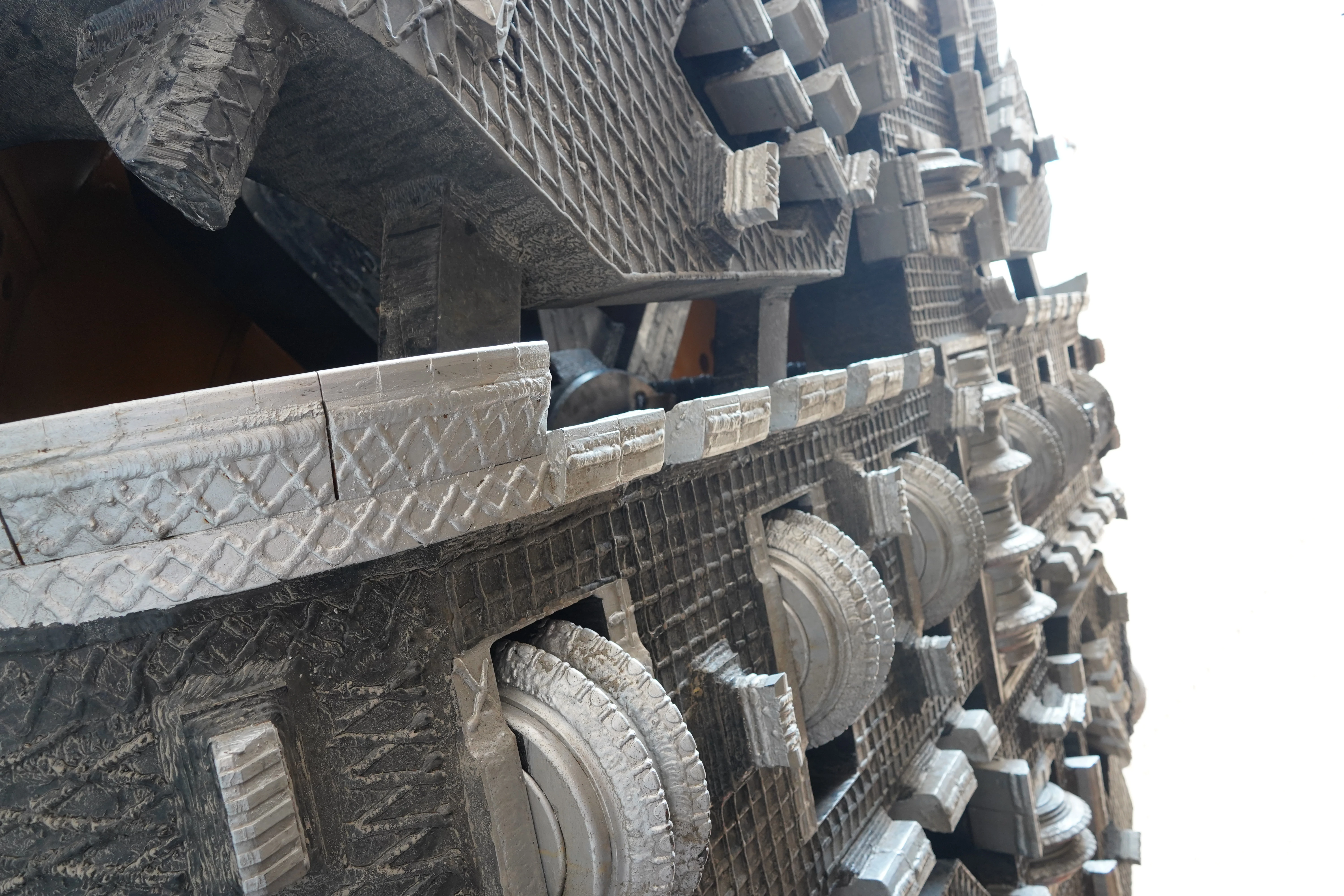
Building tunnels in busy cities presents significant challenges. A TBM tunnel cutter swap can protect delivery milestones and help keep your project on track. It ensures the tunnel continues to progress while minimizing costly delays. CEGC utilizes trenchless solutions that can accelerate construction by 40%. These methods also reduce environmental impact by up to 95%, delivering highly accurate results, down to millimeters.
Key Takeaways
-
Plan your TBM cutter swaps early so you do not have delays and your project stays on track. Regular cutter swaps help keep your tunnel boring machine in good shape. This makes sure it works well and is safe. Use real-time monitoring and smart plans to make cutter swaps better and cut down on waiting time.
Why TBM Cutter Swaps Matter
Protecting Delivery Milestones
You face many challenges when you build a tunnel in a city. Traffic, buried pipes, and busy streets make your job harder. You cannot afford to stop work for long. A tbm tunnel cutter swap can protect delivery milestones by keeping your tunnel moving forward. When you swap cutters at the right time, you avoid long delays. You finish your tunnel on schedule. This helps you meet your contract goals and keeps your clients happy.
Tip: Plan your cutter swaps before you start your tunnel. This helps you avoid surprises and keeps your team ready.
A tbm tunnel cutter swap can protect delivery milestones by reducing downtime. If you wait too long to swap cutters, your tbm may stop working. This can cause big delays. You want your tunnel to move forward every day. You do not want to lose time waiting for repairs. When you use CEGC’s trenchless solutions, you get support for fast cutter swaps. You keep your tunnel boring machine working and your project on track.
A tbm tunnel cutter swap can protect delivery milestones in busy cities. You cannot block roads or dig up sidewalks for weeks. You need your tunnel to finish on time. You also need to avoid extra costs. When you plan your cutter swaps, you control your schedule. You keep your tunnel safe and your team working.
Impact on Tunnel Boring Machines
Your tbm works hard every day. The cutters on your tbm break rocks and soil as you dig your tunnel. Over time, these cutters wear out. If you do not swap them, your tbm can slow down or stop. A tbm tunnel cutter swap can protect delivery milestones by keeping your machine in good shape.
You want your tunnel boring machine to last for the whole job. Regular cutter swaps help your tbm stay strong. You avoid damage to your tunnel and your machine. You also keep your team safe. When you swap cutters, you check your tbm for problems. You fix small issues before they become big ones.
A tbm tunnel cutter swap can protect delivery milestones by making your tunnel boring machine more reliable. You do not want to risk your tunnel or your schedule. You want your projects to finish on time and within budget. With CEGC’s trenchless solutions, you get the tools and support you need for safe and fast cutter swaps.
Note: A well-maintained tbm means fewer surprises and a smoother tunnel drive.
A tbm tunnel cutter swap can protect delivery milestones for every tunnel you build. You keep your machine running, your tunnel moving, and your clients satisfied.
TBM Cutter Swap Process
Steps for Swapping Cutters
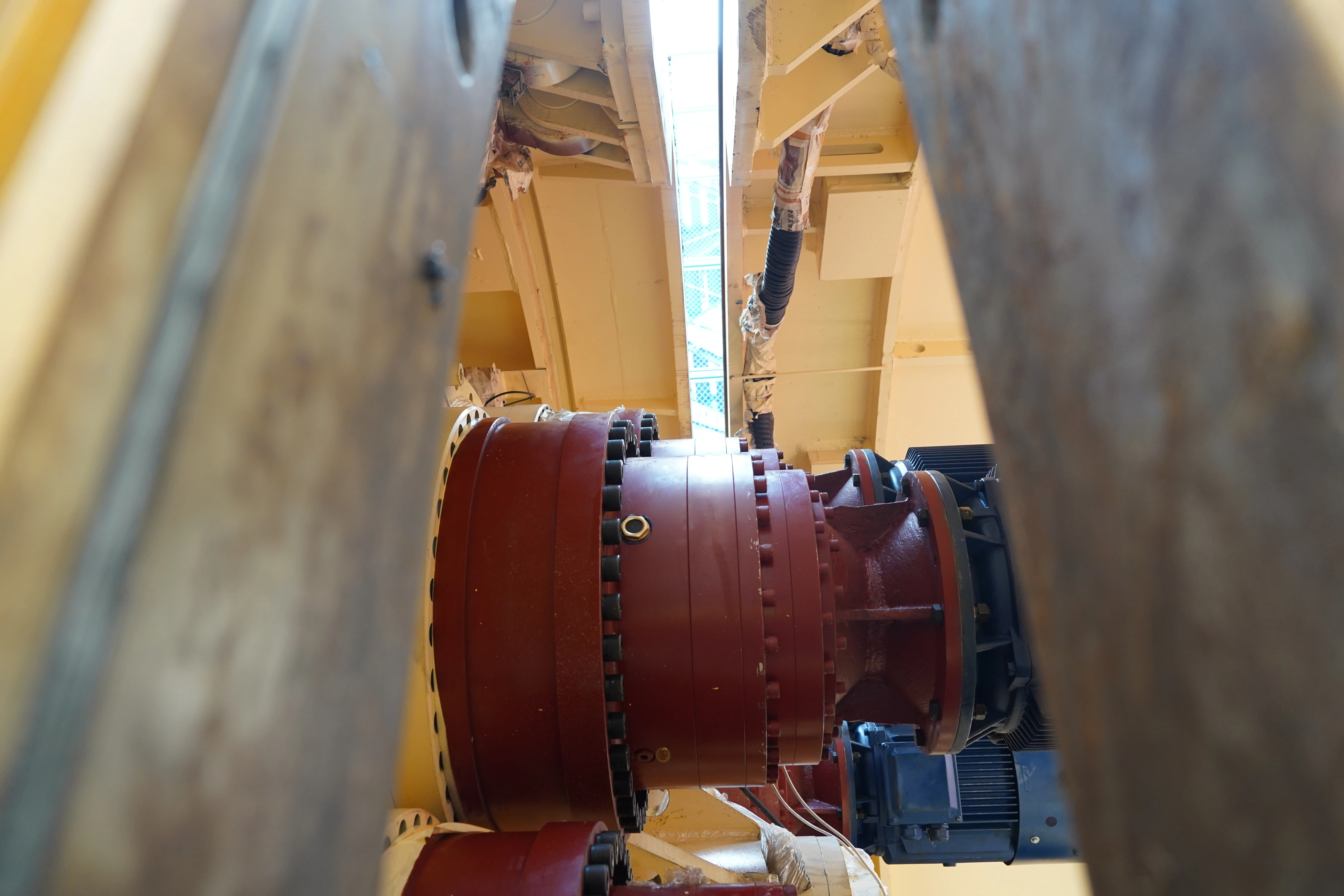
You need to keep tunnel boring machines working at their best. A cutter swap is a key part of this process. When you plan a cutter swap, you first stop the tbm at a safe location inside the tunnel. Your team checks the condition of all cutters. Sometimes, you only need to change a few cutters. Other times, you do a full dress change and replace every cutter on the tbm. This often happens during planned maintenance. For example, if the geology changes or you expect harder ground ahead, you might swap all cutters to prepare for the next phase of excavation.
Here is a simple step-by-step overview:
-
Stop the tbm at a safe point in the tunnel.
-
Inspect all cutters on the cutterhead.
-
Remove worn or damaged cutters.
-
Install new cutters in the correct positions.
-
Check all bolts and fasteners for tightness.
-
Test the cutterhead before restarting excavation.
You repeat this process as needed to keep tunnel boring machines running smoothly. Each installation must be precise to avoid problems during tunnel excavation.
Safety and Efficiency
Safety is always your top priority. You must follow strict safety rules when working with tunnel boring machines. Only trained workers should handle cutter swaps. Good lighting and clear communication help prevent accidents. In busy cities, you face extra challenges. Space is tight, and you must finish the installation quickly to avoid delays.
Tip: Always plan your cutter swaps before starting a new tunnel section. This keeps your tbm ready for any ground conditions.
Efficient cutter swaps help you keep tunnel boring machines moving. You save time and money by reducing downtime. Careful planning and teamwork make each installation safe and fast. When you use the right process, you protect your tunnel, your schedule, and your team.
Cutter Swap Case Studies
Urban Project Examples
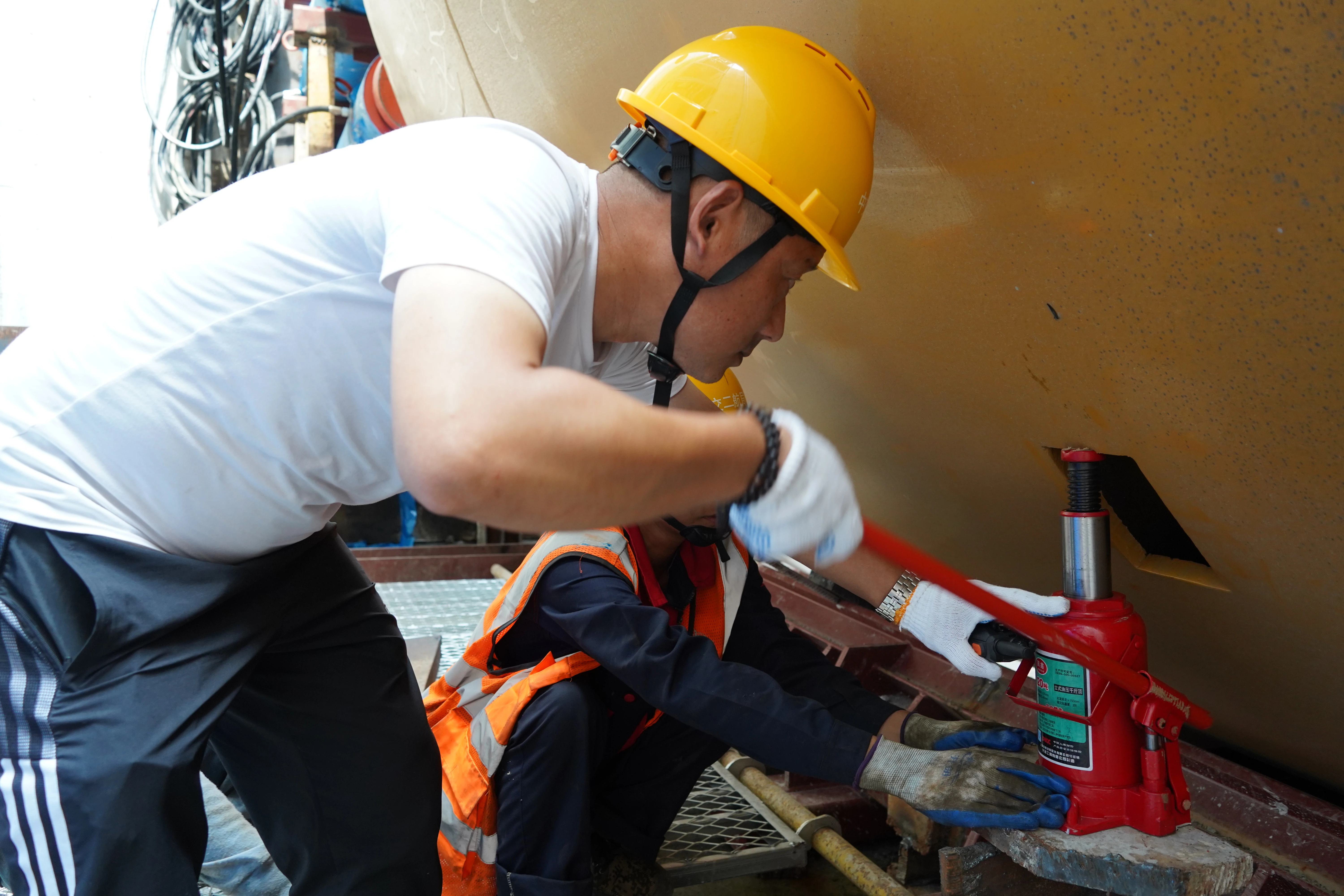
Timely cutter swaps help tunnel projects succeed. In one city, workers used a tbm to dig under busy streets. They planned cutter swaps before starting the tunnel. When cutters wore out, the team stopped the tbm and changed them fast. This kept the tunnel moving and stopped delays. The project finished on time, and traffic kept flowing.
Another tunnel was near old buildings. The team used systems to watch cutter wear in real time. These systems told them when to swap cutters. Using wear models, they saved time and money. The tunnel stayed safe, and the project met its goals.
Note: Good planning and technology help finish tunnels without stopping city life.
Lessons for Contractors
These tunnel stories teach important lessons. Contractors use air hoists to change cutter lengths on the tbm. This makes swaps quicker and safer. You can plan your resources better with these tools.
A new framework called TunnRL-CC uses learning to improve cutter swaps. You make choices based on tunnel conditions, not just experience. You keep your tbm working and avoid delays.
Here is a simple table showing benefits:
|
Lesson Learned |
Impact on Tunnel Projects |
|---|---|
|
Less downtime, safer tunnels |
|
|
Air hoists |
Faster swaps, safer teams |
|
Adaptive strategies |
On-time delivery, lower costs |
CEGC gives you solutions for city tunnel projects. You get the right tools and advice to keep your tbm running and your tunnel on schedule.
When you plan cutter swaps early, your tunnel stays on schedule. CEGC gives you smart tunnel solutions for every city problem. Here is how CEGC helps your tunnel do well:
|
Solution |
Benefit for Your Tunnel Project |
|---|---|
|
HDD Systems |
Accurate, long tunnel crossings |
|
Pipe Jacking |
Reliable urban tunnel installations |
|
TBM Engineering |
Smart tunnel boring with real-time data |
|
Strong results in tough tunnel ground |
Pick the best cutter swap plan. You keep your tunnel on track and finish well.
FAQ
What is the best way to plan a tbm installation?
You should review ground conditions and project needs. This helps you choose the right machine and keep your tunneling project on schedule.
Why is cutter swap important during a critical phase?
You avoid unexpected stops when you swap cutters at the right time. This keeps your tunnel boring machine moving through each critical phase.
Can you use these methods for all underground construction?
You can use cutter swaps for many types of underground construction. They help you finish tunnels safely and on time.


