
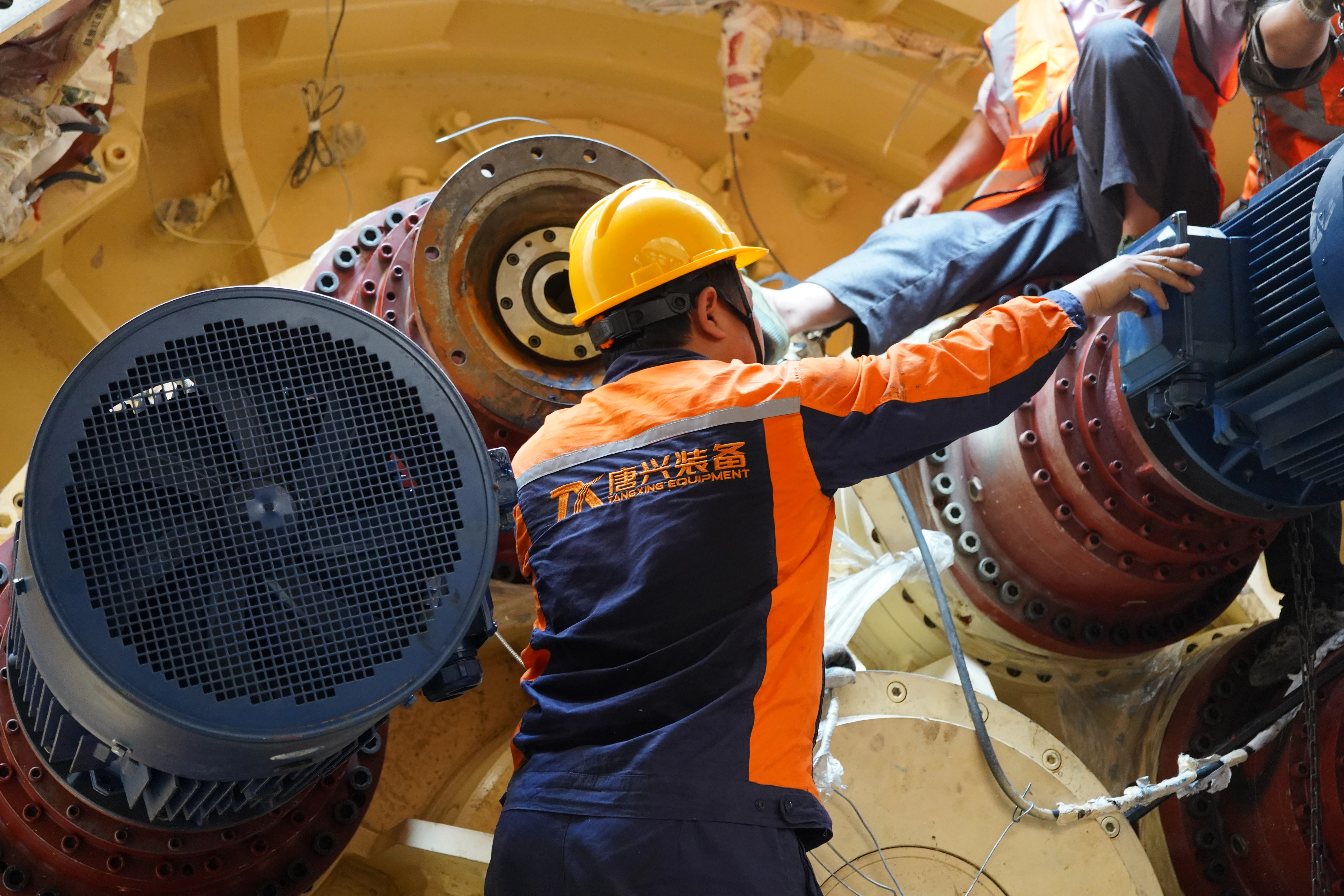
You face significant risks if you do not plan early for TBM tunnel cutter swap logistics. Delays can increase your project costs and create operational issues. In crowded cities, mistakes can halt progress. Therefore, TBM tunnel cutter swap logistics must be locked in early. CEGC is here to help you avoid these challenges with our proven urban tunneling solutions.
Key Takeaways
-
Plan TBM tunnel cutter swaps early. This helps you avoid expensive delays and problems. Early planning keeps your project on time and saves money.
-
Give clear jobs to your team members. Make sure everyone knows what to do. This stops confusion during the cutter swap.
-
Talk well with all stakeholders. Hold regular meetings and share updates. This keeps everyone informed and working together. It lowers the chance of surprises.
Key Elements of TBM Tunnel Cutter Swap Logistics
If you plan your TBM tunnel cutter swap logistics early, you can avoid delays that cost a lot. Urban tunneling is hard because there are tight spaces, busy streets, and many buried utilities. Your team, equipment, and schedule must work together to keep the project moving. CEGC gives you expert help with logistics planning for city projects that are crowded.
Personnel and Roles
You need to give everyone a clear job for each part of the cutter swap. Your team should have skilled operators, safety supervisors, and logistics coordinators. Each person must know their tasks and how their work fits with the whole operation. Training and safety meetings help everyone stay ready.
Tip: Safety is most important. Always use ventilation, gas checks, and good communication in tight spaces.
Equipment and Spare Parts
Having the right equipment and spare parts ready is very important for smooth swaps. The table below shows what you need most often:
|
Equipment Type |
Key Features |
|---|---|
|
Tool Kits and Cutters |
Cut tough materials, last long, easy to install |
|
Gaskets, Bolts, and Seals |
Stop leaks, hold things together, simple to change |
|
Bearings, Gears, and Guides |
Help things move smoothly, move exactly, easy to replace |
Quick-coupling systems and regular maintenance help keep things working and save time.
Access and Scheduling
You must plan how to get in and when to work. City sites often have few entry points and lots of traffic. If you talk to city officials and utility owners early, you can follow local rules. Use GPS and lasers to keep your project lined up right.
CEGC helps you make a schedule that works for you and keeps your project on track.
Early Planning Steps for Tunneling Success
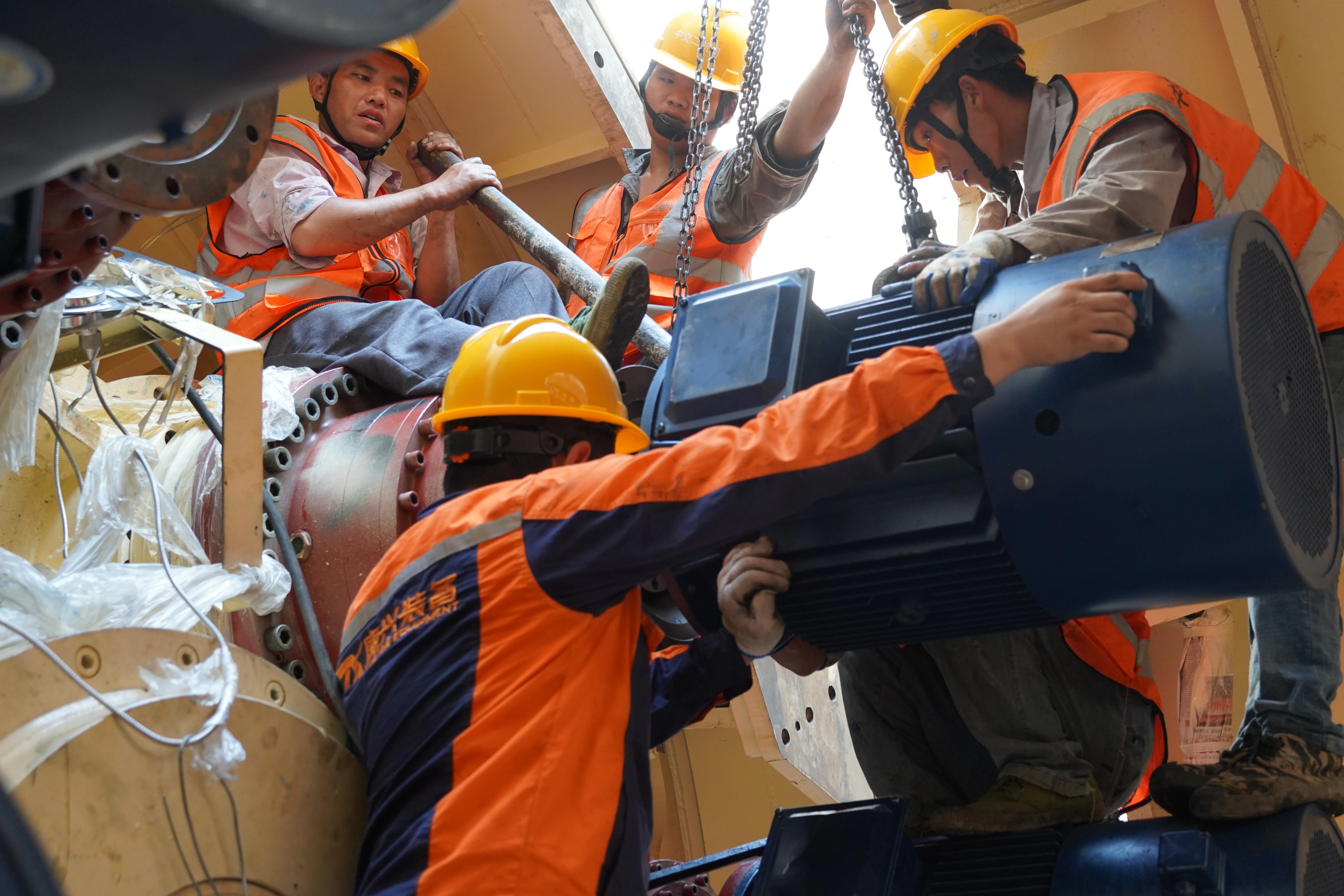
You need a simple plan to handle TBM tunnel cutter swap logistics. Starting early helps you stop delays and keeps your tunneling project moving. Follow these steps to set up logistics early and make tunneling work better.
Timeline and Milestones
Make a timeline before you begin. Split your project into milestones. Each milestone is a big event, like when you swap cutters or get equipment. Use a calendar to check your progress. You can use simulation tools to test your plan and find problems early.
Tip: Use a checklist for each milestone. This helps you know what is next and keeps your team on track.
Stakeholder Coordination
Talk to everyone involved as soon as you can. City officials, utility owners, and your team must all know the plan. Hold meetings to share news and fix problems. Clear talks stop confusion and keep your project going. Automated systems help you send reminders and check replies.
|
Stakeholder |
Role in Project |
Coordination Method |
|---|---|---|
|
City Officials |
Permit and access |
Meetings, emails |
|
Utility Owners |
Utility mapping |
Reports, site visits |
|
Project Team |
Operations and safety |
Daily briefings |
Resource Allocation
Get all your resources before you start. Order equipment and spare parts early. Buying early makes sure you get good supplies and keeps your tunneling system ready. This plan cuts down on waiting and helps with repairs. You must pick skilled workers for each job. Use TBM selection tools to choose the right machine for your project.
Note: Getting resources early helps you handle risks and keeps your project safe from supply delays.
Contingency Planning
Get ready for problems before they happen. Make a backup plan for every milestone. List extra equipment and spare parts you may need. Find other ways in case your main path closes. Use simulation tools to check your backup plans. Share these plans with your team so everyone knows what to do.
You must remember that TBM tunnel cutter swap logistics must be locked in early. This way, you avoid surprises and keep your tunneling project safe and working well.
Avoiding Pitfalls in TBM Tunnel Cutter Swap Logistics
Common Delays and Solutions
You may face delays if you wait too long to order parts or equipment. Late procurement can stop your tunneling project and raise costs. Unclear roles can lead to confusion during cutter swaps. Poor access planning can make it hard to get tools and people to the right place. You can avoid these problems by making a checklist, ordering early, and reviewing your plan often. Always check your supply chain and keep extra parts on hand. This keeps your project moving and helps you meet deadlines.
Tip: Review your plan with your team before each cutter swap. This helps you spot problems early and keeps everyone focused on safety.
Responsibility and Communication
You need to give each person a clear job. Training sessions help your team understand every part of the tunnel machine. When you use remote monitoring, you can track the tunneling process in real time. This lets you solve problems fast. You can set up direct communication between your operators and support teams. This keeps your project safe and smooth. Good communication also helps you share safety updates and fix issues before they grow.
-
Assign clear roles for each team member.
-
Use remote monitoring to track progress.
-
Set up direct lines for fast problem-solving.
Site Access Issues
Urban tunneling sites often have tight spaces and busy streets. You must plan how to get your equipment and people in and out. Talk to city officials early to get permits and avoid last-minute changes. Always check for buried utilities before you start. Make sure your team knows all access points and emergency exits. This planning keeps your team safe and your project on track.
You must remember that tbm tunnel cutter swap logistics must be locked in early. This protects your timeline, your budget, and your safety goals.
TBM Tunnel Cutter Swap Logistics Must Be Locked in Early: Checklist
Action Items for Project Managers
You need a simple checklist to help your project go well. Use this list to make sure your tbm tunnel cutter swap logistics must be locked in early. This helps you stop delays that cost money.
-
Set Your Timeline Early
-
Write down all big tunneling dates on your calendar.
-
Plan each cutter swap before you start.
-
-
Assign Roles and Train Your Team
-
Pick skilled workers for every job.
-
Have safety and logistics meetings before each swap.
-
-
Order Equipment and Spare Parts
-
Buy all needed cutter parts and tools before you begin.
-
Keep extra supplies at the site for emergencies.
-
-
Secure Site Access
-
Get permits from city officials as soon as you can.
-
Map out all entry and exit spots for your team and equipment.
-
-
Coordinate with Stakeholders
-
Meet with utility owners and city staff to share your plan.
-
Use clear talks to stop confusion.
-
-
Prepare Backup Plans
-
List extra equipment and other routes.
-
Practice emergency drills with your team.
-
Remember: tbm tunnel cutter swap logistics must be locked in early to keep your tunneling project safe. Acting early helps you stop last-minute problems and keeps your team safe.
|
Checklist Item |
Why It Matters |
When to Complete |
|---|---|---|
|
Timeline Set |
Keeps project on schedule |
Before tunneling |
|
Roles Assigned |
Stops confusion |
Before each swap |
|
Equipment Ordered |
Stops delays |
Before project start |
|
Access Secured |
Makes entry and exit easy |
Early planning stage |
|
Stakeholders Informed |
Stops surprises |
Ongoing |
|
Backup Plans Ready |
Handles emergencies fast |
Before tunneling |
You must remember that tbm tunnel cutter swap logistics must be locked in early for every tunneling project. This checklist helps you stay ready and finish your work safely and on time.
If you plan early for tbm tunnel cutter swaps, your city tunneling project stays safe and on time. Use your checklist to help you remember each step. Give everyone a clear job so there is no confusion. Make sure you have all the tools and parts you need. If you want more help, work with experts. CEGC can give you training, advice, and quick help at your site:
|
Description |
|
|---|---|
|
Engineering Training |
3-5 days to learn how to install and start up |
|
After-Sales Service |
Fast help at your project site |
|
Technical Consulting |
Expert tips for planning and picking equipment |
|
On-Site Installation |
Full setup and testing to check everything works |
|
Comprehensive Training |
Learn how to use, fix, and stay safe with the machine |
FAQ
What makes tunnel boring machines suitable for urban tunnel projects?
Tunnel boring machines are good for city tunnels. They cause less disruption on the surface. Roads stay open and buildings stay safe. These machines work fast and do a good job.
How does shield tunneling improve tunnel safety and efficiency?
Shield tunneling uses a shield to hold up the tunnel face. This keeps the tunnel stable and stops ground movement. It helps workers stay safe and makes cutting easier.
What is the role of maintenance in tunnel cutting performance?
You need to do regular maintenance on tunnel equipment. This keeps cutting tools sharp and helps them work well. Maintenance makes the shield last longer and improves tunnel performance.
Note: A slurry shield tunnel boring machine works in soft ground and water. You can use it for tough tunnel jobs in cities.
|
Factor |
Impact on Tunnel Projects |
|---|---|
|
Cutting Efficiency |
Tunnels move faster |
|
Shield Maintenance |
Equipment lasts longer |
|
Performance Checks |
Fewer breakdowns |


