
TBM tunnel cutter swap planning starts at bid stage and shapes your bid accuracy. You estimate costs with greater precision when you plan early. Project owners trust you more when you show clear strategies. CEGC supports contractors who want to stand out and build client confidence.
Early planning sets you apart.
Key Takeaways
-
Begin planning TBM tunnel cutter swaps early. This makes your bid more accurate. It helps you guess costs and project time better.
-
Look at past project data to improve your guesses for cutter wear and maintenance. This helps project owners trust you. It shows you are ready for the job.
-
Add technical details and logistics to your bid. Show your machine's abilities and maintenance plans. This helps you stand out from other companies.
Why TBM Tunnel Cutter Swap Planning Starts at Bid Stage
Impact on Bid Accuracy and Cost
You plan TBM tunnel cutter swaps early to make your bid better. Early planning helps you guess maintenance costs more exactly. You can figure out how many cutter swaps you need for the tunnel. You also look at the ground to see what is needed. This helps you not guess too low or too high on your budget.
You also make a project timeline that is real. You add time for cutter swaps in your plan. This helps stop delays and surprises when building. Your bid looks stronger because you know the hard parts. Project owners see you have thought about everything.
Tip: Look at old project data to guess how often you need cutter swaps. This makes your guesses better.
You can use a table to help plan:
|
Planning Step |
Benefit |
|---|---|
|
Early cutter swap plan |
Better cost estimate |
|
Timeline adjustment |
Real project schedule |
|
Data review |
Stronger bid confidence |
Your bid stands out when you show clear TBM tunnel cutter swap planning at the bid stage.
Role in Risk Management and Client Trust
You lower project risk when you plan cutter swaps before you bid. You find problems with ground and cutter wear early. You get ready with answers for these risks. This shows owners you are ready for hard things.
You build trust by sharing your cutter swap plan. You tell how you will keep the tunnel machine working well. You show you have done TBM tunnel boring machine jobs before. Owners feel sure because you have a plan for every step.
You can use a checklist to help with risks:
-
Check ground reports
-
Guess cutter wear rates
-
Plan for spare parts and tools
-
Set times for maintenance
You show your equipment is good and you have a strong record. You prove TBM tunnel cutter swap planning starts at bid stage and you have the right tunnel boring machine. You show you can handle surprises.
Note: Contractors who plan well and have experience win more bids. Owners trust them to finish safe and good projects.
Your bid looks better when you mix technical skill and risk planning. You help owners feel sure about your plan.
Integrating Cutter Swap Planning into Tunnel Project Bids
Technical and Logistical Considerations
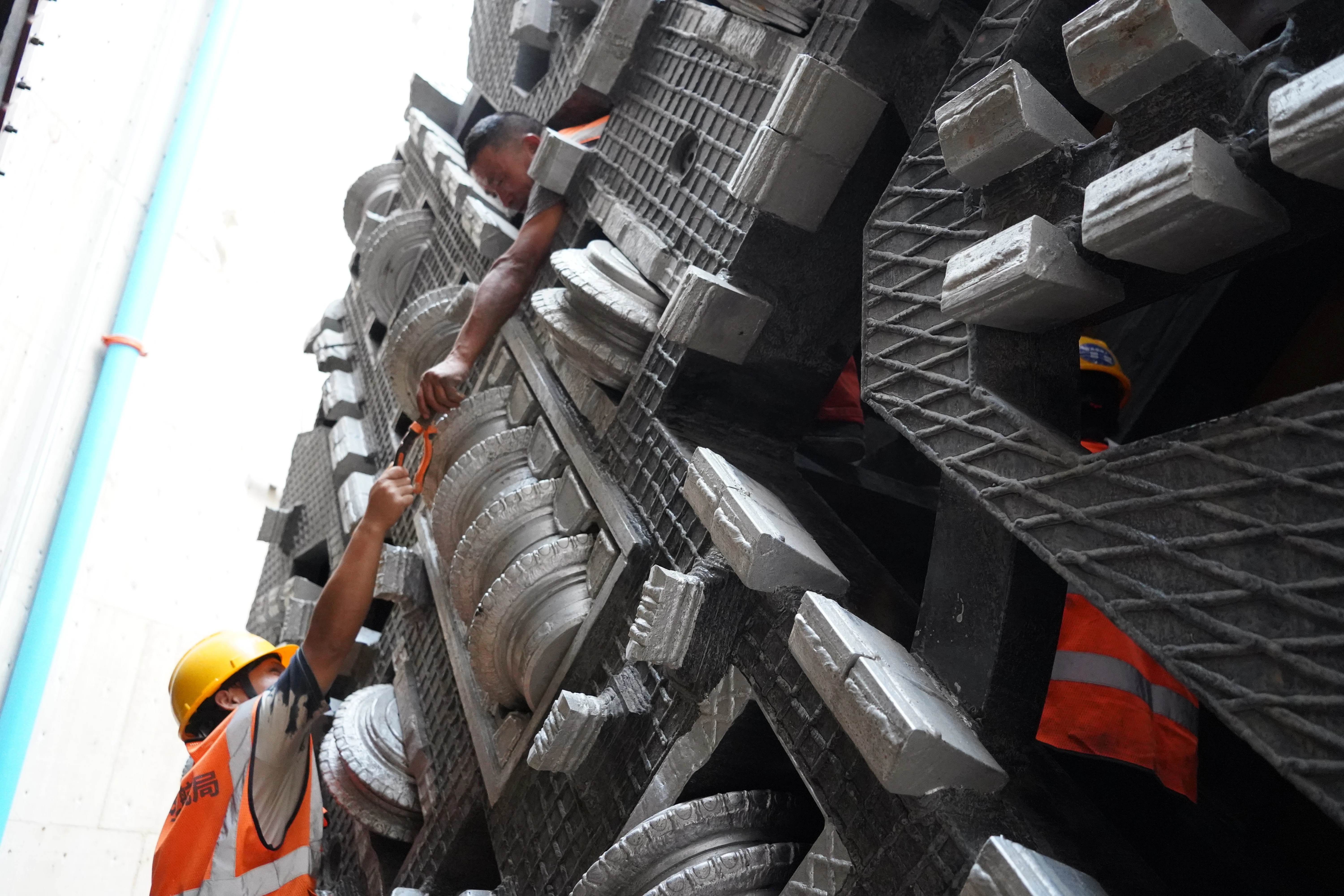
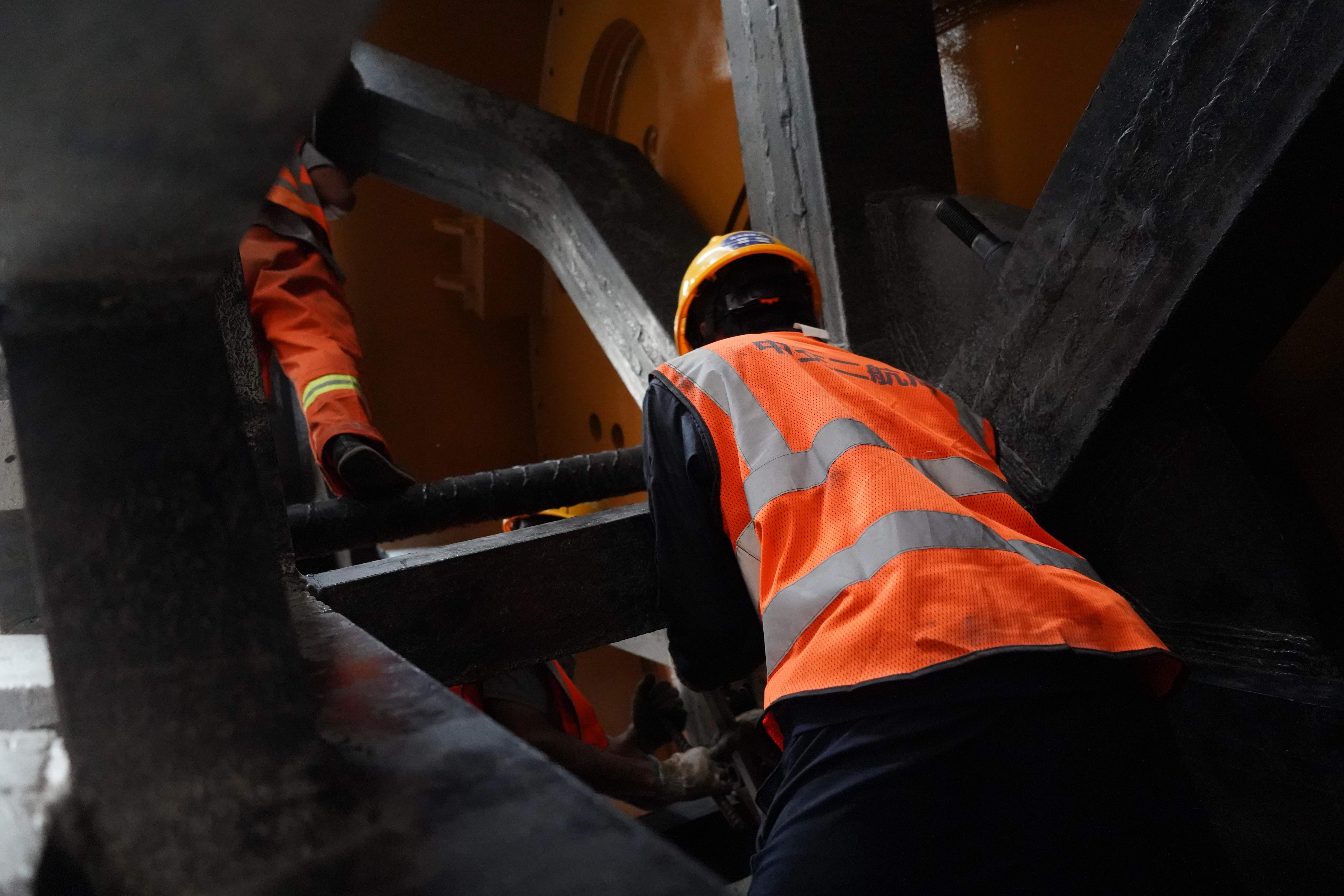
You need to look at many technical details before you submit your tunnel project bid. Cutterhead design matters. You must check if the machine uses 8 center cutters and 43 single cutters. Maximum thrust and torque help you know if your tunnel boring machine can handle tough rock. Main drive power tells you how fast you can work. Support systems, like a continuous conveyor, keep the project moving.
You must study the ground. Hard and abrasive rock can wear out cutters fast. High quartz content makes cutter swaps more frequent. Rock strength can range from 107MPa to 309MPa. You must plan for inflows and rock bursts. Safety measures, like the McNally system, protect workers from rock falls.
Here is a table to help you remember the main points:
|
Parameter |
Details |
|---|---|
|
Cutterhead Design |
8 x 17” center cutters, 43 x 20” single cutters |
|
Maximum Thrust |
21,087 kN |
|
Maximum Torque |
14,614 kNm |
|
Main Drive Power |
3300 kW |
|
Support System |
Continuous conveyor |
|
Geological Challenges |
Hard rock, high wear, inflows, rock bursts |
|
UCS Rock Strength |
107MPa – 309MPa, average 200MPa |
|
Quartz Content |
High |
|
Safety Measures |
McNally system |
You must plan for spare parts and tools. You need to set times for maintenance. You must make sure your tunnel machine can handle the job. TBM tunnel cutter swap planning starts at bid stage, so you must check all these factors early.
Financial and Competitive Impacts
You improve your bid when you plan cutter swaps early. You can estimate costs for cutters, labor, and downtime. You avoid guessing and make your bid more accurate. Owners see you have thought about every detail.
You save money by planning for cutter swaps. You avoid delays and extra costs. You show you can finish the project on time. You stand out from other bidders. Owners trust you more when you show a clear plan.
You can use a list to check your costs:
-
Cutter replacement costs
-
Labor for swaps
-
Downtime for maintenance
-
Spare parts and tools
TBM tunnel cutter swap planning starts at bid stage. You use this plan to make your bid strong and competitive. You show you know how to manage costs and risks.
Practical Steps for Bidders
You can follow simple steps to add cutter swap planning to your bid. First, review ground reports and machine specs. Next, estimate cutter wear rates. Then, plan for spare parts and tools. Set times for maintenance in your schedule. Share your plan with the project owner.
Here is a step-by-step guide:
-
Review ground and machine data.
-
Estimate cutter wear and swap frequency.
-
Plan for spare parts and tools.
-
Add maintenance times to your schedule.
-
Share your plan in your bid.
Tip: Use past project data to improve your estimates. Owners like bids with clear plans.
You can use CEGC-supported approaches to make your plan stronger. You show you have the right tunnel boring machine and experience. You stand out in bids for TBM machine and Microtunnelling Machine projects. Owners trust you when you show a well-defined cutter swap plan.
You get clear benefits when you plan TBM tunnel cutter swaps early. Your bid becomes more accurate. You lower risks and make your bid stronger.
-
Project owners trust you more.
-
Your tunnel machine is ready to do well.
Organized planning helps your project turn out better. Use CEGC-supported ideas for your next tunnel boring machine job.
FAQ
How do you estimate the number of cutter swaps for your tunnel project?
You look at ground reports and old project data. You check how hard the rock is and how much quartz it has. This helps you guess how fast cutters will wear out.
What equipment details should you include in your bid?
You write down the tunnel machine model and cutterhead design. You also add thrust, torque, and drive power. You show your maintenance plans and if you have spare parts.
Why does early cutter swap planning help your bid?
You stop surprise costs from happening. You make project owners trust you more. You show you know the hard parts and can finish the job well.


