
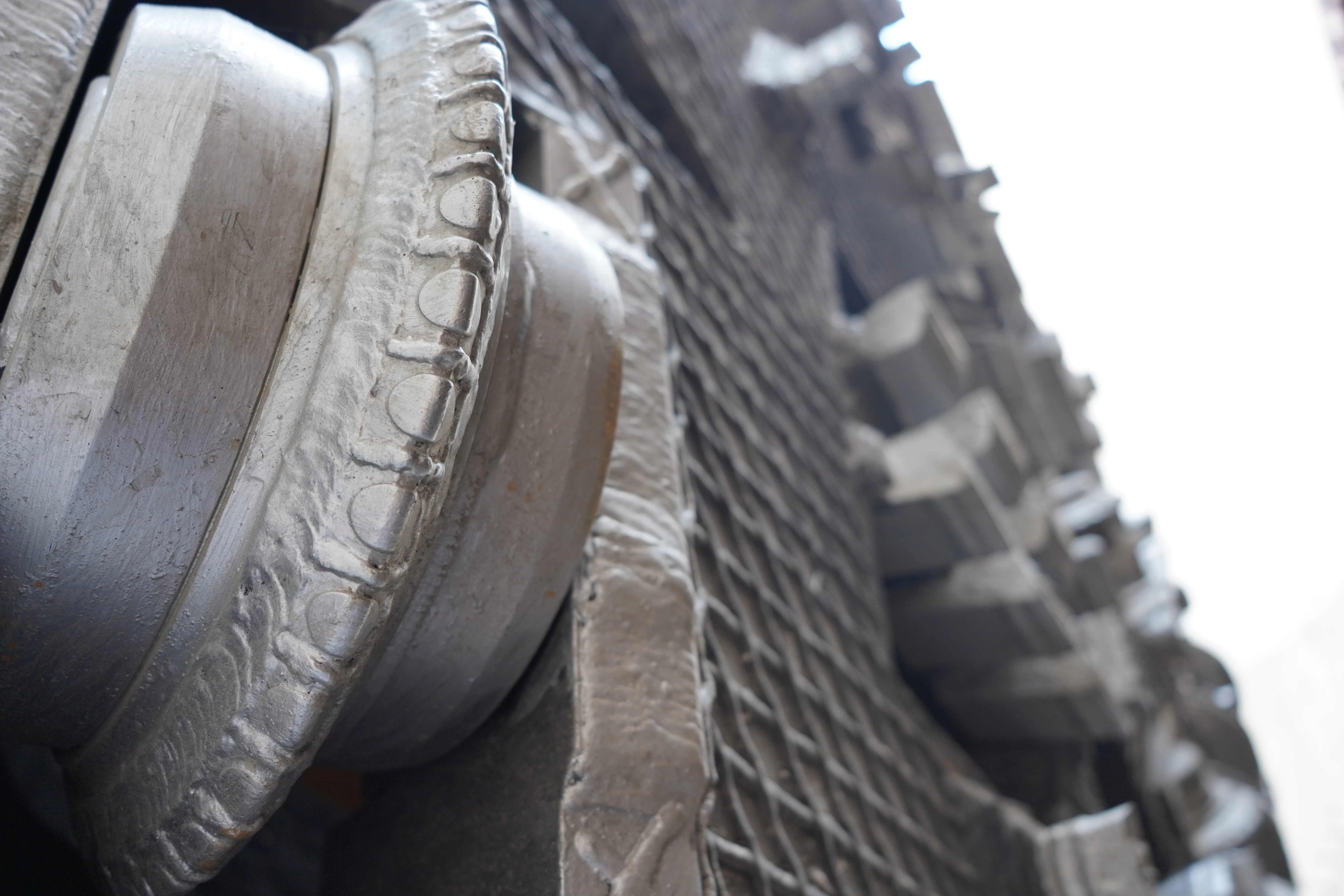
To ensure efficient and safe tunnel construction, TBM tunnel cutter swap windows should be scheduled as part of your project planning. Properly scheduling these swap windows helps keep work on track, minimizes delays, and controls costs. If TBM tunnel cutter swap windows are not planned, projects can face unexpected downtime and increased expenses. CEGC supports your tunneling operations by providing thorough equipment assessments, on-site installation, expert trenchless engineering support, and comprehensive training programs.
|
Service Type |
Description |
|---|---|
|
Equipment Assessment |
CEGC experts offer guidance for planning and selecting the right tunnel machines, including TBM tunnel cutter swap windows scheduling |
|
On-site Installation |
Skilled CEGC technicians assemble and set up tunnel equipment on your job site |
|
Trenchless Engineering |
Specialized support for TBM tunnel boring machine and microtunnelling projects |
|
Training Programs |
CEGC delivers training on operating, maintaining, and safely managing tunnel machines, including best practices for cutter swap windows |
Key Takeaways
-
Plan TBM tunnel cutter swap windows to lower downtime and keep work moving. Planning early helps stop surprise delays and extra costs.
-
Use real-time monitoring and predictive maintenance to help decide when to change cutters. This way makes work safer and faster.
-
Work with your crew and set up simple steps for cutter swaps. Good communication and planning make tunneling safer and easier.
Why TBM Tunnel Cutter Swap Windows Should Be Scheduled
Efficiency and Downtime Reduction
You should plan cutter swap windows for your tbm. This helps your tunneling work go faster and smoother. When you plan swaps, you stop sudden problems that slow down your job. If you wait for cutters to break, you might have long delays. Planning swaps lets your team get ready with tools and parts. This means you can finish the tunnel sooner.
When you plan ahead, you stay in charge. You know when your tbm will stop, so your team can work fast and safe.
New tunneling jobs use special systems to check cutter wear. These systems warn you before something goes wrong with your tbm. Using these systems can cut downtime by up to 15%. This saves money and helps you finish faster. AI and machine learning help you make choices right away. You can change your plan if the ground is different or cutters wear out quickly. Automatic systems tell you how cutters are doing right now. You can find problems early and keep your tbm working well.
|
System Type |
Benefit for TBM Operations |
|---|---|
|
Predictive maintenance |
Cuts downtime by up to 15%, lowers costs, speeds up projects |
|
AI and machine learning |
Enables fast decisions, keeps projects on schedule |
|
Automated monitoring |
Improves safety, reduces accidents, boosts efficiency |
When you look at planned swaps and waiting for things to break, you see a big difference. Planned swaps mean less waiting, fewer surprises, and a better tunneling job. Your tbm keeps moving, and your project stays on time.
Safety and Cost Control
Safety is very important in tunneling. When you plan cutter swaps for your tbm, you keep your team safe from sudden problems. If you do not plan, you might have to fix things in a hurry, which is not safe. You want your team to know when a cutter change will happen. This way, everyone can follow the rules and stay safe.
A safe job site starts with a good plan. Planning cutter swaps helps you stop accidents and keeps your tbm working well.
Saving money is another reason to plan swap windows. If you wait for cutters to break, you spend more on quick repairs and lose time. Planning swaps lets you buy parts early and plan your spending. You do not get big surprise costs, and you keep your project cheap.
CEGC helps you with smart advice and good systems. You get help planning your tbm cutter swaps, teaching your team, and using the best tools. CEGC’s work in utility jobs shows that planned swaps make tunneling safer, faster, and cheaper.
Factors Influencing Cutter Change Frequency and Scheduling
Geological and Operational Conditions
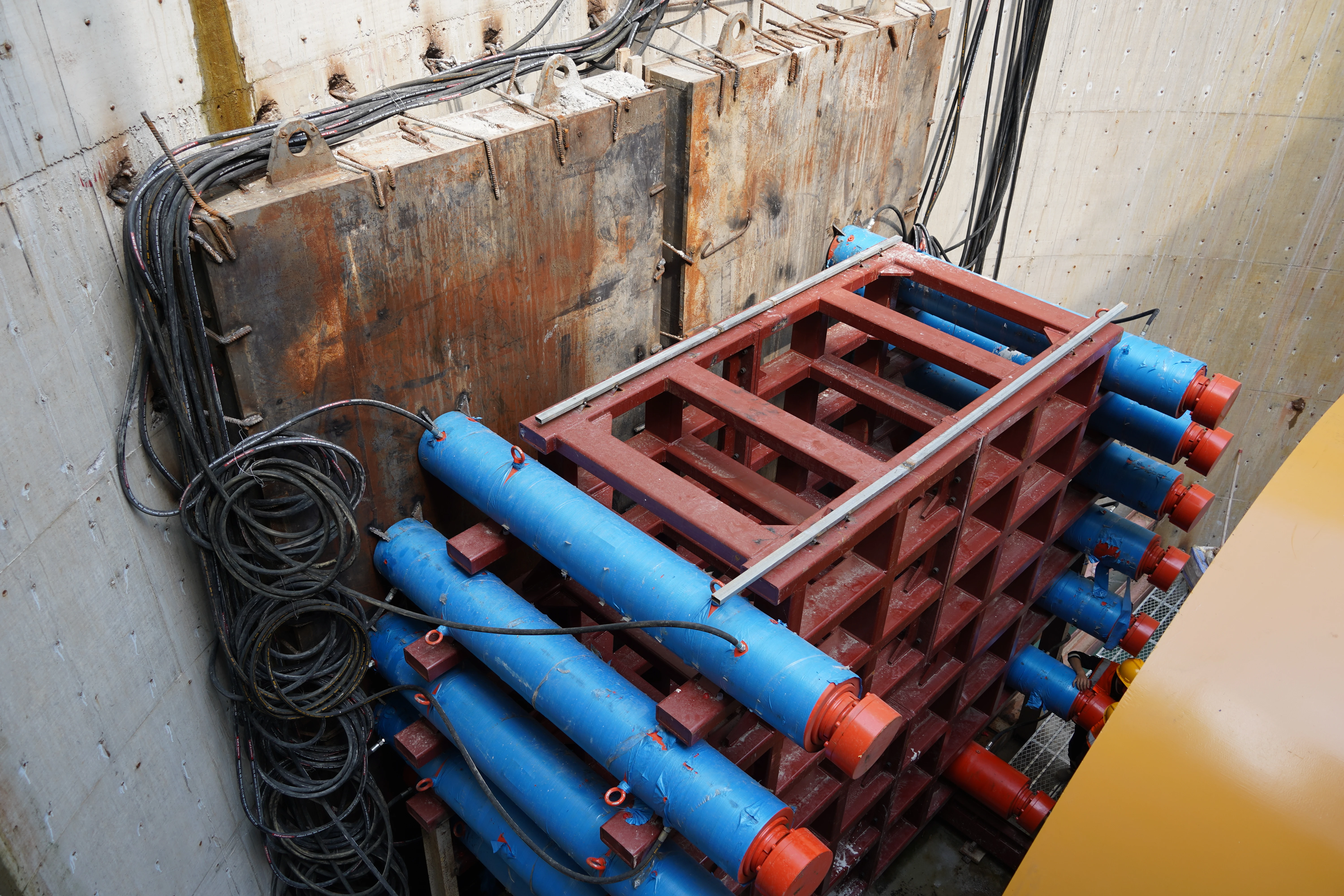
You have to know the ground before you start tunneling. The kind of rock changes how often you swap cutters on your tbm. Hard rocks make cutters wear out faster. Fault zones or blocky rocks make things even harder. These ground features are the main reason cutters need changing. If you learn about the ground, you can plan better and avoid problems.
|
Geological Factor |
Influence on Cutter Change Frequency |
|---|---|
|
Type of Rock |
Affects abrasiveness and hardness, leading to varying wear rates. |
|
Presence of fault zones or blocky rock increases cutter wear. |
How you use your tbm also matters. If you make your tbm go faster, cutters get more stress. High penetration rates and fast spinning wear cutters out quickly. Uneven pushing can break cutters early. You need to balance speed and safety for good results.
-
High penetration rates put more stress on cutters.
-
Fast spinning makes cutters wear out faster.
-
Uneven pushing can break cutters too soon.
You should also check tunneling settings. Penetration depth, cutter tip width, and cutter spacing all matter. If you dig deeper, cutters face more force and wear out faster. A wider cutter tip puts more force on the first cutter. The right spacing helps save energy and lowers cutter wear.
|
Excavation Parameter |
Effect on Cutter Wear Rates |
|---|---|
|
Penetration Depth (3-9 mm) |
Increased penetration depth leads to higher cutter force and wear. |
|
Cutter Tip Width (14-23 mm) |
Larger tip width incurs higher forces and wear on the first cutter. |
|
Cutter Spacing (80-95 mm) |
Optimal specific energy and unit wear identified within this range. |
The ground and how you run your tbm decide how often you change cutters. You need to study the ground and set your tbm for the job. This keeps your tunnel boring safe and on time.
Real-Time Monitoring and Data-Driven Decisions
You can use real-time monitoring to help decide when to change cutters. New tbm systems collect data all the time. Sensors watch cutter wear, machine speed, and ground type. This data lets you spot problems before they stop your work.
Machine learning and prediction models use this data to guess when a cutter needs changing. For example, some studies show you can guess cutter life by looking at travel length and swap times. These models use tunneling data from the tbm to show cutter wear. Micro TBMs now use IoT sensors to send data to engineers. You can change drilling settings right away, making your job faster.
|
Study Title |
Description |
|---|---|
|
Machine learning-based prediction model for disc cutter life in TBM excavation through hard rock formations |
This model forecasts disc cutter wear by analyzing travel length and cutterhead intervention intervals, using multiple learning algorithms to predict wear rates effectively. |
|
Use of predictive model for identification of overall wear state of TBM cutterhead based on tunneling parameters |
This paper proposes a model to determine the overall wear state of the cutterhead based on individual disc cutter wear, establishing relationships with tunneling parameters. |
|
How Micro TBM is Revolutionizing Underground Excavation |
Micro TBMs equipped with IoT sensors provide real-time operational data, allowing engineers to adjust drilling parameters on-the-fly, significantly improving excavation efficiency. |
You should use this data to plan when to swap cutters. Real-time monitoring helps you stop sudden breakdowns. You can keep your tbm working longer and cut down on delays. Using data helps your tunnel boring job stay safe and cheap.
Crew Coordination and Standard Procedures
Your team is important for cutter change timing and planning. Everyone needs to know their job and follow the same steps. Standard steps help your crew work faster and safer. When you plan swaps, your team can get tools and parts ready.
Good talking helps everyone understand the plan. You should have meetings before each shift. This way, your crew knows when a cutter swap will happen. You can stop confusion and keep your tbm running well.
-
Give each crew member a clear job.
-
Use checklists for every cutter swap.
-
Have safety talks before starting work.
When you follow the same steps, you make fewer mistakes. Your tunnel boring job stays on track. Teamwork and planning make your tbm work safe and smooth.
Best Practices for Maximizing TBM Efficiency
Optimizing Swap Windows
You can make your tbm work better by planning swap windows with predictive maintenance. This smart maintenance plan helps you change cutters before trouble starts. You watch cutterhead wear and use a vibration system to find problems early. Real-time monitoring shows cutterhead vibration and cutter wear right away. This system cuts downtime and keeps your tbm working. You can reuse old cutters and plan fixes using real vibration data. The system changes as needed, so your plan is always right.
|
Aspect |
Description |
|---|---|
|
Model Type |
Predictive model for overall wear state of tbm cutterhead |
|
Data Source |
Real-time monitoring data from tunneling parameters |
|
Benefits |
Reduces unexpected downtime, improves project efficiency, adapts to site-specific conditions, and provides accurate wear prediction without additional sensor costs |
Reducing Cutter Change Frequency
You can change cutters less often by picking the best cutter for your tbm. Watch cutterhead vibration and cutter wear patterns. Use good lubrication and check the cutterhead often. Look for wear and swap cutters that are too worn. A vibration system helps you find issues early. You can use preventive and proactive maintenance to keep your tbm cutterhead working longer. This method boosts efficiency and saves money.
-
Smart monitoring of cutterhead condition
-
Quick actions to lower risks
Integrating Scheduling with Project Planning
You should add swap scheduling to your project plan. Use a digital system to track maintenance and cutterhead rotation. Check the cutterhead often and replace cutters on time. Industry rules say to check often and use proper lubrication. You can use a vibration system to watch tbm cutterhead vibration and plan fixes. This keeps your project moving and stops delays.
Smart scheduling and maintenance planning help you finish your tunnel boring job faster and safer.
When you plan TBM tunnel cutter swap windows, you make tunnel boring better, safer, and cheaper.
-
You have less downtime because you do not change cutters as often.
-
Taking care of cutters early and making smart choices keeps your team safe and saves money.
-
New cutter technology helps cutters last longer.
Use these tips and ask CEGC for help from experts.
FAQ
What is the cost of tunneling for utility installation?
You need to pay for machines, workers, and supplies. The price changes based on the ground, tunnel size, and machine you pick. CEGC helps you plan and manage how much tunneling will cost.
How long does a tunneling project take?
You can finish tunneling sooner if you plan well. The time depends on how long the tunnel is, what the ground is like, and which machine you use. Planning cutter swaps helps your tunneling stay on schedule.
What utilities can you install using tunneling?
You can put in water, sewer, gas, power, and telecom lines with tunneling. Tunneling lets you go under roads, train tracks, and other things without digging big holes.
Tunneling is a safe and quick way to put in utilities. You do not mess up the ground above and you finish faster.
|
Utility Type |
Tunneling Application |
|---|---|
|
Water |
Tunneling under streets |
|
Sewer |
Tunneling through cities |
|
Gas |
Tunneling under highways |
|
Power |
Tunneling across railroads |
|
Telecom |
Tunneling under obstacles |


