
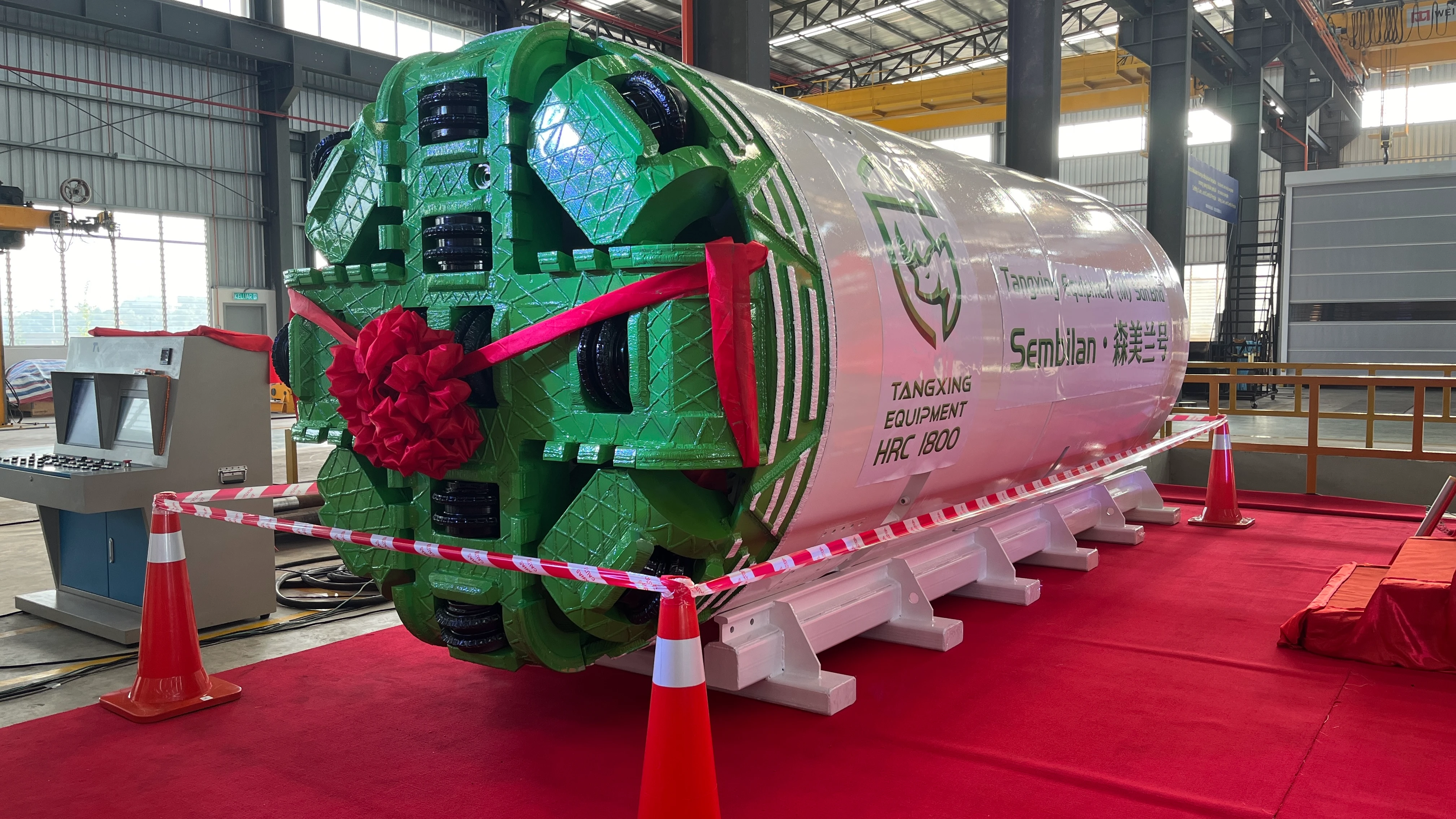
You want your tunnel project to keep progressing each day. TBM tunnel cutter swaps can stabilize daily advance and help you avoid delays, ensuring that work remains steady. Effective planning for these swaps helps you stay on time and on budget. CEGC provides expert assistance to enhance the performance of your tunnel boring machine.
Key Takeaways
-
Plan TBM cutter swaps with care to stay on schedule. This helps stop delays and keeps work moving forward.
-
Use digital systems to watch cutter wear. This helps you swap cutters on time and stops sudden problems.
-
Study the ground well to pick the best cutters. This can make work better and means you swap less often.
TBM tunnel cutter swaps can stabilize daily advance
What Are TBM Cutter Swaps?
You use a tunnel boring machine to dig through the underground. The front of the machine has cutters that break up rock and soil. Over time, these cutters wear down. When this happens, you need to stop the machine and replace the worn cutters with new ones. This process is called a TBM cutter swap.
Cutter swaps are a normal part of tunnel construction. You plan for them before you start digging. You also keep track of how long each cutter lasts. This helps you know when to schedule the next swap. If you wait too long, the cutters can break. If you swap too early, you waste time and money.
Why Do Cutter Swaps Matter?
TBM tunnel cutter swaps can stabilize daily advance by keeping your project moving at a steady pace. When you change cutters at the right time, you avoid long stops. This means you can dig the same amount each day. Your team can plan their work better, and you can finish the tunnel on time.
You need to think about many things when planning cutter swaps. The type of ground you dig through makes a big difference. For example:
-
Hard rock needs more force from the tunnel boring machine. This wears out cutters faster.
-
Soft soil may not wear cutters as quickly, but it can still cause problems if it is mixed with sand or gravel.
-
Water in the ground can make swaps harder and slow down your work.
Studies show that tough and abrasive rock makes you change cutters more often. This can slow down your daily progress. If you know the ground is hard, you can plan for more frequent swaps. You can also choose cutters that last longer in these conditions.
Tip: Accurate ground studies help you pick the right cutters and plan swaps. This keeps your tunnel boring machine working smoothly.
TBM tunnel cutter swaps can stabilize daily advance by reducing surprises. When you know how often you need to swap cutters, you can make better schedules. This helps you control costs and avoid delays. For long tunnels, good planning is even more important. You want to keep your project on track from start to finish.
TBM tunnel cutter swaps can stabilize daily advance in every type of tunnel project. You get steady progress, better cost control, and fewer delays. When you plan swaps well, your tunnel boring machine works at its best.
Best Practices and Challenges
Planning Efficient Cutter Swaps
You can keep your tunnel boring machine moving if you plan cutter swaps early. Start by checking how long each cutter head lasts in different ground types. Use digital monitoring systems to watch the cutter head as it works. These systems let you change speed, torque, and thrust pressure using live data. You can also connect these systems with automated guidance and geological sensing. This helps you find problems underground fast and change your methods quickly.
Predictive maintenance is very helpful. It can warn you about cutter head wear 300 to 500 hours before it breaks. This early warning helps you avoid sudden stops and keeps your project on track. For example, an AI system once found early signs of wear in a main bearing. The team fixed it before it caused a two-week delay.
Tip: Plan regular inspections and use digital tools for swaps. This keeps your daily advance steady.
Overcoming Common Obstacles
You will face problems during cutter swaps. The table below shows some common obstacles and how teams fix them:
|
Obstacles Encountered |
Solutions Implemented |
|---|---|
|
Difficult geological conditions |
Use support systems to stop rock falls and keep workers safe. |
|
Squeezing ground and rock bursting |
Weld wear plates and add steel slats to the cutter head for extra support. |
|
Excessive stress deformation |
Add shotcrete, rockbolts, mesh, or steel arches for more support. |
|
Groundwater inflows |
Probe ahead and use grouting when needed. |
|
High temperatures and humidity |
Improve cooling and ventilation underground. |
If you do not manage cutter head swaps well, your daily advance rate drops. Delays in changing the cutter head slow down the whole project. Studies show that frequent and well-timed swaps keep your tunnel boring machine working at its best.
When you plan TBM cutter swaps, tunnel projects get better. This helps you keep daily progress steady and lowers risks. The table below lists best ways to work well underground.
|
Practice |
Benefit |
|---|---|
|
Cuts faster, less downtime |
|
|
Geotechnical Surveys |
Prevents early blade failure |
|
Regular Inspections |
Avoids cutterhead damage |
In the future, there will be more machines and safer tunnel boring.
FAQ
What is a TBM cutter swap?
You replace worn cutters on your tunnel boring machine. This keeps your machine working well and helps you finish your tunnel project on time.
How do cutter swaps help with underground structures?
You keep your tunnel boring machine running smoothly. This lets you build underground structures faster and with fewer delays.
How often should you plan for cutter swaps?
You should check your machine and ground type often. Most teams plan swaps based on cutter wear and project needs.


