
You face challenges when TBM tunnel cutter swaps can support variation claims. Hard rock or sudden changes in rock hardness often cause cutter wear, which affects speed and efficiency. CEGC knows that strong records and data help you prove your case and show how well you handle unexpected ground conditions.
Key Takeaways
-
Watch TBM cutter swaps closely. This information shows how the ground changes your project. It helps you ask for more time or help if needed.
-
Keep good notes for every cutter swap. Write down the date, place, and why you changed it. This helps you explain why you need changes.
-
Connect your swap notes to contract rules. This shows how surprise ground problems changed your project time and money.
TBM cutter swaps and variation claims
What are TBM cutter swaps?
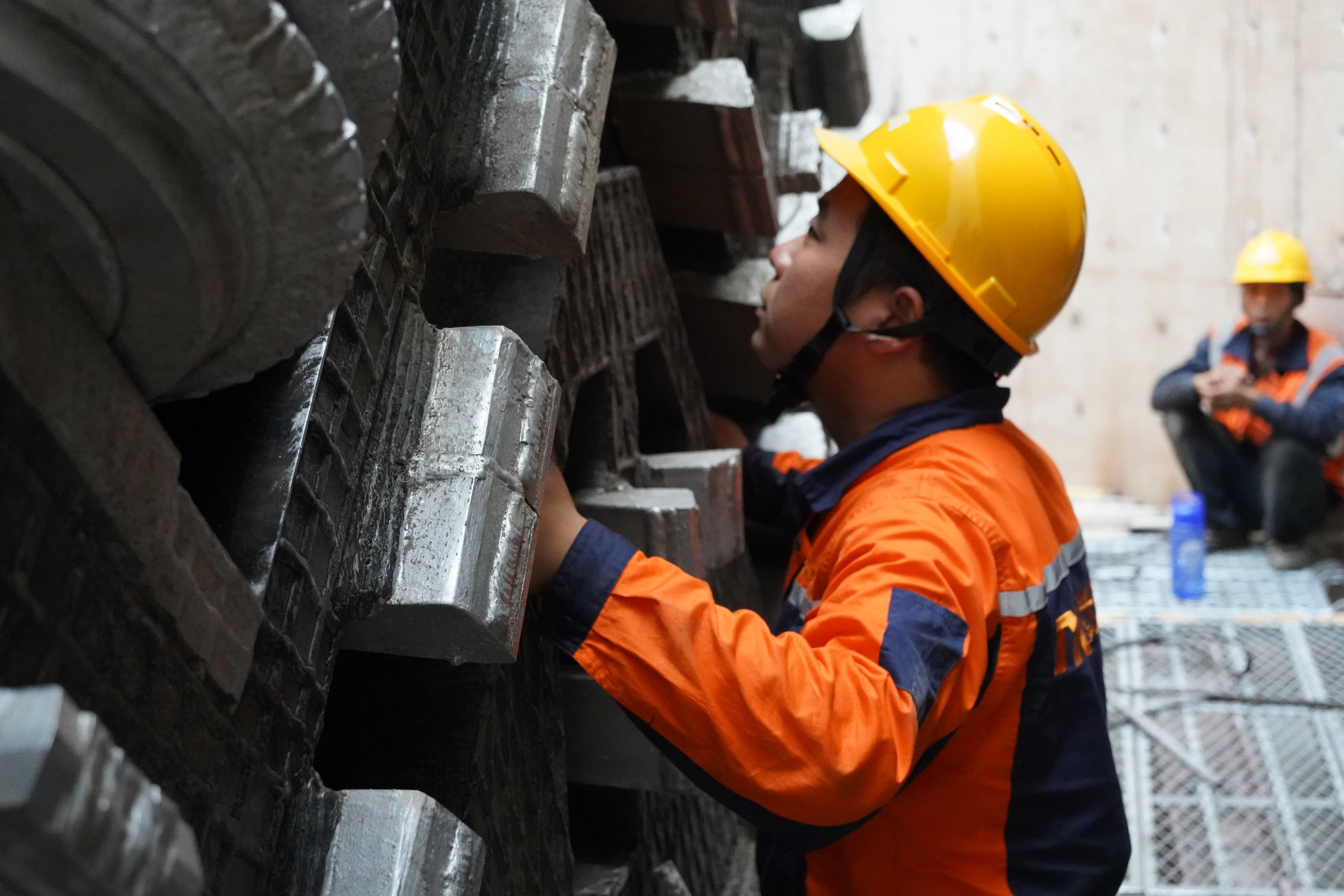
You use tunnel boring machines, or TBMs, to dig tunnels through different types of ground. These machines have a rotating head with special tools called cutters. The cutters break up rock and soil as the TBM moves forward. Over time, these cutters wear down or break, especially when the ground is very hard or changes suddenly. When this happens, you must stop the TBM and replace the worn cutters. This process is called a TBM cutter swap.
TBM cutter swaps are a normal part of tunneling. You plan for them based on the expected ground conditions. Sometimes, you face unexpected challenges. Harder rock or mixed ground can cause cutters to wear out faster than you expect. When you see more frequent TBM cutter swaps, it often means the ground is tougher than planned. This can slow down your project and increase costs.
You can see how ground conditions affect TBM cutter swaps:
-
In sections with schist or gneiss, you need to replace probe drills more often, which reduces the time the TBM can operate.
-
When the ground changes to softer materials like feldspar or mylonite, you swap cutters less often and the TBM moves faster.
You track every TBM cutter swap to understand how the machine is performing. This information helps you manage your project and prepare for any challenges that come up.
Why TBM cutter swaps matter for claims
You may need to make a variation claim if you face unexpected ground conditions during tunneling. TBM tunnel cutter swaps can support variation claims by showing clear evidence of these changes. When you swap cutters more often than planned, you can prove that the ground was harder or more abrasive than the contract described.
TBM tunnel cutter swaps can support variation claims in several ways:
-
They show a direct link between ground conditions and project delays.
-
They provide data that supports your request for extra time or money.
-
They help you explain why the TBM moved slower or needed more maintenance.
You also see that project timelines and costs change when TBM cutter swaps happen more often:
-
Frequent TBM moves can cause the project to start and stop many times.
-
Costs rise with longer transport distances, special rigging, and limited storage space.
You need strong records to show how TBM tunnel cutter swaps can support variation claims. When you keep good logs, you can connect each swap to the ground conditions and the extra work required. This makes your claim stronger and easier to understand.
You face challenges when ground conditions change quickly. TBM tunnel cutter swaps can support variation claims by giving you the proof you need. You can use this data to show project owners or clients why you need more time or resources. Tunnel boring machines work best when you plan for every challenge, but you must also be ready to respond when things change. TBM tunnel cutter swaps can support variation claims and help you manage risks in your tunneling projects. You can use this approach for all types of tunnel boring machines, from large TBMs to smaller machines used in different ground conditions.
You can see that TBM tunnel cutter swaps can support variation claims across many projects. When you track swaps and link them to ground changes, you build a strong case. Tunnel boring machines face many challenges, but with good records, you can turn these challenges into opportunities for fair claims and better project outcomes.
Documenting TBM swaps for claims
Essential records for variation claims
You need strong records to support your claims when you face unexpected challenges during a tunnel project. TBM projects create a lot of data every day. You must collect and organize this information to show how ground conditions affect your work. Good documentation helps you explain why you needed more time or resources.
Here are the main types of records you should keep:
-
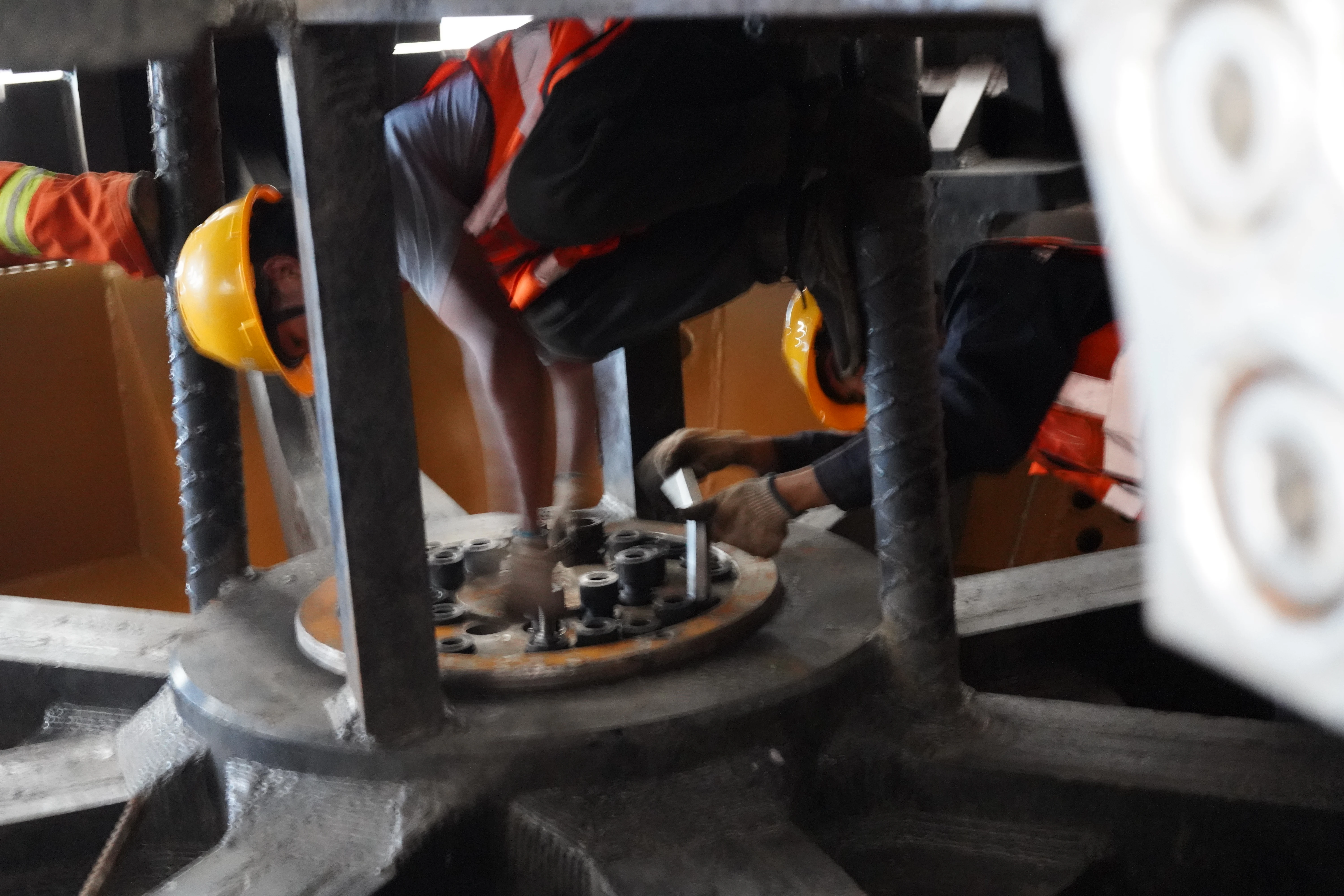
Swap logs: Write down every time you change a cutter on the TBM. Include the date, time, location, and reason for the swap.
-
Wear rates: Track how quickly each cutter wears out. Compare this data to what you expected before the project started.
-
Ground condition reports: Record the type of soil or rock the TBM moves through. Note any changes in hardness or moisture.
-
TBM operating data: Save information from the TBM’s sensors. This includes thrust force, torque, advance rate, and machine stoppages.
-
Cycle time evaluations: Measure how long each TBM cycle takes. Use this to spot delays caused by extra swaps.
-
Geotechnical investigation results: Keep reports from before the project. These help you show what you expected versus what you found.
You can also define reaches of ground conditions based on geotechnical modeling. This helps you set unit rates for excavation in each reach. When you keep these records, you make it easier to prove your case if you need to submit a claim.
To ensure your records are accurate and reliable, train your site teams well. Teach them how to use digital dashboards and controls on the TBM. Show them how to read sensor data and follow emergency procedures. Make sure they know the right steps for routine maintenance. When your team understands these protocols, your records will be more trustworthy.
Linking cutter swaps to contract clauses
You must connect your TBM swap data to the contract. Contracts often describe what ground conditions you should expect. They also explain what happens if you find something different. If you face more challenges than planned, your records can show this.
Start by matching each cutter swap to the ground condition at that spot. Use your logs and reports to show when the TBM hit harder rock or mixed ground. Point out how this caused more swaps and longer cycle times. Compare your actual data to the contract’s expectations.
Many contracts include risk allocation. This means they say who is responsible for extra costs or delays. If the contract says the owner takes the risk for unknown ground, your TBM data can help you claim extra time or money. If the contract sets unit rates for different ground reaches, use your swap logs to show when you worked in a tougher reach.
You can use a table to link your TBM swap data to contract clauses:
|
TBM Swap Event |
Ground Condition |
Contract Clause |
Impact on Project |
|---|---|---|---|
|
Swap #12 |
Hard schist |
4.2.1 |
Delay, extra cost |
|
Swap #18 |
Mixed ground |
4.2.2 |
Slow advance |
|
Swap #25 |
Wet clay |
4.2.3 |
More cleaning |
This table helps you present your case clearly. You show how each TBM swap links to a contract clause and the impact on your project.
Practical steps for claim submission
You can follow clear steps to submit a strong claim when you face challenges with your TBM project. Good preparation makes your claim easier to understand and more likely to succeed.
-
Gather all TBM records: Collect swap logs, wear rates, ground condition reports, and TBM operating data.
-
Review contract terms: Read the contract to find clauses about ground conditions, risk allocation, and variation claims.
-
Match data to contract: Link each TBM swap and delay to the right contract clause. Use tables or charts to make this clear.
-
Explain the challenges: Write a short summary for each event. Describe how the TBM faced harder ground or more wear than expected.
-
Calculate the impact: Show how the extra swaps caused delays or higher costs. Use numbers from your TBM data.
-
Submit your claim: Present your records, tables, and summaries to the project owner or client.
Tip: Train your team to use the TBM’s digital tools. Teach them how to read sensor data and follow maintenance protocols. This helps you keep better records and respond quickly to challenges.
You can face many challenges during a TBM project. When you keep good records and link them to your contract, you build a strong case for your claims. You show that you managed the TBM well and responded to every challenge with clear data and careful planning.
You build stronger variation claims when you keep clear records of TBM cutter swaps. Good data helps you show changes in ground conditions. Accurate logs support your case and improve project outcomes. Make cutter swap tracking part of your claims process and contractor reviews.
FAQ
How do TBM cutter swaps relate to the tunneling method you choose?
You pick a tunneling method based on the ground type. If you swap cutters a lot, you might need to change your plan. This helps you get better results.
Why is a ground support system important during tunnel excavation?
A strong ground support system keeps the tunnel safe. It stops the tunnel from falling in. It also helps hold up the tunnel while you dig.
Can TBM cutter swap data improve tunnel construction claims?
Cutter swap data shows real problems during tunnel building. You can use this to explain why work was slow or cost more. This makes your claims stronger.


