
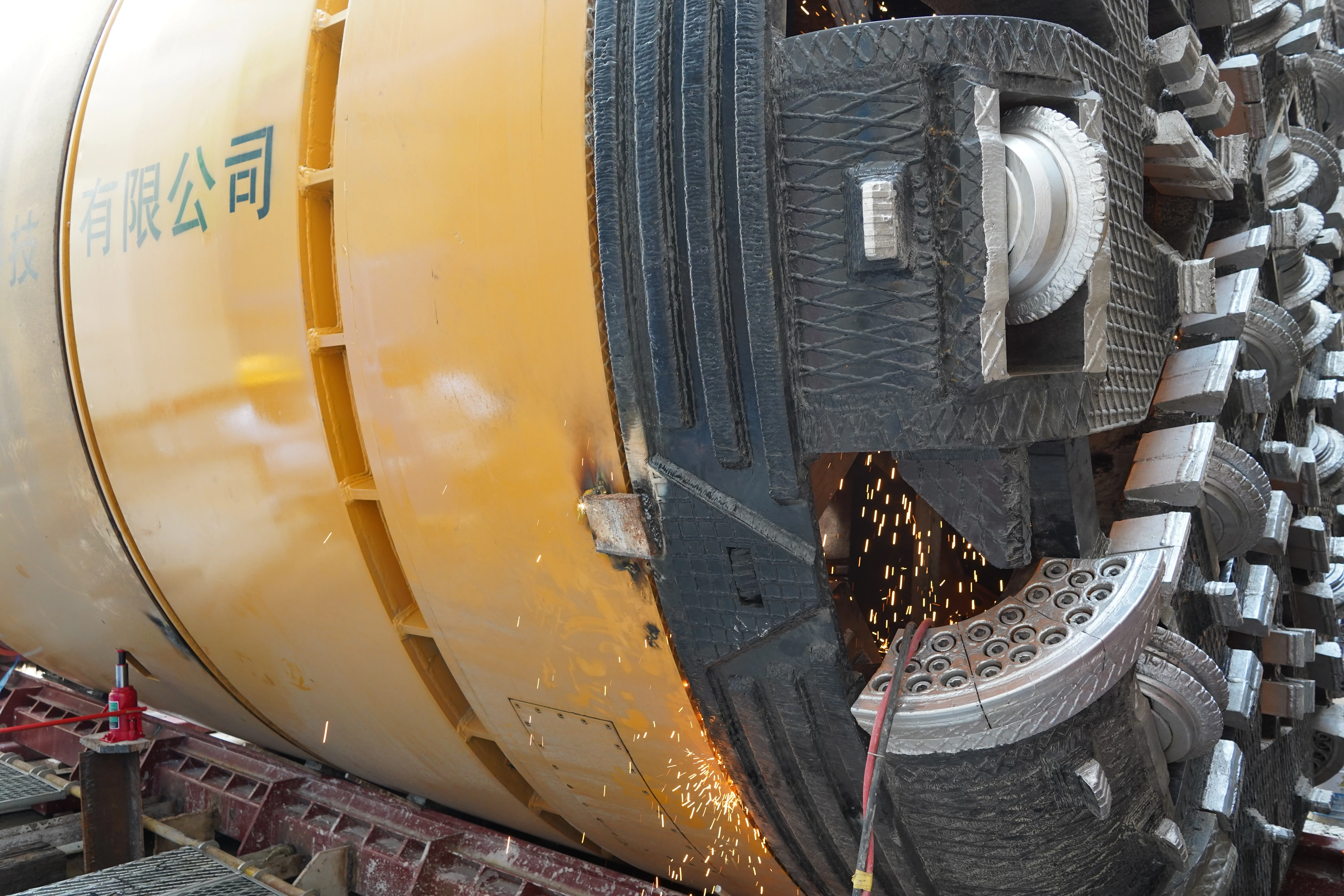
You face significant risks when TBM tunnel data gaps can weaken claim defensibility. Missing records make it challenging to understand what occurred and why, leading to increased disputes. Insufficient documentation puts you at risk for contract and legal issues. CEGC assists you with robust data practices and intelligent technical solutions for tunnel boring machine and microtunnelling machine projects.
Key Takeaways
-
Getting full geotechnical logs and machine records is very important. This information helps you know the ground conditions. It also helps you support your claims.
-
Using real-time monitoring and guidance systems lowers risks. These tools help you watch tunnel performance. They also help keep everyone safe during work.
-
Having the same way to collect data makes your claims stronger. Checking often and writing things down clearly helps you defend against arguments.
TBM Tunnel Data Gaps
Types of Missing Data
You can have problems when you do not have important information during tunnel machine work. These problems show up in different ways:
-
If you do not have geotechnical logs, you cannot know the ground conditions along the tunnel.
-
If machine performance records are not complete, you cannot tell what really happened during tunneling. This makes it hard to prove claims about ground conditions or how the equipment worked.
-
If you do not have face pressure monitoring and settlement data, you are at risk. You need this data to show why ground settlement or face instability happened.
-
If your documentation standards are not good, it is harder to defend delay claims. Real-time records are stronger than looking back later.
Settlement monitoring data is very important for tunnel claims. The table below shows the highest vault settlement and how much settlement was reduced in each tunnel section:
|
Section |
Maximum Vault Settlement (mm) |
Settlement Reduction (mm) |
|---|---|---|
|
I-I |
13.3 |
3.68 |
|
II-II |
15.5 |
58.5 |
|
III-III |
16.6 |
73.4 |
|
IV-IV |
17.1 |
74.5 |
|
V-V |
15.3 |
45.2 |
|
VI-VI |
14.3 |
4.5 |
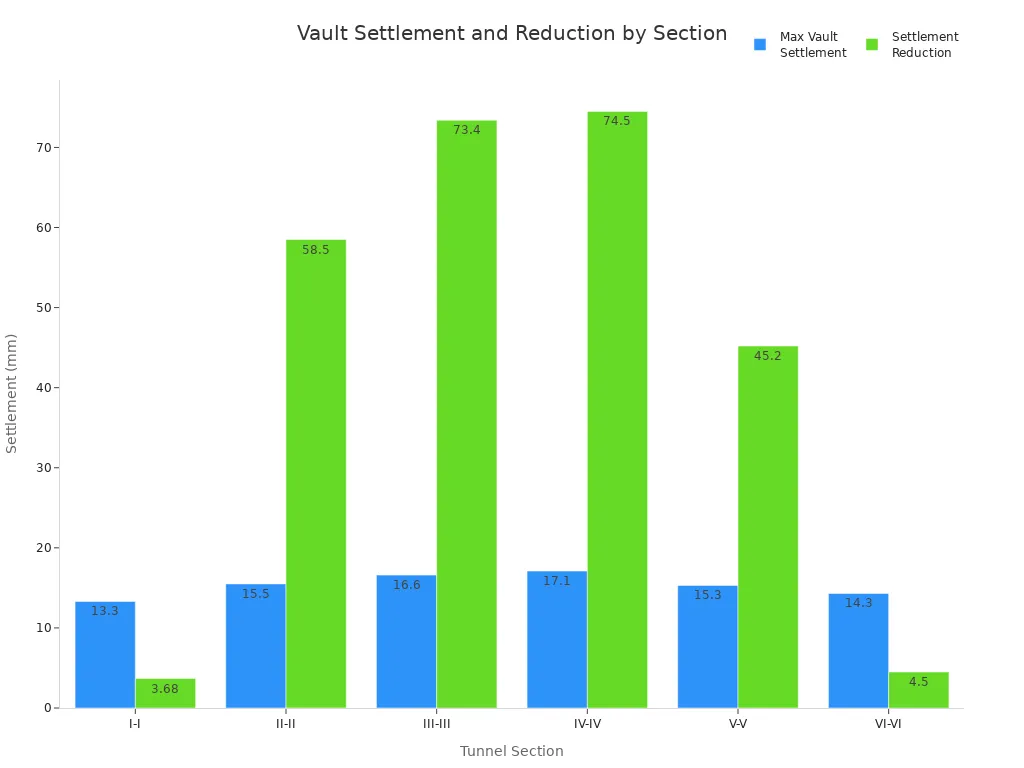
CEGC’s data rules help you lower risk. They make sure you have all the records you need to defend your claims.
Causes of Data Gaps
You face many problems that cause missing data in tunnel boring machine and microtunnelling jobs:
-
You must often change settings right away because of work problems.
-
The ground is not always what you expect, so ground strength and water can change suddenly.
-
It is hard to handle and get rid of muck, which adds risk.
-
Utilities and things under the ground can stop you from collecting data.
-
Sometimes, you must focus on safety instead of writing things down.
You need to fix these problems to lower risk and make your claims stronger.
TBM Tunnel Data Gaps Can Weaken Claim Defensibility
Evidence and Causation Challenges
You have big problems when tbm tunnel data gaps can weaken claim defensibility. If records are missing, it is hard to show what caused things. You cannot always prove why ground settlement happened. This means you might lose your claims. You need clear data to explain face instability or water coming in. Without real-time monitoring, you cannot connect machine actions to ground changes. Safety risks go up when you do not have proof. You may not know if a safety accident was from bad ground or equipment problems.
If you do not have all the data, you cannot show what started a safety accident. You cannot prove if the tunnel boring machine acted right when things changed.
CEGC’s technical solutions help you lower risk and make things safer. You get face pressure control to keep the tunnel face steady. Guidance systems watch thrust balance and stop the tunnel boring machine from moving off track. Advanced sensors give you real-time feedback, so you can react fast and avoid safety problems. Jet grouting makes the ground stronger and stops water from coming in. Compaction grouting keeps the soil from sinking. Permeation grouting makes loose sand stable, so the tunnel stays safe even if some data is missing.
Disputes and Ambiguity
You see more arguments when tbm tunnel data gaps can weaken claim defensibility. Missing records make things unclear. People may argue about what caused ground movement or face instability. If you do not have settlement monitoring, you cannot show how much the ground moved. You risk people seeing the same event in different ways. Safety risks go up when you cannot agree on the facts.
-
Owners or contractors may claim delays or extra costs.
-
You may not have enough data to defend yourself.
-
You risk safety accidents if you cannot prove what happened underground.
You need clear records to stop arguments. CEGC’s guidance systems help you track tunnel alignment and stop mistakes. You get real-time as-built reports, so you can show where the tunnel went. This makes things clearer and lowers safety risks.
Contractual and Legal Risks
You face contract and legal risks when tbm tunnel data gaps can weaken claim defensibility. Contracts say you must collect and keep data about the ground. If you do not have enough records, you could lose claims or get penalties. You need detailed ground descriptions in your contract. You must talk about big interactions with others using project geotechnical data.
-
Good tunnel projects need full geological and geotechnical data.
-
You must test samples and watch instruments.
-
You need old geological maps and geotechnical files to know the ground.
Missing data hurts your legal case. You cannot prove you followed contract rules. You risk safety if you cannot show you followed safety steps. You may have safety accidents if you do not have records of machine work or ground changes.
CEGC’s technical solutions help you defend your claims. You get face pressure control, guidance systems, and real-time monitoring. These tools help you collect the data you need to meet contract rules and lower risk.
Closing Data Gaps for Stronger Claims
Data Collection Best Practices
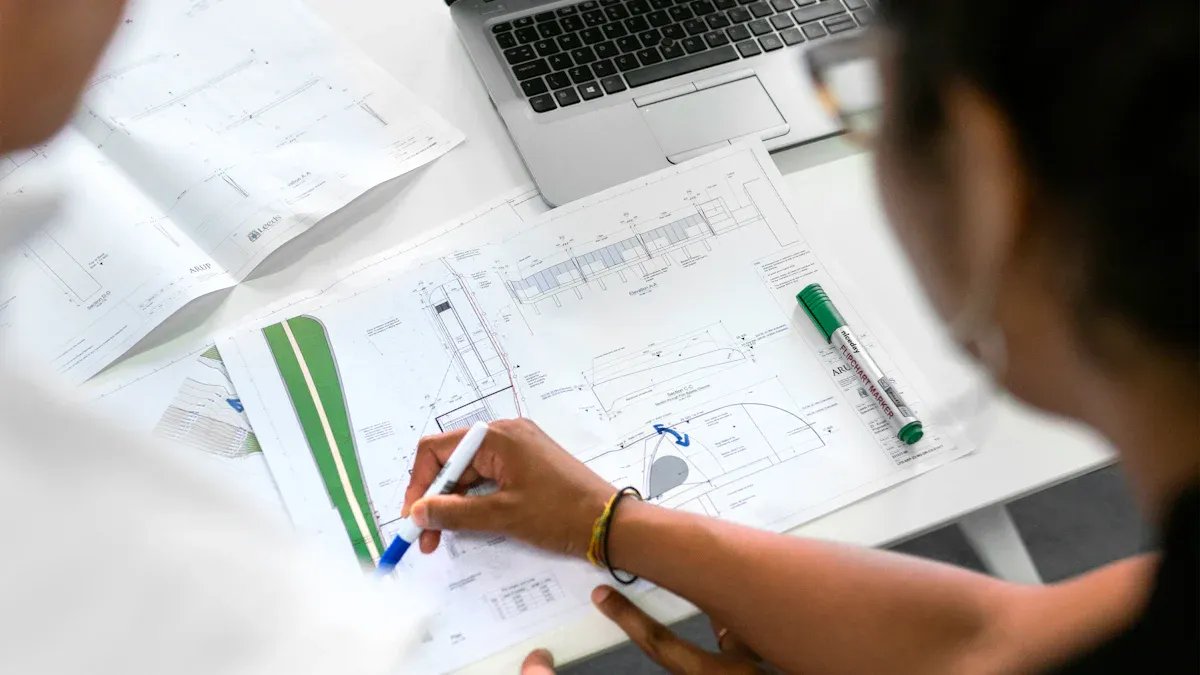
You can make your claims stronger by collecting good data. Start by doing geotechnical exploration to learn about the ground under your tunnel. Use construction data to watch how the ground acts while you work. Always check if the ground is the same as what your contract says. If you find something different, you can use proof to support your claims.
You should make your data collection process the same every time. This helps your records stay clear and easy to compare. When you see delays, look at them closely. Try to find out if the delay is from your team or from moving things around. Use new technology to watch performance and study your data. This helps you find problems early and lowers risk. Collecting the right data also helps you check safety risks. You can measure and compare results, which makes your claims better.
Tip: Using the same data rules and checking delays helps you find the real reason for problems. This makes your work better and helps you check safety risks.
Verification and Management
You need to check your data to make sure it is correct. Use methods like PCA with ensemble normalization to keep only the most important data. K-means clustering helps you put similar data together and learn about rock mass parameters. Zero-mean normalization gets your data ready for better study. These steps make your safety risk checks more trustworthy.
Guidance integration systems help you track and watch things closely. Real-time data analysis lets you see problems right away. Scalable monitoring helps you watch ground movement and check safety risks. CEGC’s modular design and project-based customization make it easier to fix data gaps. You can use pre-grouting before tunnels to lower risk and make safety checks better.
You have more problems when TBM tunnel data gaps weaken claim defensibility. Good data habits and CEGC’s technical tools help you make strong claims. Here are some important things to remember:
-
Good geological checks and watching the tunnel all the time stop delays.
-
Keeping separation logs and real-time records helps you show what happened and back up your claims.
Make sure your data is correct to get better results on your project.
FAQ
What data should you always collect during a tunnel boring machine project?
You need to collect geotechnical logs. You should also get machine performance records. Face pressure data is important to have. Settlement monitoring is needed too. These records help you prove your claims. They also help you control risks.
How does CEGC help you close tunnel data gaps?
CEGC gives you modular tunnel machine designs. They have guidance systems that work together. You get real-time monitoring with these tools. They help you collect the right project data. You can check and manage your data easily.
Why do missing records increase your project risk?
If you do not have all the records, you cannot show what happened. You might have more arguments, safety problems, and legal trouble without good records.


