
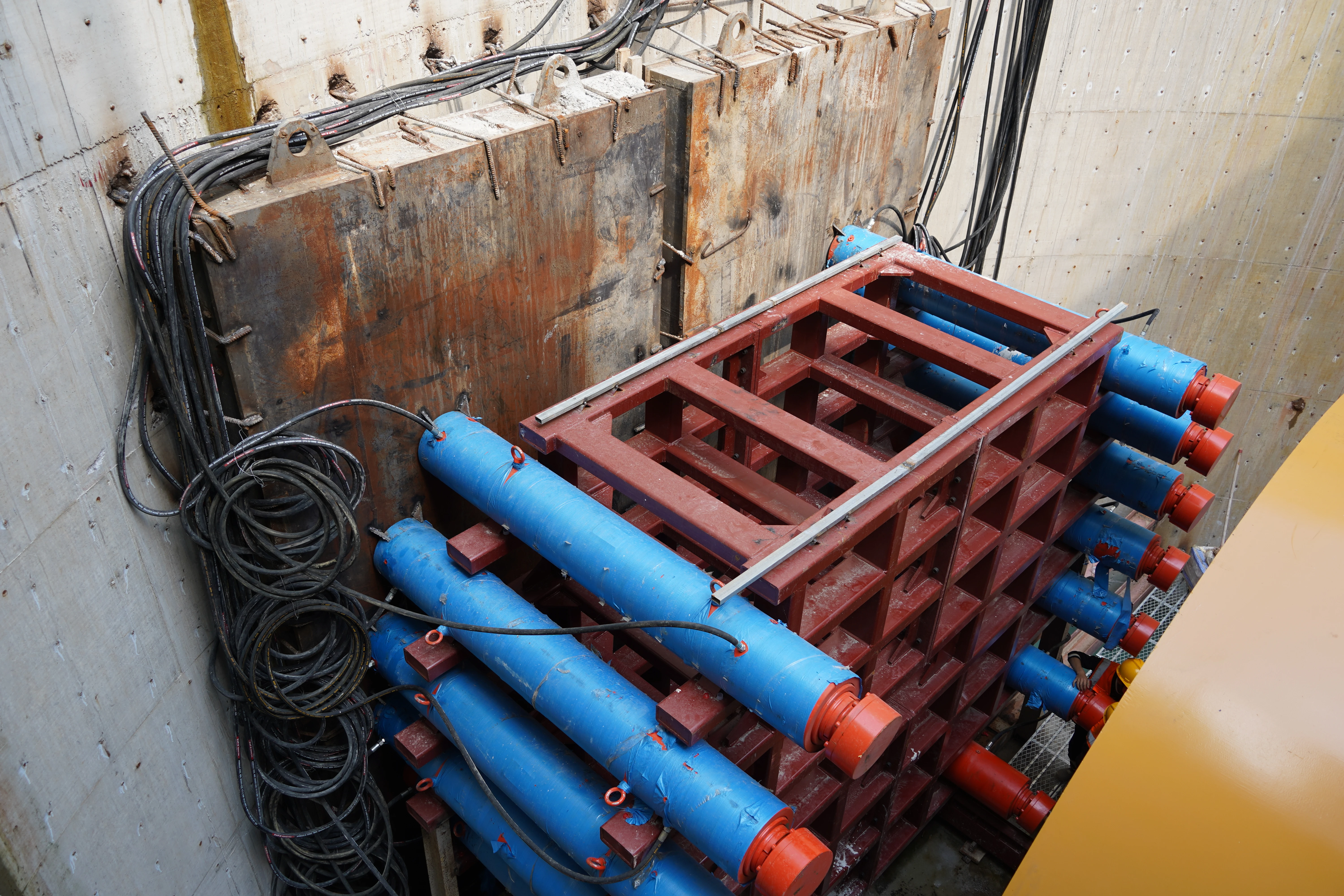
To protect your schedule buffer in tunneling projects, TBM tunnel discharge stability is essential. CEGC delivers advanced tunnel boring machine solutions designed to address ground settlement, face instability, water ingress, cutterhead wear, alignment deviation, and complex logistics. With real-time monitoring, CEGC ensures TBM tunnel discharge stability protects schedule buffer, helping you manage risks and keep your project on track.
Key Takeaways
-
Knowing about TBM tunnel discharge stability is very important. It helps muck get removed easily. This stops delays and keeps your project on time.
-
Tools that watch and predict problems help find issues early. This means you can fix things fast. Your tunneling project stays on schedule and costs less.
-
Changing your tunnel boring machine for your project makes it work better. CEGC gives special solutions to keep discharge stable and lower risks.
TBM tunnel discharge stability and schedule buffer
Defining discharge stability in tunnel boring machine operations
It is important to know what discharge stability means when using a tunnel boring machine. Discharge stability is when the machine takes out broken rock and soil without problems. If the machine cannot remove debris fast enough, the cutterhead can get worn out or damaged. The mucking slot must be able to carry the right amount of broken rock. If the slot is not designed well, debris can pile up and slow down the machine. This makes the machine work less well and can cause the project to be late. You want a tunnel boring machine that keeps discharge steady so you do not have to stop work and your project stays on time.
CEGC has tunnel boring machine and microtunnelling machine choices that focus on keeping discharge stable. You can pick machines with normal features or ask for special designs. CEGC lets you choose the pressure, sealing, and muck transport parts that fit your job. These choices help the machine work well and lower the chance of problems.
Tip: Always look at the discharge system before you start the tunnel boring machine. This helps you stop blockages and keeps your project going.
Schedule buffer and its role in project management
A schedule buffer helps keep your project on time if something goes wrong. The schedule buffer gives you extra time to fix problems. When you use a tunnel boring machine with steady discharge, you protect this extra time. TBM tunnel discharge stability protects schedule buffer by stopping delays and keeping the digging going.
If you lose discharge stability, you might have delays and spend more money. CEGC’s tunnel boring machine and microtunnelling machine choices help you avoid these problems. You can change the machine to fit your job, which helps keep your schedule buffer safe. TBM tunnel discharge stability protects schedule buffer and helps your project do well.
Risks of discharge instability and real-time prediction
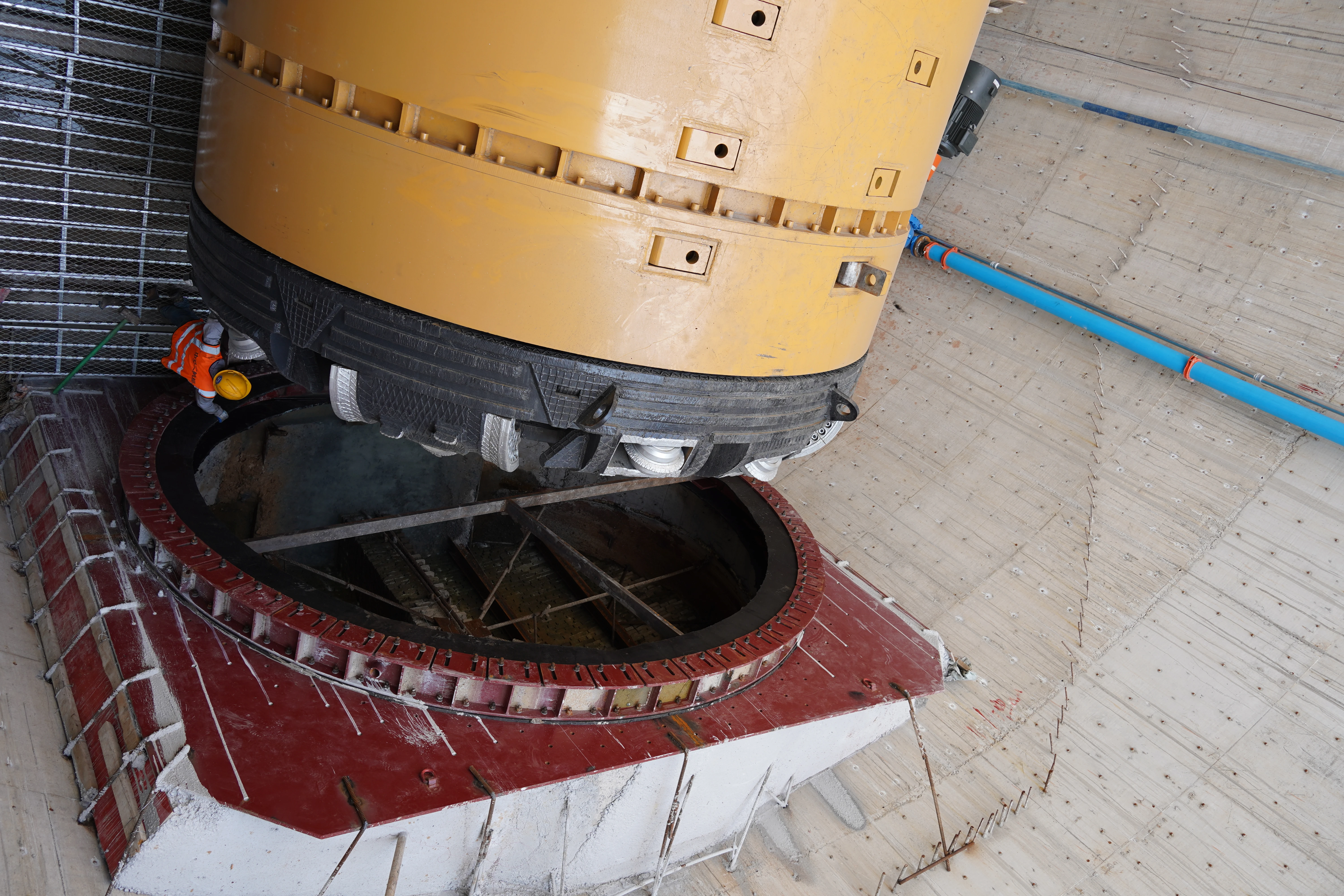
Common causes: blockages, overflows, sedimentation
When you use a tunnel boring machine, there are many risks. Discharge instability can stop work and make your project late. Blockages, overflows, and sedimentation are some main problems. These can cause ground settlement, face instability, water ingress, cutterhead wear, and alignment deviation. You need to know what causes these issues to keep your project safe.
Here is a table that lists the most common reasons for discharge instability in TBM tunnel projects:
|
Cause |
Explanation |
|---|---|
|
Changes in slurry density can make pressure hard to control and increase how much you need to watch the system. |
|
|
Geological conditions |
Faults with high hydraulic conductivity can let mud or water in, which may cause collapse or ground sinking. |
|
Equipment performance |
If you do not manage face pressure well, you can lose ground and have instability. |
|
Shallow cover depth |
If face pressure is too high, the ground above can move or even collapse. |
|
Mixed ground conditions |
Uneven face pressure can cause too much digging and make things unstable. |
|
Faults |
Faults can cause shear failure and let mud or water in, which may lead to blow-outs and ground problems. |
|
Weathering |
Weathering makes it harder to keep face pressure steady, which can cause collapse or too much ground sinking. |
Slurry density, ground conditions, and machine performance all matter. If you do not control these, you get more blockages and overflows. Sedimentation can build up in the slurry line and slow muck removal. This can cause downtime and make your costs go up.
Impact on schedule buffer and project costs
If you lose discharge stability, your schedule buffer is at risk. TBM tunnel discharge stability protects schedule buffer by keeping work moving. Blockages or overflows mean you must stop the machine. This wastes time and costs more money. You might also get claims if ground settlement or face instability happens.
You want to avoid these problems. If you do not, your project budget will suffer. You might pay for extra repairs or get penalties for being late. You also have to handle more complex logistics, which makes fixing things harder. TBM tunnel discharge stability protects schedule buffer by lowering these risks.
CEGC’s technical solutions can help you. Closed-mode face support keeps the face steady. Soil conditioning and sealing systems control slurry flow and stop water from getting in. Guidance and modular design help you keep alignment and make repairs easier. Service systems give you help when you need it.
Real-time monitoring and prediction for risk mitigation
Real-time monitoring and prediction can help keep your project safe. Real-time systems let you spot problems before they get worse. You can check slurry density, face pressure, and muck discharge volume with real-time data. Automated systems can take samples every three seconds. This gives you quick feedback and helps you act fast.
Real-time prediction uses smart models to guess what might go wrong. AI-driven guidance systems help you adjust your machine right away. These systems help you keep the right face pressure and slurry flow. Time-series models and multi-step prediction let you see trends and stop problems early. Deep learning models can make predictions more accurate.
You can connect real-time monitoring to your TBM controls. This lets you fix problems as soon as you see them. High-density slurry can form filter cakes and keep the face steady. Real-time prediction helps you protect your schedule buffer and avoid delays.
Here are some ways real-time prediction helps you:
-
Predictive analytics can tell you when to do maintenance.
-
Automated systems lower human mistakes and keep the machine working.
-
Sensor networks give you updates all the time.
-
You can use PERT and other models to check risk and make better choices.
-
Real-time data helps you make more accurate predictions.
You want your project to stay on track. TBM tunnel discharge stability protects schedule buffer when you use real-time prediction and monitoring. These tools help you lower risk, improve accuracy, and keep your project safe.
Best practices for discharge stability and schedule protection
Operational and environmental factors
You need to know how operational and environmental factors affect your tunnel boring machine. These things can change how well your slurry separation plant works. They also affect how steady your discharge system is. If you manage these factors, you protect your schedule buffer. This also helps your construction go faster.
Here is a table that shows the main operational factors and how they impact discharge stability:
|
Operational Factor |
Impact on Discharge Stability |
|---|---|
|
Separation Stability |
Keeps slurry density and viscosity steady, which helps with filter cake and face pressure. |
|
Consistent Feed Conditions |
Controlling flow rate and pre-screening keeps separation working well. |
|
Equipment Maintenance |
Checking cyclone apex valves, screen mesh, and pump impellers often keeps things running right. |
|
Process Monitoring |
Watching density meters and flow meters in real time helps you fix problems fast. |
You also need to pay attention to environmental factors. Groundwater and soil type can change your tunneling project a lot. Water coming in can make pore water pressure go up and rocks less stable. This can make rocks move faster and cause trouble for your tunnel boring machine. If groundwater changes the minerals in the soil, the rock can get weak and slow down tunneling. Not enough water can make mud cakes. Too much water can make the tunnel go faster but might hurt rock support. You have to control water coming in to keep tunneling safe and steady.
Here is a table that explains how environmental conditions affect TBM discharge stability:
|
Evidence Description |
Impact on TBM Discharge Stability |
|---|---|
|
Water coming in raises pore water pressure and makes rocks unstable. |
Makes cementing material wash away and rocks move faster. |
|
Groundwater changes minerals and causes reactions. |
Makes rocks unstable and slows drilling. |
|
Different water levels change mud and TBM speed. |
Not enough water makes mud cake, too much can speed up but hurt rock support. |
|
Controlling water is important for safe tunneling. |
Keeps tunneling steady and lowers safety risks. |
Tip: Always watch both operational and environmental factors in real time. This keeps your slurry separation plant working well and protects your schedule buffer.
Real-time management and technical solutions
You can use real-time management to keep your tunnel boring machine working well. Real-time monitoring lets you see changes in slurry density, flow, and pressure right away. This helps you act fast and stop problems before they slow down tunneling. Real-time prediction uses forecasting and AI to find trends and warn you early. You can use this to plan maintenance, change machine settings, and keep your discharge system steady.
Here are some technical solutions that help keep discharge stable:
|
Technical Solution |
Description |
|---|---|
|
Dewatering Systems |
Built to handle tough slurries, manage groundwater, and meet discharge needs. |
|
Pre-excavation Grouting |
Used to stop water from getting in and make things steady before digging starts. |
|
Water-sealing Gaskets |
Added to control water and stop leaks during tunneling. |
|
Angled Hole Drilling |
Used to make grouting and water sealing work better. |
You should use a strong slurry treatment system and steady slurry recycling to keep your plant working well. Watching your slurry separation plant in real time helps you keep the right density and flow. This protects your schedule buffer and makes tunneling faster.
-
Use real-time sensors to check slurry density and flow.
-
Use real-time prediction and forecasting to find problems early.
-
Plan regular maintenance for your tunnel boring machine and slurry plant.
-
Use pre-excavation grouting and water-sealing gaskets to control water.
-
Pick a tunnel boring machine with features that fit your ground.
Note: Real-time prediction and forecasting help you make good choices and keep your project on time.
Customization and project support from CEGC
You get the best results when you pick a tunnel boring machine that fits your project. CEGC lets you customize every part of your tunneling system. You can choose the right pressure, sealing, and slurry separation plant setup. CEGC also gives you project support like training, setup help, and spare parts planning. This support helps your tunnel boring machine keep running and keeps your schedule buffer safe.
CEGC’s service packages include:
-
Custom tunnel boring machine and microtunnelling machine design for your ground.
-
Real-time monitoring and prediction tools for your slurry separation plant.
-
Project support with expert advice and on-site help.
-
Maintenance planning and spare parts kits to lower downtime.
-
Modular assembly for quick setup and easy moving.
When you use CEGC’s solutions, you get real-time data, prediction, and forecasting to help you decide what to do. This helps you handle problems, work faster, and protect your schedule buffer. TBM tunnel discharge stability protects schedule buffer and keeps your tunneling project on track.
Callout: Pick CEGC for tunnel boring machine solutions you can change, real-time monitoring, and expert support. You will see your construction go better and have fewer delays.
You can see how tbm tunnel discharge stability keeps the schedule buffer safe. You need to watch things in real time at every step. Real-time feedback lets you fix problems quickly. Sensors check torque and ground movement as you work. Analytics use digital twin and BIM to help you understand what is happening. Real-time systems make sure everyone stays safe. Data from real-time checks helps you get better results. Real-time tools help lower risks. Prediction in real time helps you stay ready. Real-time management helps your project do well. CEGC’s real-time solutions help your team succeed.
-
Real-time monitoring systems give fast feedback.
-
Real-time integration makes work safer and faster.
-
Real-time sensors and analytics check all TBM details.
-
Real-time digital tools help keep your schedule safe.
FAQ
What is TBM tunnel discharge stability?
You keep TBM tunnel discharge stable when you remove muck smoothly. This helps your tunnel boring machine work well and protects your project schedule.
How does real-time monitoring help my project?
You use real-time monitoring to spot problems early. This lets you fix issues fast and keep your schedule buffer safe.
Can I customize a CEGC tunnel boring machine for my project?
You can choose features like pressure, sealing, and slurry systems. CEGC helps you match the tunnel machine to your ground and project needs.


