
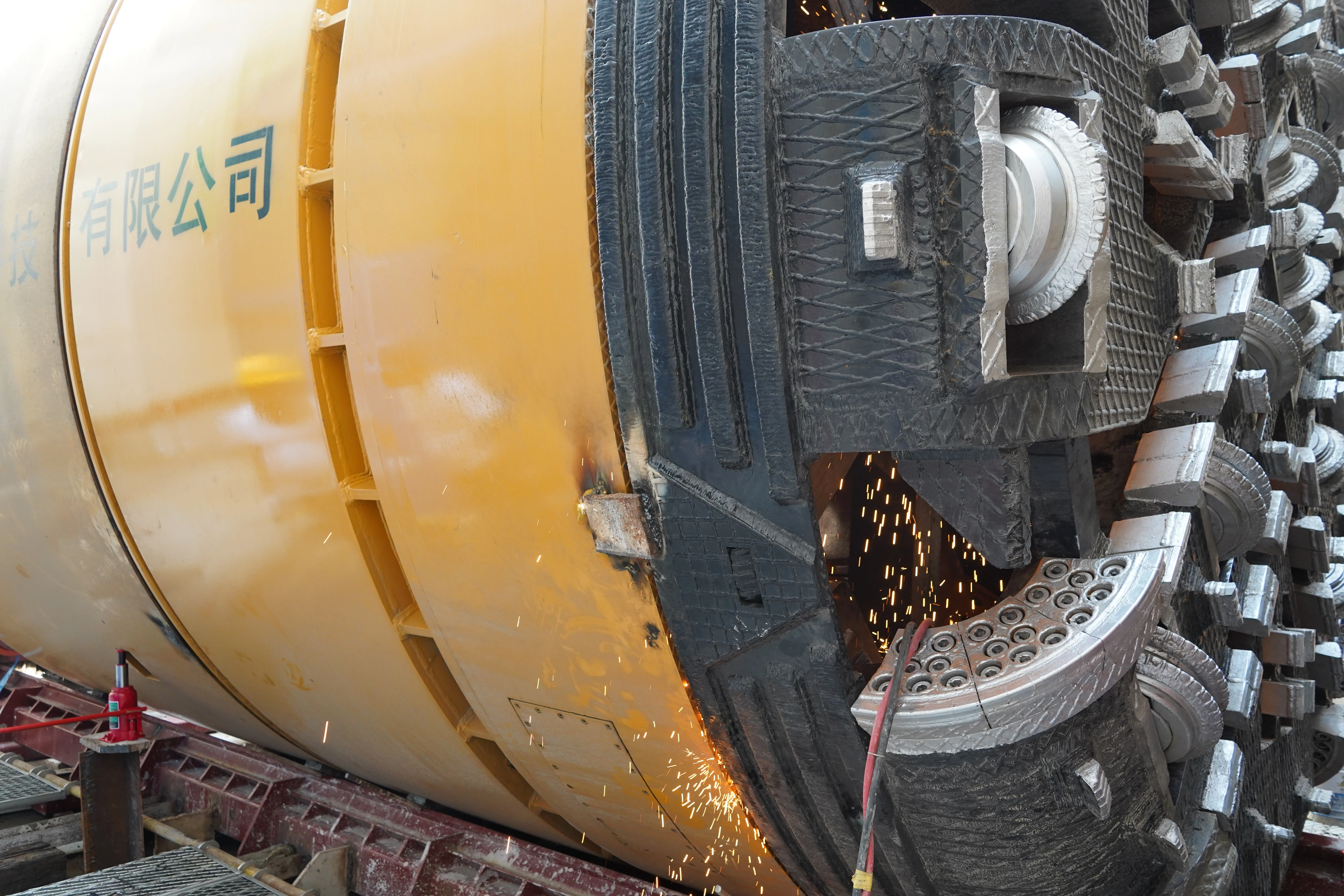
Paying attention to TBM tunnel grout control reduces surface repair scope and can save you money on repairs. This process is essential as it helps prevent ground loss and surface sinking. To ensure you select the right Microtunnelling Machine for your project, CEGC assists you in making informed decisions by considering:
-
Accurate subsoil descriptions
-
Comprehensive subsoil studies
Key Takeaways
-
Good TBM tunnel grout control means less surface repair is needed, which saves both time and money. - Picking the best Microtunnelling Machine and grout system is very important for the project to work well and keep the ground steady. - Using smart steps, like watching for ground movement and using the right grout pressure, makes the tunnel safer.
TBM tunnel grout control reduces surface repair scope
Grout control in TBM tunneling
It is important to know how tbm tunnel grout control helps lower the need for fixing the ground above the tunnel. Grouting fills the space between the tunnel lining and the ground, which is called the annular gap. This stops the ground from moving into the tunnel and keeps water out. Grouting also helps hold the tunnel lining in place so it does not shift.
Here is a table that lists the main jobs of grout control in tunneling:
|
Function |
Description |
|---|---|
|
Filling voids |
Grouting fills the space between the tunnel lining and the soil. |
|
Minimizing surface settlement |
It reduces the sinking of the ground above the tunnel. |
|
Preventing segmental lining from floating |
Grouting holds the tunnel lining down against water pressure. |
|
Stress distribution |
It spreads out the forces on the tunnel lining. |
|
Groundwater prevention |
Grouting blocks water from entering the tunnel. |
Tbm tunnel grout control helps stop problems before they reach the surface. If you do not use enough grouting, you might see cracks, holes, or bumpy ground above the tunnel.
How grout prevents surface settlement
Grouting is very important for keeping the ground above the tunnel safe. When grout is put into the annular gap, it fills empty spaces that could make the ground sink. This is called shield tail gap grouting. If these spaces are not filled, the ground can move and cause trouble on the surface.
Here are some ways grouting helps stop the ground from sinking:
-
Grouting supports the tunnel lining so it stays in place.
-
It keeps water out of the tunnel, which stops soil from washing away.
-
It spreads the tunnel’s weight so the ground does not sink in one spot.
-
It keeps the tunnel parts from moving around.
How well grouting works depends on a few things. These are the type of grout, how it is put in, and the kind of soil. Other factors include how fast the grout hardens and how much pressure is used.
Sometimes, engineers found that using the right amount of grout at the right time kept the ground from moving too much. For example, synchronous grouting can keep settlement less than 70% of what is allowed. If you work in loose sandy soil, you must be extra careful because the ground can move more easily.
Machine selection and grout systems
Picking the right Microtunnelling Machine is key for good grouting and tunneling. You need to match your machine and grout system to the ground. There are different machines for different jobs:
-
Slurry Microtunnelling Machines are good for soft ground with lots of water. They use slurry to hold up the tunnel face and move soil out.
-
Auger Microtunnelling Machines are best for short tunnels in strong, sticky soils. They use a screw to take soil out of the tunnel.
-
Rock Microtunnelling Machines have tough cutters for hard rock. They need special grout systems for filling gaps in hard ground.
-
Mixed Ground Machines can work when the ground changes from soil to rock.
You should always start with a good ground check. This helps you pick the best machine and grout system. CEGC can help you choose equipment, give advice, and support your project. Their team looks at your project and tells you the best way to go.
Here is a table that shows how CEGC helps your project:
|
Service Area |
Description |
|---|---|
|
Equipment Selection |
CEGC designs and supplies machines for your specific ground conditions. |
|
Technical Consulting |
CEGC helps you plan your project and choose the right equipment. |
|
Engineering Support |
CEGC provides support for tunneling, pipe jacking, and microtunnelling. |
When you use the right machine and grout system, tbm tunnel grout control helps lower the need for fixing the ground above the tunnel. This also keeps your project safe and on time.
Surface repair issues and prevention
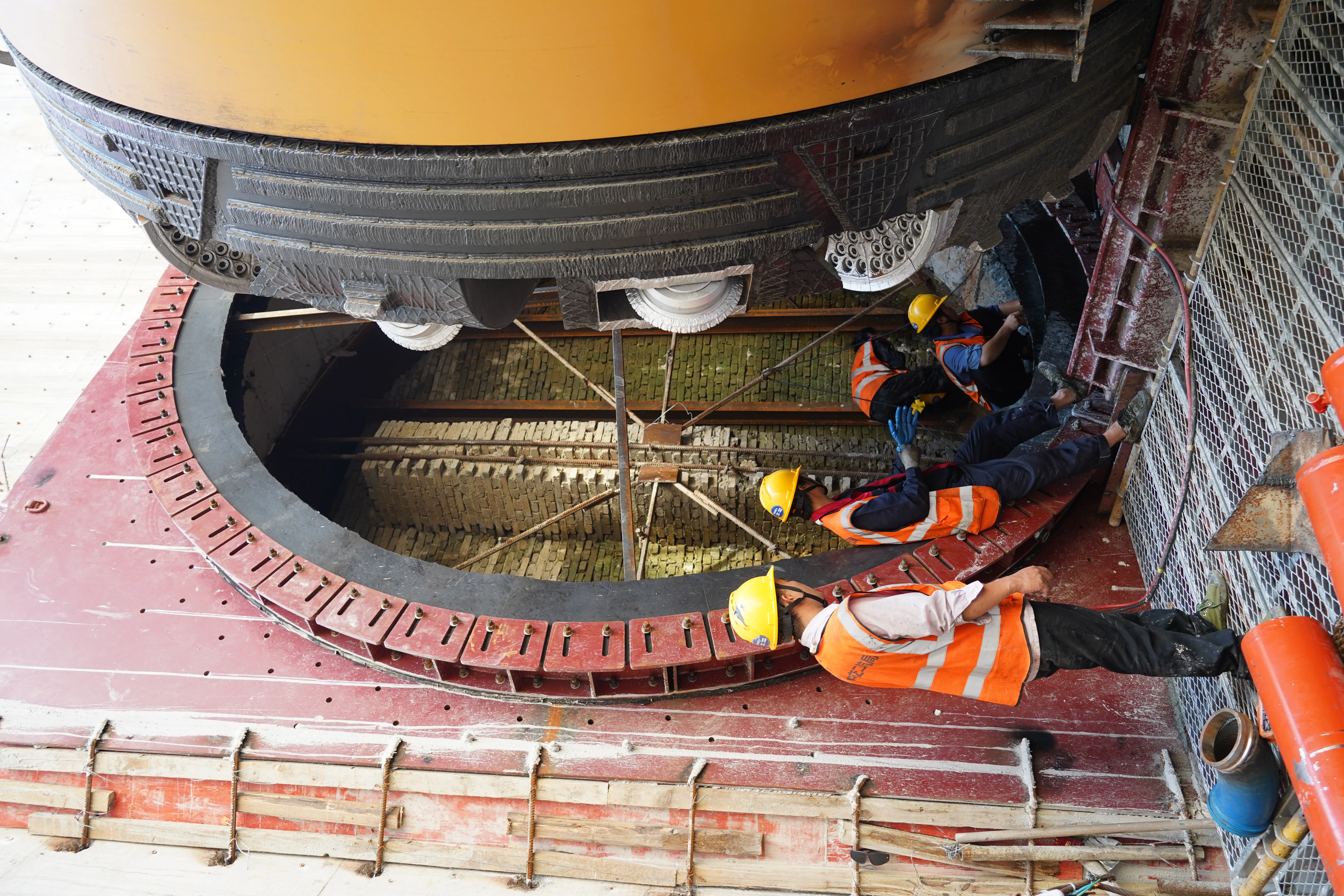
Common surface problems from poor grout control
If you do not use the right grouting, you might see problems on the ground above the tunnel. These problems can cost a lot to fix and can be dangerous.
Faults can make the ground break along weak spots and change shape. This can cause the ground to fall in, sink, or let mud and water get in. If the tunnel is not deep, the ground above can move even more. If the ground keeps moving, it might fall in.
Here are the main problems you might see:
-
The ground can sink because of digging too much or losing soil.
-
The tunnel can become less stable if the ground moves sideways or closes in.
-
Holes can open up if empty spaces in the soil fall in.
-
Cracks can show up in roads or buildings above the tunnel if grouting is not done well.
Mechanisms for minimizing surface damage
You can stop these problems by picking the right grouting way and machine. Good grout control keeps the ground steady and helps the tunnel stay strong. The table below shows ways to lower surface damage:
|
Mechanism |
Description |
|---|---|
|
Grout Injection Pressure |
You need to set the right pressure when filling gaps to stop the ground from sinking. |
|
Grout Stiffness |
Harder grout spreads out weight and keeps the tunnel from moving up or down. |
|
Geometry of Void Spaces |
Filling all empty spaces behind the tunnel parts is important for keeping the ground steady. |
|
Soil Density |
Thicker soil helps grout spread and keeps the tunnel safe while digging. |
Some big projects, like the San Francisco Central Subway and Bahce-Nurdag High Speed Rail Tunnels, used smart grouting and control systems. These projects showed that careful grouting and picking the right machine can help avoid lots of repairs and keep the tunnel strong.
Best practices for grout control
You should follow these tips to keep your tunnel safe and lower repair needs:
-
Use good grouting systems that let you control how much grout goes in for strong support and to keep water out.
-
Act fast if the ground changes by using grout plants that can be moved.
-
Check if the tunnel is straight and if the grouting works with tools that show results right away.
-
Watch the ground for any movement so you can change how you dig or grout.
-
Use extra grouting in cities to stop the ground from sinking and protect buildings.
-
Use special tools like ground-penetrating radar to check if the grout is good.
-
Plan your tunnel with full ground checks to make sure it stays safe.
If you follow these steps, your tunnel will be stronger, the ground above will be safer, and your project will go well.
You can fix less surface damage if you use good TBM tunnel grout control. Experts say you should do these things for your project to work well:
-
Pick the tunnel machine that fits your ground.
-
Set grout pressure so it matches the groundwater.
-
Prepare the soil and add grout in risky places.
|
Resource |
Type of Guidance |
Contact Information |
|---|---|---|
|
Grouting equipment and wall support |
sales@amixsystems.com, +1 (604) 746-0555 |
For the best help, ask CEGC about which machine and grout system to use.
FAQ
What is the best Microtunnelling Machine for sandy soil?
A slurry Microtunnelling Machine is the best choice. It works well in sandy soil. This machine helps keep the tunnel stable. Proper grout control is important for safety.
Can you use ground improvement techniques with TBM tunneling?
Yes, you can use ground improvement techniques. These methods make weak soil stronger. They help lower settlement and make tunnels safer.
How do you check tunnel stability during construction?
You check tunnel stability by using control measurements. These measurements track movement. They help make sure the tunnel stays safe.


