
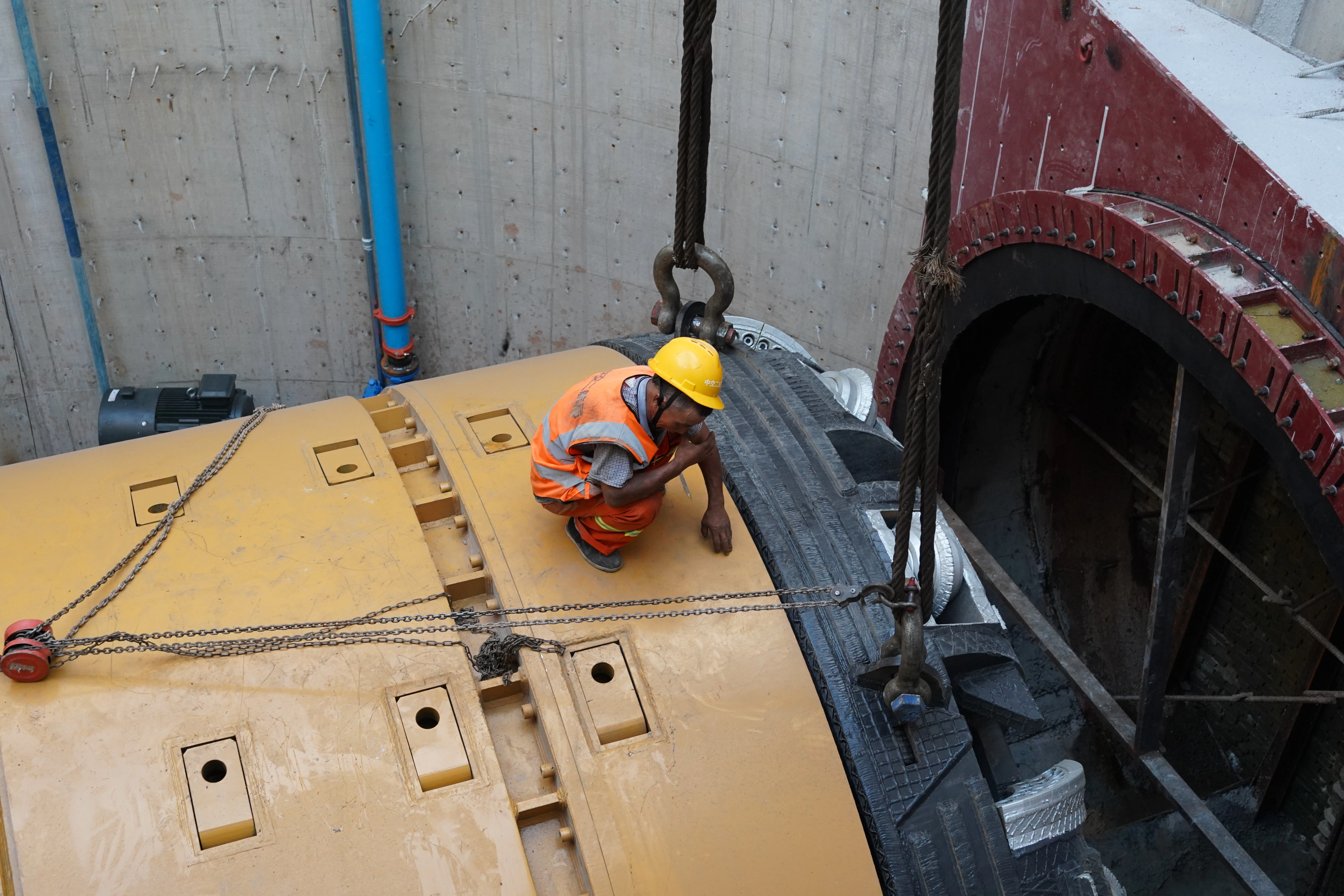
TBM tunnel heat spikes often follow discharge problems, as friction and pressure increase when discharge is not properly managed. CEGC provides solutions to control discharge and keep your tunnel machine safe. With the right TBM tunnel boring machine and Microtunnelling Machine from CEGC, you can prevent settlement, instability, water ingress, cutterhead damage, alignment issues, and project delays.
Key Takeaways
-
Manage discharge systems to stop heat spikes in TBM tunnels. Good control keeps friction low and pressure down. This makes tunnel work safer.
-
Check cutterhead temperature often to find problems early. This stops expensive repairs and keeps your tunnel project moving forward.
-
Use smart automation and AI guidance for better results. These tools make tunnel boring safer and more efficient.
TBM tunnel heat spikes often follow discharge problems
Discharge failures and heat buildup
Sometimes, tbm tunnel heat spikes often follow discharge problems. When you use a tunnel machine, you must keep slurry and muck moving. If the discharge system stops working, friction inside the tunnel goes up. This extra friction makes more heat. Pressure inside the tunnel also gets higher, making things worse.
Let’s see how flow problems cause heat:
|
Evidence Description |
Explanation |
|---|---|
|
Faster rotation speeds lead to inefficient debris removal |
This makes blockages that add to heat and cause failures. |
|
Circumferential flow dominates at high speeds |
This movement keeps debris from reaching the discharge opening, so it piles up and makes more heat. |
|
Pump settings influence debris movement |
Changing pump flow can help clear debris or make it stay, which changes heat and discharge efficiency. |
If you do not control the flow, mud cake can cover the cutterhead. This mud cake can make the cutterhead hotter than 60 °C. The mud gets sticky and is hard to clean off. This can slow down your tunnel boring machine and put your crew at risk. You must keep the flow steady to stop these problems.
Mechanical impact on TBM tunnel boring machine
Discharge failures do more than cause heat. They can also hurt your tunnel boring machine. If muck and rock cannot leave the tunnel, they pile up near the cutterhead. This makes more stress on the machine. The cutterhead wears out faster. You might have to stop work to fix or change parts. This costs more money and slows your project.
You can see these problems in many city projects. If you do not control the flow, the ground can settle and become unstable. Water can also leak in. These problems can cause claims, work stoppages, and safety dangers. You need a good discharge system to keep your tunnel boring machine working well.
Role of pumps and muck transport
Pumps are very important for handling discharge and stopping tbm tunnel heat spikes often follow discharge problems. Pumps like the Rexroth A4VSG series help your tunnel machine move slurry and muck out. They work with high pressure and high flow. If the flow changes or the pump gets too hot, you can get pressure spikes and more heat in the tunnel.
Here are some key facts about pumps and muck transport:
-
Pumps give power to the cutterhead and thrust systems.
-
They must handle changes in load during tunneling.
-
Flow problems or too much heat can break pumps.
-
Too much heat can ruin seals and oil, causing more problems.
-
You must check oil film stability to keep pumps working.
If you use a Microtunnelling Machine or a TBM tunnel boring machine from CEGC, you get better discharge and flow control. This helps stop heat spikes, lowers cutterhead wear, and keeps your project going. Good discharge control also helps with complex logistics and alignment problems. You can finish your tunnel safely and on time.
Solutions for TBM tunnel heat spikes and discharge issues
Face support and ground protection
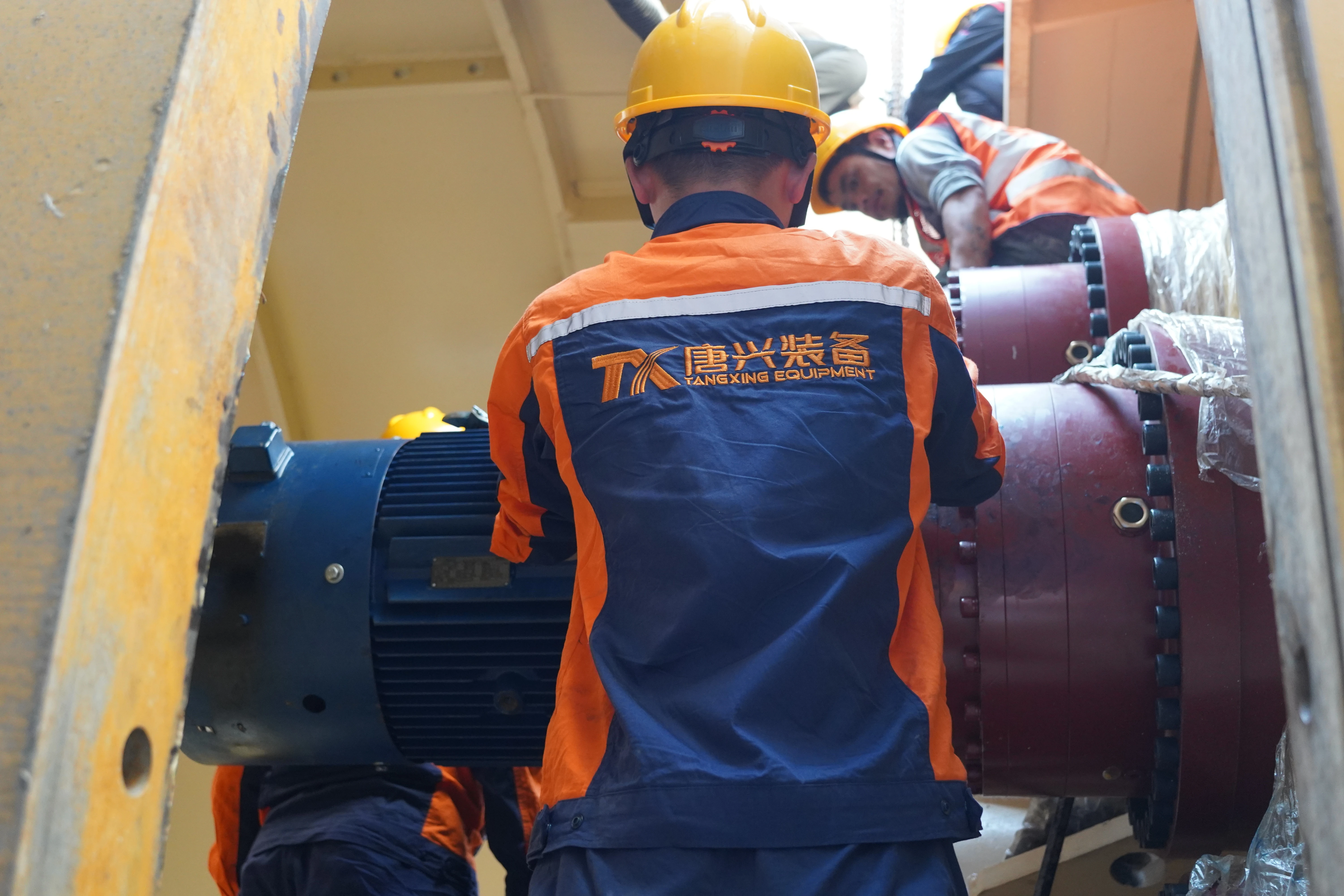
You can stop tunnel heat spikes by using closed-mode face support and soil conditioning. CEGC’s tunnel boring machine and Microtunnelling Machine keep the face pressure steady and protect the ground. Foam is the main thing used for conditioning. You make foam by mixing surfactant solution with compressed air. The right amount of foam helps muck move and stops blockages.
|
Evidence Description |
Key Insights |
|---|---|
|
Testing TBM spoil during construction |
Watching spoil properties helps you handle moving and getting rid of it. |
|
Laboratory soil conditioning tests |
You can change how you condition the soil based on how the TBM works and the ground. |
|
Foam Expansion Ratio, Injection Ratio, Surfactant Concentration |
These numbers show how well foam works in your tunnel. |
You should check spoil properties and change soil conditioning at every stage. This keeps the tunnel face safe and lowers heat spikes.
Cutterhead wear management
Taking care of cutterhead wear helps stop heat spikes. You need to check the cutterhead temperature a lot. Mud cake can build up and make the cutterhead hotter than 50 °C. CEGC’s machines use special cutterhead setups and steady torque. You plan when to replace or check cutters to keep the machine working well.
-
Watch cutterhead temperature to find mud cake early.
-
Plan regular checks and cutter changes.
-
Use wear systems to stop sudden shocks.
These steps help you avoid sudden stops and keep tunneling safe.
Guidance and modular design
Guidance systems and modular design make the machine more stable. You can watch thrust levels live and change them fast. AI-powered systems guess what will happen and make the machine work better. Modular design makes fixing things easier and saves time.
-
Live thrust checks keep your TBM tunnel boring machine going straight.
-
Modular parts let you fix things fast and keep working.
-
Maintenance plans use easy checks and live data.
CEGC lets you pick guidance packages and modular setups. You get the specs you need and help for your project. This keeps your tunnel machine strong and working well.
You can get heat spikes in TBM tunnels if discharge problems start. CEGC’s tunnel boring machine solutions help you control discharge and keep your project safe. You should check discharge systems often to avoid trouble. If you upgrade your TBM with smart automation and real-time data, you get better results.
|
Benefit |
|
|---|---|
|
Advanced Automation Systems |
Make work safer and faster |
|
AI-Driven Guidance Systems |
Help the tunnel machine work better |
|
Predictive Maintenance |
Stop long breaks in work |
FAQ
What causes heat spikes in TBM tunnels?
Heat spikes happen when the discharge system does not work. Friction goes up fast. The tunnel boring machine has to work harder. This makes it get hotter.
How does debris discharge affect tunnel safety?
You keep the tunnel safe by moving debris out. If you do not clear debris, pressure and heat will rise. This can break equipment and slow down your work.
Why should you monitor cutterhead temperature?
You need to check the cutterhead temperature a lot. High heat shows there are flow or wear problems. Checking early helps you stop expensive repairs.


