
By monitoring TBM tunnel heat trends, you can reveal overload risk early during tunnel construction. This proactive approach helps prevent costly downtime and potential machine damage. CEGC brings extensive expertise in tunnel boring machines and microtunnelling machines, making them a reliable partner for challenging urban and utility tunnel projects. Understanding TBM tunnel heat trends can significantly enhance risk management and project success.
Key Takeaways
-
Check TBM tunnel heat every day to spot overload risks early. This helps stop expensive machine damage and keeps the project on track.
-
Use field monitoring and sensors to watch heat changes as they happen. Finding high temperatures fast lets you make changes to stay safe.
-
Change your tunnel boring machine settings for different ground types. This gives you better control and lowers the chance of problems during building.
TBM tunnel heat trends can reveal overload risk early
Understanding Heat Trends in Tunnel Boring Machines
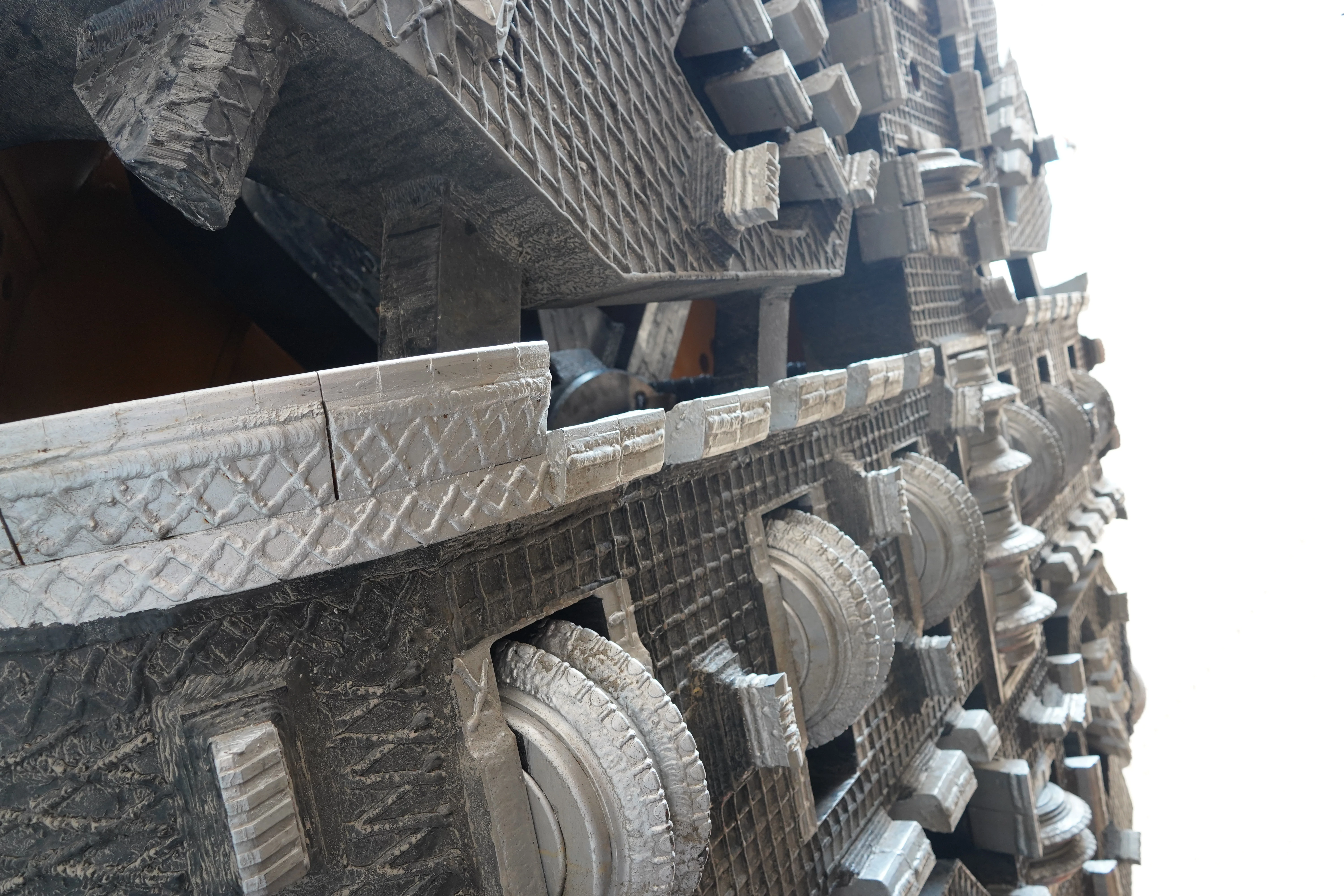
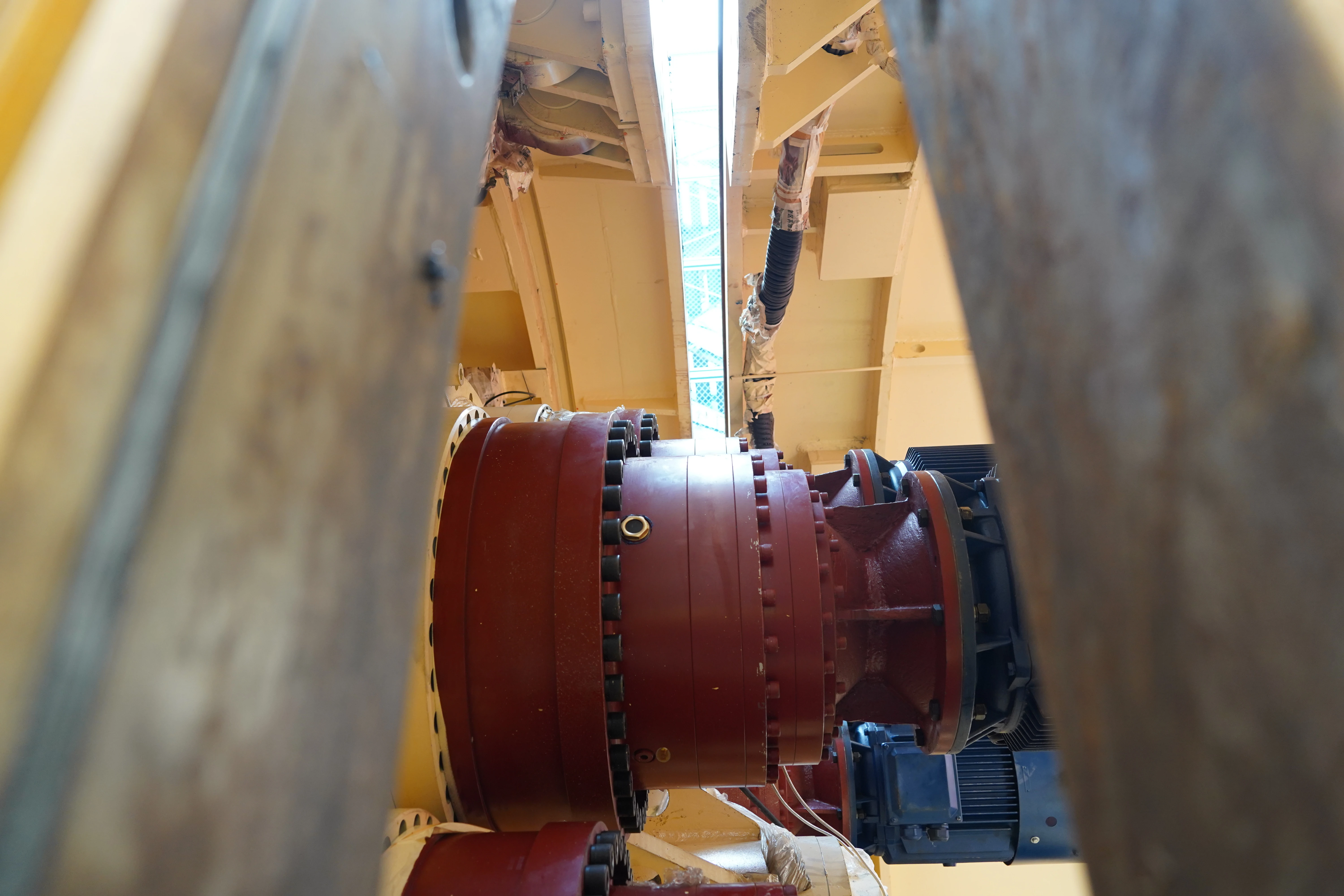
You need to understand how heat changes inside a tunnel boring machine. When you use a TBM machine or microtunnelling machine, many parts work together. These machines cut through ground and move soil out of the tunnel. As the machine works, it creates heat. This heat comes from the cutterhead, motors, and other moving parts.
You can use field monitoring to track this heat. Sensors measure the temperature at different points in the tunnel. You see how the heat changes as the machine moves forward. If you notice a sudden rise in temperature, it can mean something is wrong. For example, the cutterhead may face hard ground or get stuck. Motors may work too hard. These problems can lead to overload.
You should pay attention to tbm tunnel heat trends can reveal overload risk early. If you see a pattern of rising heat, you can act before the machine gets damaged. You can slow down the machine or check for blockages. You can also adjust the face pressure to keep the ground stable. This helps you avoid bigger problems later.
Tip: Use field monitoring every day. Record the heat data and compare it to normal levels. This helps you spot changes quickly.
Why Early Detection Matters for Tunnel Projects
Early detection of overload risk keeps your tunnel project safe and on schedule. When you watch tbm tunnel heat trends can reveal overload risk early, you protect your workers and your investment. Overload can cause ground settlement. This means the ground above the tunnel sinks. In cities, even small movements can damage roads or buildings.
Face instability is another risk. If the tunnel face loses support, the ground can fall into the tunnel. Water ingress can also happen if you do not control the pressure. Water can flood the tunnel and stop your work.
You can use CEGC’s tunnel machine solutions to manage these risks. CEGC designs machines with closed-mode face support. This system keeps the tunnel face stable, even in soft or wet ground. You can control the pressure at the face to match the ground conditions. The ground protection system helps stop water from entering the tunnel.
Here is how tbm tunnel heat trends can reveal overload risk early and help you solve common problems:
|
Problem |
What Heat Trends Show |
What You Can Do |
|---|---|---|
|
Ground settlement |
Rising heat at cutterhead |
Adjust face pressure, slow down |
|
Face instability |
Sudden heat spikes |
Check ground support, add grout |
|
Water ingress |
Heat near seals or pumps |
Inspect seals, increase pressure |
You should use field monitoring to check these trends. If you see heat rising, you can act fast. You can change the way you operate the tunnel boring machine. You can call for maintenance before a breakdown happens.
CEGC offers project-based customization for every tunnel. You can choose the right face pressure range, sealing design, and soil conditioning system. This helps you match the machine to your ground conditions. You get better control and fewer surprises.
Remember, tbm tunnel heat trends can reveal overload risk early. You can use field monitoring to keep your tunnel safe, protect the ground, and finish your project on time.
Monitoring and Interpreting Tunnel Heat Data
Real-Time Heat Tracking Methods
You need to watch tunnel heat as it happens. This keeps your tunnel boring machine safe. You can use special sensors to measure heat in many places. These sensors show how the tunnel machine works as it moves forward. Some top sensor tools are 3D laser scanning, optical fiber sensing, and photogrammetry. These tools give you quick and correct data about the tunnel and the ground.
|
Sensor Technology |
Features |
|---|---|
|
3D Laser Scanning Monitoring Technology (3D LSMT) |
Gets data fast, very accurate |
|
Optical Fibre Sensing Technology (OFST) |
Watches a big area, very accurate |
|
Photogrammetry |
Makes measurements more exact |
You can use InSAR to check the tunnel surface from far away. Computer vision and AI help predict tunnel changes. Drones can reach places that are hard to get to. Sensors on the tunnel machine give you almost real-time data. This helps you find problems with the tunnel, the ground, or the tunnel boring machine before they get worse.
Setting Thresholds and Recognizing Overload Signs
You must set clear limits for tunnel heat levels. When heat goes above normal, the tunnel machine may be overloaded. You can use data to compare today’s tunnel heat with old tunnel data. If tunnel heat jumps up fast, check the tunnel cutterhead, tunnel drive, and tunnel ground. High tunnel heat can mean cutterhead wear, slow moving, or the tunnel is not straight. You need to act quickly to keep the tunnel safe.
Rules help you know how to watch tunnel heat. OSHA, ISO 14001, and European safety rules show safe ways to monitor tunnel heat.
|
Evidence |
Description |
|---|---|
|
OSHA Regulations |
These rules keep workers safe and affect how you monitor. |
|
ISO 14001 |
This rule helps protect the environment and changes how you watch heat trends. |
|
European Safety Standards |
Following these rules keeps people safe and changes how you monitor. |
Actions for Tunnel Operators and Engineers
You should check tunnel heat data every day. If tunnel heat goes up, slow the tunnel machine or stop and check the cutterhead. You can change tunnel face pressure to protect the ground. Call for maintenance before tunnel damage happens. Use surface monitoring to watch for ground movement above the tunnel. CEGC gives you tunnel machine specs and custom options for your project. You get help with tunnel maintenance, tunnel alignment, and tunnel advance rate. This keeps your tunnel project safe and on time.
Tip: Keep a tunnel heat log to write down all tunnel data. This helps you see tunnel trends and plan what to do next.
When you watch TBM tunnel heat trends, you make things safer. You also lower the chance of overload. CEGC gives you good tunnel machine solutions for your job. You should use smart heat monitoring and risk control. This helps you build strong tunnels and keeps your team safe.
FAQ
What does a sudden rise in TBM tunnel heat mean?
A sudden rise in heat often means your tunnel machine faces overload. You should check the cutterhead, motors, and ground conditions right away.
How can you use heat data to prevent TBM damage?
You can set heat thresholds. When heat goes above normal, you slow the machine or stop it. This helps you avoid costly repairs.
Why should you choose CEGC for tunnel boring projects?
CEGC gives you reliable tunnel machine solutions. You get project-based customization, strong support, and advanced monitoring for safer, faster tunnel construction.


