
You can watch TBM tunnel overload trends to find ground changes early in tunneling. These TBM tunnel overload trends reveal ground changes early and help keep tunnels stable. CEGC assists you in controlling tunnel boring machines for city projects.
-
Careful geotechnical checks lower risks and make projects safer.
-
A complete study saves money and stops problems.
Key Takeaways
-
Watch TBM parameters like thrust force and torque to spot ground changes early. This helps stop project delays and keeps everyone safe.
-
Use CEGC's digital tools for real-time checks and predictions. These tools let teams make fast changes, so tunneling projects stay on schedule.
-
Do careful geotechnical checks and planning to reduce risks. This smart way saves money and makes the project safer.
TBM tunnel overload trends reveal ground changes early
Understanding TBM overload trends
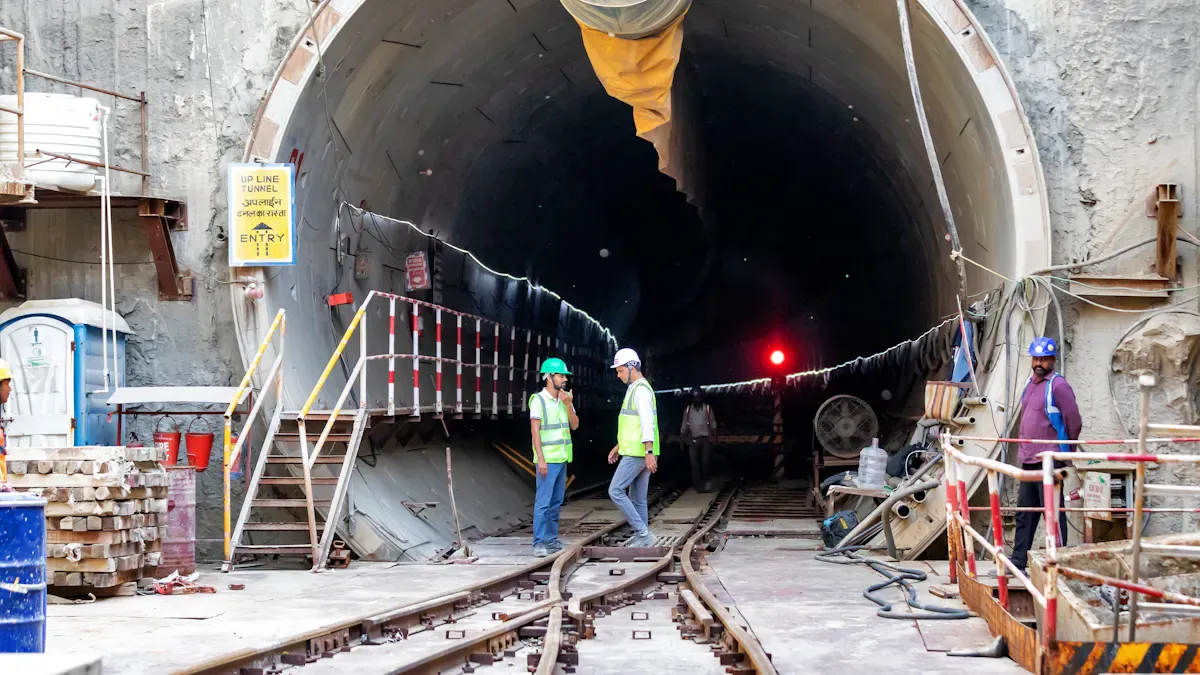
You can use TBM tunnel overload trends to spot ground changes early. Watching these trends helps you see how the ground acts as the tunnel boring machine moves. If torque or thrust goes up fast, the ground is changing. This warning helps keep your project safe and on time.
CEGC gives you tools that make monitoring simple. Face pressure control, soil conditioning, and sealing systems help you lower risks. These systems keep the tunnel face steady and stop water or soil from getting in. You can trust these features to keep things stable, especially in cities where ground changes quickly.
Here is a table showing how TBM parameters connect to ground conditions:
|
TBM Parameter |
Ground Condition Impact |
|---|---|
|
Shows how hard the machine pushes. This tells you about ground strength. |
|
|
Torque |
Measures how much resistance the cutterhead faces. High torque means harder ground or maintenance is needed. |
|
Cutterhead Speed |
Changes in speed show when the geology changes. |
|
Penetration Rates |
Give you quick feedback about the ground ahead. |
Tracking these parameters helps you find problems before they get worse. For example, if penetration rate drops and torque rises, you may hit harder ground or clogging. You can change your plan or use CEGC’s soil conditioning to keep the TBM moving well.
Ground behavior and overload signals
You deal with many types of ground behavior in tunneling. TBM tunnel overload trends show ground changes early by giving overload signals. These signals help you act before delays or damage happen.
Here is how different ground behaviors affect TBM performance and what you can do:
|
Ground Behavior Type |
Impact on TBM Performance |
Mitigation Measures |
|---|---|---|
|
Material changes can cause clogging and ground loss. This affects TBM stability. |
Use hybrid TBM models and good site investigation to manage risks. |
|
|
Soil Instability |
High sand content can make the ground unstable. |
Use slurry injection to fill voids and reduce local instabilities. |
|
Water Ingress |
Water entering the tunnel can increase torque and wear. |
Use process control software to improve muck flow and reduce challenges. |
Real-time monitoring helps you catch these signals. Digital tools and big data show patterns in TBM tunnel overload trends. Machine learning can predict ground changes before they happen. These tools let you change TBM settings fast, keeping your project safe and efficient.
Here is how digital tools help you right away:
|
Evidence Type |
Description |
|---|---|
|
Data Integration |
You can use geotechnical data from old projects to adjust your TBM for new ground. |
|
AI analytics help you make quick choices and move toward automatic TBM operation. |
|
|
Predictive Modeling |
Machine learning predicts ground behavior and TBM response, so you spot problems early. |
|
Performance Optimization |
You can change TBM settings quickly to keep digging efficient. |
|
Cost Reduction |
Finding issues early helps you avoid delays and extra costs. |
|
Better Geotechnical Model Calibration |
Real-time backanalysis helps you understand the ground better and makes tunneling safer. |
|
Real-Time Monitoring |
You compare live data with models to keep your team safe while digging. |
|
Predictive Maintenance |
Machine learning checks TBM wear, so you can plan repairs and avoid breakdowns. |
TBM tunnel overload trends show ground changes early and help you manage risks. Using CEGC’s solutions and digital tools keeps your tunneling projects on track and stops costly surprises.
Key TBM indicators and proactive response
Critical parameters to monitor
You need to watch several key parameters when you use a tunnel boring machine. These parameters help you find ground changes early and keep your tunneling projects safe.
-
Thrust Force: This shows how much force the TBM pushes against the tunnel face. You can use this to check ground strength.
-
Torque: This tells you how much resistance the cutterhead faces. High torque can mean hard ground or that you need maintenance.
-
Penetration Rate: This measures how fast the TBM moves forward. A drop in this rate can warn you about problems ahead.
-
Face Pressure: This helps you keep the tunnel face stable, especially in soft ground. You can prevent ground settlement or collapse by watching this.
You should also track cutterhead speed and advance rate. These numbers give you a full picture of how your TBM works in different ground types. If you see sudden changes, you can act before bigger issues happen.
Industry standards guide you on how to monitor these parameters. Here is a table that shows some important organizations and what they do:
|
Standard/Organization |
Description |
|---|---|
|
ITA-AITES |
Sets rules for safe axial loads in tunneling. |
|
ISO |
Requires careful load calculations and ongoing monitoring. |
|
CEN |
Makes EN 1997 rules for geotechnical design and loads. |
|
ASCE |
Checks that tunnels can hold the right loads. |
|
OSHA |
Keeps workers safe in tunneling jobs. |
Interpreting trends for early intervention
You can spot trouble early by looking at trends in your TBM data. If thrust force or torque rises quickly, you may face harder ground or a blockage. If penetration rate drops, you might have clogging or a change in soil. Watching these trends helps you act before problems stop your project.
CEGC gives you tools that make this easier. You can set custom alert levels for each project. If a parameter goes above your limit, you get a warning right away. This helps you keep your tunneling projects safe and on schedule.
You can also use CEGC’s guidance systems. These systems help you steer the TBM and keep it on the right path. Modular designs make it easy to add or change parts for your project needs. You get a machine that fits your job and helps you monitor overload trends better.
Tip: Check your TBM data often. Small changes in numbers can show you big changes in the ground.
Real-world cases and CEGC solutions
You can see the value of overload trend monitoring in real projects. In one city tunnel job, the TBM showed a sudden rise in torque and a drop in penetration rate. The team used CEGC’s monitoring system to spot the problem. They found a patch of hard rock and changed the cutterhead setup. The project stayed on track, and the team avoided costly delays.
In another case, a municipal utility project faced water ingress. The TBM’s face pressure readings changed fast. The crew used CEGC’s closed-mode face support to adjust pressure and keep the tunnel stable. The project finished safely, and the ground stayed steady.
CEGC’s market-standard specs and project-based customization help you handle many types of tunneling jobs. You get machines and systems that match your ground, your team, and your schedule. This means you can respond fast to overload trends and keep your projects moving.
You can trust CEGC to help you monitor, analyze, and act on TBM data. This keeps your tunneling projects safe, efficient, and successful.
You can spot problems early by watching TBM tunnel overload trends. This helps you lower risks in your projects. CEGC’s tunnel machine solutions make your work safer and more efficient.
-
Digital twin technology, machine learning, and new ways to see data will change future projects.
-
Learning from old mistakes shows that planning, training, and quick feedback keep your projects safer.
|
Evidence Description |
Key Insights |
|---|---|
|
Planning for use should cover how to install, test, train operators, and set up support. |
Good planning can find setup problems and make sure workers learn before big choices are needed. |
|
Fast feedback from monitoring lets you change ground support right away. |
Changing things with real-time data can make work safer and faster, and may help finish installation sooner. |
FAQ
What does a TBM tunnel overload trend show you?
You can see how the ground changes as the machine digs. This helps you find risks early and keeps your project safe.
How can you respond to overload signals?
You can change TBM settings, swap cutterhead tools, or use soil conditioning. These actions help you stop delays and keep your team safe.
Why choose CEGC for TBM tunnel boring machine projects?
|
Reason |
Benefit |
|---|---|
|
Customization |
Matches your project needs |
|
Market-standard specs |
Follows industry rules |
|
Digital monitoring |
Gives you live information |


