
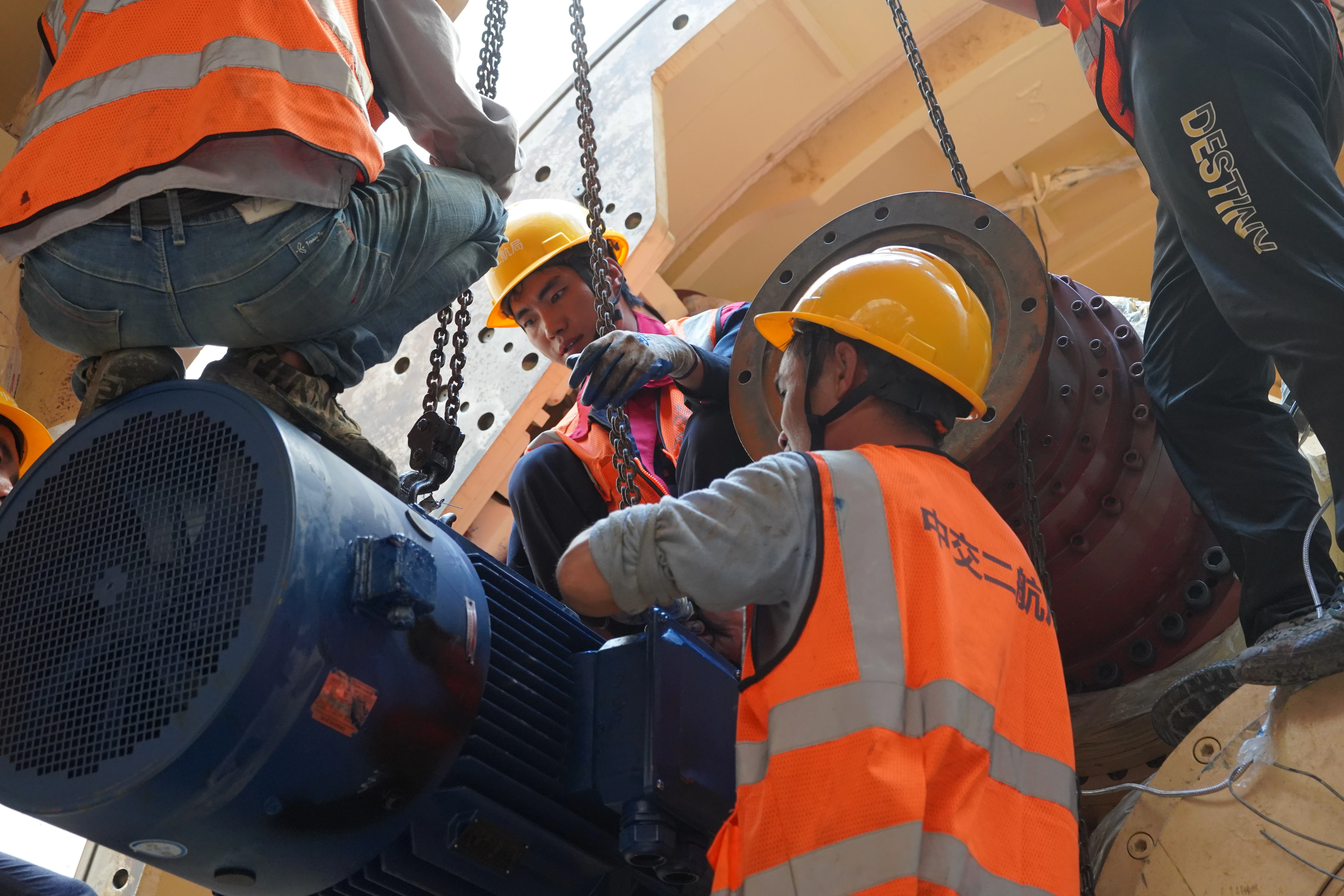
Tight corridors favor micro tunneling over TBM tunnel options because you need a tunnel machine that can fit in small spaces. Microtunneling is smaller, very accurate, and does not disturb the ground much. You save money and work faster on these projects. Tight corridors favor micro tunneling over TBM tunnel options because:
-
Micro TBMs save a lot of money for small tunnels.
-
You spend less to run them and finish the job sooner.
-
Tight corridors favor micro tunneling over TBM tunnel options because you do not need to fix the ground as much.
CEGC helps you pick the right tunnel machine for tight corridors. Tight corridors favor micro tunneling over TBM tunnel options when you want to be exact and save money.
Key Takeaways
-
Microtunneling works well in tight corridors because it is small and precise. It lets workers tunnel without messing up the ground above.
-
Microtunneling helps save time and money. It needs fewer workers and less equipment. This makes projects quicker and cheaper.
-
Microtunneling uses technology like laser-guided steering. This keeps the work accurate and safe. It is great for cities.
Microtunneling vs TBM: Tight Corridor Suitability
Machine Size and Access
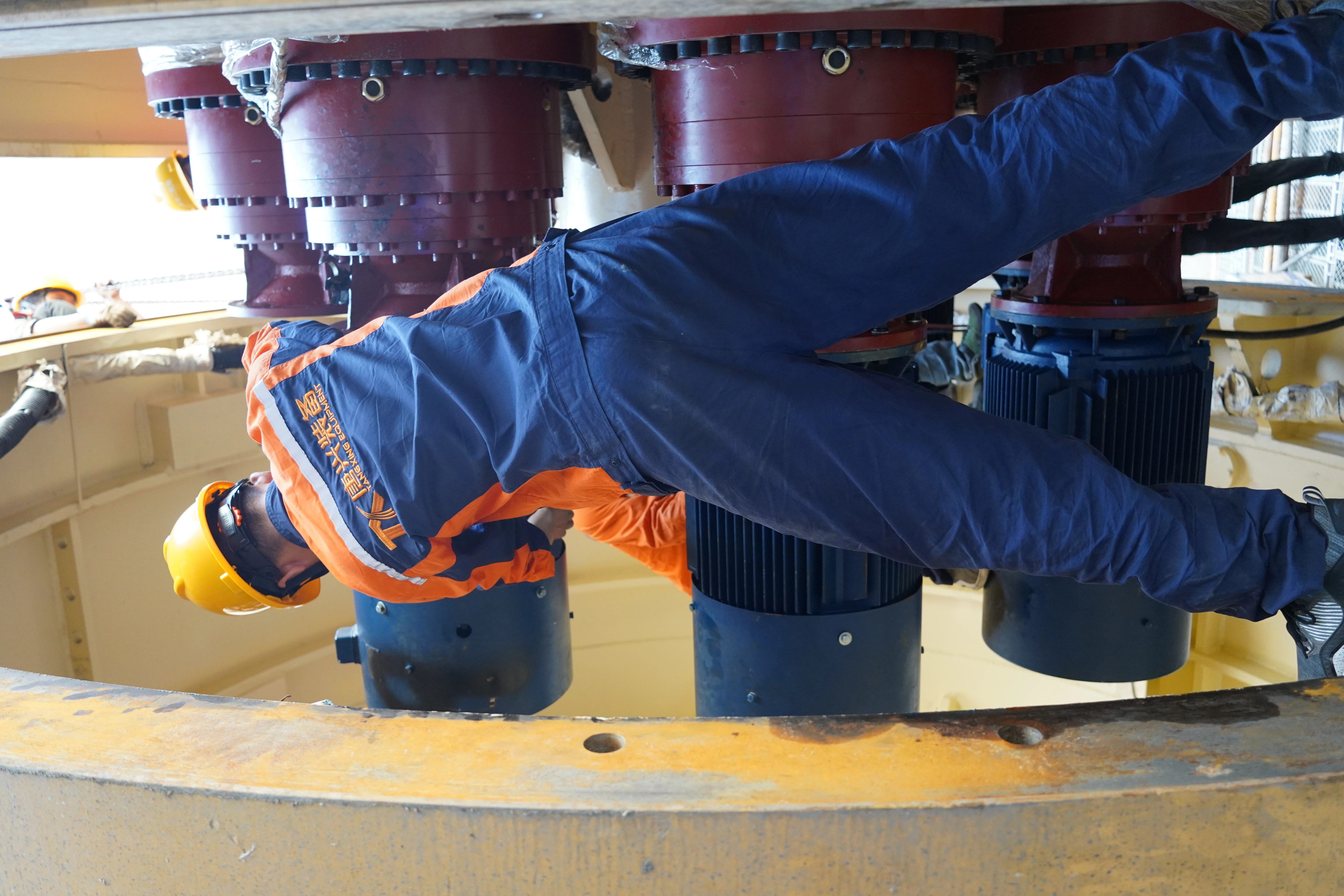
When you work in a tight corridor, machine size matters. Microtunneling machines are much smaller than a tbm. You can see the size difference in this table:
|
Machine Type |
Diameter Range (meters) |
Diameter Range (feet) |
|---|---|---|
|
Microtunneling Machines |
0.5 – 4 |
1 ft 8 in – 13 ft 1 in |
|
Larger, not ideal for tight corridors |
Larger, not ideal for tight corridors |
Microtunneling lets you use a micro tbm in small spaces. You do not need a big launch shaft or lots of setup room. This makes microtunneling good for narrow streets and busy utility corridors. It also works well where you cannot dig a big hole. TBM tunnel boring machines need more space to put together and run. It is hard to get a tbm into a tight area without disturbing the surface.
Maneuverability in Confined Spaces
You want your tunnel machine to move easily in small areas. Microtunneling uses a remote method that does not dig up the ground. You can steer the micro tbm very accurately, even when space is tight. Here are some reasons microtunneling works better than a tbm in small spaces:
-
Microtunneling uses laser-guided or gyroscopic navigation. It gives very accurate results.
-
Compact micro tbm rigs are made for city jobs. You can work under roads, railways, or buildings.
-
You do not need many workers underground. This makes the job safer and faster.
A tbm tunnel boring machine is bigger and harder to steer in tight spots. You need more people to run it. You also need more training and safety checks. Microtunneling is safer because you control the micro tbm from above ground. Fewer workers go underground, so there is less risk.
|
Aspect |
Microtunneling |
TBM Operations |
|---|---|---|
|
Operation Mode |
Remote operation with less personnel |
Larger machinery, more personnel |
|
Safety Training |
Less extensive, remote operation |
Extensive training and monitoring |
|
Worker Presence |
Reduced, enhances safety |
More personnel, higher risk |
Micro TBM Adaptability
You need flexible features when you work in a tight corridor. Microtunneling gives you this flexibility. You can use a micro tbm for many types of ground and tunnel shapes. You can change the setup to fit the job. Microtunneling also works faster for small tunnels. Look at this comparison:
|
Method |
Speed Comparison |
|---|---|
|
Microtunneling |
Faster for small tunnels |
|
TBM |
Takes longer to set up, faster for big tunnels |
Microtunneling works better for short, narrow drives. You save time because you do not need a long setup. You also spend less money on labor and fixing the ground. TBM tunnel boring machines are best for long, wide tunnels. In tight corridors, microtunneling and micro tbm options give you the flexible features you need to succeed.
Tip: Pick microtunneling if you want high performance, safety, and speed in a tight corridor. You can trust a micro tbm to do the job with less risk and more accuracy.
Precision and Accuracy in Microtunneling
Laser-Guided Steering
Microtunneling is good for making tunnels in small spaces. Laser-guided steering helps you be very exact. The laser shows a straight line for the tunnel machine to follow. You can control the microtunneling machine from above ground. You do not have to dig up the street or yard. This way, you work fast and do not mess up the ground. The machine can go under roads, train tracks, or buildings. The laser and computer work together to move the boring head. You get very good results every time.
Tip: Laser-guided steering helps you make fewer mistakes. It keeps your tunnel machine going the right way. Microtunneling is best when you need to be very exact.
Alignment Control in Urban Environments
Microtunneling helps you keep the tunnel straight in busy cities. You use special tools to make sure the tunnel machine stays on track. Here is a table that shows how microtunneling stays exact and correct:
|
Technology |
Function |
|---|---|
|
Laser Guidance |
Shows a straight line for the tunnel machine to follow. |
|
Gyroscopic Navigation |
Gives location data that does not get mixed up by magnets. |
|
Computer Control System |
Changes the boring head’s direction to keep it straight. |
|
Predictive Modeling |
Figures out what the ground will do to help steer better. |
|
Visual Display Systems |
Shows workers where the machine is and where it should go. |
|
Continuous Data Logging |
Writes down where the machine goes for later use. |
Microtunneling works well in narrow city spaces. You can build tunnels fast and do not hurt pipes or wires. Microtunneling helps you avoid breaking things underground. You get good results for every job. This way works well under highways and train tracks. You can add new pipes or wires without digging up the road. Microtunneling is the best way to be exact in cities.
Cost Benefits of Microtunneling
Equipment and Mobilization Savings
Microtunneling saves money in tight corridors. The machines are small and easy to move. You do not need big areas or heavy equipment. This trenchless construction lets you start work fast. You spend less on setup and pay lower starting costs. Microtunneling works well for small pipelines, so you avoid extra costs. You also save money on labor because fewer workers are needed. These savings help you finish projects faster and make work more efficient.
Reduced Surface Disruption
Microtunneling keeps the surface safe and quiet. You use remote-controlled machines that tunnel under roads and buildings. This trenchless technology limits noise and stops traffic problems. You do not disturb public services or damage structures. Microtunneling is perfect for cities where you need to protect the environment. Here is a table that shows the difference:
|
Method |
Surface Disruption |
Key Features |
|---|---|---|
|
Microtunneling |
Minimal |
Smaller, remote-controlled machines, precise tunneling |
|
TBM |
Extensive |
Traditional methods with significant surface excavation |
You save money because you do not need to fix streets or sidewalks. Microtunneling lets you install small pipelines without digging big trenches. You finish jobs faster and avoid extra costs.
Lifecycle and Maintenance Costs
Microtunneling gives you savings over time. The machines last longer and need less maintenance. You do not waste time fixing equipment or restoring the ground. You see lower starting costs and fewer repairs. Microtunneling makes work more efficient and cuts downtime. You also save money from shorter project timelines. When you compare starting costs and savings, microtunneling stands out. You make smart choices for every project.
Tip: Microtunneling is a trenchless construction technique that helps you save money, protect the surface, and finish jobs quickly.
Real-World Microtunneling Success in Tight Corridors
Urban Utility Installations
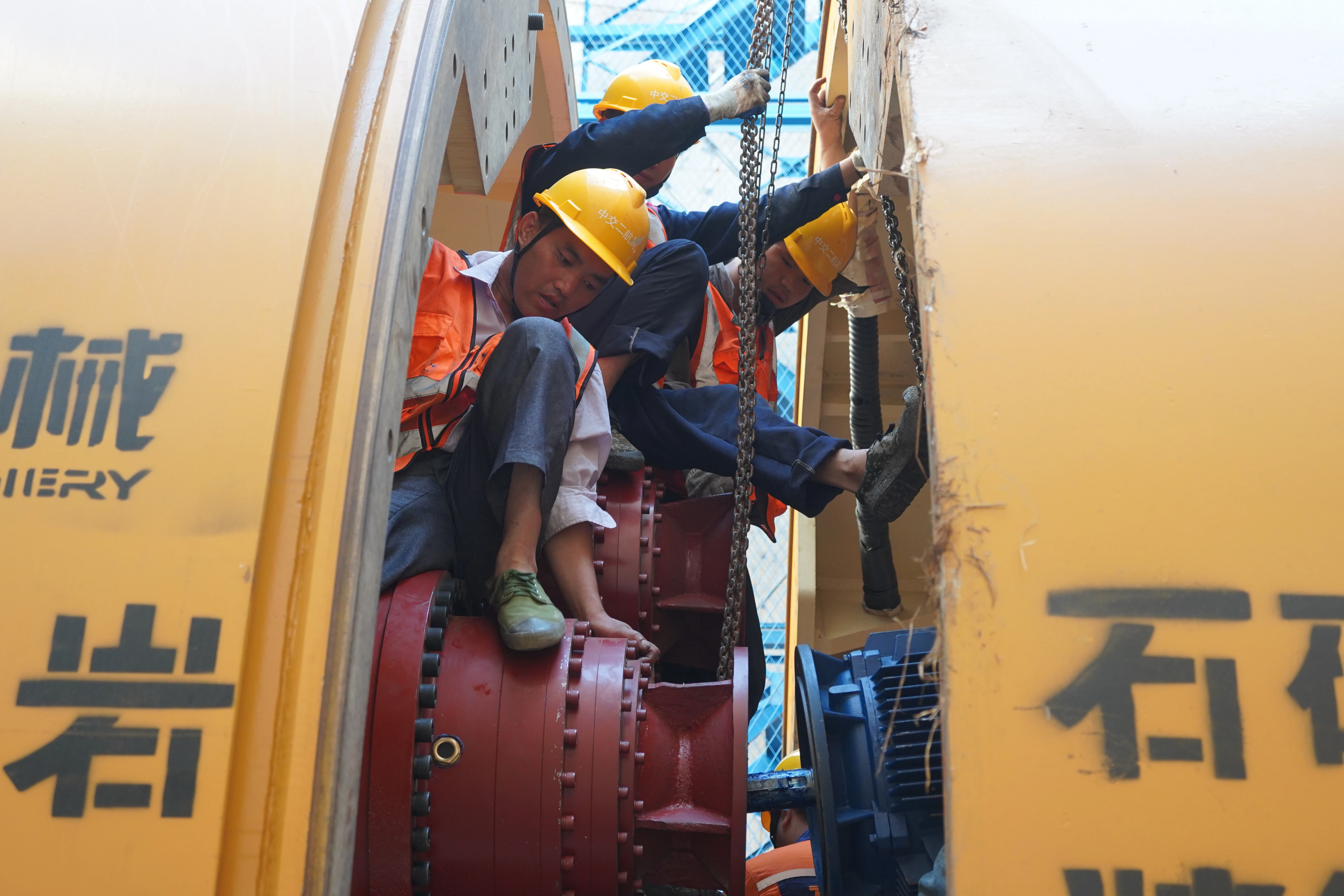
Microtunneling is often used for city utility tunnels. These jobs happen in small spaces under busy roads. Microtunneling lets you put in pipes or cables without digging up the street. This helps avoid traffic jams and keeps stores open. The microtunneling boring machine moves underground with great accuracy. People above ground do not notice much work happening. CEGC has machines that help finish these jobs fast and safely. Their auger boring machine and microtunnelling machine both fit well in narrow city spaces.
Water and Sewer Projects
Microtunneling helps build water and sewer lines in crowded places. You can see how it works in this table:
|
Key Findings |
Description |
|---|---|
|
Application of Microtunneling |
Microtunneling is used for locating utilities below ground, especially in constrained environments. |
|
Prediction of Jacking Forces |
A new approach helps you predict jacking forces, making the process more reliable. |
|
Benefits Over Traditional Methods |
Microtunneling reduces costs, noise, and air pollution. It also protects nearby structures. |
|
Long-Distance Drives |
You can build long tunnels with curves, avoiding extra shafts and surface problems. |
You hear less noise and see fewer road repairs. Microtunneling lets you put pipes under highways or railways without stopping cars or trains.
Lessons from TBM Limitations
You learn a lot when you compare microtunneling to TBM machines in tight spaces:
-
You must plan well when tunneling under highways or railways to keep everyone safe.
-
You need to check TBM settings often to stop ground problems.
-
Digging too much in shallow tunnels can cause trouble, so you must watch the digging.
-
Fluid blowouts can happen in transit corridors, so you must change TBM settings to stop accidents.
Microtunneling helps you avoid many of these problems. CEGC’s machines give you the control and accuracy you need for safe, successful jobs in tight spaces.
Common Misconceptions about Tunnel Machine Selection
TBM Limitations in Tight Spaces
Some people think a TBM tunnel boring machine works everywhere. This is not true in tight corridors. Many believe you can use a TBM again after one job. But you cannot always take a TBM out from underground. Removing it is hard and risky. The soil can move, and the ground might sink if you try. Engineers often leave TBMs underground because taking them out can cause trouble. Some people think you can break apart and recycle a TBM easily. This is not true in small spaces.
Tip: Always check the size and access needs before picking a tunnel machine. You want your project to be efficient.
Here are common misconceptions about TBMs in tight spaces:
-
You can always use a TBM again after a project.
-
Taking out a TBM is easy and safe.
-
TBMs fit well in narrow corridors.
Microtunneling Capabilities
Microtunneling gives you more choices in small spaces. This method lets you build tunnels with high efficiency and less surface mess. You can use microtunneling in tight places, like busy city streets or crowded utility corridors. The equipment uses advanced technology for precise control. You do not need big areas to set up, which helps in city projects. Microtunneling works well in soft soil and places with lots of water. You get better efficiency because the process is faster and safer.
You should pick microtunneling when:
-
You need to work in a narrow or crowded space.
-
You want to use technology that makes the job more accurate and safe.
Project size, soil type, and logistics help you choose which tunnel machine to use. CEGC can help you pick the right technology for the best results.
You can understand why micro tunneling works better in tight corridors. Micro TBMs are flexible with cost, speed, and accuracy. You get flexibility in city areas, different types of ground, and setups that can change. The table below shows how micro TBMs are flexible. Ask CEGC for help with tunnel machine flexibility and special solutions.
|
Aspect |
Micro TBM Advantage |
|---|---|
|
Adaptability |
Modular, urban, terrain |
FAQ
Can you use a micro tunnel machine for all trenchless projects?
You can use a micro tunnel machine for many trenchless jobs. You should check the size, ground, and project needs before you choose the right trenchless method.
What makes micro trenchless methods better for city work?
You get less noise and mess with micro trenchless machines. You can finish jobs faster. You do not block roads or disturb people. Micro trenchless work fits small city spaces.
How do you pick between a micro tunnel machine and other trenchless options?
You look at the project size, ground type, and space. Micro trenchless machines work best for tight spots. You can ask experts for help with micro trenchless choices.
Tip: You should always plan your micro trenchless project with care. You get better results when you match the micro machine to the job.
|
Micro Trenchless Method |
Best Use Case |
Key Benefit |
|---|---|---|
|
Micro tunnel machine |
Tight city corridors |
High accuracy |
|
Micro auger boring |
Short, straight drives |
Fast setup |
|
Micro HDD |
Curved pipe installs |
Flexible alignment |


