
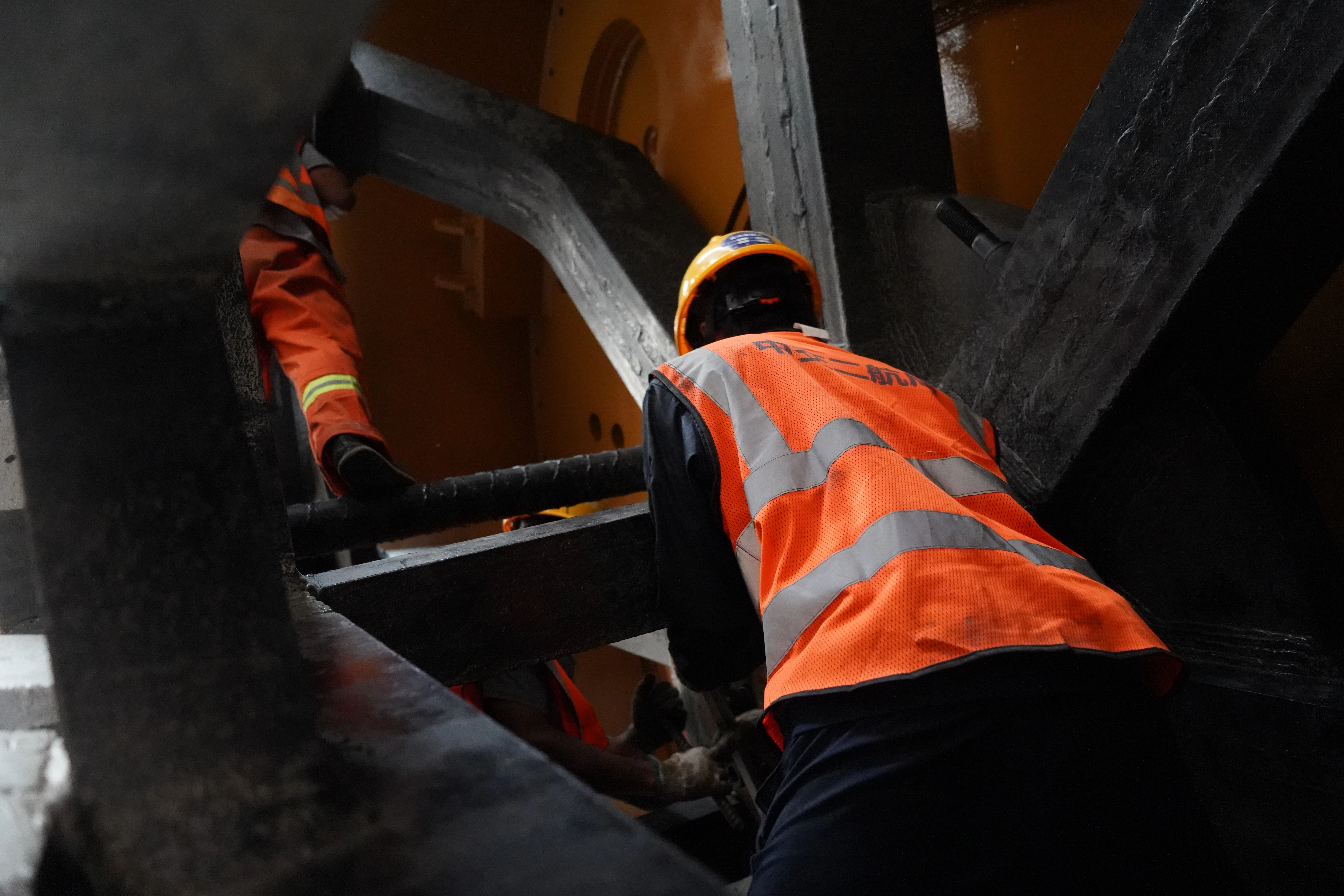
Can a TBM machine handle curves without line loss? Modern tunnel boring machines are designed to navigate curves effectively using advanced systems. Most TBM machines utilize live tracking and AI technology to ensure precise guidance. Factors such as the construction of segments, the expertise of workers, and the geological conditions play significant roles in this process. CEGC offers a wide range of tunnel machine options suitable for various directional needs.
Key Takeaways
-
Modern TBMs have smart steering and guidance systems. These help them move through curves well. This keeps line loss very low. - It is important to install segments the right way. Real-time checks help stop misalignment and other problems while tunneling. - Picking the best TBM for your job is important. You need to think about how it steers, its power, and the ground type.
Can a TBM machine handle curves without line loss?
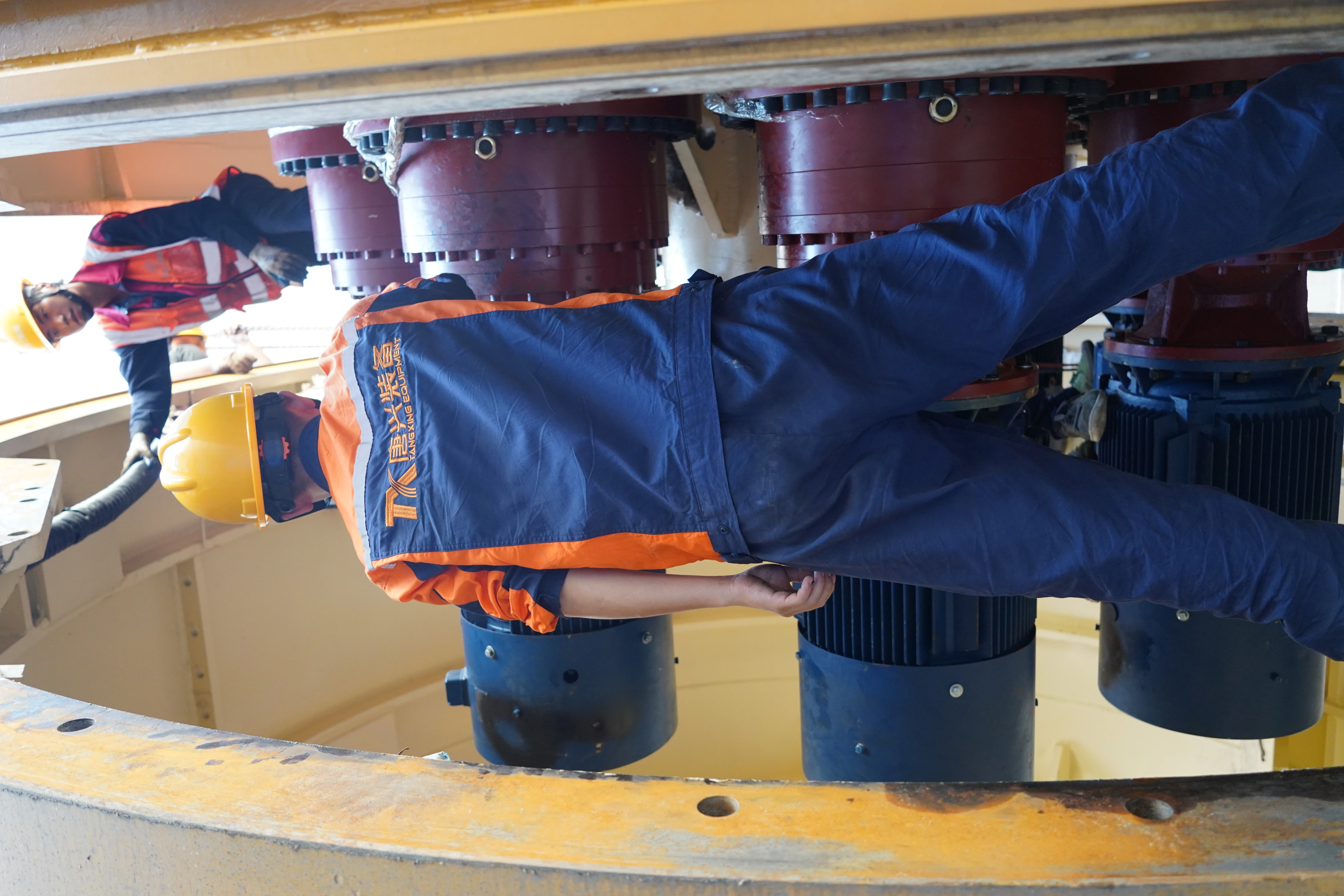
If you ask, "Can a TBM machine handle curves without line loss?", you want to know if these strong tunnel machines can follow a curved path without moving off the planned line. The answer is yes. Modern tunnel boring machines use smart steering, guidance, and segment installation methods to keep the tunnel on track, even when the path bends.
TBM Steering Systems
You may wonder how a TBM machine steers through a curve. These machines use several clever systems to change direction and stay on course. Here are some main steering methods:
-
Mechanical steering mechanisms
-
Articulated or gripper-based steering lets the machine shift its direction using special shoes or joints.
-
Thrust differential uses hydraulic jacks to push harder on one side, making the tunnel machine turn.
-
Some TBMs have steerable cutterheads that can pivot, helping the machine dig in the right direction.
-
-
Guidance and control
-
Instruments like lasers and gyros measure the TBM's position.
-
Closed-loop control systems give real-time feedback, so the operator can make quick adjustments.
-
-
Steering for different curves
-
Small-radius curves need bigger steering changes and may slow down the machine.
-
Large-radius curves require only small adjustments.
-
When you use a TBM tunnel boring machine, shield jacks and articulation are very important. The machine has hydraulic cylinders that let it turn during steering. When the tunnel curves, the outer side of the TBM gets more thrust, which helps guide the machine. You, as the operator, can control these thrust pressures to keep the TBM on the planned path. The automatic navigation system gives real-time updates, so you always know where the shield is and can steer with confidence.
Guidance and Articulation Technologies
Guidance and articulation technologies help answer the question, "Can a TBM machine handle curves without line loss?" These systems keep the tunnel boring machine lined up with the design, even in tricky curves. Let’s look at some of the latest advancements:
|
Advancement Type |
Description |
|---|---|
|
Geodetic Techniques |
Direct the TBM with high accuracy, using precise measurements. |
|
Laser Tracking |
Tracks the TBM’s position every 10 seconds for exact control. |
|
Correction Curves |
Adjusts the TBM’s path to match the planned tunnel axis. |
|
Double Zigzag Traverse |
Improves error detection by making control points easier to see and check. |
You will find two main types of articulation in TBM machines: active and passive. Active articulation lets the front and rear shields turn separately. This is very helpful for tight curves, sometimes as small as a 400-meter radius. The system can change the bending angle based on the curve, giving you better control. Passive articulation uses jacks that react to outside forces, but it does not keep alignment as well as active systems.
Segment Design and Installation
The way you install tunnel segments is just as important as steering and guidance. If you misalign segments during installation, the tunnel can suffer damage. Gaps between segments are a big concern. When you assemble the lining rings, even small mistakes can cause the tunnel to drift off line or develop structural problems.
To avoid these issues, you need careful planning and skilled workers. Modern tunnel boring machines, like those in the CEGC portfolio, use real-time monitoring and alert systems. These tools help you spot any problems early. CEGC also uses construction-staged modeling, which means the design and building process work together as a feedback loop. This approach helps you keep the tunnel machine on the right path, even in complex curves.
Can a TBM machine handle curves without line loss? With the right steering, guidance, and segment installation, you can achieve excellent results. CEGC’s tunnel machine solutions, including auger boring machines and Microtunnelling Machines, give you the tools and support you need for curved tunneling projects.
Limitations and Practical Outcomes
Maximum Curvature and Line Loss Risks
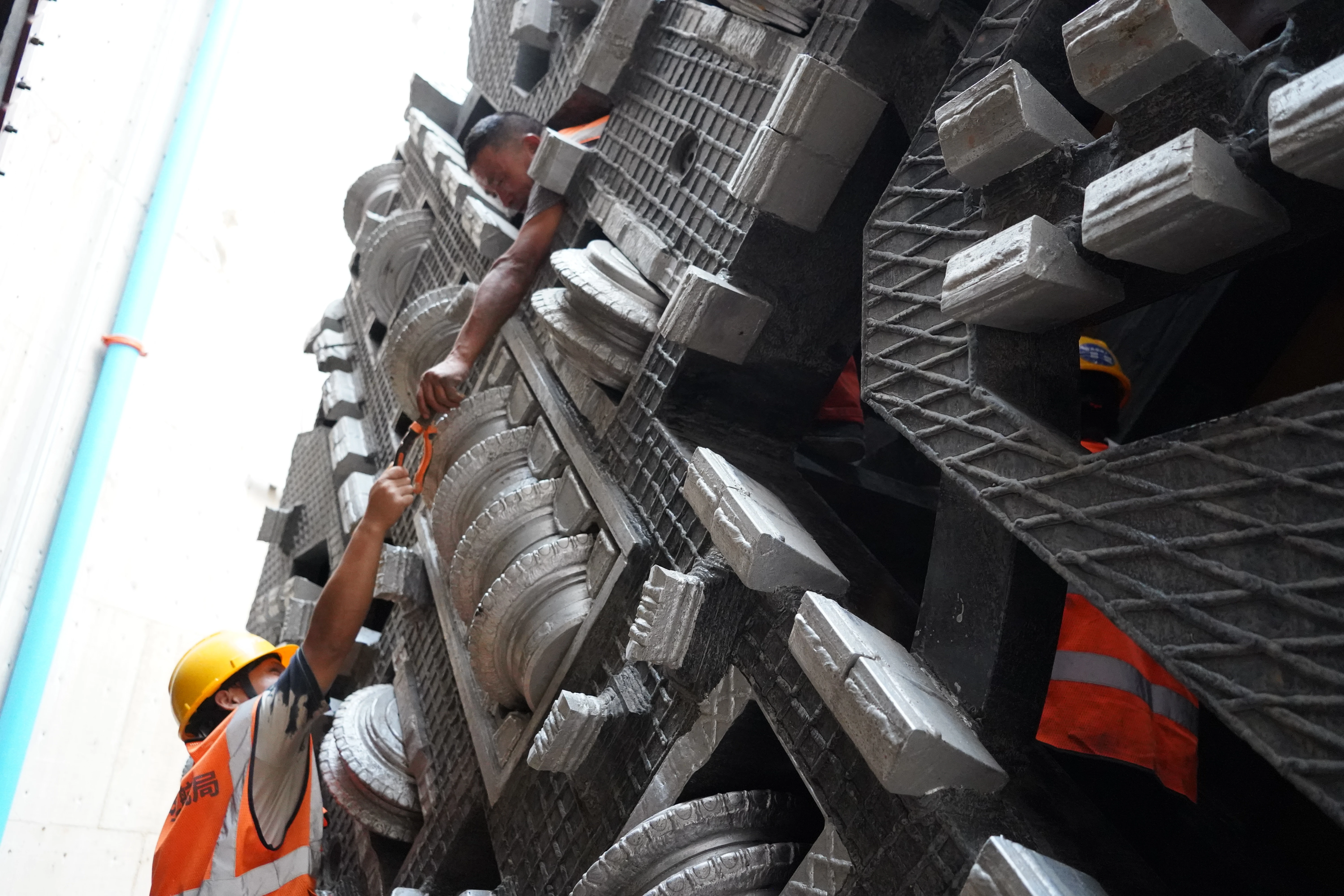
You might wonder if a TBM machine can handle curves without line loss. The answer depends on how sharp the curve is. Most metro tunnel boring machines can handle curves with a radius of a few hundred meters. Some special machines can work with curves less than 100 meters in radius. Hard-rock TBMs can sometimes go through even tighter bends. But, you need to be careful because more force is put on the tunnel lining. When steering through tight curves, there are some risks:
-
Segment lining can get damaged if not put together right.
-
Concrete can crack if there is too much force or uneven ground.
-
Jack grippers can press unevenly and cause problems.
-
Segments can move out of place, especially at important joints.
-
Too much force can break the concrete if it is not strong enough.
Factors Affecting Performance
There are many things that can change how well a tunnel machine works in curves. The ground can be different from what you expect. If you find hard rock or water, you need to change the machine settings fast. The type of tunnel boring machine is important too. If the TBM does not leave enough space between the shield and the lining, cracks or misalignment can happen. The skill of the operator is also very important for keeping the tunnel straight.
|
Challenge |
Impact on TBM Performance |
|---|---|
|
Ground condition variability |
You need to change how the machine works |
|
Unexpected geology |
This can slow down work and cost more money |
|
Need for precise alignment |
It is very important for curved tunnels |
Quality Control and Real-World Examples
You can stop line loss by following strict quality control steps:
-
In high-risk areas, check more often and change machine settings.
-
In medium and low-risk places, do regular checks and give support.
-
For special cases, watch for moving rocks and have emergency plans.
There are real projects that show this works. In Tokyo, 12 Microtunnelling Machines put in 23 kilometers of sewer pipes with little trouble. In London, a Micro TBM dug under old buildings and kept the tunnel on track without closing roads. These examples show that, with the right steps, you can trust a TBM machine to handle curves without line loss.
You can count on a TBM tunnel boring machine to go through curves with very little line loss if you use good steering and guidance systems.
When doing long curved microtunnelling, the design must make sure the pipe string can bend with the curve. Using IJS units is very important because they help control the jacking force. Curves make the force push unevenly, which can hurt the jacking pipe’s strength.
You need to pick your tunnel machine wisely for tough curves:
-
Look at the steering and power systems.
-
Make sure the slurry and separation systems work well.
-
Get ready for jacking forces and have extra parts.
If you want expert help, talk to CEGC for your next curved tunnel job.
FAQ
Can an auger boring machine be used for vertical boring?
You cannot use an auger boring machine for vertical boring. You need a raise borer or shaft-sinking equipment for vertical shafts.
What is the steepest gradient achievable with a Microtunnelling Machine?
A Microtunnelling Machine can go up to a 25% gradient. Always check what your project needs and the ground before you begin.
Does CEGC manufacture vertical shaft-sinking equipment?
Yes, CEGC has vertical shaft-sinking equipment in their product line. You should reach out to their team for more information and custom help.


