
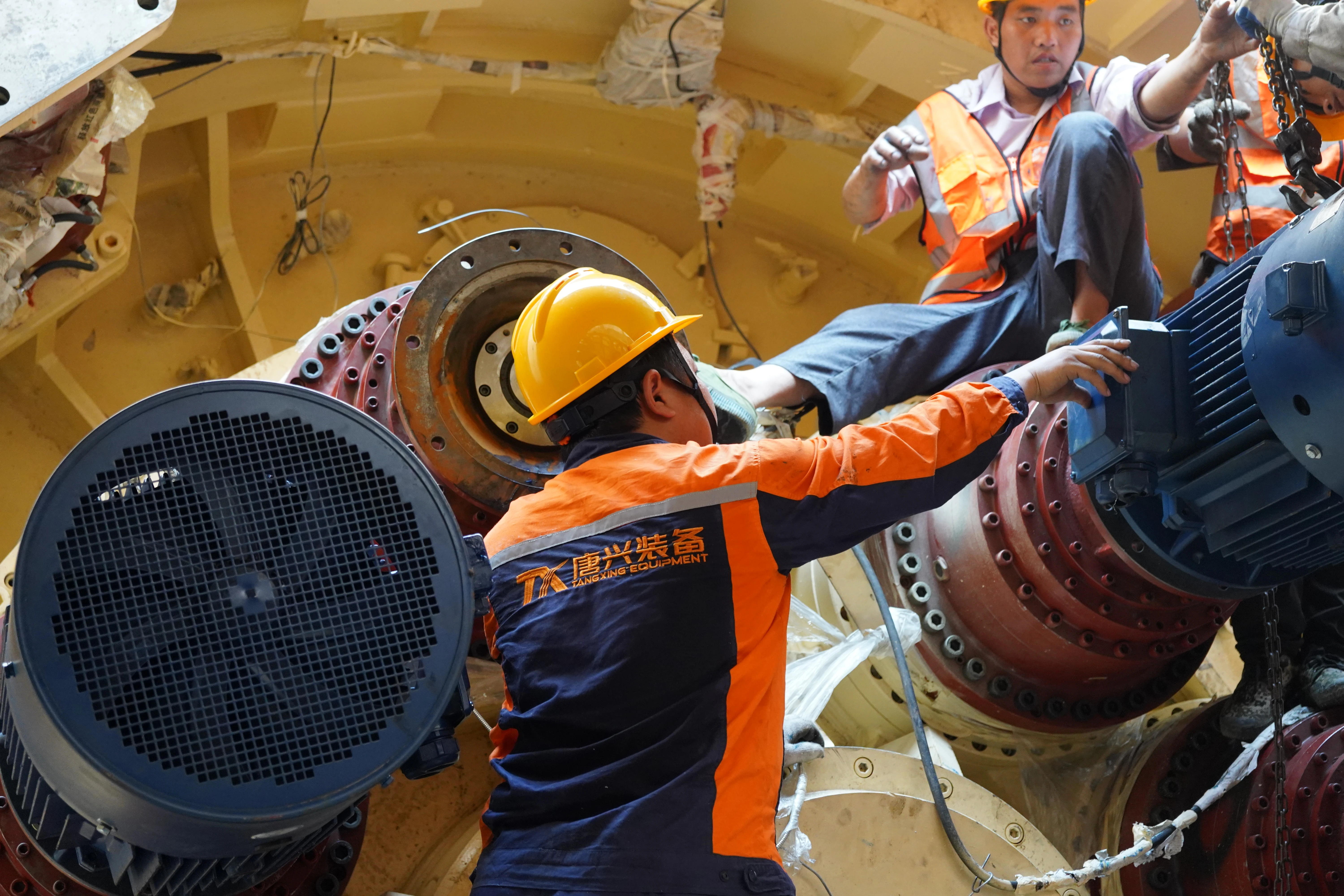
Curves demand stronger guidance in micro tunneling projects, presenting a challenging question for engineers. This is because constructing underground tunnels requires precise guidance. The need for stronger guidance arises in micro tunneling projects due to the unpredictable nature of the ground. Ensuring that curves are adequately supported is essential for maintaining the safety of tunnels. CEGC is here to provide the necessary guidance for every project.
Key Takeaways
-
Curved microtunneling needs strong guidance systems for safety and accuracy. Tools like laser guidance and gyro navigation help guide tunnel boring machines. These tools make sure the machines move the right way.
-
Good planning and modeling are very important for curved tunneling. Knowing how soil will act helps avoid mistakes and delays. Changing steering angles can stop problems before they happen.
-
Training your crew on equipment and best ways to work keeps everyone safe. It also helps the job go faster. Practicing with simulators gets operators ready for real microtunneling work.
Challenges in curved microtunneling
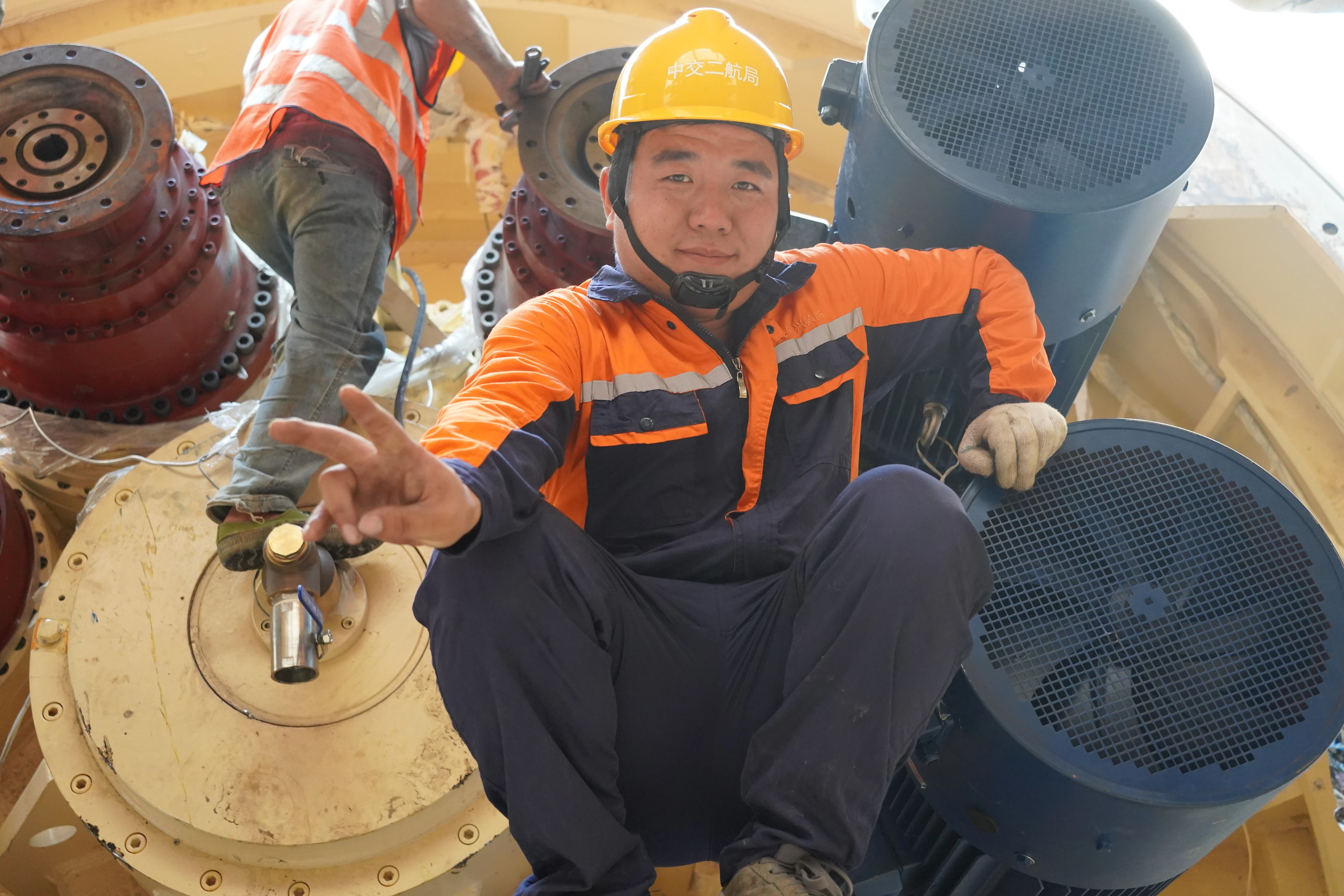
Technical issues in underground construction
There are many technical problems when building tunnels with curves. You need special guidance systems to steer the tunnel machines right. Regular laser sights do not work well for curved tunnels. Advanced navigation systems and hydraulic joints are needed to keep the tunnel straight. The way pipe joints are made is important because stiff pipes can make weak spots. Strong joints are needed to handle pushing forces and heavy loads. Curved tunnels move loads in uneven ways, so you have to check the tunnel’s strength often. The table below lists common technical problems for microtunneling in utilities:
|
Challenge |
Description |
|---|---|
|
Joint Design |
Good joint design keeps tunnel integrity strong. |
|
Hydraulic Joints |
These allow tighter curves and better load distribution. |
|
Navigation System |
Reliable guidance helps steer tunnel boring machines accurately. |
Safety and environmental risks
Safety is very important in microtunneling projects. Workers must be kept safe at all times. Surprising soil or obstacles can make things dangerous. Special tools and trained workers help lower risks. Safety steps include watching the tunnel in real time and using strong pipe joints. Rules about the environment also affect microtunneling in utilities. You have to make less waste soil, use fewer trucks, and keep noise and dust down. Talking with the community helps solve problems.
Geological unpredictability and muck removal
Unpredictable ground makes projects harder. You might have low shield efficiency, higher costs, and delays. Careful ground checks help you plan better. Getting rid of muck is harder in curved tunnels. Tunnel machines must change to fit different soils. Real-time monitoring helps control pushing forces and keeps tunneling safe. You need to check the ground often to keep workers and utilities safe.
Guidance and microtunneling technology solutions
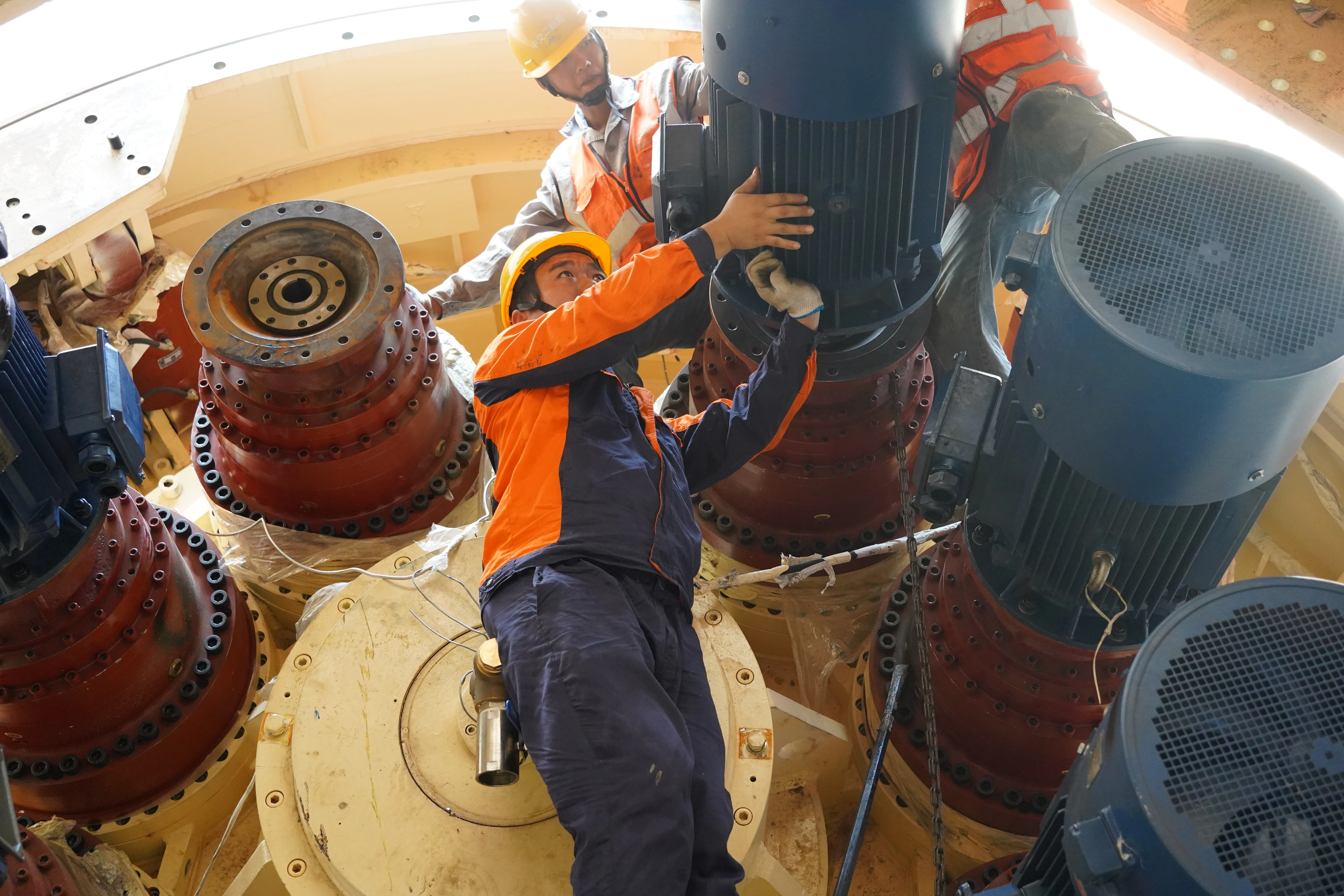
Advanced guidance systems for curves
You need better guidance systems to keep tunnels on track. These systems help you steer the micro tunnel boring machine very accurately. Many projects use special laser guidance, gyro navigation, and pipe-mounted theodolite systems. These tools give you instant feedback and help you avoid mistakes. The table below lists some common guidance systems used in microtunneling:
|
Guidance System |
Description |
|---|---|
|
Laser Guidance System |
Uses a fixed laser to keep the tunnel lined up during installation. |
|
TUnIS Navigation MT Gyro System |
Combines gyro and water level sensors for better accuracy in curved tunnels. |
|
VMT SLS Microtunneling LT System |
Uses a motorized theodolite to help operators keep tight tolerances in curved tunnels. |
These guidance systems help your microtunneling equipment work better. They help you control jacking loads and keep the tunnel boring machine on the right path, even for long tunnels.
Planning and design for curved drives
Good planning is very important for microtunneling projects. You must guess how the tunnel machine will act in different soils. Pre-construction modeling helps you find problems before they happen. You can use models to test steering angles and check if the soil is strong enough. For example, in soft soils, you might need a bigger steering angle to keep the tunnel straight. This can make the soil act differently, so you must check the subgrade reaction modulus when planning.
A real project showed why this matters. When a curve was added, the concrete pipe broke as the micro tunnel boring machine hit harder soil. The team learned from this and used better planning and modeling next time, which worked. You should always line up your launching and reception pits carefully. This helps you avoid mistakes and keeps your microtunneling equipment working well.
Equipment adaptations: tunnel machine and Microtunnelling Machine
You need modern equipment to handle curved microtunneling. New tunnel machines and microtunneling equipment have advanced soil handling systems. These systems change based on real-time ground feedback. Cutting heads have different shapes and can use different tools for each soil type. Lubrication systems lower friction, so your tunnel machine moves smoothly, even in sandy or wet soils.
Pressure control systems keep the tunnel face safe and stop ground collapse. Spoil removal systems can switch between auger and slurry methods, depending on the soil. Some microtunneling equipment can even make the ground stronger by injecting grout during installation. These modern machine features help you get better results and longer tunnels.
|
Equipment Adaptation |
Function |
|---|---|
|
Advanced soil handling systems |
Change to match ground conditions for better results. |
|
Cutting head designs |
Use different shapes and tools for different soils. |
|
Lubrication systems |
Lower friction and help in tough soils. |
|
Pressure control systems |
Keep the tunnel face safe and steady. |
|
Spoil removal system |
Switch between auger and slurry to fit the soil. |
|
Ground improvement capabilities |
Make soil stronger around the tunnel during installation. |
Operational best practices and crew training
You must train your crew to use microtunneling equipment safely and well. Operators need to control the tunnel machine in tricky ground. Training simulators let your team practice before real work. This practice makes them better and helps them fix problems fast.
When your crew knows the techniques and equipment, they can keep the tunnel on track and avoid mistakes. Good training also keeps everyone safe and helps your microtunneling technology work better. You should always review best practices and update your training when new equipment comes out.
Case studies in underground construction
Many projects show that good guidance systems and careful planning lead to success in curved microtunneling. For example, the first curved alignment project in the United States used advanced navigation and modern equipment to finish a long microtunneling job. The team avoided obstacles and did not need extra shafts by using precise guidance and new microtunneling technology.
You can see that curved tunnels need more than just basic techniques. You need strong planning, modern machine technology, and skilled workers. CEGC has many microtunneling machines, including tunnel machines, micro tunnel boring machines, and auger boring machines. These products help you do your best work, even with tough curves and long tunnels.
Tip: Always use better guidance systems and modern equipment for your next microtunneling project. This will help you get better results and safer tunnels.
|
Factor |
Description |
|---|---|
|
Alignment Systems |
These help keep tunnels safe and in the right place. |
|
Pipe Design |
These help control pushing forces when the tunnel curves. |
You can talk to CEGC for expert help on your next project.
FAQ
Can you use an auger boring machine for vertical tunnels?
No, you cannot use it for vertical tunnels. Auger boring machines are made for horizontal tunnels only. If you need to make a vertical shaft, you must use special equipment. Raise borers are used for vertical shafts.
What is the steepest curve a Microtunnelling Machine can handle?
You can make tight curves with advanced Microtunnelling Machines. The smallest curve depends on the pipe size, the soil, and how the equipment is built.
Does CEGC offer tunnel machines for different tunnel directions?
-
Yes, CEGC has tunnel machines for horizontal, vertical, and sloped tunnels. You can pick the right machine for your project.


